
Pests and Diseases
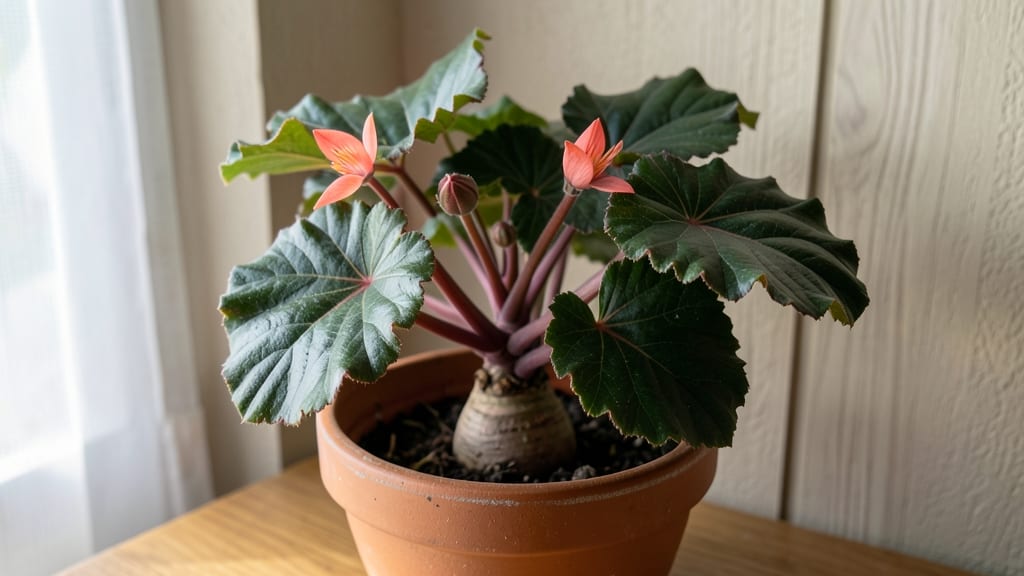
That velvety purple-black foliage of angel leaf begonia is what makes it a showstopper—but fungal issues can turn it into a sad, spotted mess. 🌿 I’ve nursed back more than my share of these plants after catching powdery mildew or leaf spot early, and the key is acting fast before those dark patches spread.
These begonias thrive in bright, indirect light and humidity levels that feel like a jungle corner, not a dry window sill. Overwatering is the real villain—keep soil moist but never soggy, and always use pots with drainage.
The moment you see fuzzy white patches or brown spots, isolate the plant and treat with a fungicide spray.
With the right care, your angel leaf begonia will reward you with glossy, heart-shaped leaves that stay stunning for months. Prune back affected areas immediately, and you’ll keep the rest of the plant lush and disease-free. The secret? Consistency in watering and airflow.
Works for both indoor growers and greenhouse enthusiasts—just mimic its natural tropical habitat. Here’s how to keep those leaves looking like they just walked out of a nursery, not a rescue mission.
📚 In This Guide
- What you need
- Instructions
- Tips and common mistakes
- Wrapping up and next steps
What you need
- ● Diagnostic tools: Hand lens or magnifying glass (10x magnification or higher)
- ○ Moisture meter (optional but helpful for soil checks)
- ● Treatment supplies: Fungicide (copper-based or neem oil-based, e.g., Bonide Copper Fungicide or Neem Bliss)
- ● Spray bottle (8–16 oz, with a fine mist nozzle)
- ● Pruning shears (sterilized with 70% isopropyl alcohol)
- ● Disposable gloves (nitrile or latex-free)
- ● Safety & cleanup: Old towels or paper towels (for wiping leaves)
- ● Plastic bags (for removing heavily infected foliage)
- ● Rubbing alcohol (70% or higher, for sanitizing tools)
- ● Identify the fungal issue: Check for powdery mildew (white powder), leaf spot (brown/yellow patches), or root rot (mushy stems).
- ● Isolate affected plants to prevent spread to other begonias.
- ● Work in a well-ventilated area (fungicides can be strong!).
- ● Timing: Treat early morning or late evening to avoid stressing the plant in direct sunlight.
- ● Humidity tray with pebbles (to monitor moisture levels)
- ● Baking soda (1 tsp + 1 quart water + a drop of dish soap, for mild mildew)
- ● Hydrogen peroxide (3%, diluted to 1:10 ratio, for sterilizing pruning tools)
- ● Plant quarantine tray (to contain fungal spores during treatment)
How to identify and treat fungal issues in angel leaf begonias
Here’s my go-to method for catching and stopping fungal problems before they ruin your plant.
🌿 Step 1: Inspect Leaves for Early Signs of Fungal Infection
Start by examining the top and undersides of all leaves—this is where fungal spores first appear. Look for powdery white or grayish spots (powdery mildew), dark brown patches with yellow halos (leaf spot), or fuzzy gray mold (Botrytis). Early detection is everything—wait until you see these signs, and you’re already fighting a losing battle.
Check the soil surface too. If it looks crusty or has a white film, it’s likely moldy. I like to do this inspection on a bright, dry morning when leaves are fully extended. Run your fingers gently over the foliage—rough or sticky textures are another red flag.
💧 Step 2: Isolate and Remove Infected Plant Parts
If you spot any infected leaves, snip them off immediately with clean, sharp pruners. Don’t just pluck them—the jagged tears invite more infection. Drop the clippings into a sealed plastic bag (not the compost bin) and dispose of them outside your garden area. This stops spores from spreading to other plants.
For stubborn spots, I dip the pruners in 70% isopropyl alcohol between cuts. If the fungus has spread to stems, trim those back to ½ inch below the infected area. The goal is to remove the problem without stressing the plant too much—you want it to bounce back, not go into shock.
☀️ Step 3: Adjust Growing Conditions to Prevent Fungal Spread
Angel leaf begonias thrive in bright, indirect light and 60-75°F temperatures. If your plant is in a damp, shady spot, move it to a location with good air circulation—this dries leaves faster and discourages fungal growth. I keep mine near an east-facing window where they get morning sun but avoid the harsh afternoon glare.
Water only when the top inch of soil feels dry. Overwatering is the #1 cause of fungal issues. Use a moisture meter if you’re unsure—begonias hate soggy roots. Always water at the base, never from above, to keep leaves dry. If your plant is already infected, let the soil dry out completely between waterings for 2-3 weeks to break the fungal cycle.
✂️ Step 4: Apply Fungicide and Monitor Progress
For mild infections, I spray the plant (both top and bottom of leaves) with a neem oil solution (1 tablespoon neem oil + 1 teaspoon mild soap per quart of water). This natural fungicide works best when applied in the early morning or late evening to avoid leaf burn. Reapply every 7-10 days until the plant shows new, clean growth.
If the infection is severe, switch to a copper-based fungicide like copper sulfate. Follow the label instructions precisely—overuse can harm your plant. After treatment, keep the area around the begonia clean and dry. Remove any fallen leaves or debris that could harbor spores.
⏰ Step 5: Strengthen the Plant’s Defense for Long-Term Health
Once the immediate threat is gone, focus on building your begonia’s resilience. Feed it with a balanced, water-soluble fertilizer (like 10-10-10) diluted to half-strength every 4-6 weeks during the growing season. Healthy plants fight off infections better than stressed ones.
I also mist the leaves lightly with water mixed with a few drops of hydrogen peroxide (3%) once a month. This gives the foliage a protective layer while keeping it hydrated. Keep an eye out for new growth—if you see bright green, firm leaves emerging, your plant is recovering well.
Tips & tricks for reviving angel leaf begonias
These simple strategies will help you catch fungal issues early and keep your begonia thriving.
Timing for Inspections: The best time to spot early fungal signs is on bright, dry mornings when leaves are fully extended. This is when you'll notice those powdery white spots or fuzzy gray mold most clearly. I do a quick inspection every time I water—it only takes a minute and saves hours of cleanup later.
Tool Prep for Trimming: Before you start cutting infected parts, sanitize your pruners with 70% isopropyl alcohol. This prevents cross-contamination between healthy and infected areas. I keep a small bottle of rubbing alcohol near my gardening tools for quick sanitizing between cuts. Don't forget to clean the blades after each use!
Lighting Strategy: Angel leaf begonias need bright, indirect light to stay healthy and resistant to fungal infections. If your plant is in a north-facing window, consider adding a grow light for 4-6 hours a day. I place mine near an east-facing window where it gets gentle morning sun without the harsh afternoon rays that can stress the plant.
Watering Wisdom: The key to preventing fungal issues is keeping the soil just right—not too wet, not too dry. I use my finger to check moisture by pushing it about an inch into the soil. If it feels dry, it's time to water. For infected plants, let the soil dry out completely between waterings for those critical 2-3 weeks to break the fungal cycle.
Pro Tips for Angel Leaf Begonia
- These simple strategies will help you catch fungal issues early and keep your begonia thriving.
- Timing for Inspections: The best time to spot early fungal signs is on bright, dry mornings when leaves are fully extended.
- Tool Prep for Trimming: Before you start cutting infected parts, sanitize your pruners with 70% isopropyl alcohol.
Frequently asked questions
Got questions about keeping your angel leaf begonia healthy and preventing fungal issues? You’re not alone! Here are answers to the most common concerns gardeners face—plus quick fixes to keep your plant thriving.
How do I tell if my angel leaf begonia has a fungal infection?
Watch for yellow or brown spots on leaves (often with fuzzy edges), black powdery residue, or stunted growth. Early signs include white or gray mold on undersides. Isolate the plant immediately—fungus spreads fast! Use a magnifying glass for close-ups if needed.
Can I prune infected leaves to save my angel leaf begonia?
Yes! Prune infected leaves with sterilized scissors (wipe with rubbing alcohol between cuts). Remove only the damaged areas—never more than 1/3 of the plant at once. Dispose of clippings in the trash (not compost), and avoid wetting healthy leaves when watering.
Is overwatering the main cause of fungal issues in angel leaf begonias?
These plants hate soggy soil. Water only when the top 1–2 inches of soil feel dry, and use pots with drainage holes. Mist leaves lightly in humidity-loving climates, but avoid damp foliage for long periods—it’s a fungus buffet!
What’s the best temperature range to prevent fungal growth?
Keep your begonia in 60–75°F (15–24°C) conditions. Avoid drafts, AC vents, or sudden temperature drops—they weaken the plant’s defenses. If your home gets too dry, use a pebble tray with water (not direct contact) to boost humidity without risking rot.
Are there natural fungicides safe for angel leaf begonias?
Try a homemade baking soda spray (1 tsp baking soda + 1 quart water + a drop of dish soap) or neem oil (1 tsp oil + 1 quart water). Test on a small leaf first—some plants are sensitive! For severe cases, use copper fungicide (follow label instructions).
Can I reuse soil from a plant that had fungal issues?
Nope! Dispose of contaminated soil and repot with fresh, sterile mix (add perlite or sand for drainage). Sterilize pots by soaking in a 10% bleach solution (rinse well) or baking at 200°F (93°C) for 30 minutes. Prevention is key—sterile tools and soil save time (and plants)!
Wrapping up and next steps
Your angel leaf begonia thrives when you act fast on fungal issues—early detection is your best defense! 🌿 With the right tools, like neem oil or copper fungicides, and a proactive approach, you can keep your plant healthy and vibrant. Don’t wait until it’s too late—check those leaves regularly and treat at the first sign of trouble.
Now that you’re armed with knowledge, grab your supplies and give your begonia the care it deserves. Happy gardening, and may your plants stay fungus-free! 🌱✨