
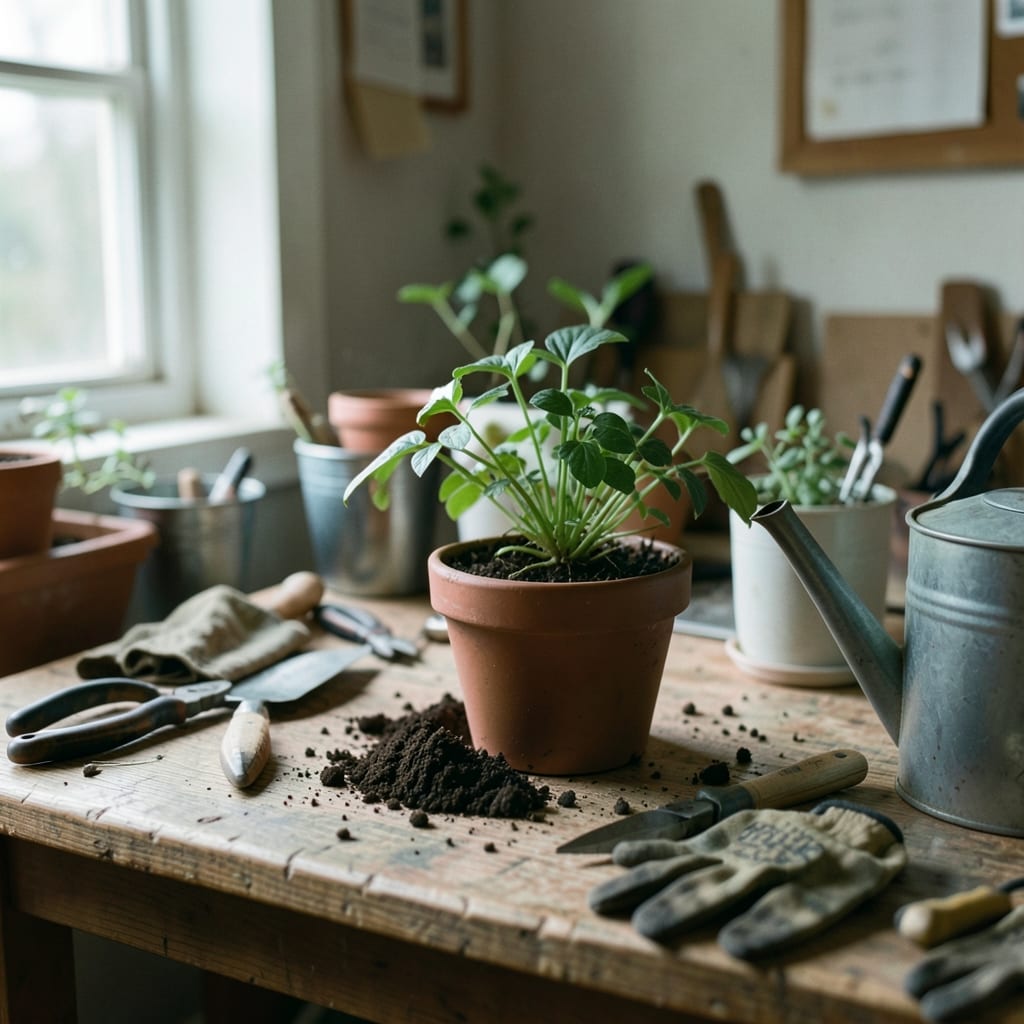
It started with a basil plant that kept dying
It was a single pot of Genovese basil, bought on impulse from a roadside stand in early May. The soil looked rich, the stems were plump, and the leaves smelled like summer the second I pinched one between my fingers.
I planted it in a terracotta pot—my grandpa’s old one, the one with the hairline cracks—and set it on the windowsill where the morning sun hit just right.
Three days later, the edges of the leaves curled inward like burnt paper. I watered it. Too much, maybe. The soil stayed damp for a week, and the roots turned black at the edges when I finally checked.
I replanted it in fresh potting mix, swore off the terracotta, and moved it to a bigger container. The leaves perked up for a day, then wilted again. This time, the stems grew thin and brittle.
I read every article I could find about basil care. ‘It needs six hours of sun,’ they said. ‘But not direct afternoon light.’ ‘It hates soggy soil.’ ‘It thrives in heat.’ So I adjusted: I moved the pot to a south-facing balcony, watered it only when the top inch of soil felt dry, and even tried misting the leaves like some guide suggested.
By June, the plant was a sad, stunted thing with yellowing leaves and no sign of the fragrant growth I’d imagined.
Nine tries before it worked
The first five attempts all followed the same script: I’d buy a new plant, adjust one variable—more sun, less water, a different pot—and watch it decline anyway. The sixth time, I gave up on store-bought basil and started with seeds.
I soaked them overnight, planted them in a tray of sterile mix, and kept them under a grow light. They sprouted, but the seedlings stretched toward the light like they were starving, their stems weak and leggy.
The seventh try was the worst. I moved the pot outside under a drip irrigation system my neighbor had lent me, convinced that automated watering would solve everything. Instead, the soil stayed damp for days, and mold crept up the stems. I lost three plants that week.
By the eighth attempt, I’d given up on terracotta entirely and switched to a black plastic container with drainage holes. Still, the basil struggled—this time, the leaves developed brown spots that spread like ink in water.
It wasn’t until the ninth try that I got it right. I planted the seeds in a wide, shallow container filled with a mix of potting soil and perlite, placed it in partial shade, and watered it by hand every other day. I also stopped touching the leaves.
No pinching, no misting, no fiddling. The basil grew fast—thick stems, glossy leaves, and by mid-July, it was heavy enough that I had to weigh down the pot so it didn’t tip over in the breeze.
The mind behind these pages
That basil was mine. I was the one who overwatered it, who moved it too often, who ignored the way the soil smelled wrong before the leaves even turned.
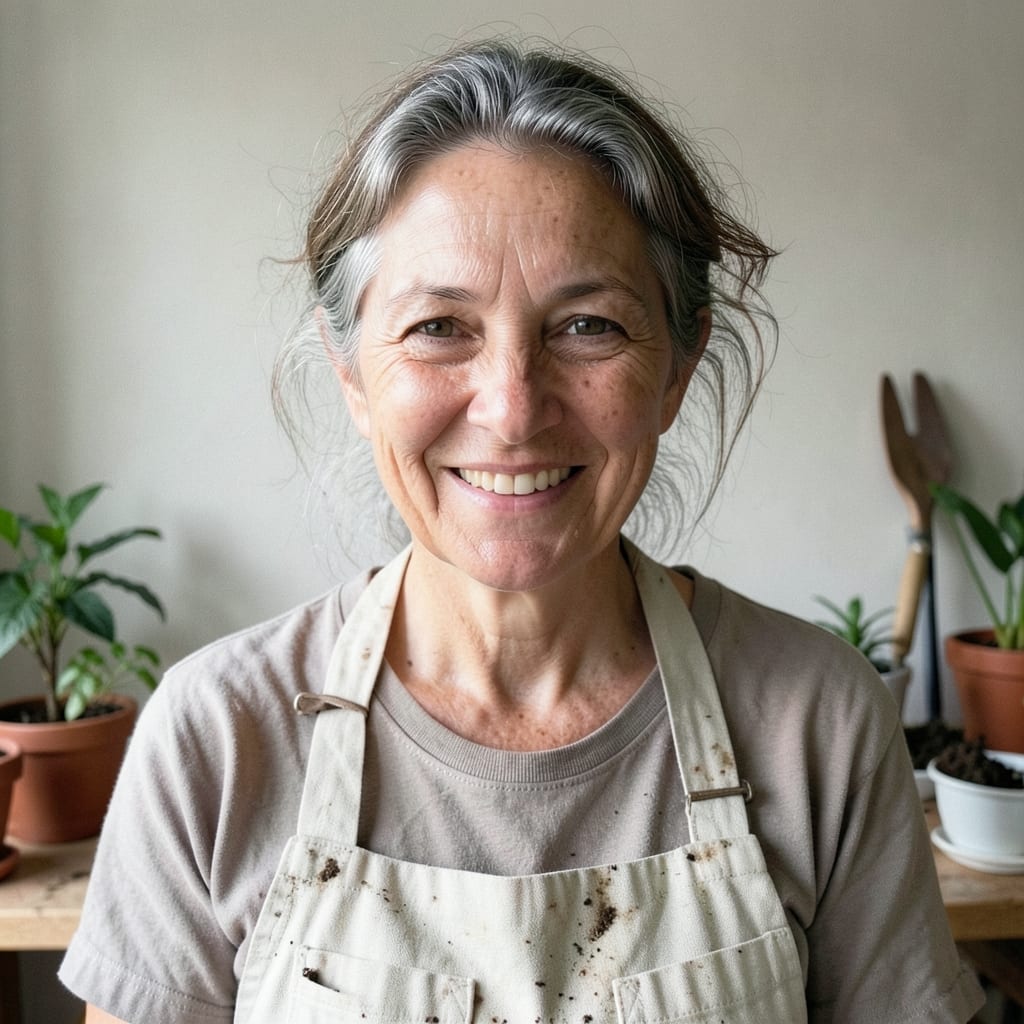
I’m Valerie Castellano, the founder of *Leaf At Home*, and I’ve been digging in dirt since I was old enough to reach the windowsill. My grandpa taught me that plants don’t just grow—they *remember*, in their roots and their leaves, every mistake you make with them.
I’m the kind of person who tries something nine times before giving up. It’s how I learned to ride a bike, how I fixed my first car, and how I’ve spent the last decade coaxing life out of stubborn seeds and broken soil.
My grandpa used to say I had ‘green thumbs’ because I was stubborn, not because I was good at it. And he was right—most of the time, the plants that survive are the ones that outlast my impatience.
I don’t garden for perfection. I garden for the way a tomato vine twists toward the sun, or how a patch of clover pushes through concrete just to prove it can. Those are the moments that keep me coming back, not the harvest.
This site is where I write down what I’ve learned—the hard way—about growing things that matter. And if the basil taught me anything, it’s that the only real failure is the one you don’t try again.
Everything here is written the way that basil was
Every article on this site starts with a plant that doesn’t work. Not because I set out to fail, but because that’s how you learn what a plant actually needs.
I test seeds in different soils, track how they react to light and water, and only write about what survives—not what *should* survive, or what some guidebook says is ideal. The basil didn’t care about my theories. It only cared about the conditions I gave it.
That’s why you’ll find real numbers here: how many inches deep the soil should be, how often to water, what happens when you ignore the warnings. And why every ‘tip’ is backed by a season of trial and error.
If I can’t say *I grew this and it worked*, then it’s not worth writing down.
Months after a page is published, I go back and update it. Maybe the basil thrived in one pot but struggled in another. Maybe a drought changed what it needed. The soil remembers, and so do I.
What that means for you
You’ll find no vague advice here—just what actually works, in real soil, with real hands. And if something doesn’t, you’ll know why. This site isn’t about growing perfect plants. It’s about growing *your* plants, the ones that survive your mistakes, your space, and your climate.
What you won’t find are paywalls, ads, or recipes for plants you’ll never grow. This is for the people who’ve killed a basil before, who’ve sworn off tomatoes after one bad season, or who just want to know what happens when you actually pay attention.
Send me a photo and a sentence about what you’ve tried. I’ll tell you what to try next—and whether it’s worth saving. Your struggles are the only ones that matter here.
The guides are grouped by category: Aphids, Blooming, Companion Plants, Container Gardens, Diseases and Fertilization.