
Pruning
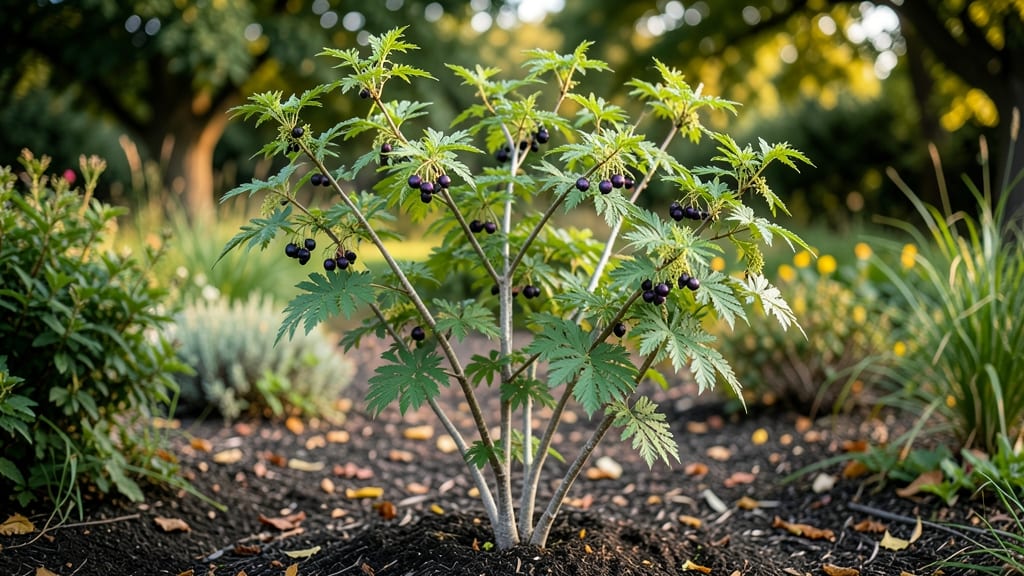
Pruning your fern leaf buckthorn tree transforms it from a scraggly shrub into a lush, year-round privacy screen. 🌿 I’ve pruned mine for five years now, and the difference between a neglected bush and a dense, vibrant hedge comes down to timing, technique, and a little patience.
The key is understanding how this tough native shrub responds to cuts—it rewards bold pruning with fresh, feathery foliage and clusters of dark berries that birds adore.
You’ll need sharp pruners, gloves (those thorns don’t play nice), and a clear morning to avoid stressing the plant. The best time to prune is late winter or early spring, just as new growth begins to swell.
For bushier growth, focus on cutting back one-third of the oldest stems each year—this encourages younger, more vigorous branches to fill in. Avoid heavy pruning in fall, as it can leave the plant vulnerable to winter dieback.
What you’ll end up with is a thriving, 6- to 10-foot-tall hedge that stays green all year, even in harsh winters. The fern-like leaves create texture, while the berries add a pop of color in late summer.
Plus, it handles wet soil like a champ—perfect for rain gardens or areas where other shrubs struggle. The trade-off? Those berries are irresistible to wildlife, so expect visits from birds and deer.
For best results, prune annually and fertilize lightly in early spring with compost or a balanced fertilizer. If you’re starting with an overgrown specimen, spread the pruning over two to three years to avoid shocking the plant.
Patience pays off—within a season, you’ll see that bushier, fuller growth you’ve been dreaming of.
📚 In This Guide
- What you need
- Instructions
- Tips and common mistakes
- Wrapping up and next steps
What you need
- ● Pruning shears (bypass or anvil type) – Choose sharp, high-quality shears (4–6" blade) for clean cuts. 1 pair is plenty for small trees.
- ● Loppers (for thicker branches) – Bypass loppers (8–10" blade) for branches ½"–1.5" thick. 1 pair recommended.
- ● Hand pruners (for fine trimming) – Bypass style for precision cuts. 1 pair for detail work.
- ● Pruning saw (if needed) – Curved-tooth saw for branches 2" thick or larger. 1 saw should suffice.
- ● Rubbing alcohol (70% or higher) – Small bottle (8 oz) to disinfect tools between cuts and prevent disease spread.
- ● Garden gloves (cut-resistant) – Heavy-duty leather or synthetic to protect hands from thorns and rough branches.
- ● Plastic bags or bucket – For collecting pruned branches. 1–2 large bags or a 5-gallon bucket works well.
- ○ Pruning sealant – Tree wound dressing (optional) for large cuts to reduce sap loss.
- ● Ladder or step stool – If your tree is 6+ feet tall. Ensure it’s stable and non-slip.
- ● Marking spray (paint) – Bright-colored spray to mark branches for removal before cutting.
- ● Safety goggles – Protects eyes from debris, especially when sawing thick branches.
- ● Notebook & pen – To jot down pruning notes or track growth patterns over time.
Instructions for pruning fern leaf buckthorn to encourage year-round fullness
Here's how I transform leggy buckthorn into a lush, rounded shrub that stays dense all season long.
✂️ Step 1: Time Your Pruning for Best Results
Prune your fern leaf buckthorn in late winter or early spring, just as new growth begins. This timing gives the plant the entire growing season to recover and fill out before winter. I avoid pruning in fall because new growth won't harden off properly before cold weather.
Look for swollen buds along the stems—these signal the plant is preparing to grow. That's your cue to start pruning. If you wait until leaves appear, you'll cut back some of the fresh new growth you want to keep. The goal is to shape before the plant puts energy into leaves.
✂️ Step 2: Cut Back to Encourage Branching
Make your first cuts about 1/3 of the way back on the longest stems. This forces the plant to produce new side branches from dormant buds below the cut. I use clean, sharp pruners to make cuts at a 45-degree angle, about 1/4 inch above a leaf node.
Don't worry about removing entire branches—focus on selective pruning. Aim to create an open center by removing only the 2-3 longest, leggiest stems from each section. This prevents that hollow look and encourages bushier growth from the base up. Watch for smaller side shoots emerging within 4-6 weeks after pruning.
✂️ Step 3: Shape for Balance and Airflow
Step back and examine your plant from all sides. The goal is a rounded, vase-like shape that lets sunlight reach all branches. Trim any crossing or rubbing branches first—they create wounds and reduce overall health. Then, cut back any stems growing inward to open up the center.
For a naturally full look, I leave the outer branches slightly longer than the inner ones. This creates that classic layered appearance. Use your hand as a guide—if you can't see light through the center, you've kept it too dense. Aim for a shape where you can see 50-70% of the center when looking through the plant.
✂️ Step 4: Light Maintenance Pruning Throughout the Year
After the main spring pruning, do a quick check every 4-6 weeks to remove any new leggy growth or dead branches. This keeps the plant looking tidy without overstressing it. I also trim back any branches that grow too long or start to look sparse.
In late summer, you can do a light shaping trim to prepare for winter. Remove any branches that grew too vigorously during the season. Avoid heavy pruning after mid-summer, as this can stimulate tender new growth that won't survive winter. The key is to keep the plant neat but not stressed.
💧 Step 5: Care After Pruning for Optimal Recovery
Water your buckthorn deeply after pruning to help it recover. The plant will need extra moisture as it puts out new growth. I give it about 1-2 gallons of water per foot of plant height, soaking the root zone thoroughly. This encourages strong root development to support all that new branching.
Don't fertilize immediately after pruning—wait until you see new growth appear. Then, apply a balanced, slow-release fertilizer to support the plant's recovery. The new shoots will be tender at first, so I keep an eye out for pests like spider mites. A light spray of water on hot days helps protect these vulnerable new leaves.
Tips & tricks for pruning fern leaf buckthorn to create year-round density
These game-changing insights will help you transform your leggy buckthorn into a lush, year-round beauty with minimal effort.
Timing Secret: The late winter/early spring window is critical because it gives your buckthorn the full growing season to recover and fill out. I've learned the hard way that pruning in fall can actually harm the plant—new growth won't have time to harden off before winter, leaving it vulnerable to frost damage. Look for those swollen buds as your cue to start, as they signal the plant's readiness to grow.
Cutting Technique: When making your 1/3 back cuts, use sharp pruners and make the cut at a 45-degree angle about 1/4 inch above a leaf node. This angle helps water run off the cut, preventing rot. I've found that making clean cuts encourages faster healing and reduces stress on the plant. Also, focus on removing only the 2-3 longest, leggiest stems—this selective approach prevents that hollow center look while encouraging bushier growth from the base.
Visual Cues for Perfect Shape: Step back and examine your plant from all sides to achieve that perfect rounded, vase-like shape. If you can't see light through the center, you've kept it too dense. Aim for a shape where you can see 50-70% of the center when looking through the plant. This open center allows sunlight to reach all branches, promoting even growth throughout the plant. For a naturally full look, leave the outer branches slightly longer than the inner ones.
Recovery Strategy: After pruning, water deeply to help your buckthorn recover and support new growth. I give about 1-2 gallons of water per foot of plant height, soaking the root zone thoroughly. This encourages strong root development to support all that new branching. Wait to fertilize until you see new growth appear—this ensures the plant has the energy to recover before putting effort into leaves.
Pro Tips for Fern Leaf Buckthorn Tree
- These game-changing insights will help you transform your leggy buckthorn into a lush, year-round beauty with minimal effort.
- Timing Secret: The late winter/early spring window is critical because it gives your buckthorn the full growing season to recover and fill out.
- Cutting Technique: When making your 1/3 back cuts, use sharp pruners and make the cut at a 45-degree angle about 1/4 inch above a leaf node.
Frequently asked questions
Got questions about pruning your fern leaf buckthorn tree for year-round bushiness? Here are some of the most common concerns—and their answers—to help you keep your shrub thriving!
When is the best time to prune fern leaf buckthorn?
Prune your fern leaf buckthorn in late winter or early spring (before new growth starts) for the best results. You can also do light pruning in summer to shape it, but avoid heavy cuts then. Pro tip: If you missed the spring window, don’t worry—just focus on shaping rather than major structural pruning.
How much can I prune back a fern leaf buckthorn?
You can safely prune up to one-third of the plant’s height in a single session, but avoid over-pruning. Fern leaf buckthorn responds well to moderate cuts—aim for 10-20% of the foliage per year to encourage bushier growth. Warning: Heavy pruning may stress the plant, so space it out over a few years if needed.
Why isn’t my fern leaf buckthorn growing bushier after pruning?
If your shrub isn’t filling out, check these factors:
- Pruning timing: Late spring/early summer pruning can stunt growth.
- Light exposure: Ensure it gets 6+ hours of sunlight daily.
- Soil health: Poor drainage or compacted soil can limit growth.
- Fertilizer: A balanced 10-10-10 fertilizer in early spring can help.
Can I use fern leaf buckthorn as a hedge? How often should I trim it?
Its dense foliage makes it perfect for hedges. For a formal hedge, trim it 2-3 times per year:
- Spring: Light shaping after flowering.
- Summer: Light maintenance to keep it tidy.
- Fall: Cleanup pruning before winter.
What are some alternatives to fern leaf buckthorn for bushy growth?
If you’re looking for similar low-maintenance, bushy shrubs, consider:
- Dwarf lilac (Syringa meyeri) – Fragrant and compact.
- Boxwood (Buxus) – Evergreen and highly adaptable.
- Abelia (Abelia x grandiflora) – Blooms year-round with minimal pruning.
- Oakleaf hydrangea (Hydrangea quercifolia) – Lush foliage and seasonal color.
Wrapping up and next steps
Mastering the art of pruning your fern leaf buckthorn tree is all about patience and precision—just like nurturing a thriving garden! 🌿 With the right tools, timing, and techniques, you’ll enjoy a lush, bushier tree year-round that adds beauty and structure to your landscape. Remember, consistency is key!
Ready to take the next step? Start small—pick one section to prune this weekend and observe how your tree responds. Over time, you’ll build confidence and create a stunning, well-maintained specimen. Happy pruning! ✂️🌱