
Pests and Diseases
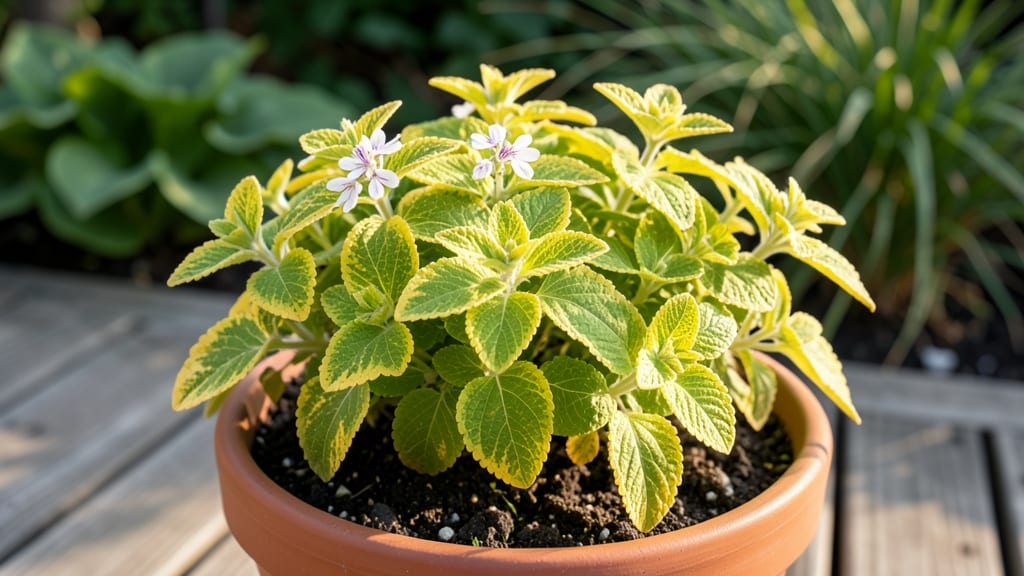
Growing Melissa officinalis 'Gold Leaf' means golden-edged foliage that smells like lemon and keeps pests away. 🌿 I fell in love with this plant after it transformed a shady corner into a fragrant, buzzing haven where mosquitoes never lingered.
The variegated leaves aren't just pretty—they're packed with citrusy aroma that doubles as natural pest control. This lemon balm thrives in partial shade, tolerates most soil types, and spreads happily whether you plant it from seed or divide clumps.
A single plant can cover 3 feet in a season, making it perfect for borders or container edges. The key is keeping it moist but not soggy, especially during its first growing season. By midsummer, you'll be harvesting leaves for tea, pest-repellent sprays, or simply enjoying the bright foliage.
The scent alone makes it worth growing—imagine walking past and catching that fresh lemon whiff every time. It's the kind of plant that works hard while looking effortless. Works beautifully in garden beds, hanging baskets, or even as a ground cover.
Once established, it's nearly indestructible and comes back stronger every year. Here's how to get started!"
📚 In This Guide
- What you need
- Instructions
- Tips and common mistakes
- Wrapping up and next steps
What you need
- ● Seeds or seedlings: Melissa officinalis gold leaf variety (check for organic or heirloom options for best results). Quantity: 5–10 seeds or 3–5 seedlings.
- ● Well-draining potting mix: High-quality organic soil blend (avoid heavy clay). Quantity: 2–3 gallons per pot or 1 cubic yard for in-ground planting.
- ○ Containers (optional but helpful): 5–7 inch pots (for seedlings) or
- ● 12+ inch pots (for mature plants).
- ● Fertilizer: Balanced organic fertilizer (10-10-10 or compost tea). Quantity: 1 tbsp per plant every 4–6 weeks.
- ● Mulch: Straw or shredded leaves to retain moisture and suppress weeds.
- ● Watering can or hose: With a gentle spray nozzle for seedlings.
- ● Pruning shears: Sharp, clean pair for harvesting and shaping.
- ● Garden gloves (to protect hands from sap and thorns).
- ● Epsom salt (for magnesium boost—1 tbsp per gallon of water, monthly).
- ● Pest deterrents: Neem oil or insecticidal soap (preventative measure).
- ● Sunhat and sunscreen (for sunny workdays!).
Step-by-step instructions for growing Melissa officinalis 'gold leaf'
This fragrant lemon balm thrives with minimal fuss—just follow these simple steps for lush, pest-repelling growth.
🌱 Step 1: Choose the Right Location and Soil
Melissa 'Gold Leaf' loves full sun to partial shade—at least 4-6 hours of sunlight daily. I plant mine where it gets morning sun and afternoon shade in hotter climates, which prevents leaf scorch while keeping the golden foliage vibrant. The soil should drain well but stay consistently moist; amending heavy clay with compost improves airflow to the roots.
Test your soil's moisture by squeezing a handful—it should hold together but not feel soggy. If your yard soil drains too quickly, mix in 2-3 inches of organic matter like leaf mold or well-rotted compost before planting. This variety tolerates a range of soil types but thrives best in slightly acidic to neutral conditions (pH 6.0-7.0).
🪴 Step 2: Plant at the Correct Depth and Spacing
Dig a hole twice as wide as the root ball but only as deep as it was in its container. This prevents burying the stem too deeply, which can cause rot. Gently remove the plant from its pot and loosen any circling roots with your fingers—this encourages outward growth rather than a tangled mess.
Space plants 18-24 inches apart to allow airflow and prevent fungal diseases. I like to plant mine in clusters of three for a bold golden display, but keep them at least 2 feet from other perennials since lemon balm spreads aggressively. Water the hole thoroughly before placing the plant in, then backfill with soil while pressing gently to eliminate air pockets.
💧 Step 3: Water Consistently and Mulch for Retention
Keep the soil evenly moist but never waterlogged—this variety's golden leaves wilt dramatically when thirsty. Water 1-2 inches per week, more in extreme heat, and always direct the stream at the base to avoid wetting the foliage (which can promote mildew). You'll know it's time to water when the top 1-2 inches of soil feel dry to the touch.
Spread 2-3 inches of organic mulch (like straw or shredded bark) around each plant, keeping it 2 inches away from the stem. This conserves moisture, suppresses weeds, and protects roots from temperature swings. The mulch will also break down slowly, feeding the plant over time—just replenish it annually in spring.
☀️ Step 4: Prune for Bushiness and Pest Control
Pinch back the tips of new growth in early spring to encourage compact, bushy plants with more golden foliage. I also cut back any leggy stems to 4-6 inches tall after flowering to maintain vigor and prevent self-seeding (which can become invasive). Use clean, sharp pruners and make cuts just above a leaf node to promote new growth.
Regular pruning also boosts the plant's natural pest-repelling properties—crush a few leaves and rub them on nearby plants to deter aphids, whiteflies, and even deer. The lemon-scented oils confuse pests while attracting beneficial insects like bees and ladybugs. Deadhead spent flowers in late summer to redirect energy into root growth for next year.
⏰ Step 5: Overwinter and Prepare for Next Season
Melissa 'Gold Leaf' is hardy to USDA Zone 4, but young plants may need winter protection in colder areas. After the first hard frost, cut back stems to 2-3 inches tall and spread 4-6 inches of mulch around the base. This insulates roots and prevents heaving during freeze-thaw cycles.
In early spring, remove the old mulch and check for signs of disease or pests. If you notice any yellowing leaves, it's often a sign of overwatering or poor drainage—amend the soil with more compost if needed. The plant will send up fresh growth by late April, and you can start harvesting leaves for tea or pest control by early May.
Tips & tricks for perfect Melissa officinalis 'gold leaf' growth
Here's what nobody tells you about growing this golden beauty—tricks that'll keep your lemon balm thriving and pest-free.
Sunlight Strategy: That 4-6 hours of sun recommendation is your sweet spot, but I've found the golden leaves actually intensify if you give them morning sun and afternoon shade in hotter climates. This prevents leaf scorch while keeping that vibrant golden hue. If you notice browning edges, you're getting too much direct afternoon sun.
Root Care Secret: When planting, I always loosen those circling roots before placing them in the hole—this prevents root bound growth and encourages outward expansion. After planting, press the soil gently around the base to eliminate air pockets, which helps establish strong root contact right away. This simple step makes all the difference in early growth.
Watering Wisdom: The 1-2 inches per week guideline works, but I check moisture by feeling the top 1-2 inches of soil—if it's dry, that's your cue. Water deeply at the base rather than sprinkling leaves, which prevents fungal issues. A soaker hose works perfectly for this—it delivers water right where the roots need it without wetting the foliage.
Pruning Payoff: That early spring pinch-back isn't just about shape—it triggers bushier growth with more vibrant golden leaves. I also cut back leggy stems to 4-6 inches after flowering, which prevents self-seeding and keeps the plant focused on foliage production. The crushed leaves make an amazing natural pest repellent too—just rub them on nearby plants for instant protection.
Pro Tips for Melissa Officinalis Gold Leaf
- Here's what nobody tells you about growing this golden beauty—tricks that'll keep your lemon balm thriving and pest-free.
- Sunlight Strategy: That 4-6 hours of sun recommendation is your sweet spot, but I've found the golden leaves actually intensify if you give them morning sun and afternoon shade in hotter climates.
- Root Care Secret: When planting, I always loosen those circling roots before placing them in the hole—this prevents root bound growth and encourages outward expansion.
Frequently asked questions
Got questions about growing Melissa officinalis (lemon balm) with its prized gold leaf varieties? Here are answers to the most common ones—so you can grow this fragrant, pest-repelling plant with confidence!
How do I encourage gold leaf in Melissa officinalis?
The golden foliage in Melissa officinalis varieties like 'Aurea' or 'Lemon Gold' is often a result of selective breeding and proper growing conditions. To enhance the golden hue, ensure your plant gets full sun (6+ hours daily) and well-draining soil. Avoid over-fertilizing with nitrogen-heavy feeds, as this can revert leaves to green. Prune regularly to promote airflow and sunlight penetration—this keeps the foliage vibrant and pest-free!
When is the best time to harvest gold leaf lemon balm?
Harvest Melissa officinalis leaves in the morning after the dew dries (around 8–10 AM) for the strongest fragrance and color. For gold-leaf varieties, aim to harvest younger leaves in late spring to early summer when the golden pigment is most intense. Avoid harvesting more than 1/3 of the plant at once to encourage regrowth and maintain its bushy, golden appearance.
Does gold leaf lemon balm repel pests as effectively as green-leaf varieties?
Yes! The citral and citronellal compounds in lemon balm—regardless of leaf color—are what deter pests like aphids, mosquitoes, and even deer. Gold-leaf varieties may have a slightly milder scent due to lower essential oil content, but they still work well as a companion plant. For maximum pest control, plant it near roses, tomatoes, or brassicas—just keep it pruned to avoid shading other plants.
Can gold leaf lemon balm survive winter, and how do I protect it?
Melissa officinalis is a hardy perennial (USDA zones 3–9), but gold-leaf varieties may need extra care in colder climates. In zones 3–5, mulch heavily with straw or leaves after the first frost to insulate roots. In zones 6–9, a light mulch is usually enough. If your plant dies back, don’t worry—it often regrows from the root in spring. Cut back dead stems in early spring to encourage fresh, golden growth!
What’s a good alternative if I can’t grow gold leaf lemon balm?
If your climate struggles with Melissa officinalis or you prefer other golden foliage, try these pest-repelling alternatives:
- Golden Oregano (Origanum vulgare 'Aureum') : Fragrant, drought-tolerant, and deters cabbage moths.
- Lemon Thyme (Thymus citriodorus) : Golden varieties like 'Golden Lemon' repel whiteflies and mosquitoes.
- Golden Marjoram (Origanum majorana 'Aureum') : Mild citrus scent that confuses pests like carrot flies.
All thrive in full sun to partial shade and are low-maintenance!
Wrapping up and next steps
Growing Melissa officinalis (lemon balm) with gold leaf is a rewarding way to add fragrance, beauty, and natural pest control to your garden—without harsh chemicals! 🌿 This hardy perennial thrives with minimal effort, offering year-round benefits for both your plants and your well-being.
Whether you’re a seasoned gardener or just starting out, its versatility makes it a must-have addition.
Ready to take the next step? Start with a small patch this season, experiment with companion planting, and soon you’ll enjoy a lush, pest-resistant garden that’s as delightful as it is functional. Happy growing! 🌱