
Planting
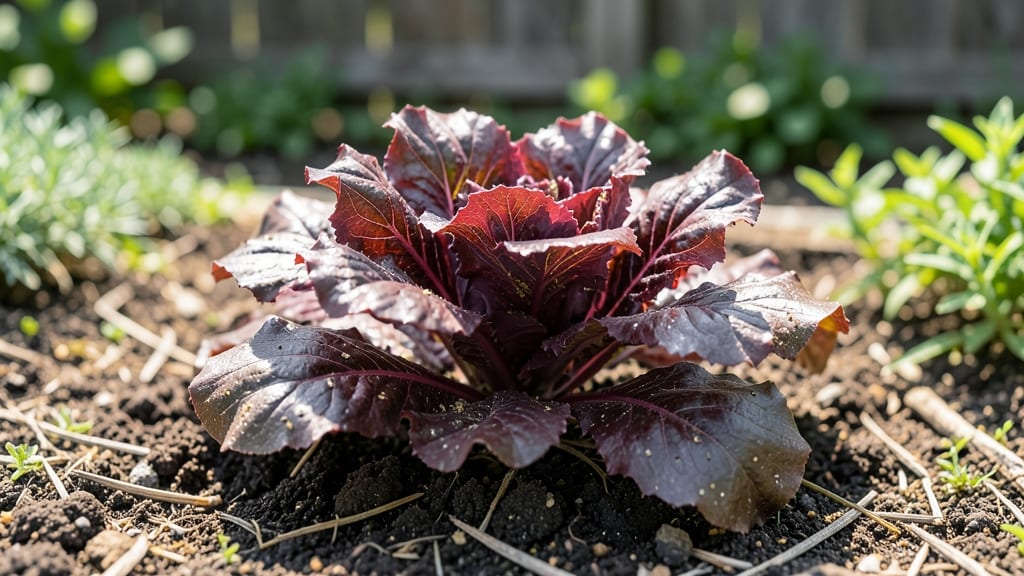
Growing red leaf lettuce plant in your garden means vibrant purple-red leaves that taste sweeter than store-bought. 🌱 I planted my first batch last spring and was shocked by how quickly those bold leaves filled my salads—60 days from seed to harvest—without any fancy equipment.
The secret is simple: cool soil, consistent moisture, and a spot with partial shade to prevent bolting. Most people overwater or plant too deep, which stunts growth.
I use a shallow tray with well-draining soil and keep it moist like a wrung-out sponge. Even beginners get lush, crisp leaves this way.
By harvest time, you'll have enough for salads, sandwiches, or garnishes—plus, the deep red leaves add stunning color to any garden bed. The plants stay productive for weeks if you pick outer leaves first, giving you a continuous supply.
Works perfectly in spring or fall when temperatures stay mild. Here’s how to avoid common pitfalls like slug damage or bitter-tasting leaves—trust me, your first harvest will be worth the effort!
📚 In This Guide
- What you need
- Instructions
- Tips and common mistakes
- Wrapping up and next steps
What you need
- ● Red leaf lettuce seeds: 1 packet (about 500 seeds) – choose a variety like Red Sails or Oakleaf for bold color.
- ● Seed-starting mix: 10–15 lbs of sterile, well-draining potting soil (or coco coir for sustainability).
- ● Containers: For seedlings: 2–3 small pots (4–6 inches deep) or a seed tray with cells.
- ● For transplanting: 1–2 larger containers (12–18 inches deep) or garden beds with loose, fertile soil.
- ● Watering can or spray bottle: With a fine mist setting for gentle watering.
- ● Fertilizer: Balanced organic fertilizer (e.g., 5-5-5) or compost tea for nutrient-rich soil.
- ● Gloves: To keep hands clean while handling soil.
- ● Trowel or small shovel: For transplanting seedlings.
- ○ Row cover or shade cloth (optional): 30–50% shade fabric to protect from intense sun.
- ○ Mulch (optional): Straw or shredded leaves to retain moisture and suppress weeds.
- ○ pH test kit (optional): To ensure soil pH is between 6.0–7.0 (ideal for lettuce).
Step-by-Step guide to growing vibrant red leaf lettuce
Here’s how to grow bold, crunchy red leaf lettuce in just 60 days—no fancy setup required.
🌱 Step 1: Pick the Perfect Spot and Prep the Soil
Red leaf lettuce thrives in cool weather and partial shade to avoid bolting (when it goes to seed too soon). Choose a location that gets 3-6 hours of morning sun and afternoon shade, especially in warmer months. If planting in containers, use pots at least 6 inches deep with drainage holes.
Loosen the soil to a depth of 12 inches and mix in 2-3 inches of compost to enrich it. Lettuce prefers soil with a pH between 6.0 and 7.0. If your soil is heavy clay, blend in some sand or perlite to improve drainage—lettuce roots hate soggy feet. A light sprinkle of balanced fertilizer (like 10-10-10) at planting time gives your greens a nutrient boost without overpowering them.
🌱 Step 2: Sow Seeds at the Right Depth and Spacing
Sow seeds ¼ inch deep—any deeper, and they’ll struggle to push through the soil. Space seeds 1 inch apart in rows that are 12-18 inches apart to allow airflow and prevent disease. I like to plant in a staggered pattern (like a checkerboard) to ensure even growth and easier harvesting later.
Keep the soil consistently moist but never waterlogged. Mist the seeds lightly with a spray bottle after planting, then cover the area with a thin layer of mulch (like straw) to retain moisture and keep weeds at bay. Seeds should sprout in 7-14 days, depending on temperature—watch for tiny green leaves breaking through the soil surface.
☀️ Step 3: Thin Seedlings and Protect from Pests
Once seedlings reach 2 inches tall and have their first true leaves (the bigger ones after the initial baby leaves), it’s time to thin them. Use scissors to snip unwanted seedlings at soil level—this prevents disturbing the roots of the plants you’re keeping. Leave seedlings 6-8 inches apart for full heads or 4-6 inches apart for cut-and-come-again harvests.
Red leaf lettuce is a magnet for slugs and aphids, so stay vigilant. Handpick slugs at night (they’re most active then) or set out beer traps (bury a shallow dish filled with beer—slugs crawl in and drown). For aphids, spray plants with a mix of water and a few drops of dish soap once a week as a preventive measure. Mulch around the base helps deter pests and keeps the soil cool.
💧 Step 4: Water and Fertilize for Maximum Color
Water lettuce 1 inch per week, either from rainfall or manual watering. Keep the soil evenly moist—lettuce is 85-95% water, so fluctuations cause bitter flavors and poor growth. Water at the base of the plant in the morning to reduce evaporation and fungal risks. Avoid wetting the leaves, as this can promote mildew.
Feed your lettuce with a low-nitrogen fertilizer (like fish emulsion or compost tea) every 3-4 weeks to encourage leafy growth and deep red color. Too much nitrogen leads to lush but pale leaves. If your lettuce starts to bolt (sending up a tall flower stalk), it’s too hot or stressed—provide afternoon shade immediately and harvest any mature leaves to prolong the harvest window.
✂️ Step 5: Harvest for Crunchy, Flavorful Leaves
You can start harvesting outer leaves when they reach 3-4 inches long. Use clean scissors or fingers to snip or pluck leaves just above a leaf node (where new growth emerges). This encourages the plant to keep producing more leaves. For a full head, harvest the entire plant at once when the leaves are 4-6 inches tall—they’ll be most tender and flavorful then.
Harvest in the morning after the dew has dried but before the sun gets too hot. Store loose leaves in a plastic bag in the fridge for up to 5 days, or wash and dry them thoroughly before storing. For continuous harvests, succession plant every 2-3 weeks—this ensures a steady supply of bold, red lettuce all season long.
Tips & tricks for perfect red leaf lettuce growth
Here's what nobody tells you about growing vibrant red leaf lettuce that'll make all the difference.
Soil Prep Secret: Before planting, test your soil pH with a simple kit—red leaf lettuce thrives between 6.0 and 7.0. If your soil is too acidic, sprinkle crushed limestone (about 1/4 cup per 10 square feet) and mix it in 2-3 weeks before planting. The right pH prevents nutrient deficiencies that cause pale leaves and stunted growth. I've seen lettuce turn nearly white when the pH was off by just 0.5 points!
Seedling Protection Strategy: In Step 3, when thinning seedlings, don't just pull them—use clean scissors to snip at soil level. This prevents disturbing the roots of your kept plants and reduces transplant shock. For extra protection against pests, create a DIY row cover using lightweight fabric or even an old bedsheet draped over small hoops. This keeps slugs and aphids at bay without chemicals.
Harvest Timing Tip: The 3-4 inch harvest size in Step 5 is perfect for tender leaves, but don't wait too long! Once leaves reach 5 inches, they start getting tougher and more bitter. I harvest every 2-3 days during peak growth to encourage continuous production. For full heads, wait until all leaves are uniformly 4-6 inches—this ensures maximum crunch and flavor. Morning harvests yield the freshest leaves since they've had overnight moisture recovery.
Color Boost Technique: To intensify that signature red color, add a pinch of Epsom salt (magnesium sulfate) to your watering can every 2-3 weeks. Just 1 teaspoon per gallon of water enhances chlorophyll production, making those leaves pop. This works especially well when combined with the low-nitrogen fertilizer mentioned in Step 4—together they create that vibrant hue we all love.
Pro Tips for Red Leaf Lettuce Plant
- Here's what nobody tells you about growing vibrant red leaf lettuce that'll make all the difference.
- Soil Prep Secret: Before planting, test your soil pH with a simple kit—red leaf lettuce thrives between 6.0 and 7.0.
- Seedling Protection Strategy: In Step 3, when thinning seedlings, don't just pull them—use clean scissors to snip at soil level.
Frequently asked questions
Got questions about growing your own red leaf lettuce? You're not alone!
Here are answers to the most common queries from gardeners just like you—whether you're a beginner or a seasoned green thumb.
How long does it take for red leaf lettuce to mature?
Red leaf lettuce is a fast grower—typically ready to harvest in just 50–60 days from seed! If you're starting with transplants, you might see edible leaves in as little as 30 days. For the best flavor and texture, wait until the outer leaves reach about 4–6 inches tall.
How much water does red leaf lettuce need?
Keep the soil consistently moist (but not soggy) for optimal growth. Water once or twice daily in hot, dry weather, aiming for about 1 inch of water per week. Avoid wetting the leaves to prevent disease. Pro tip: Use drip irrigation or water early in the morning to reduce evaporation and fungal risks.
Can I grow red leaf lettuce in containers or small spaces?
Red leaf lettuce thrives in containers as small as 6–12 inches wide, making it perfect for balconies, patios, or even windowsills. Just ensure the pot has drainage holes and use a lightweight potting mix. For faster growth, choose bush varieties or harvest leaves as they mature to encourage continuous production.
What pests should I watch out for, and how do I prevent them?
Common pests include aphids, slugs, and flea beetles. To protect your plants:
- Handpick slugs at night (they’re most active then!).
- Use row covers or neem oil spray for aphids.
- Apply diatomaceous earth to deter flea beetles.
- Rotate crops yearly to break pest cycles.
Pro tip: Plant nasturtiums nearby—they repel aphids naturally!
How do I harvest red leaf lettuce without killing the plant?
Red leaf lettuce is cut-and-come-again—you can harvest leaves outer to inner as they reach 4–6 inches tall. Use clean scissors or a knife to snip just above a leaf pair, leaving the center intact. This encourages regrowth for weeks! For a full head, cut the entire plant at the base when mature.
Can I grow red leaf lettuce in hot summer weather?
Red leaf lettuce prefers cool temperatures (50–70°F) and can bolt (go to seed) quickly in summer heat. To beat the heat:
- Plant in partial shade or use shade cloth (30–50% coverage).
- Opt for heat-tolerant varieties like ‘Blushing Baby’ or ‘Oakleaf.’
- Harvest early in the morning for crispier leaves.
- Consider succession planting in fall or spring for ideal conditions.
Pro tip: If your plants bolt, harvest the leaves before seeds form—they’re still edible and packed with nutrients!
Wrapping up and next steps
Growing red leaf lettuce is a rewarding journey that brings vibrant color and fresh, crisp greens to your table in just 60 days! 🌱 With the right soil, sunlight, and care, you’ll enjoy a bountiful harvest that’s perfect for salads, wraps, or garnishes.
Whether you’re a beginner or a seasoned gardener, this fast-growing plant proves that delicious results don’t require patience—just a little effort and enthusiasm.
Ready to dive in? Start by gathering your supplies and pick a sunny spot in your garden or balcony. The first leaf is just a seed away—happy planting! 🌟