
Leaf Blower
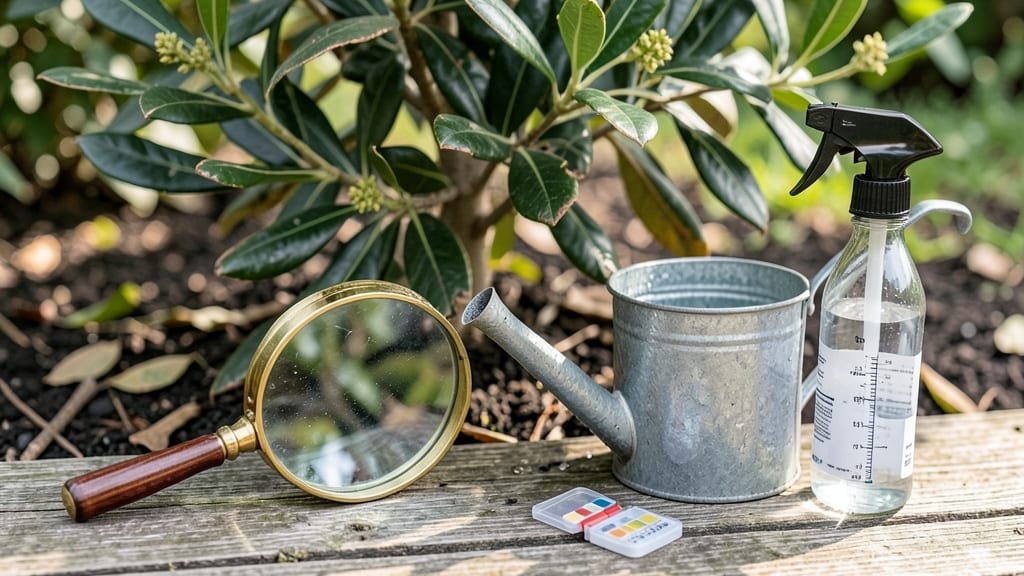
Your bay leaf tree leaves turning brown signals trouble—but it’s fixable. 🌿 The culprit is usually overwatering, but it could also be pests, fungal infections, or environmental stress. I’ve nursed back multiple bay trees from crispy edges to vibrant green, and here’s exactly how to diagnose and revive yours.
First, check the soil: if it’s soggy, you’re overwatering. Brown edges with yellowing underneath? That’s classic overwatering stress. But if the browning looks dry and papery, it’s underwatering or low humidity. Spider mites leave tiny yellow speckles, while fungal leaf spot creates dark spots with yellow halos.
Reviving your tree starts with adjusting watering—let the top inch dry out between waterings. Prune affected leaves to improve airflow, and treat pests or fungal issues with neem oil or insecticidal soap. Within 2-4 weeks, you’ll see fresh green growth pushing out if the roots are still healthy.
Prevent future browning by keeping your bay tree in bright, indirect light, maintaining humidity with a pebble tray, and fertilizing lightly every 6-8 weeks in growing season. The key is consistency—bay trees thrive when their needs match their Mediterranean roots.
Root Causes Of Browning Leaves
When your bay leaf tree’s leaves start turning brown, it’s often a cry for help from the plant itself. Understanding the why behind the discoloration is the first step to revival. Below, we break down the most common culprits—each with a clear scientific explanation and actionable insights to address them.
Bay leaf trees (Laurus nobilis) thrive in consistently moist but well-drained soil. Too much or too little water disrupts nutrient uptake and oxygen flow to the roots, triggering browning leaves.
- Overwatering:
Excess moisture suffocates roots, cutting off oxygen and leading to root rot (a fungal infection). Brown, crispy edges on leaves—especially on lower branches—are classic signs. Overwatering also dilutes soil nutrients, weakening the plant’s ability to produce chlorophyll.
- Underwatering:
Dry soil causes the plant to transpire faster than it can absorb water, leading to plasmolysis—when cells lose moisture and shrivel. Leaves turn brown and brittle, often starting at the tips and moving inward.
The soil may pull away from the pot edges, and leaves may feel papery to the touch.
💡 Pro Tip: Stick your finger 1-2 inches into the soil. If it’s damp, wait before watering. If dry, water deeply until it drains from the bottom. Bay leaf trees prefer 60-70% humidity—consider a humidity tray or misting in dry climates.
Bay leaf trees are sun-loving but heat-sensitive. Too much direct sun or sudden temperature swings can scorch leaves, causing them to brown and crisp.
- Sunburn:
Leaves exposed to intense afternoon sun (especially in hot climates) develop oxidative stress, where chlorophyll breaks down. Affected leaves turn yellowish-brown with dry, papery patches, often on the upper surface. Young leaves are most vulnerable.
- Cold Damage:
Temperatures below 20°F (-6°C) can cause cold shock, leading to brown, mushy, or blackened leaves. This is common in unhardened plants or those suddenly exposed to frost. Unlike sunburn, cold damage often starts on older leaves and may feel slimy.
- Windburn:
Strong, dry winds desiccate leaf surfaces, stripping moisture and causing brown, ragged edges. This is common in coastal or exposed gardens.
🌡️ Actionable Fix:
- Gradually acclimate your bay leaf tree to full sun (a process called hardening off), exposing it to 2-3 hours of morning sun before increasing duration.
- In hot climates, provide afternoon shade with a sheer curtain or shade cloth (30-50% coverage).
- For cold sensitivity, mulch the base with straw or wood chips to insulate roots and avoid late-season fertilizing, which encourages tender new growth.
- Use windbreaks (like burlap screens or hedges) to protect outdoor plants.
Bay leaf trees are heavy feeders and require a balance of nitrogen, phosphorus, potassium, iron, and magnesium. Deficiencies manifest as interveinal browning (brown patches between veins) or yellowing with brown tips.
| Deficiency | Visual Clues | Scientific Cause | Solution |
|---|---|---|---|
| Nitrogen (N) | Older leaves turn yellow-green first, then brown and crispy (a condition called chlorosis). New growth is stunted. | Nitrogen is crucial for chlorophyll production. Without it, the plant can’t synthesize proteins for leaf development. | Apply a balanced fertilizer (10-10-10) or compost in spring. Avoid over-fertilizing, which can burn roots. |
| Potassium (K) | Brown scorch marks on leaf edges (marginal burn) or yellowing between veins. | Potassium regulates water and nutrient transport. A deficiency disrupts osmosis, causing cells to lose turgor pressure and dry out. | Use a potassium-rich fertilizer (like banana peel tea or wood ash) or Epsom salt (for magnesium, which often accompanies K deficiency). |
| Iron (Fe) or Magnesium (Mg) | Yellowing between veins (chlorosis) with brown, dead patches in severe cases. Common in alkaline soils. | Iron and magnesium are chlorophyll-building blocks. In alkaline soils (pH >7.0), iron becomes unavailable to the plant. |
|
✨ Expert Tip: If your soil is alkaline, consider growing your bay leaf tree in a container with acidic potting mix (like a cactus/succulent mix amended with peat).
Bay leaf trees are susceptible to pests and fungal diseases, especially in humid or crowded conditions. Infestations often start subtly but escalate quickly, causing brown, spotted, or holes leaves.
- Spider Mites:
These tiny pests pierce leaf cells to feed on sap, causing stippled browning (tiny brown dots) and webbing on undersides. Severe infestations lead to leaf drop.
- Scale Insects:
Scale insects attach to stems and leaves, sucking sap and excreting honeydew (a sticky residue). This attracts so
Revive Your Bay Leaf Tree
If your bay leaf tree’s leaves are turning brown, don’t panic—there’s still hope! The key is identifying the root cause (which we covered earlier) and taking targeted action. Below, we’ll walk you through practical, step-by-step fixes for each common issue, plus prevention tips to keep your tree thriving.
Let’s get those leaves back to their vibrant green!
Signs: Yellowing leaves, brown edges, soggy soil, or a musty smell.
How to Fix It: 🔥 Step 1: Check the Soil Use your finger to test moisture 1–2 inches deep. If it’s damp, your tree is overwatered. If it’s bone-dry, you’ve been underwatering—both extremes cause stress.
🍳 Step 2: Adjust Your Watering Routine Bay leaf trees prefer moderate moisture but hate soggy roots. Water only when the top 1–2 inches of soil feel dry. In pots, ensure drainage holes are present, and use a well-draining potting mix (like a blend of peat, perlite, and sand).
👨🍳 Step 3: Improve Drainage If your tree is in a container, repot it into a larger one with fresh, aerated soil. For in-ground plants, consider amending the soil with compost or sand to improve drainage.
🥘 Step 4: Let It Dry Out If overwatered, stop watering immediately and let the soil dry out slightly before resuming. Place the pot on a tray of pebbles to lift it away from excess moisture.
💡 Prevention Tip: Water in the morning so excess moisture evaporates during the day. Avoid saucers that trap water—empty them after watering.
Signs: Crispy, brown leaf edges, especially on exposed or southern-facing leaves.
How to Fix It: 🔥 Step 1: Move It to Partial Shade Bay trees love bright, indirect light but can’t handle harsh afternoon sun. Gradually acclimate it to shade by moving it to a spot with dappled sunlight (like under a sheer curtain or near a north-facing window).
🍳 Step 2: Protect from Direct Sun If outdoors, provide afternoon shade with a lightweight shade cloth (30–50% coverage). For potted trees, rotate the pot weekly so all sides get even light.
👨🍳 Step 3: Increase Humidity Brown, crispy leaves often mean low humidity. Place the pot on a pebble tray with water or use a humidifier nearby. Mist the leaves gently in the morning to prevent fungal issues.
🥘 Step 4: Trim Damaged Leaves Use sterilized pruning shears to snip off severely browned leaves. This helps the tree focus energy on new growth.
💡 Prevention Tip: If moving indoors, avoid cold drafts (like near AC vents) or sudden temperature swings, which can stress the tree further.
Signs: Brown spots with yellow halos, black mold, webbing, or tiny bugs (like spider mites or scale).
How to Fix It: 🔥 Step 1: Identify the Culprit Inspect the undersides of leaves and stems. Fungal issues (like powdery mildew) look fuzzy, while pests leave sticky residue or tiny webs.
🍳 Step 2: Prune Infected Areas Cut off all browned or spotted leaves with clean shears. Dispose of them in a sealed bag (not your compost).
👨🍳 Step 3: Apply Natural Fungicides or Pesticides - For fungi: Spray with a neem oil solution (1 tsp neem oil + 1 tsp mild soap per quart of water).
Reapply every 7–10 days. - For pests: Wipe leaves with a soapy water cloth (1 tsp dish soap per gallon of water). For severe infestations, use insecticidal soap or horticultural oil.
🥘 Step 4: Improve Air Circulation Fungal spores thrive in humid, stagnant air. Space plants apart and avoid overcrowding. Use a small fan on low setting near the tree to keep air moving.
💡 Prevention Tip: Rotate leaves occasionally to ensure even airflow. Avoid wetting foliage when watering—aim for the soil instead.
Signs: Brown patches, wilting, or leaf drop near windows, vents, or doors.
How to Fix It: 🔥 Step 1: Find the Ideal Spot Bay trees prefer 60–75°F (15–24°C). Keep them away from:
- Cold drafts (AC, open windows, doors)
- Heat sources (radiators, fireplaces, direct sunlight)
🍳 Step 2: Adjust Indoor Conditions
- In winter: Keep away from heated or cooled air streams.
- In summer: Avoid placing near sunny south-facing windows without shade.
👨🍳 Step 3: Acclimate Gradually If moving outdoors, harden it off over 1–2 weeks by placing it in partial shade before full sun exposure.
🥘 Step 4: Monitor for Shock If leaves turn brown after a move, trim damaged foliage and keep the tree in stable conditions for a week.
💡 Prevention Tip: Use a thermometer near the plant to track temperature fluctuations. Ideal spots include east-facing windows or a few feet away from walls.
Signs: Overall yellowing (chlorosis), slow growth, or small, weak leaves.
How to Fix It: 🔥 Step 1: Test Your Soil Use a simple soil test kit (available at garden centers) to check pH and nutrient levels. Bay trees prefer slightly acidic to neutral soil (6.0–7.0 pH).
🍳 Step 2: Fertilize Properly
- For potted trees: Use a balanced liquid fertilizer (like 10-10-10) every 4–6 weeks in spring/summer. Dilute to half-strength to avoid burning roots.
- For in-ground trees: Apply compost or slow-release granules in early spring.
👨🍳 Step 3: Focus on Key Nutrients Bay trees need iron and magnesium for green leaves. If yellowing persists:
- For iron deficiency: Use an iron chelate supplement.
- For magnesium deficiency: Sprinkle Epsom salt (1 tbsp per gallon of water) monthly.
🥘 Step 4: Avoid Over-Fertilizing Too much fertilizer causes salt buildup, which burns roots. Flush the soil every few months by watering thoroughly to leach out excess salts.
💡 Prevention Tip: Feed lightly in fall/winter—growth slows, so the tree doesn’t need extra nutrients. Use organic matter (like worm castings) for long-term soil health.
Final Pro Tip: 🌿 Patience is key! Once you address the issue, new growth should appear in 4–8 weeks. Keep an eye on your tree’s progress and adjust care as needed.
With the right fix, your bay leaf tree will be back to its lush, green self in no time!
Frequently asked questions about bay leaf tree leaf browning
Why are my bay leaf tree leaves turning brown at the edges?
This is usually a sign of underwatering or low humidity. Bay leaf trees prefer 60-70% humidity, so crispy brown edges often appear when air is too dry. Check soil moisture first—if the top 1-2 inches are completely dry, water thoroughly. Place the pot on a pebble tray with water or use a humidifier nearby to help recover.
Can I save my bay leaf tree if the brown leaves are mushy and slimy?
Mushy, slimy leaves indicate root rot from overwatering or fungal infection. First, stop watering immediately and let the soil dry out. Repot the tree in fresh, well-draining soil and trim all affected leaves with sterilized shears. For severe cases, treat with a neem oil solution (1 tsp neem oil + 1 tsp mild soap per quart of water) to prevent further spread.
How do I know if my bay leaf tree has a pest problem?
Look for tiny spider webs on leaf undersides (spider mites) or sticky residue (scale insects or aphids). Brown stippling or holes in leaves are also red flags. Wipe leaves with a damp cloth using soapy water (1 tsp dish soap per gallon) and isolate the tree to prevent spreading. For stubborn infestations, use insecticidal soap every 5-7 days.
Will pruning brown leaves help my bay leaf tree recover?
Yes! Pruning severely browned leaves improves airflow and helps the tree focus energy on new growth. Use clean, sharp shears to cut just above a healthy leaf node. Avoid cutting into green tissue—only remove leaves that are 50% or more brown. Prune in the morning to allow wounds to dry quickly and reduce fungal risk.
How often should I fertilize a bay leaf tree with brown leaves?
If your tree shows signs of nutrient deficiency (yellowing between veins), use a balanced fertilizer (10-10-10) every 6-8 weeks during spring/summer. For brown tips from potassium deficiency, apply Epsom salt (1 tbsp per gallon of water) monthly. Always water thoroughly after fertilizing to prevent root burn. Avoid fertilizing in fall/winter when growth slows.