
Trees
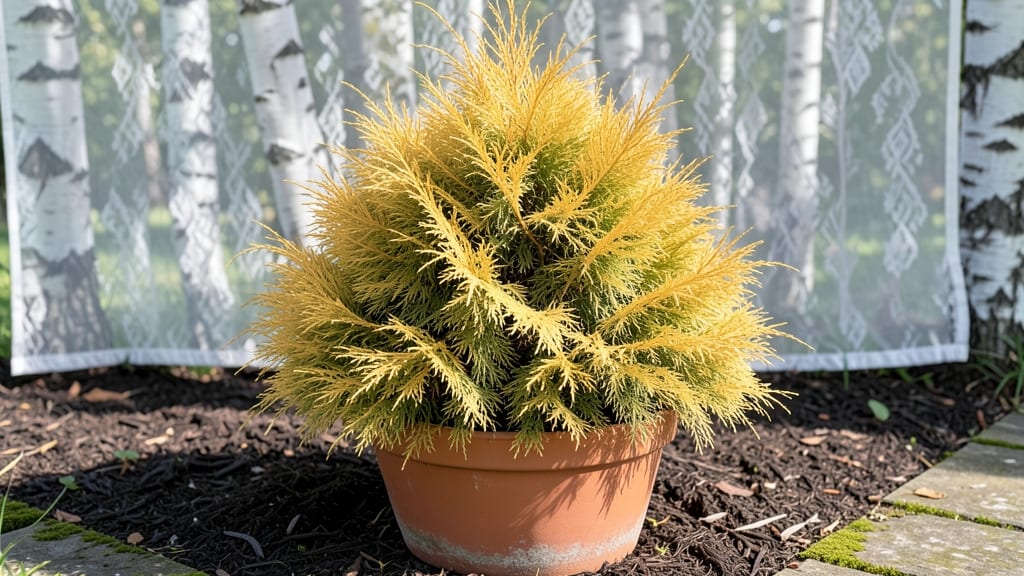
The golden mop threadleaf false cypress turns any yard into a sunlit sanctuary with its feathery golden foliage and effortless growth. 🌿 I fell for this tree the first time I saw it—it’s the perfect mix of ornamental beauty and low-maintenance practicality, especially for privacy screens that don’t require constant pruning.
This evergreen thrives in partial shade to full sun, making it adaptable to different landscapes. It loves well-draining soil but won’t fuss if you amend it with compost—just avoid soggy roots.
Watering is simple: keep it moist for the first year, then let nature take over as its deep roots establish. By planting one or two, you’ll create a lush, golden screen that stays vibrant year-round.
The compact shape means it fits tight spaces, and its natural density blocks noise and wind without looking overbearing. Plus, it’s deer-resistant, which is a bonus for country gardeners.
Whether you’re lining a fence, framing a patio, or adding height to a container, this tree delivers stunning color with minimal effort. Here’s how to make it thrive in your space!
📚 In This Guide
- What you need
- Instructions
- Tips and common mistakes
- Wrapping up and next steps
What you need
- ● Golden Mop Threadleaf False Cypress (Chamaecyparis lawsoniana 'Filifera Aurea'): 1-3 plants per 3-5 feet of space (depending on desired density)
- ● Size: 3-5 gallon containers (young plants) or 15-gallon+ (mature transplants)
- ○ Soil Amendments (optional but recommended): Compost or well-rotted manure (1-2 bags per plant)
- ● Slow-release fertilizer (e.g., 10-10-10, 1 lb per plant)
- ● Mulch: 3-4 inches of pine straw, cedar chips, or wood chips (1 cubic yard covers ~100 sq ft)
- ● Digging Tools: Shovel or spade (for planting holes)
- ● Garden trowel (for root adjustments)
- ● Measuring & Marking: Measuring tape (to space plants 3-5 feet apart)
- ● Stakes & twine (for layout planning)
- ● Watering Supplies: Garden hose with nozzle (or watering can for small plants)
- ○ Soaker hose (optional, for deep watering)
- ● Pruning Tools (for maintenance): Bypass pruners (for clean cuts)
- ● Loppers (for thicker branches)
- ● Hand saw (for large branches, if needed)
- ● Root stimulator (e.g., Mycorrhizal fungi or seaweed extract)
- ● Epsom salt (for magnesium boost in soil)
- ● Pest control (neem oil or horticultural oil for early prevention)
- ● Landscape fabric (to suppress weeds under mulch)
- ● Decorative stakes or labels (for plant identification)
How to plant and maintain golden Mop Threadleaf False Cypress
This elegant evergreen delivers year-round privacy with almost no upkeep—here's how to get it growing strong.
🌱 Step 1: Pick the Perfect Spot for Year-Round Beauty
Golden Mop thrives in full sun to partial shade, with at least 6 hours of direct light daily. I always plant mine where morning sun warms the foliage but afternoon shade prevents leaf scorch—think east-facing or dappled light spots. The golden hue fades in deep shade, so avoid north-facing walls entirely.
Check soil drainage before planting. Stick a shovel in the ground—if water pools after 30 minutes, amend with 2-3 inches of compost or plant on a slight mound. This tree hates soggy roots, and poor drainage will yellow the needles within weeks. Test the pH too: aim for 5.0-7.0—the needles turn dull brown if the soil is too acidic.
🪴 Step 2: Dig and Plant at the Right Depth
Dig a hole twice as wide as the root ball but only as deep as the container. Golden Mop roots are shallow but spread wide, so disturbing them too much stresses the plant. Gently remove the tree from its container and tease the roots outward if they're circling—just loosen them, don't force them apart.
Set the tree in the hole so the top of the root ball sits 1 inch above ground level. Backfill with native soil mixed with 1 part compost to improve texture. Water deeply to settle everything, then add a 2-inch layer of mulch around the base—but keep it 6 inches away from the trunk to prevent rot. I like pine bark mulch because it mimics the tree's natural woodland habitat.
☀️ Step 3: Water Deeply and Establish a Routine
Water 2-3 times per week for the first 6-8 weeks until the root ball is fully established. You'll know it's time when the soil feels dry 2 inches down. After that, Golden Mop becomes drought-tolerant, but don't let it go bone-dry—needles will turn crispy and brown if stressed.
Here's the trick: water deeply but infrequently. A slow drip system or soaker hose lets moisture penetrate 12 inches down without wetting the foliage. Avoid overhead watering—wet needles stay susceptible to fungal diseases all season long. Once established, you can cut back to every 2-3 weeks during dry spells.
✂️ Step 4: Prune Strategically for Shape and Health
Golden Mop's natural mop-like shape means minimal pruning, but I still clean up in early spring. Remove any dead, broken, or crossing branches first—cut just outside the branch collar where it meets the trunk. Never leave stubs, or they'll invite disease.
For shaping, I focus on the top third of the tree. Trim back 1/3 of the new growth after it's hardened off in late spring. Use clean, sharp pruners and make cuts at a 45-degree angle just above a leaf node. The tree responds beautifully to this light shaping, filling in denser over time. Skip heavy pruning—this isn't a hedge, and it won't recover well from harsh cuts.
🌿 Step 5: Fertilize Lightly for Golden Foliage
Feed once in early spring with a balanced 10-10-10 fertilizer at half strength. Spread the granules 6 inches away from the trunk and water deeply to activate them. The golden color intensifies with proper nutrition, but too much fertilizer causes rapid, weak growth that flops over in storms.
Skip fall fertilization entirely—new growth won't harden off before winter. I also avoid slow-release spikes, which can burn roots if the tree isn't actively growing. Watch the needles: if they darken or lose their golden hue, that's your cue to cut back on fertilizer. This tree thrives on neglect once established!
Tips & tricks for perfect golden Mop Threadleaf False Cypress
These simple tricks will help your privacy screen thrive with minimal effort—once you know the secrets.
Lighting Strategy: The 6 hours of direct light requirement is non-negotiable for that golden color, but here's the trick: if your yard gets intense afternoon sun, plant on the north side of a structure or use dappled shade from nearby trees. I've seen Golden Mops planted under oak trees where they get bright but indirect light all day—no leaf scorch, just vibrant foliage. The morning sun is what really makes the golden hue pop, so never compromise on those morning rays.
Drainage Test: That 30-minute water test is your best friend. If water pools after 30 minutes, you've got two options: either amend with 2-3 inches of compost (which improves drainage over time) or plant on a slight mound. I've had clients plant theirs on a 6-inch high mound of native soil mixed with compost—they've never had drainage issues since. The key is getting those roots elevated just enough to prevent waterlogging.
Root Care: When teasing those circling roots, think "gentle massage" not "root haircut." You're not trying to straighten them out completely—just loosen the outer edges so they can spread naturally. I've seen people aggressively pull roots apart, which actually causes more damage than good. The goal is to encourage outward growth, not create root shock. If you're planting in heavy clay soil, add a handful of perlite to the backfill mix to improve aeration.
Mulch Placement: That 2-inch layer of mulch might seem small, but placement matters just as much. Spread it in a donut shape around the base, keeping it 6 inches away from the trunk. This creates a perfect microclimate that retains moisture while preventing rot at the base. I've noticed that pine bark mulch breaks down more slowly than shredded wood, so it lasts longer between refreshes. Just remember to keep it loose—packed mulch can suffocate roots.
Pro Tips for Golden Mop Threadleaf False Cypress
- These simple tricks will help your privacy screen thrive with minimal effort—once you know the secrets.
- I've seen Golden Mops planted under oak trees where they get bright but indirect light all day—no leaf scorch, just vibrant foliage.
- Drainage Test: That 30-minute water test is your best friend.
Frequently asked questions
How fast does this tree grow, and when can I expect full privacy?
The Golden Mop Threadleaf False Cypress grows at a moderate rate of 12–24 inches per year. With proper care, it can reach 10–15 feet tall in 5–7 years, offering a dense, lush screen. For faster results, plant multiple trees in a staggered row or consider temporary screening (like lattice panels) while it matures.
Is pruning really minimal, or do I still need to trim it?
One of the biggest perks of this tree is its low-maintenance nature! You’ll only need light pruning to shape it occasionally (every 2–3 years) or remove dead/diseased branches. Avoid heavy trimming—the Golden Mop thrives on its natural, feathery form. Pro tip: Prune in late winter or early spring for best results.
How much water does it need, and can it handle drought?
While drought-tolerant once established, young trees need regular watering (1–2 times per week) for the first year. After that, deep watering every 2–3 weeks (or during dry spells) keeps it happy. Golden Mop loves well-drained soil—if your area has heavy clay, amend with compost or mulch to retain moisture.
Are there any alternatives if I want a similar look but faster growth?
If you’re impatient for privacy, consider these fast-growing evergreens:
This tree is highly resistant to pests and diseases, but keep an eye out for:
For a Golden Mop look with speed, try ‘Green Giant’ Arborvitae—it’s a close cousin!
What pests or diseases should I watch for?
Prevention tip: Mulch around the base (but not touching the trunk) to deter weeds and retain moisture.
Wrapping up and next steps
The Golden Mop Threadleaf False Cypress is a standout choice for year-round privacy, blending beauty with low-maintenance care. With its golden foliage, adaptability to various climates, and minimal pruning needs, it’s a dream for both novice and experienced gardeners. 🌿
Ready to transform your outdoor space? Start by selecting the perfect spot, ensuring it meets the tree’s sunlight and soil needs. Then, plant it with confidence—your future privacy screen (and stunning landscape feature) is just a few steps away! Happy gardening! 🌱