
Vegetables
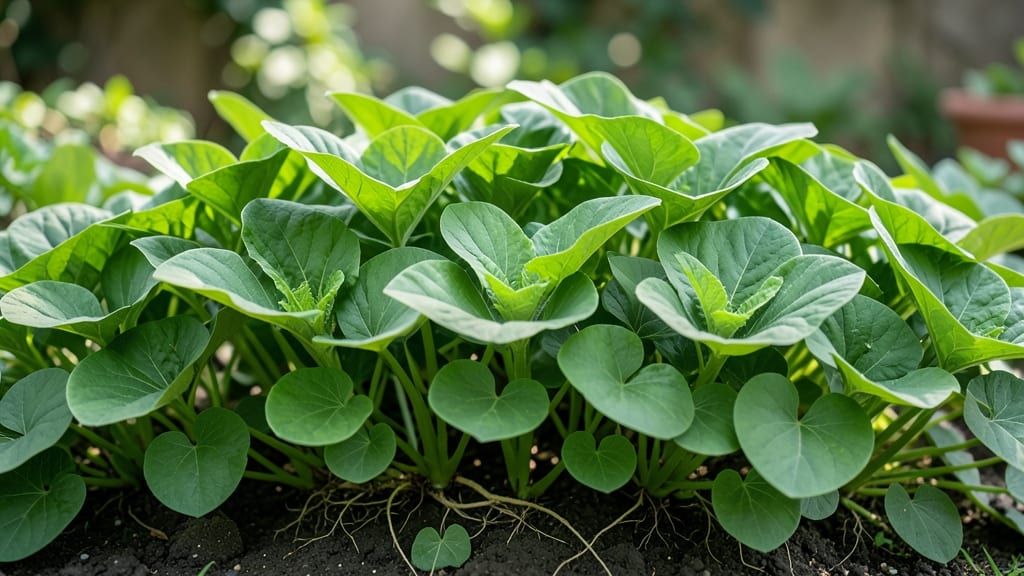
A green leaf background instantly elevates photography and design by introducing organic texture, visual depth, and natural contrast. Fresh leaves bring vibrant pops of color, while dried varieties add earthy, muted tones—both work beautifully when layered creatively for portraits, product shots, or graphic layouts.
Green leaf backgrounds transform ordinary compositions into dynamic visuals by breaking up flat surfaces and introducing movement. 🌿 For photography, broad leaves like eucalyptus create bold contrasts against skin tones, while delicate ferns add softness to delicate subjects.
In design projects, layering different leaf types—such as glossy ivy and matte oak leaves—creates depth that flat colors can't match. The key is balancing saturation: too many bright leaves can overwhelm, while muted tones add sophistication to professional layouts.
Whether you're working with real foliage or digital overlays, lighting plays a crucial role. Natural sunlight enhances the natural hues, while studio lights with diffusers soften shadows for a polished look.
For DIY setups, consider using fabric or foam boards behind leaves to prevent light leakage and maintain clean edges. This approach keeps your background professional while letting the organic elements shine.
💡 In This Article
- Choosing the Right Green Leaf Backgrounds for Photography
- DIY Green Leaf Background Setups for Design Projects
Choosing the right green leaf backgrounds for photography
Leaf selection fundamentally alters the mood and focus of your composition. Broad leaves like eucalyptus, with their glossy surfaces and deep green hues, create striking contrasts against light skin tones in portraits or pale products in still life shots.
Their waxy texture reflects light differently than matte leaves, adding subtle highlights that draw the eye. Delicate ferns, on the other hand, introduce fine texture and softness—ideal for capturing delicate subjects like flowers or jewelry where you want to emphasize intricate details without competition.
The color saturation of leaves directly impacts your image's emotional tone. Fresh mint-green leaves (like basil or young oak) inject vibrancy, perfect for energetic branding or spring-themed shoots, while aged, yellowing foliage adds warmth and nostalgia to autumnal or vintage projects.
For consistency, artificial foliage offers durability—especially in studio settings where natural leaves may wilt under hot lights. High-quality silk leaves mimic real textures with 90% less maintenance, though they lack the subtle variations found in nature. 🌿
Lighting reveals the true potential of leaf backgrounds. Natural sunlight enhances the natural chlorophyll colors, but for controlled results, use a softbox diffuser at 5600K to prevent harsh shadows. Position your light source at a 45-degree angle to accentuate the leaf veins and create dimensionality.
For close-up work, consider a ring light to maintain even illumination across the entire leaf surface. The key is balancing light intensity—too bright, and the leaves lose their organic texture; too dim, and they blend into the background.
Consider the subject's color palette when selecting leaves. For example, deep burgundy leaves (like Japanese maple) create dramatic contrast against white or light-colored subjects, while light lime-green leaves complement pastel tones without competing.
In product photography, the leaf's texture can enhance perceived quality—think of how a velvety ivy leaf makes a ceramic vase appear more artisanal. The right leaf choice transforms a simple background into a storytelling element that elevates your entire composition.
Seasonal variations offer creative opportunities. Spring leaves are tender and bright, perfect for fresh, youthful aesthetics, while autumn leaves develop rich, complex colors that add depth to moody winter scenes. For year-round consistency, preserve leaves by pressing them between books for 2-4 weeks or using a leaf press kit.
This technique maintains their shape while developing a natural parchment-like texture that adds historical charm to vintage-inspired photography.