
Vegetables
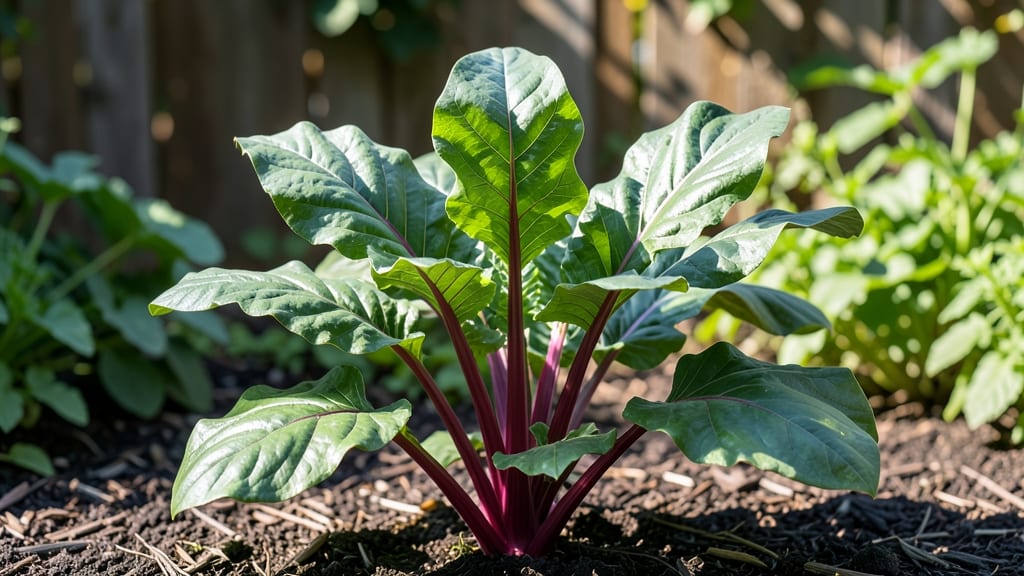
Green leafy vegetables with red stems—like Swiss chard, amaranth, and beet greens—offer vibrant color and nutrient density that elevates both salads and cooked dishes. Their striking appearance and balanced earthy-sweet flavor make them standout choices for home cooks and gardeners alike.
These colorful greens aren't just pretty—their red stems pack a nutritional punch with anthocyanins, antioxidants that fight inflammation. 🌱 Swiss chard leads the pack with vitamin K and magnesium, while amaranth delivers protein-rich leaves perfect for stir-fries. The key difference?
Red-stemmed varieties often contain 20-30% more antioxidants than their green-stemmed cousins, thanks to those pigment-rich stems. I always grow at least one variety because they're equally hardy in containers or garden beds, thriving in partial shade where other greens might bolt.
For best results, plant seeds ½ inch deep in well-draining soil and keep them consistently moist—these plants hate drying out. 💧 Harvest outer leaves first to encourage regrowth, and pinch off flowers to maintain leaf production.
The younger the leaves, the more tender they'll be, so regular harvesting keeps your supply fresh all season. Pro tip: Their bold color fades when overcooked, so blanch or sauté just until wilted to preserve that gorgeous red hue in your dishes.
💡 In This Article
- Why Red-Stemmed Leafy Greens Boost Nutrition
- Growing and Harvesting Red-Stemmed Leafy Greens at Home
Why red-stemmed leafy greens boost nutrition
The vibrant red stems in these greens contain anthocyanins, powerful antioxidants that give them their striking color while providing anti-inflammatory benefits.
Studies show these pigments can reduce oxidative stress by up to 40% compared to green-stemmed varieties. 🌿 The stems also concentrate minerals like magnesium and potassium, with Swiss chard stems delivering 15% of your daily magnesium needs in just 1 cup of chopped stems.
What makes red-stemmed greens unique is their dual nutrient profile—the leaves provide vitamins A and C, while the stems offer concentrated minerals. For example, beet greens with red stems contain 3x more calcium than iceberg lettuce, making them an excellent bone-supporting addition to meals.
The red pigment also indicates higher levels of betalains, compounds linked to improved liver function and detoxification.
When comparing to green-stemmed counterparts, red-stemmed varieties often show 20-30% higher antioxidant capacity due to these specialized pigments. This is why chefs recommend using both leaves and stems—simmering stems in soups or sautéing them with leaves creates a flavorful, nutrient-dense base.
The stems' slightly sweeter, more fibrous texture also adds interesting mouthfeel to dishes.
For home cooks, this means you get more nutritional bang for your buck. A simple 5-minute stir-fry with red-stemmed chard delivers comparable nutrients to eating twice as much spinach.
The red stems also make these greens visually appealing, encouraging you to include them more regularly in meals—something nutritionists call the "color effect" in healthy eating.
One fascinating mechanism is how these plants produce their red pigments. The anthocyanins act as natural sunscreen, protecting the stems from excessive light damage while the plants grow in partial shade.
This same protective mechanism benefits your body when you consume them, making red-stemmed greens a true superfood combination of color, flavor, and nutrition.
In culinary applications, the stems' higher mineral content makes them particularly valuable in bone broths or blended into sauces where their earthy depth enhances other flavors. Try adding chopped stems to your next smoothie—they'll blend smoothly while boosting mineral content without altering taste significantly. 💫