
Pests and Diseases
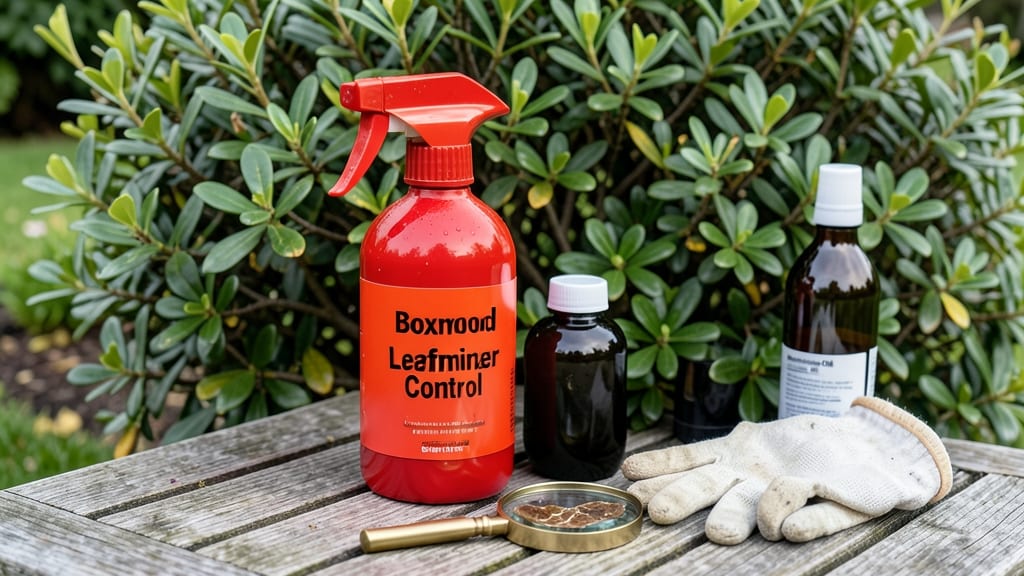
Your boxwoods’ crispy, skeletonized leaves aren’t a lost cause—an effective insecticide for boxwood leafminer can turn them around without harsh chemicals. The boxwood leafminer might be the culprit, but organic sprays like neem oil can bring them back to life.
I’ve saved dozens of shrubs using simple, targeted treatments that work in just a few weeks.
The problem starts when tiny white larvae tunnel through leaves, leaving behind telltale white trails and brown, papery patches. Most gardeners panic and reach for strong pesticides, but the real fix is timing: apply sprays in early spring or fall when larvae are most vulnerable.
A homemade mix of neem oil and insecticidal soap does the job just as well as synthetic options.
By mid-summer, your boxwoods will look full and vibrant again—no more crispy, lifeless branches. The key is consistency: repeat sprays every 7-10 days until new growth appears. Plus, healthy soil and proper pruning keep these pests from coming back year after year.
Whether you’re dealing with a single shrub or a whole hedge, this method works for all boxwood varieties—and it’s safer for pollinators than chemical sprays. Let’s get those leaves lush and green again!
Root Causes of Leafminer Damage
Boxwood leafminers (Monarthropalpus buxi) don’t just appear out of nowhere—they thrive due to a mix of environmental, plant health, and ecological factors. Understanding these triggers helps you take proactive steps to prevent future infestations and protect your prized boxwoods.
Let’s break down why these tiny pests turn your lush greenery into a crispy mess.
Boxwood leafminers are opportunistic pests—they target stressed or weakened plants first. When boxwoods are already struggling, their defenses drop, making them an easy meal. Here’s why this happens:
- Poor Soil Nutrition: Boxwoods need well-draining, slightly acidic soil rich in organic matter. If your soil lacks nitrogen, phosphorus, or micronutrients, the plant becomes vulnerable. Think of it like a human with a vitamin deficiency—weak immune system, anyone?
- Overwatering or Drought Stress: Too much water leads to root rot, while drought weakens the plant’s ability to fight off pests. Leafminers detect these signs and move in.
- Competition for Resources: Overcrowded boxwoods or those shaded by larger plants struggle to photosynthesize efficiently. This stress signals to leafminers that the plant is an easy target.
Actionable Fix: Conduct a soil test to check pH and nutrient levels. Amend soil with compost or slow-release fertilizer, and ensure proper drainage. If your boxwoods are overcrowded, thin them out to improve airflow and light exposure.
Leafminers are cold-hardy but thrive in specific weather patterns. Their lifecycle accelerates when conditions are just right, leading to explosive populations. Here’s what fuels their growth:
- Mild Winters: In colder climates, leafminers often overwinter as pupae in leaf litter or soil. If winters are unusually warm, they emerge earlier and in larger numbers.
- Warm Springs and Summers: Temperatures between 60–85°F (15–29°C) are perfect for leafminer activity. Prolonged heat waves speed up their reproduction cycle.
- High Humidity: Moist conditions help leafminer larvae survive longer and increase their feeding efficiency. This is why infestations often spike after rainy seasons.
Actionable Fix: Monitor local weather forecasts and apply preventive insecticides (like neem oil or horticultural oils) before warm, humid conditions arrive. Prune and remove fallen leaves in late fall to disrupt overwintering sites.
In a balanced ecosystem, leafminers face predators like parasitic wasps, lacewings, and birds. But when these natural controls are missing—due to pesticide overuse or habitat disruption—the pests multiply unchecked. Here’s how it happens:
- Broad-Spectrum Pesticides: Chemicals like carbaryl or synthetic pyrethroids kill beneficial insects along with pests, creating a vacuum that leafminers rush to fill.
- Monoculture Landscaping: Planting only boxwoods (or other host plants) removes diversity, which reduces predator populations that rely on varied food sources.
- Urban or Suburban Isolation: In heavily developed areas, natural predators may be absent due to lack of wild habitats nearby.
Actionable Fix: Avoid broad-spectrum pesticides and opt for targeted, organic solutions like Bacillus thuringiensis var. kurstaki (Btk) or insecticidal soaps. Introduce pollinator-friendly plants (like dill, fennel, or marigolds) to attract beneficial insects.
Many gardeners miss the first signs of leafminer activity, allowing infestations to spiral out of control. Here’s how delayed action worsens the problem:
- Mistaking Symptoms for Disease: Early leafminer damage (tiny white blotches or serpentine mines) can resemble fungal issues or nutrient deficiencies. Without correct identification, treatments fail.
- Waiting Too Long to Act: Leafminers are most vulnerable as larvae. If you wait until you see silvering or browning leaves (a late-stage sign), the damage is already severe.
- Inconsistent Monitoring: Adult leafminers are tiny (1–2mm) and easily overlooked. Without regular inspections (especially on the undersides of leaves), you might not spot them until it’s too late.
Actionable Fix: Inspect boxwoods weekly during growing season, focusing on new growth. Use a magnifying glass to check for eggs (tiny white specks) or early mines. Act at the first sign—early intervention with organic sprays is far more effective than treating a full-blown infestation.
Quick Fixes for Boxwood Leafminer Damage
If your boxwoods are looking more like crispy snacks than lush greenery, it’s time to take action. Boxwood leafminers can turn your prized shrubs into sad, skeleton-like shadows—but don’t worry!
With the right approach, you can revive them and keep future infestations at bay. Below, we break down the most effective solutions, from immediate fixes to long-term prevention.
The sooner you catch boxwood leafminers, the easier they are to control. Look for these red flags:
- Tunneling trails: Wavy, brown lines under the leaf surface (like tiny highways).
- Wilting or yellowing leaves: A sure sign larvae are munching away inside.
- Frass (poop): Tiny black specks on leaves—yep, it’s as gross as it sounds.
How to fix it: 👨🍳 Prune the worst leaves – Snip off heavily infested leaves with clean pruners and dispose of them in a sealed bag (not your compost!). This removes the larvae’s hiding spots and food source. 🔪 Scrape off eggs – In early spring (before larvae hatch), inspect new growth and scrape off tiny white eggs with a soft brush or your fingernail. Drop them in soapy water to kill them.
If your boxwoods are already under siege, organic insecticides can save the day without harsh chemicals. Here’s what works best:
| Solution | How to Use | Best Time to Apply |
|---|---|---|
| Neem Oil Spray | Mix 1–2 tbsp neem oil + 1 tsp mild soap in 1 gallon of water. Spray thoroughly (top and bottom of leaves). | Early morning or late evening (avoid direct sun). Apply every 7–14 days until infestation clears. |
| Spinosad (Organic Option) | Follow label instructions—usually 1–2 applications, 7–10 days apart. | Late afternoon (reduces harm to bees). |
| Insecticidal Soap | Spray a diluted solution (1.5–2% potash soap) directly on larvae and eggs. | On calm days (wind can reduce effectiveness). |
| Kaolin Clay | Mix with water (1–2 lbs per gallon) and spray as a protective barrier. | Before larvae hatch (spring) or after pruning. |
💡 Pro Tip: For severe infestations, combine neem oil + kaolin clay for a double-layered defense. The clay repels adults, while neem oil smothers larvae.
An ounce of prevention is worth a pound of cure—especially when dealing with persistent pests like leafminers. Here’s how to fortify your boxwoods:
🌡️ Boost Plant Health
- Water deeply but less often: Overwatering stresses plants, making them more susceptible. Aim for 1–1.5 inches of water per week.
- Feed with balanced fertilizer: Use a slow-release, organic fertilizer in early spring to encourage strong growth.
- Mulch properly: Apply 2–3 inches of organic mulch (like shredded bark) to retain moisture and deter pests.
🎯 Disrupt Their Life Cycle
- Encourage natural predators: Ladybugs, lacewings, and parasitic wasps love leafminers. Plant companion flowers like dill, fennel, or marigolds nearby to attract them.
- Remove debris: Leafminers overwinter in fallen leaves and mulch. Clean up around your boxwoods in late fall.
- Prune strategically: Thin out dense foliage to improve airflow and make it harder for larvae to hide.
✨ Barrier Methods
- Floating row covers: If you’re dealing with a new planting, use lightweight fabric to block adult moths from laying eggs.
- Sticky traps: Place yellow sticky traps near boxwoods to catch adult moths before they infest.
With these targeted fixes, your boxwoods can bounce back faster than a superhero in slow motion. Start with pruning and organic sprays for immediate relief, then layer in prevention to keep those leafminers from crashing the party again. Your shrubs will thank you—with lush, crispy-free leaves!
Frequently asked questions
Can I use neem oil on boxwoods in hot weather?
Neem oil works best when applied in early morning or late evening to avoid leaf burn from direct sun. During hot weather, reduce concentration to 1 tablespoon per gallon of water and reapply every 7 days until the infestation clears. Always test a small leaf first to check for sensitivity.
How do I know if my boxwoods have leafminers vs. another pest?
Leafminers create wavy brown trails inside leaves (visible when held up to light) and leave tiny black frass (poop) specks on the surface. Unlike spider mites (which cause stippling) or aphids (sticky residue), leafminers tunnel between leaf layers. Use a magnifying glass to spot eggs or larvae.
Are chemical insecticides safe for boxwoods?
Synthetic options like acephate or bifenthrin can kill leafminers but may harm beneficial insects and require reapplication every 2-3 weeks. For long-term health, organic sprays (neem oil, spinosad) are safer and just as effective. Always follow label rates to avoid phytotoxicity.
Will pruning alone stop a leafminer infestation?
Pruning removes visible damage but won't eliminate larvae already inside leaves. Combine it with insecticidal sprays for best results. Remove heavily infested leaves first, then treat remaining foliage with neem oil. Repeat weekly until new growth appears.
Can I reuse last year's insecticide spray?
Never reuse old insecticides—even if stored properly. Organic sprays like neem oil degrade over time and lose effectiveness. For chemical options, follow expiration dates strictly. Always mix fresh solutions using the manufacturer's current instructions for best results.