
Pests
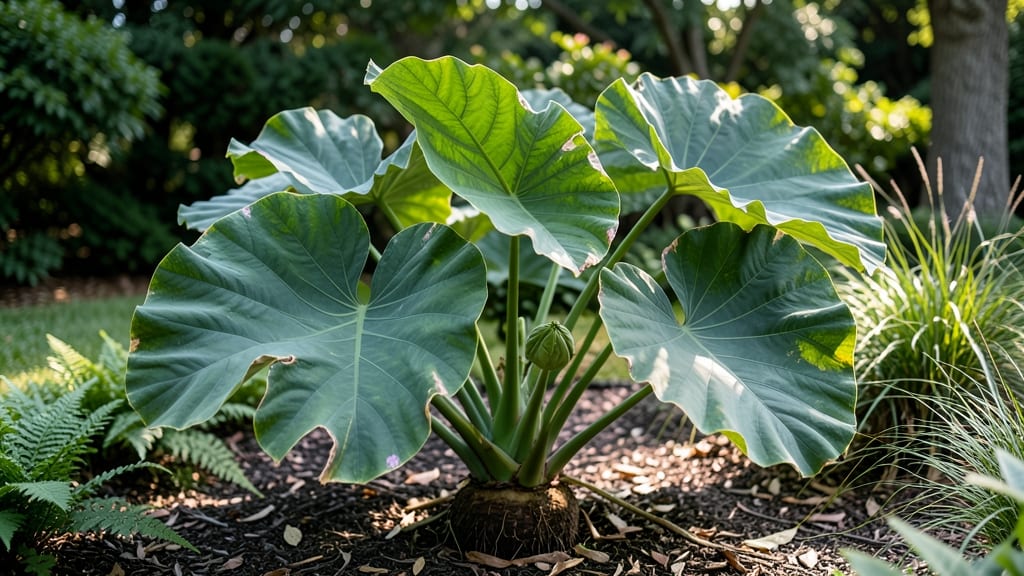
That large round-leaf weed—the dandelion-like invader spreading faster than kudzu? 🌱 I’ve wrestled with it in my own yard—it’s not just ugly, it’s a fast lawn invader that crowds out grass and flowers. The good news? You can outsmart it with the right tools and timing.
Most of these weeds—like dollarweed or broadleaf plantains—thrive in thick, moist soil. Pulling them by hand works early in the season, but deeper roots mean you’ll need a digging fork or vinegar spray for stubborn patches. The key is acting before they seed.
By mid-summer, you’ll see fewer sprouts and more grass reclaiming space. The secret? Consistent removal and preventive mulching to block sunlight from new seeds. No chemicals needed—just elbow grease and patience.
Works for lawns, garden beds, and even sidewalk cracks. Let’s tackle this together—your grass will thank you.
Root Causes Behind Unwanted Growth
If your lawn is being overtaken by large, round-leafed plants that resemble dandelions, you’re not alone—this is a common frustration for homeowners. But why does this happen? The answer lies in a mix of environmental factors, lawn care habits, and even the hidden strengths of these resilient plants.
Let’s break down the key reasons behind their rapid spread.
Watering your lawn too frequently or too deeply can turn it into a buffet for large-leafed weeds. These plants thrive in moist, saturated soil because:
- Deep root systems: They absorb excess water efficiently, outcompeting grass roots that struggle in waterlogged conditions.
- Shallow soil exposure: Overwatering weakens grass, leaving bare spots where weeds germinate and spread unchecked.
- Fungal growth: Excess moisture encourages fungal diseases in grass, further thinning your lawn and giving weeds more space to invade.
Actionable fix: Water deeply but infrequently—aim for 1–1.5 inches per week (including rain) and let the top inch of soil dry out between waterings. Early morning is ideal to reduce evaporation and fungal risks.
Large-leafed weeds like those in your lawn often flourish in shaded or partially shaded areas. Here’s why:
- Grass struggles in low light: Most lawn grasses need 6+ hours of direct sunlight daily to photosynthesize effectively. Without it, grass weakens, while shade-tolerant weeds (like certain broadleaf types) thrive.
- Dense canopies block sunlight: Tall trees or overgrown shrubs cast deep shade, creating microclimates where weeds dominate.
- Weeds adapt faster: Many broadleaf weeds have broader leaves that capture more diffuse light, giving them an edge in shady spots.
Actionable fix:
- Thin out dense foliage (e.g., trees, shrubs) to improve sunlight penetration.
- Choose shade-tolerant grasses like fine fescue or zoysia if full sun isn’t an option.
- Mow higher (3–4 inches) to help grass shade out weeds naturally.
Weeds don’t just pop up—they’re often fed by imbalances in your soil. Large-leafed varieties, in particular, benefit from:
- Excess nitrogen: While nitrogen promotes grass growth, too much (from fertilizers or organic matter like clippings) can fuel weed growth instead. Weeds like these often have faster metabolism rates than grass, soaking up extra nutrients quickly.
- Low phosphorus/potassium: Grass needs a balanced NPK ratio (nitrogen-phosphorus-potassium) to stay healthy. If phosphorus or potassium is lacking, grass becomes stressed and vulnerable to weed invasion.
- Organic buildup: Thatch or decomposed plant matter can create a soft, nutrient-rich layer where weed seeds germinate easily.
Actionable fix:
- Test your soil (DIY kits or lab tests) and adjust fertilizers to match grass needs—typically a low-nitrogen, high-potassium blend in late summer/fall.
- Aerate compacted soil to improve nutrient distribution and reduce thatch buildup.
- Use corn gluten meal (a natural pre-emergent) in early spring to starve weed seeds.
Any disruption to your lawn’s surface—whether from foot traffic, pets, or equipment—creates entry points for weeds. Large-leafed varieties exploit these gaps because:
- Bare soil = easy germination: Weed seeds lie dormant until they sense disturbed soil, which signals an opportunity to sprout.
- Compacted areas limit grass recovery: Heavy foot traffic or machinery compacts soil, smothering grass roots and leaving room for weeds to take over.
- Thin spots spread: One damaged patch can quickly expand if weeds aren’t removed, as their roots and seeds spread aggressively.
Actionable fix:
- Repair bare spots with grass seed (choose a type matching your existing lawn) and a thin layer of compost.
- Use stepping stones or mulch on high-traffic paths to protect grass.
- Reseed or sod damaged areas immediately—don’t let weeds establish.
Some regions and soil types are simply more hospitable to large-leafed weeds. For example:
- Cool, moist climates: Areas with high humidity and mild winters (like the Pacific Northwest or Northeast) create ideal conditions for weeds like dandelions or plantain, which can spread via wind or water.
- Clay or sandy soils:
- Clay: Poor drainage leads to waterlogging, weakening grass and favoring weeds.
- Sandy: Lacks nutrients and retains little moisture, making grass struggle while weeds adapt quickly.
- pH imbalances: Soil that’s too acidic (low pH) or alkaline (high pH) can prevent grass from absorbing nutrients, leaving it vulnerable to weeds.
Actionable fix:
- Amend soil with organic matter (compost, peat moss) to improve texture and drainage.
- Test soil pH and adjust with lime (to raise pH) or sulfur (to lower pH) as needed.
- Choose native grasses adapted to your local climate and soil type.
How to Treat & Prevent Leafy Invaders
Now that you know why those stubborn, round-leafed weeds keep popping up in your lawn, it’s time to tackle them—for good. Whether they’re creeping in due to poor soil, overwatering, or neglect, these solutions are practical, effective, and designed to save you time and effort.
Below, we’ve matched common causes with direct fixes, plus prevention tips to keep your lawn lush and weed-free.
Problem: Excess moisture creates the perfect breeding ground for fast-growing weeds like broadleaf plants.
Solution:
- Adjust your watering schedule 💧: Water deeply 2–3 times per week (early morning is best) instead of daily light sprinkles. Aim for 1–1.5 inches per week—including rain.
- Improve drainage 🏗️:
- Aerate compacted soil in spring or fall using a core aerator (rent one if needed).
- Add 1–2 inches of compost or sand to heavy clay soil to help water absorb better.
- Install French drains or swales in low-lying areas if water pools persistently.
- Test your soil 📊: A simple pH test (available at garden centers) will tell you if your soil is too acidic or alkaline—adjust with lime (to raise pH) or sulfur (to lower it) as needed.
Prevention Tip: 💡 Install a rain gauge to monitor water levels accurately—overwatering is the #1 mistake homeowners make!
Problem: Weeds thrive where grass struggles—whether from shade, foot traffic, or poor seed quality.
Solution:
- Reseed bare spots 🌱:
- Choose dense, shade-tolerant grass seed (like fine fescue or creeping red fescue) for high-traffic or shady areas.
- Sprinkle seed evenly, then lightly rake and cover with ¼-inch of compost.
- Keep soil moist (not soggy) for 2–3 weeks until germination.
- Overseed the entire lawn 🌾 (best in early fall):
- Use a drop or slit seeder for even coverage.
- Fertilize with a starter mix (high in phosphorus) to encourage root growth.
- Reduce foot traffic 🚶♂️: Designate a path or use stepping stones to protect high-traffic areas.
Prevention Tip: ✨ Mow high (3–4 inches) to shade out weeds and strengthen grass roots—taller grass = fewer opportunities for invaders!
Problem: Weeds take over when grass lacks the nutrients or space to grow.
Solution:
- Aerate + top-dress 🏗️:
- Rent a core aerator and go over the lawn in late summer or early fall.
- Spread ½-inch of compost or a slow-release fertilizer (like 10-10-10) over the aeration holes.
- Lightly rake to blend it in, then water thoroughly.
- Add organic matter 🍂:
- Spread leaf mold, composted manure, or peat moss (2–3 inches) over the lawn in fall.
- Let it decompose naturally—this improves soil structure over time.
- Use a pre-emergent herbicide (if needed) 🛡️:
- Apply corn gluten meal (a natural, weed-blocking fertilizer) in early spring to prevent seeds from sprouting.
- For chemical options, choose pre-emergent herbicides labeled for broadleaf weeds (apply before weeds appear).
Prevention Tip: 🌡️ Fall is the best time to fertilize—cool weather helps nutrients absorb deeper into the soil.
Problem: Extreme light conditions stress grass, leaving gaps for weeds to move in.
Solution:
- For shady areas 🌳:
- Plant shade-tolerant ground covers like creeping thyme, clover, or moss to fill gaps.
- Thin out overhanging tree branches to let dappled sunlight reach the lawn.
- For sunny, dry spots ☀️:
- Choose drought-resistant grasses like Bermuda or Zoysia.
- Install drip irrigation to deliver water directly to roots without runoff.
- Mulch around trees/shrubs 🌿:
- Apply 3–4 inches of wood chips or straw to suppress weeds and retain moisture.
Prevention Tip: 🎯 Avoid thick mulch piles right up against your lawn—keep them 6+ inches away to prevent smothering grass.
Problem: When weeds are already established, you need a two-pronged attack.
Solution:
- Hand-pull or smother 👨🍳:
- Pull weeds when soil is moist (easier to remove roots).
- Use a weeding tool or hula hoe for large patches.
- Smother with cardboard or newspaper (wet it down) over bare spots, then cover with mulch.
- Spot-treat with herbicides 💊:
- For broadleaf weeds, use a selective herbicide (like 2,4-D) on a calm, dry day.
- Avoid granular herbicides if you have pets/kids—opt for liquid formulations applied with a pump sprayer.
- Reapply as needed (follow label instructions).
- Vinegar spray (natural option) 🍶:
- Mix 1 gallon white vinegar + 1 oz dish soap in a spray bottle.
- Spray directly on weeds (avoid grass—it’ll kill it too!).
- Works best on small, young weeds in sunny conditions.
Prevention Tip: ⏰ Pull weeds in the morning when they’re turgid (full of water)—they’re easiest to remove!
Final Reminder: Consistency is key! Weeds don’t disappear overnight, but with proactive care, your lawn will crowd them out naturally. Start with one or two fixes this season, then build from there—your green thumb will thank you!
Frequently asked questions
What are the most common types of large round-leaf weeds in lawns?
You'll likely encounter dandelions, broadleaf plantains, or pennywort—all with those signature round leaves. Dandelions spread via wind, while plantains creep along the ground. Dollarweed (with coin-shaped leaves) thrives in moist areas. Identify them by leaf shape and growth pattern to target removal.
Is it safe to use vinegar spray on these weeds?
Yes, but with caution! A 1:1 vinegar-water mix with dish soap kills weeds on contact, but it's non-selective—it'll damage grass too. Apply only to weeds in sunny conditions (vinegar works best with direct sunlight). For lawns, spot-treat small patches or use a shield to protect surrounding grass.
When is the best time to pull weeds for maximum effectiveness?
Early morning is ideal—soil is moist from dew, making roots easier to extract. For persistent weeds like plantains, pull when they're young (before they develop deep roots). In hot climates, late afternoon works too, but avoid pulling after rain when soil becomes compacted.
Will herbicides actually solve my weed problem long-term?
Herbicides provide quick results but rarely solve the problem permanently. They kill existing weeds, but new seeds will sprout unless you address soil conditions. For lasting control, combine herbicides with soil improvement (aeration, compost) and preventive measures like corn gluten meal to block future germination.
How can I tell if my "weeds" are actually beneficial plants?
Some round-leaf plants are helpful! Clover fixes nitrogen in soil, dandelions attract pollinators, and creeping Charlie (a ground cover) can be managed rather than eradicated. Look for plants with deep roots that improve soil—these may be worth keeping in small quantities while removing aggressive spreaders.