
Pests
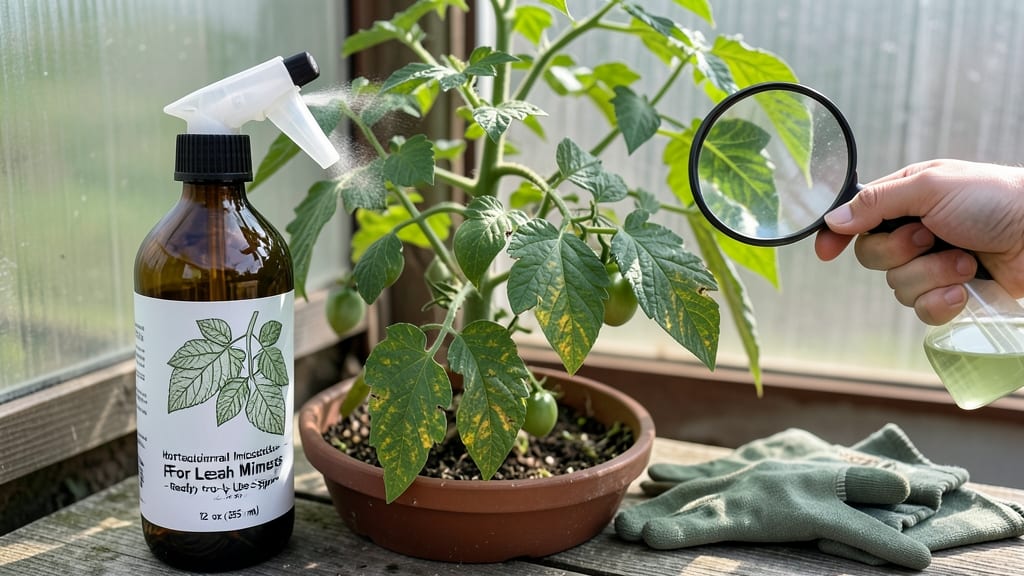
A copper-based insecticide is your first line of defense against leaf miner control—those sneaky pests that turn your plants' leaves into a maze of serpentine trails. 🌿 I've seen firsthand how quickly these tiny larvae can skeletonize foliage, but copper gives you a natural, effective way to stop them before they ruin your harvest. The key is acting fast, because once those mines form, the damage is done.
Leaf miners love tender new growth, so timing matters: apply copper spray early spring when leaves first unfurl, then again after harvest to protect next year's plants. Mix it right (1 tablespoon per gallon of water) and spray undersides thoroughly—where the larvae hide.
It's not instant, but with 3-4 applications spaced 7-10 days apart, you'll see a dramatic drop in new mines within weeks.
What you'll notice is healthier leaves staying vibrant green instead of yellowing, and fewer adults laying eggs on fresh growth. Copper works by creating a protective film that larvae can't penetrate, while being safe enough for organic gardens when used properly.
The trade-off? It's not a cure-all—you'll still need to remove heavily damaged leaves to prevent secondary infections.
For stubborn cases, pair copper with neem oil or horticultural oil for extra protection, but always follow label rates. The real secret? Prevention—healthy plants with proper spacing and regular pruning give leaf miners fewer chances to take hold.
Start with copper, and you'll be ahead of the game before the pests even arrive.
The Hidden Triggers Behind Leaf Miners
Leaf miners aren’t just random pests—they’re drawn to specific conditions that turn your plants into their perfect buffet. Understanding these triggers helps you disrupt their life cycle before they cause real damage. Here’s why these tiny invaders show up when they do:
Leaf miners thrive where plants are weak. When your garden or greenhouse is overcrowded, poor air circulation creates a damp, humid microclimate—ideal for miner moths to lay eggs. Additionally, plants under stress (from drought, nutrient deficiencies, or transplant shock) produce softer, more vulnerable leaves, making them easier targets.
- Why it matters: Stressed plants can’t mount a strong defense, and miners exploit this by tunneling through weakened tissue.
- Actionable fix: Space plants properly (follow spacing guidelines for each variety) and monitor soil moisture to keep roots healthy.
Leaf miners start as eggs laid by tiny moths (often Liriomyza or Phytomyza species). These moths are attracted to new growth—especially tender, young leaves—and prefer plants with a thin, waxy cuticle. Eggs hatch in 3–7 days, and the larvae immediately burrow into the leaf, creating the telltale serpentine mines.
- Why it matters: Moths are most active during warm, humid evenings, and their presence is often unnoticed until the damage appears.
- Actionable fix: Inspect the undersides of leaves at dusk (use a magnifying glass) and remove any eggs or newly hatched larvae manually.
Leaf miners love warmth and moisture. Temperatures between 70–85°F (21–29°C) and high humidity accelerate their life cycle, allowing them to go from egg to adult in as little as 2–3 weeks. Greenhouses, conservatories, and shaded outdoor areas create the perfect environment for outbreaks.
- Why it matters: Faster development means more generations per season, leading to exponential damage.
- Actionable fix: Improve ventilation in greenhouses, avoid overhead watering (which increases humidity), and use shade cloth in hot climates.
Not all plants are equal in the eyes of leaf miners. They have specific favorites, including:
- Herbs (basil, dill, parsley)
- Vegetables (beans, cucumbers, peppers, tomatoes)
- Ornamentals (ibiscus, roses, viburnum)
- Citrus and other tender perennials
Miner moths use plant scent and chemical cues to locate hosts. If you’ve grown the same susceptible plants year after year, you’re essentially inviting them back for a repeat performance.
- Why it matters: Miners adapt to local plant populations, so repeated infestations often mean the same species keeps returning.
- Actionable fix: Rotate crops annually and interplant with miner-resistant varieties (e.g., marigolds or nasturtiums, which may deter moths).
Pro Tip: 💡 Early detection is key. Regularly scout for eggs (tiny white specks on leaf undersides) and early mines (thin, silver trails). Catching miners before they mature reduces the need for heavy-duty insecticides later.
Practical ways to stop leaf miners
Leaf miners can turn your lush garden into a patchwork of damaged foliage, but the good news is that effective, eco-friendly solutions exist—especially when you act early. Below, we’ll map out cause-specific fixes, from organic sprays to cultural tweaks, so you can reclaim your plants without harsh chemicals.
Prevention tips are woven in to keep miners at bay for good!
Cause: Early-stage infestations or repeated outbreaks in organic gardens. Solution: Copper-based insecticides (like copper sulfate or copper hydroxide) create a protective barrier that disrupts leaf miner larvae without harming beneficial insects.
How to Apply: 🔥 Mix it right: Follow label instructions—typically 1–2 tablespoons of copper sulfate per gallon of water (or use pre-mixed copper hydroxide sprays). 🍳 Spray at dawn or dusk (when bees are least active) to avoid harming pollinators. 👨🍳 Cover both sides of leaves—larvae hide beneath the surface, so thorough coverage is key. ⏰ Reapply every 7–14 days or after heavy rain, as copper washes off.
Pro Tip: 💡 For extra stickiness, add a drop of honey or molasses to the spray mix—it helps the copper adhere longer and deters miners.
Cause: Small, newly hatched larvae that haven’t burrowed deep into leaves. Solution: Neem oil interferes with leaf miners’ feeding and growth cycles, smothering eggs and young larvae.
How to Apply: 🔥 Dilute properly: Mix 1–2 teaspoons of neem oil + ½ teaspoon mild soap (as an emulsifier) per quart of water. 🍳 Spray until leaves glisten—focus on new growth and undersides, where eggs are laid. 👨🍳 Apply in the evening to reduce plant stress from sunlight exposure. ⏰ Repeat every 5–7 days until no new damage appears (usually 2–3 weeks).
Pro Tip: 🌡️ Neem oil works best when warmed slightly (place the bottle in warm water for 5 minutes before mixing)—this enhances its effectiveness.
Cause: Visible tunnels or heavy damage on isolated leaves. Solution: Physical removal is the fastest way to stop the spread, especially in small gardens or container plants.
How to Do It: 🔥 Snip and toss: Use sterilized scissors to cut off entire infested leaves (don’t tear them—this spreads eggs). 🍳 Drop them in soapy water (not compost!) to kill larvae instantly. 👨🍳 Focus on new shoots first—miners love tender growth. ⏰ Monitor daily and prune as needed until no new tunnels appear.
Pro Tip: ✨ Wear gloves and a mask—some leaf miners release irritating frass (poop) when disturbed!
Cause: Adult leaf miner flies (often Liriomyza species) laying eggs on your plants. Solution: Traps lure and capture adults before they reproduce.
How to Set Them Up: 🔥 Buy or DIY traps: Use yellow cards or plastic sheets coated with non-drying glue (or petroleum jelly). 🍳 Place traps near plants at eye level—adult flies are attracted to yellow. 👨🍳 Check traps every 2–3 days and replace if saturated. ⏰ Best time to use: Spring and early summer, when fly populations peak.
Pro Tip: 🎯 Hang traps 10–15 feet apart in large gardens to maximize coverage.
Cause: Poor garden hygiene or favorable conditions (heat, humidity) encouraging miners. Solution: Preventative habits reduce reinfestation risks.
Key Strategies: 🔥 Clean up debris: Remove fallen leaves and plant waste weekly—miners overwinter in organic matter. 🍳 Space plants properly: Adequate airflow (3–4 feet between plants) reduces humidity, which miners love. 👨🍳 Mulch with reflective mulch (like aluminum foil or silver plastic)—it confuses flies and deters egg-laying. ⏰ Rotate crops if growing vegetables—leaf miners target the same families (e.g., tomatoes, peppers, beans).
Pro Tip: 💡 Try companion planting with marigolds, basil, or dill—their strong scents repel leaf miner flies naturally.
If organic methods fail after 4–6 weeks, consider:
- Kaolin clay (Surround WP): Creates a protective film that confuses and deters miners.
- Bacillus thuringiensis (Bt): A microbial spray safe for organic gardens that targets larval stages.
- Parasitic wasps (e.g., Diglyphus isaea): Release beneficial insects like these to hunt miners naturally.
Final Reminder: Consistency is key! Leaf miners are persistent, but combining 2–3 of these methods (e.g., copper spray + traps + pruning) will give you the best results. 🌱
Frequently asked questions
Can I use copper insecticide on edible plants like tomatoes or peppers?
Yes, but follow label instructions carefully. Copper-based sprays are approved for organic gardening and safe for edible plants when used correctly. Wait 3 days after application before harvesting to allow any residue to settle. Always spray in the evening to protect pollinators like bees.
How do I know if my leaf miner problem is severe enough for insecticide?
Check for new mines appearing daily or when over 25% of leaves show damage. Early signs (tiny white specks or silver trails) mean you can still try manual removal or neem oil. If you see yellowing leaves or wilting, insecticide is your best bet to prevent spread.
Will copper insecticide kill beneficial insects like ladybugs?
Copper is selective and targets leaf miner larvae specifically, but it can harm beneficial insects if overused. Apply only when miners are active and avoid spraying flowers where pollinators feed. For extra safety, use early morning or late evening applications when bees are least active.
How often should I reapply copper spray after rain?
Reapply within 24 hours of heavy rain since copper washes off easily. For light rain, check leaves—if the spray looks dull or washed off, reapply. Consistent coverage is key, especially during spring and summer when miners are most active.
Can I mix copper insecticide with other sprays like neem oil?
Yes, but test a small area first. Mix copper sulfate with neem oil (1 tbsp copper + 1 tsp neem per gallon) for enhanced protection. Avoid combining with soaps or oils, as they can reduce copper's effectiveness. Always shake well before spraying and apply in the evening for best results.