
Pests and Diseases
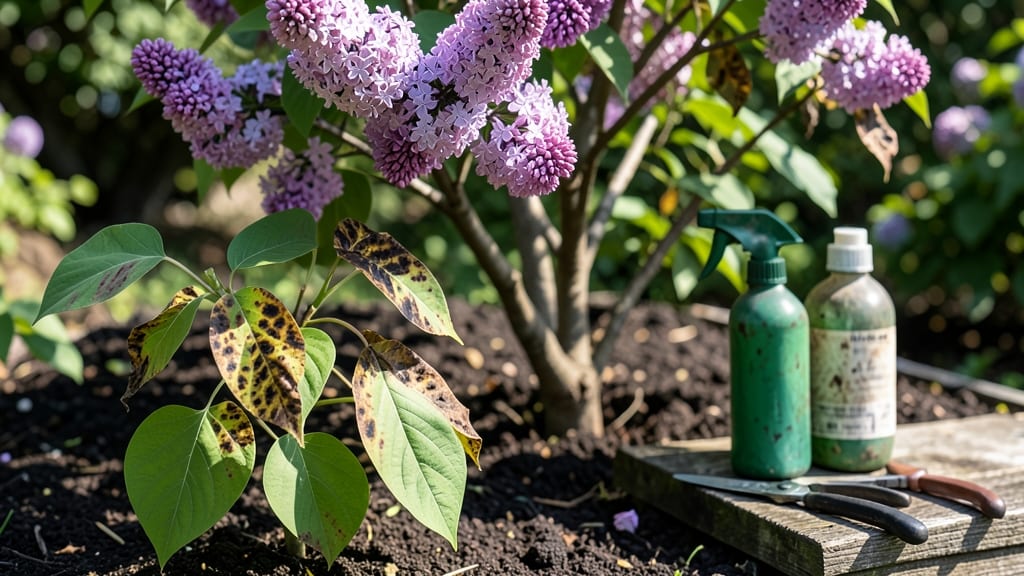
Lilac leaf spot disease turns your fragrant blooms into a sad, spotted mess faster than you can say "spring cleanup." 🌿 I've watched this fungal infection ruin perfectly healthy lilacs in just two weeks—until I learned the fast-acting tricks that stop it in its tracks.
The first sign? Tiny brown or black spots with yellow halos on leaves, often with a white or gray fuzzy center. If you ignore it, those spots multiply, leaves yellow and drop, and next year's blooms suffer. The good news?
This disease thrives in wet, humid conditions, so prevention is simpler than you'd think. With the right approach, you can clear up existing infections in 2-3 weeks and keep your lilacs healthy for years.
Prune infected leaves immediately, apply fungicide at the first sign, and adjust watering habits to cut off the fungus's food source. The key to long-term protection is consistent care—not just treating symptoms.
I'll walk you through the exact steps that worked for my own lilacs, so you can enjoy those sweet spring fragrances without the stress.
The Hidden Triggers Behind Fungal Spots
Lilac bushes are prized for their fragrant blooms and lush foliage, but when Alternaria or Septoria fungi take hold, those leaves start showing unsightly spots. Understanding the root causes of these fungal infections helps you act fast and protect your plants.
Here’s why lilac leaf spots flare up—and how to stop them in their tracks.
Fungal spores love dampness, and lilacs thrive in environments where excess moisture lingers. When humidity stays high (above 75%) or leaves remain wet for prolonged periods—thanks to rain, overhead watering, or poor airflow—the fungi get the perfect breeding ground.
- Overhead watering: Splashing water onto leaves spreads spores and keeps foliage damp, inviting fungal growth. Pro tip: Water at the base instead!
- Poor drainage: Soggy soil or compacted roots prevent water from draining, creating a humid microclimate around the base of the plant.
- Early morning dew: While natural, dew can prolong leaf wetness, especially in dense lilac bushes where airflow is restricted.
💡 Actionable fix: Space plants 3–5 feet apart to improve airflow, water in the early morning so leaves dry by evening, and mulch to regulate soil moisture.
Healthy lilacs resist fungal attacks better, but stress from environmental or cultural factors makes them vulnerable. Common stressors include:
- Nutrient deficiencies: Lack of nitrogen, phosphorus, or micronutrients (like iron or zinc) weakens leaves, making them easier targets for fungi.
- Transplant shock: Newly planted lilacs or those recently pruned are more susceptible until their root systems recover.
- Drought or overwatering: Both extremes disrupt the plant’s ability to fend off pathogens. 🌡️ Ideal soil moisture: Keep soil consistently moist but not waterlogged.
- Competition for resources: Overcrowded lilacs or those growing in shaded, low-light conditions struggle to photosynthesize efficiently, leaving them energy-depleted.
💡 Actionable fix: Test soil pH (ideal: 6.0–7.0) and amend with compost or a balanced fertilizer (10-10-10) in early spring. Prune strategically to reduce stress and improve light penetration.
Lilac leaf spot diseases don’t just appear out of nowhere—they hitchhike on wind, water, and even garden tools. Here’s how spores invade:
- Windborne spores: Fungal spores travel from infected plants (or nearby weeds) and land on healthy lilacs, especially during rainy or windy seasons.
- Contaminated pruners or rakes: Tools used on infected plants can transfer spores to healthy ones. ⚠️ Warning: Always sterilize tools with 70% isopropyl alcohol or bleach solution (1 part bleach to 9 parts water).
- Infected plant debris: Leaving fallen leaves or pruned branches on the ground creates a reservoir for spores to overwinter and reinfect next season.
💡 Actionable fix: Remove and dispose of (not compost) infected leaves and branches. Space lilacs away from heavily shaded or wind-swept areas to reduce spore drift.
Dense foliage or lilacs planted too closely together trap moisture and block airflow, creating a cozy environment for fungi. Poor ventilation slows leaf drying and allows spores to thrive.
🔥 Key signs of stagnant airflow:
- Leaves stay damp longer after rain.
- New growth is sparse or leggy.
- Older leaves yellow or develop spots faster.
💡 Actionable fix: Thin out overgrown bushes by removing 1/3 of the oldest stems at ground level in late winter. Avoid pruning during wet seasons to prevent spreading spores.
By tackling these underlying causes—humidity, stress, spore spread, and poor airflow—you’ll disrupt the fungi’s lifecycle and give your lilacs the best shot at staying spot-free. 🎯 Stay proactive: Monitor leaves regularly, especially after rain, and address issues before they escalate!
Fixing Fungal Foliage Fast
Spotting dark, water-soaked patches on your lilac leaves? Don’t panic—this leaf spot disease is treatable, and with the right steps, you can revive your shrubs before the fungus spreads.
Below, we’ll break down solutions by cause, so you can act quickly and effectively. Prevention tips are woven in to keep your lilacs thriving long-term!
If your lilacs are soggy from overwatering or compacted soil, fungal spores thrive in that damp environment. Here’s how to dry things out and stop the spread:
- 🍳 Adjust Your Watering Routine
- Water deeply but only when the top 1–2 inches of soil are dry. Early morning is best to allow foliage to dry quickly.
- Avoid overhead sprinklers—use drip irrigation or soaker hoses to keep leaves dry.
- 👨🍳 Improve Soil Drainage
- Test your soil’s drainage: Dig a 6-inch hole, fill it with water, and time how long it takes to drain. If it’s slower than 6 hours, amend the soil with:
- Compost (1–2 inches mixed into the topsoil)
- Perlite or coarse sand (to loosen heavy clay)
- Organic mulch (2–3 inches around the base, but keep it 3 inches away from the stem to prevent rot).
- Test your soil’s drainage: Dig a 6-inch hole, fill it with water, and time how long it takes to drain. If it’s slower than 6 hours, amend the soil with:
- ⏰ Prune for Airflow
- Thin out crowded branches to increase airflow. Aim for an open, vase-like shape so sunlight and air circulate freely.
💡 Pro Tip: If your lilacs are in containers, ensure pots have drainage holes and elevate them slightly with bricks or pot feet to prevent waterlogging.
Leaf spot loves humidity and low light. If your lilacs are in a shady spot or a damp microclimate (like near a pond or sprinkler), take these steps:
- 🔪 Relocate or Prune Strategically
- Move potted lilacs to a sunnier spot (6+ hours of direct sun daily).
- For in-ground plants, prune nearby trees or shrubs to increase sunlight exposure by at least 4–6 hours.
- ✨ Reduce Humidity Around Plants
- Space lilacs 3–5 feet apart to improve airflow.
- Avoid planting them near water features or in low-lying areas where moisture lingers.
- Use a fan on low speed near the plants (if possible) to circulate air during humid days.
- 🎯 Clean Up Debris
- Remove and dispose of fallen leaves and mulch around infected plants (don’t compost them—fungus can survive).
- Sterilize pruners with rubbing alcohol (70% or higher) between cuts.
If you’ve already spotted dark lesions or yellowing leaves, combine these treatments to stop the fungus in its tracks:
| Treatment | How to Use | When to Apply |
|---|---|---|
| Fungicide Spray (Copper-based or neem oil) |
|
At dawn or dusk (avoid midday sun to prevent leaf burn). |
| Baking Soda Solution (Mild alternative) |
|
Use on dry leaves (don’t apply if rain is forecasted). |
| Prune Infected Leaves |
|
Do this early in the morning when humidity is lower. |
💡 Pro Tip: For severe cases, apply fungicide before new leaves emerge in spring to protect fresh growth.
Once your lilacs are healthy, keep them that way with these habits:
- ✅ Water at the base (never overhead).
- ✅ Mulch properly (2–3 inches, but not touching the stem).
- ✅ Prune in late winter/early spring (remove 1/3 of oldest stems to encourage new growth).
- ✅ Monitor for stress—drought or over-fertilizing weakens plants, making them susceptible.
- ✅ Rotate fungicides if you use them yearly to prevent resistance.
With these steps, your lilacs will bounce back—and stay spot-free! The key is acting early and keeping conditions unfavorable for fungus. Happy gardening! 🌿
Frequently asked questions
What do lilac leaf spots actually look like?
Lilac leaf spots typically appear as small, dark brown or black spots with yellow halos around them. In advanced cases, you might see a white or gray fuzzy center—that’s the fungus growing. Spots often start on older leaves and spread upward.
Can I still use my lilac flowers if the leaves have spots?
Yes, but remove any spotted leaves first! The flowers themselves aren’t usually affected by leaf spot disease, so you can still enjoy their fragrance. Just avoid using heavily infected foliage in bouquets to prevent spreading spores.
How often should I spray fungicide if my lilacs are infected?
Apply fungicide every 7–10 days until new leaves emerge in spring. For prevention, two applications—one in early spring and one after flowering—can help protect your lilacs. Always follow product instructions for best results.
Will pruning my lilac help stop the spread?
Prune only infected leaves (not whole branches) to reduce fungal load. Remove them early in the morning when humidity is lower, and dispose of clippings in the trash—not compost. This prevents spores from overwintering.
Can I save my lilac if it’s already lost most of its leaves?
Yes, but act fast! Focus on improving airflow, adjusting watering, and applying fungicide. Healthy new growth will replace lost leaves. If the roots are still strong, your lilac can recover—just give it time and consistent care.