
Orchid Care
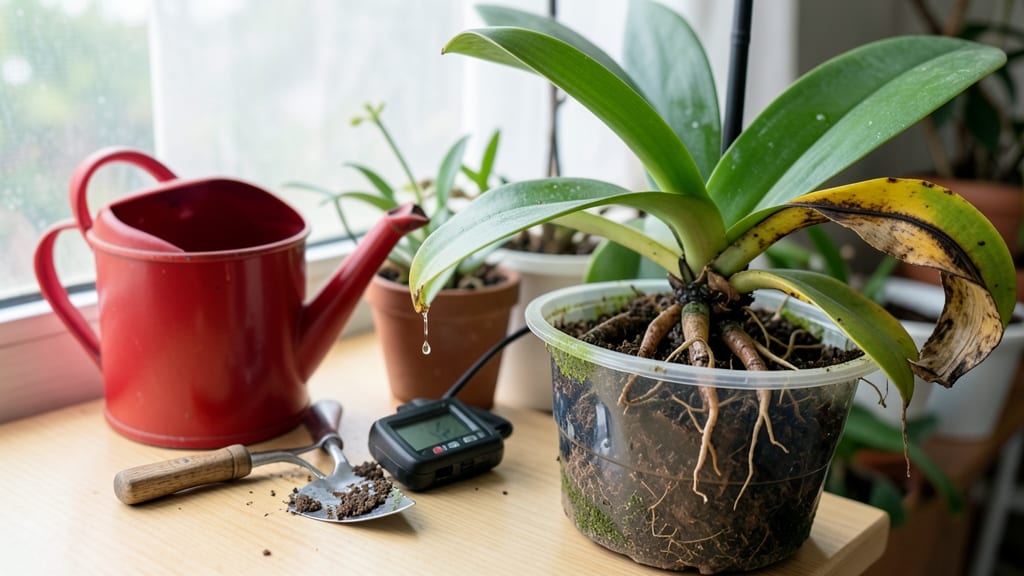
Your orchid’s crispy, brown leaves aren’t a death sentence—copper spray can bring them back to life. 🌿 I’ve nursed back multiple orchids from leaf rot using this simple, orchid-safe treatment, and the results are nothing short of miraculous. The key is acting fast before the rot spreads to the roots.
Leaf rot starts with overwatering or poor airflow, creating the perfect damp conditions for fungus or bacteria to take hold. You’ll notice mushy, discolored leaves that feel squishy to the touch—this is your orchid’s SOS signal.
Copper spray works by stopping the spread while your plant’s natural defenses kick in, but you’ll need to pair it with pruning and adjusted watering habits.
Within 2-3 weeks, you’ll see new growth pushing through, and those crispy leaves will start looking fresh again. The secret is consistency: spray every 5-7 days until the rot stops, then switch to preventative care. Your orchid will thank you with vibrant blooms and stronger leaves.
This method works for Phalaenopsis, Cattleya, and Dendrobium orchids—just avoid copper spray if your plant has open wounds or is in direct sunlight. Let’s get those leaves perky again!
Root Causes Of Leaf Decay
Orchid leaves don’t just wilt or yellow out of the blue—they rot due to specific environmental and care-related triggers. Understanding these causes is the first step to saving your plant.
Below, we break down the most common culprits, backed by science, so you can address the issue at its source.
Orchids are epiphytes, meaning they naturally grow in conditions where water drains quickly. When they sit in soggy media or excess moisture lingers, Phytophthora and Pythium—water-loving fungi—thrive, leading to soft, mushy leaves.
- Why it happens: Overwatering disrupts oxygen flow to roots, suffocating them and creating the perfect breeding ground for pathogens. Even well-draining mixes like bark or sphagnum moss can fail if water isn’t allowed to evaporate.
- Actionable fix:
- Water only when the top inch of media feels dry (stick your finger in—no guesswork!).
- Ensure pots have drainage holes and use elevated trays to catch excess water.
- Switch to chunky mixes (like fir bark + perlite) for better airflow.
Orchids are susceptible to Botrytis (gray mold), Erwinia (soft rot), and Fusarium—pathogens that thrive in warm, humid conditions. These infections start as small lesions and spread rapidly, turning leaves black and slimy.
- Why it happens:
- Botrytis loves high humidity (<70%) and poor airflow, often entering through wounds (like pruning cuts).
- Erwinia spreads via contaminated water or tools, especially in temperatures above 75°F (24°C).
- Actionable fix:
- Isolate infected plants immediately to prevent spread.
- Sterilize shears with 70% isopropyl alcohol between cuts.
- Improve airflow with a small fan (gentle breeze mimics orchid habitats).
Orchids need a stable balance—too much heat or cold shock weakens leaves, making them vulnerable to rot. Extreme swings (like drafts near AC vents or cold windows) create stress points where pathogens exploit.
- Why it happens:
- Cold stress (below 50°F/10°C) slows metabolism, while heat stress (above 90°F/32°C) causes leaf burn, both lowering defenses.
- Humidity >80% without airflow = fungal paradise. Below 40% = leaf dehydration, which also invites rot.
- Actionable fix:
- Keep orchids in consistent temps (60–80°F / 15–27°C) and avoid drafts.
- Use a hygrometer to monitor humidity—aim for 40–70%. Mist lightly in dry climates but never let water pool.
Even minor injuries—like rough handling, sharp pot edges, or aggressive pruning—create entry points for bacteria. Once inside, they trigger rot that spreads to healthy tissue.
- Why it happens: Damaged cells release sugars, which feed pathogens. Pruning with dirty tools or at the wrong time (e.g., during active growth) accelerates decay.
- Actionable fix:
- Use sterile, sharp scissors and cut above the damaged area (leave a small callus to heal).
- Avoid pruning during flowering or extreme temps—wait for dormant periods (fall/winter for most orchids).
Pro Tip: 💡 If you’ve ruled out watering issues but still see rot, test your orchid’s media. Over time, it breaks down into a dense, water-retentive mat—replace it every 2–3 years to prevent hidden moisture traps.
Revive Your Orchid’s Health Now
Orchid leaf rot can feel like a death sentence for your prized plant—but don’t panic! With the right steps, you can nurse your orchid back to life and prevent future damage.
Below, we’ve mapped out practical fixes based on the root cause of rot, plus prevention tips to keep your orchid thriving. Let’s get to work! 🌿✨
If your orchid’s roots are soggy or the potting mix stays damp for days, excess moisture is the culprit. Here’s how to dry it out and save your plant:
🍳 Step 1: Remove the Orchid from Its Pot
Gently slide the orchid out of its container, shaking off excess soil. If the roots are mushy or black, trim them with sterilized scissors (cut healthy green roots, discard the rest).
👨🍳 Step 2: Rinse & Disinfect
Rinse the roots under lukewarm water to remove old soil. Soak the entire plant (roots and leaves) in a 1:10 diluted hydrogen peroxide solution (or a fungicide like copper spray) for 5–10 minutes to kill fungus/bacteria.
🥘 Step 3: Repot in Fresh Medium
Use a well-draining orchid mix (bark, sphagnum moss, or perlite). Choose a terracotta or slotted pot to prevent waterlogging. Let the orchid air-dry for 24–48 hours before watering lightly.
⏰ Step 4: Adjust Your Watering Routine
- Water only when the top inch of mix is dry (test with your finger!).
- Bottom-water (place the pot in a tray of water for 10–15 mins, then drain).
- Avoid wetting leaves—use a spray bottle for humidity instead.
💡 Pro Tip: If your orchid is in a decorative pot, repot it in a cache pot (a plastic inner pot with drainage) for better control.
If rot is spreading fast or leaves have dark, slimy spots, a pathogen is likely at play. Copper spray is your best friend here!
🔪 Step 1: Sterilize Your Tools
Wipe scissors or pruners with rubbing alcohol before trimming infected leaves. Never reuse soil—dispose of it to prevent reinfection.
🍄 Step 2: Prune Infected Areas
Cut off rotted leaves at the base (use clean cuts to avoid tearing). For soft rot, remove all affected tissue—don’t leave any behind!
✨ Step 3: Apply Copper Spray
Mix copper fungicide (like Bonide Copper Fungicide) as directed and spray both leaves and roots. Reapply every 7–10 days until the rot stops spreading.
🌿 Step 4: Boost Airflow & Light
- Move your orchid to a bright, indirect spot (no direct sun yet).
- Space plants apart to improve airflow (fungus thrives in humidity).
- Use a fan on low for 1–2 hours daily to dry leaves faster.
💡 Pro Tip: If copper spray isn’t available, neem oil spray (1 tsp neem oil + 1 tsp mild soap + 1 quart water) can help as a natural antifungal.
Once your orchid is on the mend, prevent recurrence with these habits:
| Problem | Solution |
|---|---|
| Overwatering | Water only when dry (stick your finger in the mix!). |
| Poor Drainage | Use chunky bark mix and pots with drainage holes. |
| High Humidity | Mist leaves morning-only (avoid evening dampness). |
| Dirty Tools/Soil | Sterilize scissors and replace soil every 1–2 years. |
| Crowded Plants | Give orchids space (3–6 inches apart) for airflow. |
🌟 Bonus Tip: Quarantine new orchids for 2 weeks before introducing them to your collection to avoid spreading disease!
With these steps, your orchid should bounce back in 2–4 weeks—just give it time, patience, and the right care. 🌸💚 Now go rescue that beauty!
Frequently asked questions about orchid leaf rot
What does orchid leaf rot look like at first?
Early signs include small, water-soaked spots that turn yellow or brown. As it progresses, leaves become mushy, slimy, and may develop dark streaks or blackened areas. Check for soft spots when gently pressing the leaf—if it feels squishy, that's a clear rot signal.
Can I save an orchid with completely black leaves?
It depends! If only the leaf edges are black but the center is still firm, you can trim the damaged parts and treat with copper spray. However, if entire leaves are black and mushy, they’re likely beyond saving. Focus on removing them to prevent spread to healthy growth.
How often should I use copper spray on my orchid?
Apply copper fungicide every 7-10 days until the rot stops spreading, then switch to monthly preventative sprays during humid seasons. Always follow label instructions—overuse can harm your plant. For best results, spray in the morning when leaves are dry.
What's the best pot material to prevent future rot?
Terracotta pots are ideal—they wick away moisture and allow better airflow than plastic. For decorative pots, use a cache pot (plastic inner pot with drainage) to control moisture levels. Avoid sealed containers that trap humidity.
Will my orchid bloom again after treating leaf rot?
With proper care, most orchids recover and can bloom again within 3-6 months. Focus on healthy new growth first—blooming requires energy, so don't stress the plant. Provide bright, indirect light and maintain consistent watering once fully recovered.