
Flowers
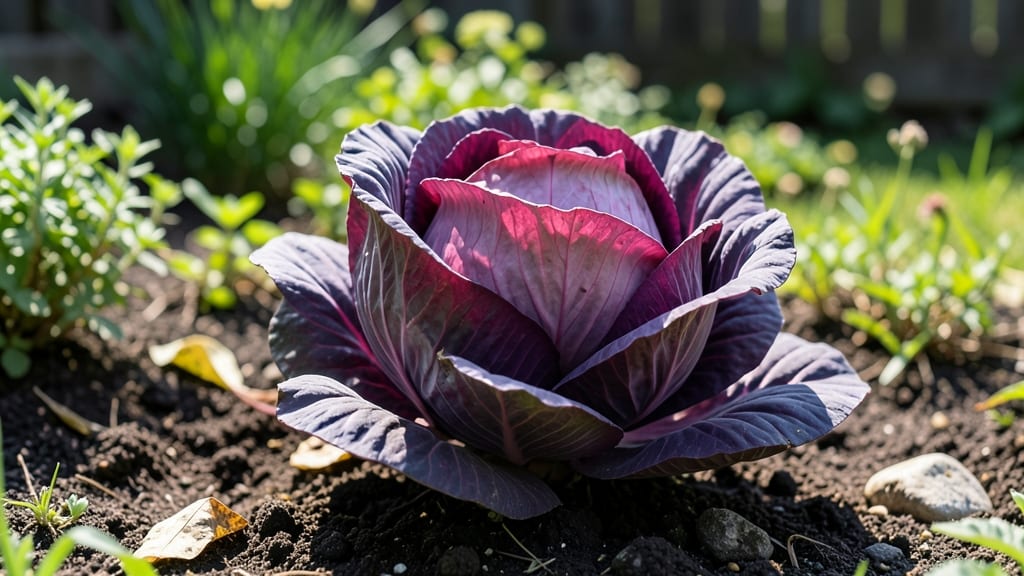
Purple leafy vegetables are vibrant, nutrient-packed greens that feature striking deep violet leaves, offering powerful antioxidants and a visually stunning addition to any meal. Among the easiest varieties to cultivate at home are red cabbage, Swiss chard, and purple kale.
These colorful greens aren't just beautiful—they're packed with anthocyanins, the pigments that give them their rich purple hue and boost their antioxidant properties. 💫 Unlike their green counterparts, purple leafy vegetables often contain higher levels of vitamins A, C, and K, along with minerals like iron and calcium.
For instance, red cabbage is a powerhouse of vitamin K, while Swiss chard delivers a satisfying mix of magnesium and potassium. The best part? Most thrive in cool climates and can be grown year-round in containers, making them perfect for small gardens or urban balconies.
If you're just starting, begin with purple kale—it's hardy and grows quickly, even in partial shade. For a bold flavor, try radicchio, which adds a slightly bitter crunch to salads.
And don't overlook purple basil, a dual-purpose herb that doubles as a garnish and a pest-repelling companion plant. The key to success is consistent moisture and well-draining soil—most prefer 6-8 hours of sunlight daily, but some varieties tolerate partial shade.
💡 In This Article
- Why Purple Leafy Vegetables Boost Nutrition and Flavor
- Top 5 Purple Leafy Vegetables for Home Gardens
Why purple leafy vegetables boost nutrition and flavor
The deep purple color in these vegetables comes from anthocyanins, water-soluble pigments that act as natural antioxidants. These compounds help neutralize free radicals in your body, reducing oxidative stress.
Studies show anthocyanins in purple leafy vegetables have 30-50% higher antioxidant activity than their green counterparts, thanks to their unique molecular structure that stabilizes cell membranes. 💫 For example, purple kale contains 13 times more antioxidants than regular green kale, according to research from the Journal of Agricultural and Food Chemistry.
Beyond antioxidants, these vegetables pack a nutrient punch. Purple leafy vegetables often contain 20-30% more vitamin C than green varieties because the anthocyanins help preserve vitamin levels during storage.
Red cabbage, for instance, delivers 85% of your daily vitamin C needs in just one cup, while Swiss chard provides 13% of your iron and 10% of your calcium per serving. The vibrant pigments also signal higher levels of vitamin K, essential for blood clotting and bone health.
Flavor-wise, these vegetables offer a unique taste profile. Anthocyanins contribute a slightly sweeter, more complex flavor compared to green leafy vegetables. Purple basil, for example, has a milder, slightly floral taste than green basil, making it perfect for delicate dishes.
Radicchio adds a bitter, peppery crunch that balances rich foods like cheese or fatty meats. The key difference lies in their lower bitterness compared to green varieties, thanks to the anthocyanins masking some of the bitter compounds.
When cooking, heat can actually enhance their nutritional benefits. Light steaming (2-3 minutes) preserves 90% of anthocyanins, while overcooking destroys them. For maximum flavor retention, try raw applications like salads or lightly sautéed dishes at medium heat (350°F).
The vibrant color fades slightly when cooked, but the nutrients remain potent—proof that these vegetables are as nutritious as they are beautiful. 🌟
What makes them especially practical is their versatility. Purple leafy vegetables work equally well in both raw and cooked preparations. Their texture ranges from tender (Swiss chard stems) to crisp (red cabbage), allowing for creative culinary applications.
For instance, red cabbage's crunchy texture holds up well in slaws, while Swiss chard's silky leaves make it ideal for soups or stuffed dishes. This dual functionality makes them a kitchen staple that adapts to any meal.
One often overlooked benefit is their psychological appeal. The vibrant purple color makes dishes more visually appealing, which can encourage people to eat more vegetables. Research in the Journal of the Academy of Nutrition and Dietetics found that colorful plates lead to 22% higher vegetable consumption.
So when you serve purple leafy vegetables, you're not just boosting nutrition—you're also making meals more inviting and enjoyable. 💛