
Pests and Diseases
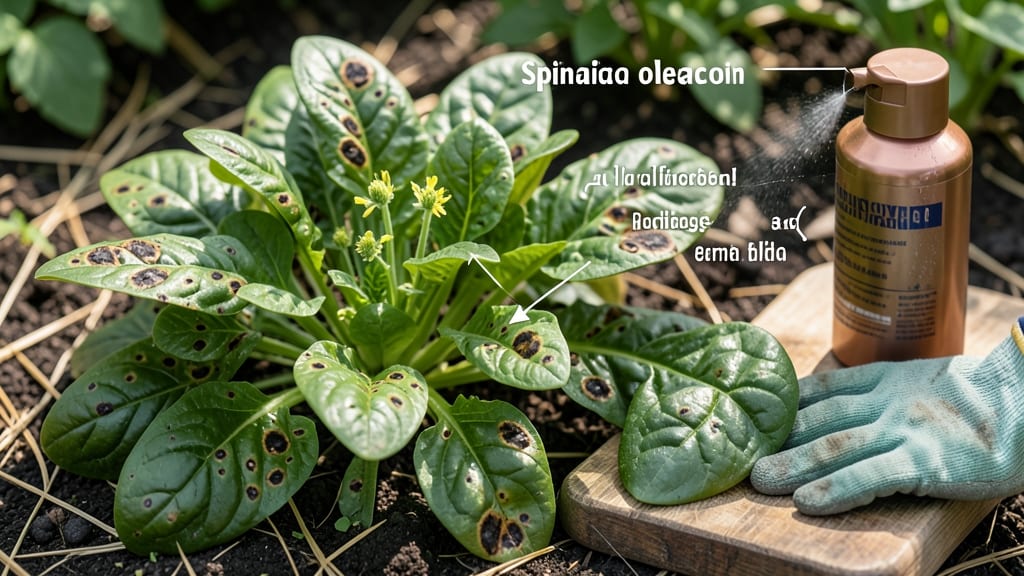
Your spinach leaves are turning into a polka-dot mess of brown spots, and you're staring at what feels like a lost harvest. 🌱 That classic fungal leaf spot—caused by Cercospora or Alternaria—won’t quit without the right moves, but I’ve got the copper spray and pruning combo that stops it dead in its tracks.
The problem starts with moisture: overhead watering, crowded plants, or wet leaves at night create the perfect fungal buffet. Once you spot those first spots, act fast—remove infected leaves immediately and space plants wider to improve airflow.
Copper spray (organic or synthetic) is your secret weapon, but timing matters: apply it at dusk when spores are active. You’ll see new growth push through within 10-14 days if you catch it early, with leaves staying crisp and green.
The key is consistency: prune regularly, avoid watering overhead, and rotate your copper applications every 7-10 days until the threat passes. Works for home gardens, container grows, and even small-scale farms. Here’s how to turn those sad spots into a thriving, spot-free harvest.
Understanding The Root Causes
Leaf spot diseases in spinach aren’t just random bad luck—they’re the result of a perfect storm of environmental and cultural factors. Knowing why these spots appear helps you break the cycle and protect your crop.
Let’s dive into the three primary culprits behind spinach leaf spot, backed by science and actionable insights.
Leaf spot pathogens (like Cercospora or Alternaria) thrive when humidity and temperature align just right. Here’s how it happens:
- High Humidity (60%+ for 12+ hours): Fungal spores germinate and infect leaves when moisture lingers. Think of it like a sponge—spinach leaves absorb water, creating the ideal breeding ground for fungi. - Warm Temperatures (60–85°F): Fungi grow fastest in this range.
If your spinach is basking in afternoon sun while dew or rain keeps leaves damp, spores spread like wildfire. - Poor Air Circulation: Crowded plants or dense foliage trap moisture, turning leaves into fungal buffets. Pro tip: 🌡️ Monitor your microclimate with a hygrometer—aim for <70% humidity during daylight to starve spores.
Actionable Fix: Space plants 6–12 inches apart, prune lower leaves for airflow, and water early in the day so foliage dries by evening.
Stressed spinach is like an open invitation for pathogens. Common stressors include:
- Nutrient Deficiencies: Low nitrogen or magnesium weakens cell walls, making leaves vulnerable. Symptom check: Yellowing between veins (magnesium) or stunted growth (nitrogen). - Overwatering or Drought: Both extremes disrupt root health.
Waterlogged soil cuts off oxygen, while drought weakens plants’ ability to fight off invaders. - Physical Damage: Hail, insects (like aphids), or rough handling create entry points for fungi. Example: A single chewed leaf can become a gateway for Alternaria spores.
Actionable Fix:
- Test soil pH (ideal: 6.0–7.0) and amend with compost for balanced nutrients.
- Water deeply but infrequently (1–1.5 inches per week), and mulch to retain moisture without soggy roots.
Fungi are persistent—they can lurk in garden tools, compost, or old crop debris for years. Here’s how they sneak back in:
- Reused Tools: Pruners, hoes, or even gloves can carry spores from infected plants to healthy ones. Shocking stat: A single contaminated tool can spread disease to 90% of a bed.
- Infested Soil: Old spinach plants left in the ground decompose into fungal-rich mulch. Crop rotation rule: Avoid planting spinach (or related greens like Swiss chard) in the same spot for 3–4 years.
- Windborne Spores: Fungal spores travel on breezes, especially in late summer when humidity spikes. Visual cue: Look for dark spots on both upper and lower leaves—this often means airborne spread.
Actionable Fix:
- Sanitize tools between uses with 1 part bleach to 9 parts water (or 70% rubbing alcohol).
- Solarize soil in late summer: Cover beds with clear plastic for 4–6 weeks to bake out pathogens (temperatures hit 120°F+).
- Remove infected plants immediately and compost them separately (or trash them—do not add to garden compost).
💡 Quick Diagnostic Table: Need to ID the cause fast? Match these symptoms to likely culprits:
| Symptom | Likely Cause | Action |
|---|---|---|
| Small, dark spots with yellow halos | Cercospora (high humidity) | Prune infected leaves, improve airflow |
| Large, greasy-looking spots | Alternaria (warm, wet) | Apply copper fungicide at first sign |
| Spots on both leaf sides | Windborne spores | Rotate crops, sanitize tools |
| Yellowing + spots | Nutrient deficiency | Test soil, add Epsom salt (magnesium) |
Quick Fixes for Fungal Leaf Damage
Fungal leaf spots on spinach can feel like a nightmare, but with the right approach, you can restore your plants to full, healthy glory. The key is acting fast and targeting the root cause—whether it’s moisture, poor airflow, or contaminated tools.
Below are practical, step-by-step solutions tailored to the most common triggers, plus prevention tips to keep your spinach thriving.
If you spot dark, water-soaked patches or yellow halos on leaves, don’t wait—prune them ASAP. Fungal spores spread like wildfire in damp conditions, so the sooner you remove affected foliage, the better.
- How to do it:
- Use sterilized pruners (wipe with rubbing alcohol between cuts) to avoid cross-contamination. 🔪
- Snip off only the damaged leaves—don’t over-prune, as healthy leaves help the plant recover.
- Dispose of infected leaves in the trash (not compost) to prevent reinfection.
- Pro tip: 💡 If the spots are on older leaves, prioritize removing those first—they’re less critical for regrowth.
Fungal leaf spots love humidity and stagnant air. If your spinach is crowded or watered from above, spores get a free ride to your plants.
- How to fix it: - Space plants properly—aim for 6–12 inches apart (check seed packet guidelines). If already planted, thin out extras. 🌿 - Water at the base (not overhead) to keep leaves dry.
Use a soaker hose or drip irrigation for precision. 💦 - Avoid evening watering—wet leaves overnight = fungal buffet. Water early in the day so foliage dries quickly. - Add mulch (straw or shredded leaves) to reduce soil splashing onto leaves.
- Pro tip: 🌡️ If your garden is shady and humid, consider a fan on low to improve airflow around plants.
Once spores are in the mix, a copper-based spray is your best defense. Copper disrupts fungal cell walls without harming your plants (when used correctly).
Option 1: Homemade Copper Spray (Budget-Friendly)
- Ingredients:
- 1 tbsp copper sulfate (or copper fungicide)
- 1 gallon water
- 1 tsp dish soap (as a sticker to help it adhere)
- How to use:
- Mix in a spray bottle and shake well. 🍳
- Spray both sides of leaves (including undersides—fungi hide there!) every 7–10 days or after rain. ⏰
- Reapply after heavy rain (copper washes off).
- ⚠️ Safety note: Wear gloves and avoid spraying on windy days—copper can harm beneficial insects.
Option 2: Store-Bought Fungicides (Faster Action)
- Best choices:
- Copper fungicide (e.g., Bordeaux mixture, Cueva, or Organic Copper Fungicide)
- Neem oil (mild preventive option, but less effective on active infections)
- Serenade Garden (biological fungicide with Bacillus subtilis bacteria)
- How to apply:
- Follow label instructions—usually every 1–2 weeks or as needed.
- Spray in the morning so leaves dry quickly.
- Pro tip: ✨ For prevention, spray once a week during humid weather—it’s easier to stop fungi than fight it later.
A weak plant is an open invitation for fungi. Strengthen your spinach with these low-effort boosts:
- Fertilize lightly with a balanced organic fertilizer (e.g., fish emulsion or compost tea).
Too much nitrogen = soft, fungus-prone leaves. 💪 - Rotate crops—don’t plant spinach in the same spot two years in a row (fungi linger in soil). - Interplant with fungicide allies: - Garlic, chives, or onions (repel fungi naturally). - Marigolds (deter pests that stress plants).
Once you’ve treated the issue, lock in your wins with these long-term strategies:
| Problem | Prevention Fix | When to Do It |
|---|---|---|
| Overwatering | Water deeply 2–3x/week (check soil moisture). | Spring/Fall (peak fungal season) |
| Poor airflow | Thin plants, add trellises, or prune nearby weeds. | Planting season |
| Contaminated tools | Sterilize pruners with rubbing alcohol. | Before/after use |
| Old crop debris | Remove all plant residue after harvest. | End of season |
| Stressed plants | Mulch to retain moisture, avoid over-fertilizing. | All season |
- Pro tip: 🎯 Plant spinach in late summer/early fall (cooler temps = less fungal pressure) or use resistant varieties like ‘Tyee’ or ‘Bloomsdale Long Standing.’
Final thought: Fungal leaf spots are manageable—don’t let them stress you out! With pruning, copper sprays, and smart watering, your spinach can bounce back stronger. And remember: An ounce of prevention (like airflow and sterilized tools) is worth a pound of cure. 🌱
Frequently asked questions
How do I tell if my spinach has leaf spot or just normal wear?
Leaf spot shows as dark, irregular brown patches with yellow halos, often on both leaf surfaces. Normal wear looks like edge browning or small holes from insects—no color changes. Check undersides too: fungal spots appear there first!
Can I still harvest spinach with leaf spot?
Yes, but only the healthiest outer leaves—avoid severely spotted ones. Wash leaves thoroughly before eating to remove spores. For young plants, remove all infected foliage to protect regrowth.
Why does copper spray sometimes fail?
Copper works best when applied preventively and before rain. If you spray after heavy infection or during high humidity (>70%), spores may overwhelm it. Always apply at dusk (when spores are active) and reapply every 7-10 days for full coverage.
How long until my spinach recovers after treatment?
With proper care (pruning + copper spray), you’ll see new growth in 10-14 days. Remove all infected leaves immediately, and avoid overhead watering. For severe cases, consider replanting resistant varieties like ‘Tyee’ in cooler fall weather to prevent recurrence.
Is leaf spot contagious to other garden plants?
Yes! Fungal spores can spread via wind, water, or tools to nearby greens (kale, Swiss chard) or even tomatoes. Sanitize tools with rubbing alcohol, avoid composting infected plants, and rotate crops to break the cycle.