
Pests and Diseases
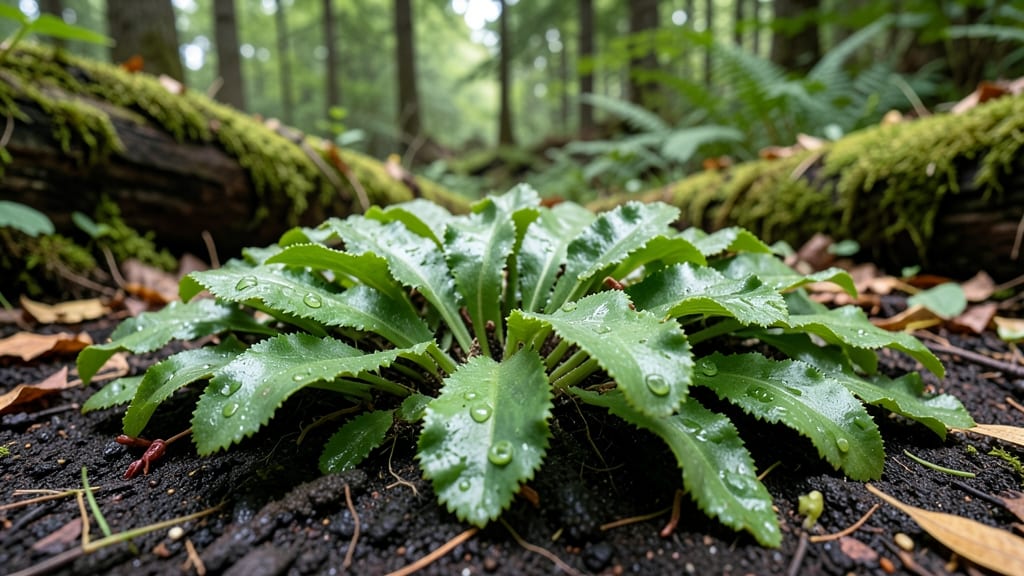
Sticky leaf weed isn’t just annoying—it’s a sign your plants are under siege. ✨ Whether it’s aphid honeydew, fungal growth, or invasive plants like garlic mustard, that gooey mess stunts growth and attracts pests. The good news? You can tackle it fast with the right organic sprays and techniques.
Most sticky residue comes from sap-sucking insects like aphids or mealybugs, which leave behind honeydew—a perfect breeding ground for sooty mold. Other times, it’s garlic mustard or other invasive weeds smothering your garden.
The key is acting fast: a strong spray of neem oil or insecticidal soap can dissolve the sticky mess within 24 hours while killing the pests.
Start by wiping leaves with a damp cloth to remove surface residue, then spray your organic treatment at dusk for best results. Within days, you’ll see new growth pushing through, and the sticky film will vanish. The secret? Consistency—repeat treatments every 5-7 days until the problem disappears completely.
Prevention is easier than cleanup: introduce ladybugs or lacewings to control pests naturally, prune regularly to improve airflow, and mulch to smother weeds before they take hold. A healthy garden fights off sticky leaf weed before it starts.
Root Causes Of Leaf Stickness
Understanding why your plants develop that frustrating, glue-like residue on their leaves is the first step toward effective removal—and prevention. Below, we break down the most common culprits, from sneaky pests to environmental factors, with clear explanations and actionable insights.
Many sticky leaf issues stem from tiny, sap-sucking pests that excrete a sugary substance called honeydew. This sticky film isn’t just annoying—it attracts sooty mold, which can suffocate your plants over time.
🔍 Common Culprits & Their Telltale Signs
| Pest | What They Leave Behind | Where to Look |
|---|---|---|
| Aphids | Clear to white, sticky residue; often on new growth | Undersides of leaves, stems, buds |
| Scale Insects | Thick, waxy shells; sticky buildup beneath | Trunks, branches, older leaves |
| Whiteflies | Yellowish sticky spots; flutter when disturbed | Leaf undersides, especially in greenhouses |
| Mealybugs | Cottony white clusters; heavy honeydew | Leaf axils, crevices, stems |
| Spider Mites | Fine webbing + light sticky residue (less common) | New growth, lower leaves |
Why It Happens: These pests pierce plant cells to feed on sap, which is rich in sugars. Their digestive systems can’t process all of it, so they excrete the excess as honeydew—a perfect breeding ground for mold and a sticky nightmare for gardeners.
Actionable Fix:
- Inspect regularly (especially after rain or high humidity).
- Blast off pests with a strong stream of water or neem oil spray.
- Use sticky traps to monitor and reduce populations.
Plants under stress—whether from heat, drought, or poor nutrition—can produce excessive sugars on their leaves, creating a sticky surface. This isn’t honeydew but a natural (though unwanted) byproduct of the plant’s survival mechanisms.
🌞 Key Stress Triggers
- Extreme Heat: Plants "sweat" sugars to cool down, leaving a tacky residue.
- Drought Conditions: Root stress forces sugars to accumulate in leaves.
- Over-Fertilization: Too much nitrogen or salts can disrupt cellular function, leading to sticky secretions.
- Fungal or Bacterial Infections: Some pathogens (like Erwinia bacteria) produce sticky exudates as a side effect.
Why It Happens: Under stress, plants prioritize survival over normal metabolic functions. Sugars that would normally be transported to roots or used for growth instead get "stuck" on leaf surfaces, creating a gummy film.
Actionable Fix:
- Water deeply but less frequently to encourage deep root growth.
- Adjust fertilizer—use a balanced formula and flush soil every 2–3 months.
- Provide shade during heatwaves (especially for tropical plants).
- Prune infected areas and treat with copper fungicide if fungal spots are present.
If your plant is fruiting (or has fallen fruit), the sticky residue might be fruit sap dripping onto leaves. This is common in:
- Tomatoes (especially when overripe or cracked)
- Citrus trees (sap from bruised fruit)
- Fruit trees (peaches, plums, apples)
Why It Happens: Fruit contains high concentrations of sugars and acids. When fruit rots or splits, its contents leak onto leaves below, creating a sticky mess. This isn’t harmful to the plant but can attract pests.
Actionable Fix:
- Harvest fruit promptly to prevent overripening.
- Remove fallen fruit from the base of plants.
- Use a tarp under trees to catch drips during harvest season.
Some organic sprays, fertilizers, or even rainwater mixed with soil minerals can leave a film-like residue on leaves.
This is more common with: - Overuse of fish emulsion or seaweed extracts (high in salts). - Certain fungicides or insecticides that aren’t fully absorbed. - Hard water + foliar sprays (mineral buildup).
Why It Happens: Plants have a waxy cuticle that repels water and particles. When sprays contain high concentrations of salts, sugars, or oils, they can’t be absorbed efficiently and instead cling to the leaf surface.
Actionable Fix:
- Rinse leaves with plain water after applying sprays.
- Dilute fertilizers to half-strength for foliar applications.
- Use distilled or rainwater for sensitive plants.
Some plants naturally produce resins or gums as a defense against pests or environmental damage. Examples include:
- Maple trees (sap leaks from pruning wounds).
- Birch trees (sticky buds or bark exudates).
- Certain succulents (like Kalanchoe), which ooze a milky sap when damaged.
Why It Happens: These resins act as a barrier against insects, pathogens, or physical stress. While harmless, they can be a nuisance if they drip onto prized plants below.
Actionable Fix:
- Prune during dry seasons to minimize sap flow.
- Collect drips with a tarp or paper towels.
- Wipe leaves gently with a damp cloth if aesthetics are a concern.
Not all sticky leaves are harmless.
Watch for these warning signs that your plant is in distress: - Yellowing or wilting leaves → Possible nutrient deficiency or root rot. - Black sooty mold growing on the sticky film → Fungal infection needs treatment. - Crispy or curled edges → Pest damage or environmental stress. - Gummy spots that smell fermented → Bacterial infection (like Erwinia).
When to Act Fast: If you spot mold, pests, or rapid decline, combine removal methods with targeted treatments (e.g., neem oil + copper fungicide). Ignoring these signs can lead to plant death within weeks.
How to Fix Sticky Plant Issues
Tackling sticky leaf residue—whether from sap, pests, or fungal growth—requires targeted solutions. Below, we break down the most effective fixes based on the root cause, along with prevention tips to keep your plants thriving long-term.
If sticky leaves are caused by sap (like from pine trees or maple syrup disease), act fast to avoid attracting pests or spreading pathogens.
H3: 🧼 Clean Leaves with Mild Soap
- Mix a gentle solution: Combine 1 tablespoon of mild dish soap (like Castile soap) with 1 quart of water in a spray bottle.
- Spray and wipe: Lightly mist the leaves, then use a soft cloth or sponge (dampened with water) to gently scrub off residue.
- Rinse thoroughly: Follow up with clean water to remove soap residue, which can harm plants.
H3: 🍯 Use Rubbing Alcohol for Stubborn Sticks For thick sap or sticky honeydew (left by aphids or scale insects):
- Dip a cotton ball or soft cloth in 70% isopropyl alcohol.
- Wipe the affected leaves gently—avoid over-saturating the plant.
- Repeat as needed until the stickiness fades.
💡 Pro Tip: Work on cool, overcast days to prevent leaf burn from alcohol or soap.
If insects like aphids, mealybugs, or whiteflies are the culprits, you’ll need to target the pests first, then clean up the residue.
H3: 💦 Blast Off Pests with Water
- Use a strong stream: Hold your hose 6–12 inches away from the plant and spray forcefully to dislodge pests.
- Repeat every 2–3 days until the infestation clears.
H3: 🌿 Apply Neem Oil Spray (Organic & Effective) Neem oil disrupts pests’ life cycles while breaking down sticky honeydew.
- Mix: 1 tablespoon neem oil + 1 teaspoon mild soap + 1 quart of water.
- Spray thoroughly on both leaf surfaces, focusing on undersides where pests hide.
- Reapply every 5–7 days until sticky residue stops.
H3: 🐝 Introduce Beneficial Insects Ladybugs, lacewings, and parasitic wasps eat sticky-leaf pests naturally. Purchase them online or from garden centers and release them at dusk.
🔥 Quick Fix: Diatomaceous earth (DE) can also help—sprinkle food-grade DE around the base of the plant (avoid direct leaf contact).
If the stickiness is from sooty mold (a fungus that grows on honeydew) or bacterial infections like bacterial leaf blight, you’ll need fungicides or bactericides.
H3: 🍄 Scrub Off Sooty Mold
- Wipe leaves with a damp cloth dipped in a mix of 1 part vinegar + 3 parts water (test on a small area first).
- Follow with a fungicide spray: Use copper fungicide or a baking soda solution (1 tsp baking soda + 1 quart water + a few drops of soap).
H3: 🌱 Prune and Sterilize
- Cut off severely infected leaves with sterilized pruners (wipe with rubbing alcohol between cuts).
- Dispose of debris in a sealed bag to prevent reinfection.
🌡️ Prevention Tip: Improve air circulation around plants by spacing them properly and avoiding overhead watering.
Once your plants are clean, take these steps to keep them that way:
- 🌱 Monitor regularly: Check leaves weekly for early signs of stickiness or pests.
- 💦 Water at the base: Avoid wetting foliage to discourage fungal growth.
- 🍃 Mulch properly: Use organic mulch (like wood chips) to retain moisture without trapping excess humidity.
- 🌿 Rotate organic sprays: Alternate between neem oil, insecticidal soap, and horticultural oil to prevent pest resistance.
- 🌿 Strengthen plants: Balanced fertilizer (like 10-10-10) and compost tea boost natural defenses.
By addressing the specific cause of sticky leaves and following these practical, organic solutions, your plants will stay clean, healthy, and pest-free! 🌿✨
Frequently asked questions
Why does my plant have sticky leaves if I don’t see any pests?
Sticky residue can come from stress-related sugar buildup, overripe fruit sap dripping onto leaves, or even mineral deposits from hard water sprays. Check for yellowing leaves (stress) or fallen fruit nearby—these are common culprits even without visible pests.
Will neem oil harm my plants if I use it too often?
Neem oil is safe when used correctly, but overapplication can stress plants. Stick to every 5-7 days max, and always dilute it with water and mild soap. For sensitive plants, test on a small leaf first—if you see browning within 24 hours, reduce frequency.
How do I know if sticky leaves are from pests vs. natural sap?
Pest-related stickiness (honeydew) often appears as white or yellowish droplets on leaf undersides, while natural sap is usually clear and thick like maple syrup. Look for tiny insects or webs—if you see them, it’s pests; if not, it’s likely natural plant secretions.
Can I use household items like vinegar to clean sticky leaves?
Yes! A 1:3 vinegar-water mix works well for sooty mold, but avoid using it on acid-sensitive plants like azaleas or gardenias. For general cleaning, plain water or mild dish soap is safer. Always test on a small area first to check for leaf damage.
How long does it take for sticky residue to disappear after treatment?
With proper care, you’ll see noticeable improvement within 24-48 hours, but complete removal may take 1-2 weeks depending on severity. Reapply treatments every 5-7 days until the stickiness is gone—consistency is key to preventing reinfestation.