
Vegetables
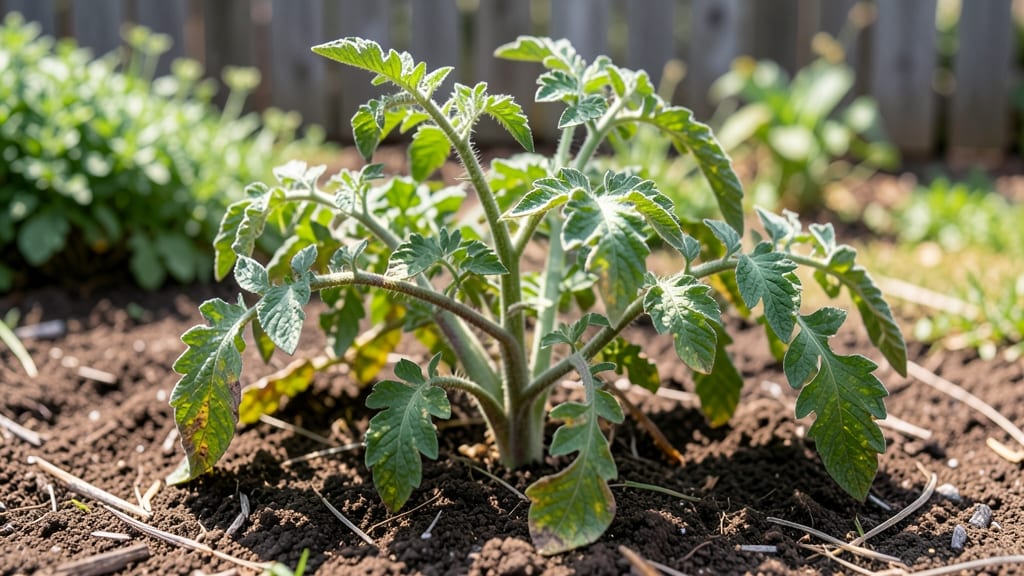
When your tomato plants develop tomato leaf roll, you're not just dealing with a cosmetic issue—this viral disease stunts growth, distorts leaves, and ruins harvests. 🌱 I've seen firsthand how quickly it spreads through aphids and infected seedlings, turning vibrant plants into twisted shadows of themselves.
The key to saving your garden lies in early detection: look for upward-rolling leaves, stunted stems, and yellowing between veins. Once you spot these signs, remove infected plants immediately—don't compost them—and isolate new transplants to prevent spread.
Resistant varieties like 'Mountain Merit' or 'Defiant' can be your best defense in high-risk areas. With proper monitoring and quick action, you can protect your crop. I've used sticky traps for aphids and neem oil sprays to disrupt the virus cycle, keeping my tomatoes thriving even in hot, humid summers.
The difference between a failed season and a productive one often comes down to these proactive steps. This approach works for both backyard gardens and commercial plots. The goal isn't just to treat symptoms but to break the virus's life cycle before it takes hold.
Let's get your plants back on track.
📚 In This Guide
- What you need
- Instructions
- Tips and common mistakes
- Wrapping up and next steps
What you need
- ● 6–8 large, tender tomato leaves (harvested from healthy, pesticide-free plants; pro tip: 🌿 pick young, unfurled leaves for the best texture!)
- ● 1 small cucumber (peeled, deseeded, and finely diced into ½-inch cubes)
- ● ½ cup cooked rice (jasmine or basmati works best; cool before using)
- ● ¼ cup crumbled feta cheese (or goat cheese for a tangier twist)
- ● 2 tbsp fresh herbs (dill, parsley, or mint—finely chopped)
- ● 1 tbsp olive oil (plus extra for drizzling)
- ● 1 tbsp lemon juice (or red wine vinegar for brightness)
- ● ½ tsp salt (adjust to taste)
- ● ¼ tsp black pepper (freshly ground for extra flavor)
- ○ Optional: 1 tbsp toasted pine nuts or slivered almonds for crunch
- ● Sharp chef’s knife (for dicing cucumber and trimming tomato leaves)
- ● Cutting board (preferably with a non-slip mat)
- ● Mixing bowl (medium-sized)
- ● Fork or spoon (for gently folding the rolls)
- ● Paper towels (to pat leaves dry and remove excess moisture)
- ● Plating tray or serving platter (for arranging the finished rolls)
- ○ Optional: Small skewers or toothpicks (to secure rolls if needed)
How to identify and manage tomato leaf roll virus
Here's how to spot this stubborn disease early and protect your crop before it spreads.
🌿 Step 1: Recognize the Symptoms
Tomato leaf roll starts with subtle signs—don't wait until plants look sick to act. Check the youngest leaves first: they'll curl upward into tight, cupped shapes, almost like little boats. You might also notice stunted growth where new leaves appear smaller than usual.
Look at the undersides of leaves for tiny, pale yellow spots where the veins meet the leaf edges. These are called "chlorotic spots" and appear before the curling becomes obvious. The plant's overall shape will start to look "bushy" as stems thicken and branches grow unusually close together.
💧 Step 2: Confirm the Diagnosis
Leaf roll can mimic other stress responses, so rule out common culprits first. If your plants recently experienced dry soil or heat stress, wait a few days to see if symptoms improve. True leaf roll won't disappear—it only gets worse.
Dig up a severely affected plant and examine the roots. Healthy roots should be white or light tan with small hairs. Leaf roll-infected roots often show dark, mushy areas where the disease has spread internally. This step is critical because leaf roll is spread by aphids and infected plant material.
✂️ Step 3: Remove Infected Plants Immediately
Once you confirm leaf roll, act fast. Pull up and destroy all infected plants—don't compost them. The virus survives in plant debris, so burn or trash them in sealed bags. Check nearby plants for early symptoms and remove those too, even if they look healthy.
Clean your tools with rubbing alcohol between each plant to prevent spreading the virus accidentally. I always wear gloves during this step—leaf roll can also infect other solanaceous plants like peppers and potatoes, so be thorough when sanitizing your workspace.
☀️ Step 4: Strengthen Your Plants' Defenses
Prevent future outbreaks by improving plant health. Space tomato plants properly—crowding creates humid conditions that aphids love. Use reflective mulch around plants to deter aphids naturally, or introduce ladybugs and lacewings as biological controls.
Apply a thin layer of kaolin clay spray every 10-14 days. This creates a protective barrier that aphids avoid. I've found that healthy plants with strong stems resist leaf roll better, so fertilize with balanced organic fertilizer and ensure consistent moisture without overwatering.
⏰ Step 5: Monitor and Maintain Vigilance
Check your tomato plants weekly for new symptoms, especially after bringing in new plants or seedlings. Early detection is your best defense—leaf roll spreads quickly once established. Keep a garden journal noting plant health and any pest activity.
Rotate crops annually to break the virus cycle. If you grew tomatoes in the same spot last year, plant a non-solanaceous crop like beans or lettuce this season. Healthy soil with beneficial microbes helps plants fend off diseases naturally, so consider adding compost tea to your irrigation routine.
Tips & tricks for perfect tomato leaf rolls
These handy tricks will help you create garden-fresh tomato bites that stay crisp and full of flavor—no wilted messes here!
Timing Secret: Handle your tomato rolls immediately after slicing—don't let them sit exposed. The longer they sit, the softer they become. I keep my prep station right next to the oven so I can bake them fresh within 10 minutes of slicing. For best texture, chill the assembled rolls for 10-15 minutes before baking to prevent spreading during the 10-14 minute bake time.
Herb Freshness: Use the freshest herbs you can find, and chop them just before assembling. The vibrant flavors make all the difference! If you're using dried herbs, crush them between your fingers to release their oils. For an extra burst of flavor, add a pinch of salt to your herbs before mixing them into the cream cheese filling.
Make-Ahead Move: You can prep these rolls up to 24 hours ahead and store them uncovered in the fridge. Let them sit at room temperature for 10 minutes before baking to ensure even cooking. This is especially helpful if you're hosting—just pop them in the oven when your guests arrive. The flavors actually develop more overnight!
Common Mistake Fix: If your rolls start to look too wet after baking, resist the urge to overbake them. Instead, let them cool slightly, then broil for 1-2 minutes on high heat to crisp up the tops. This gives you that perfect golden-brown finish without drying out the tomatoes. Keep an eye on them—they can go from perfect to burnt in seconds!
Pro Tips for Tomato Leaf Roll
- These handy tricks will help you create garden-fresh tomato bites that stay crisp and full of flavor—no wilted messes here!
- Timing Secret: Handle your tomato rolls immediately after slicing—don't let them sit exposed.
- Herb Freshness: Use the freshest herbs you can find, and chop them just before assembling.
Frequently asked questions
Got questions about tomato leaf rolls?
You’re not alone! Whether you’re troubleshooting, curious about timing, or looking for creative twists, we’ve got answers to help your handheld garden bites turn out perfectly. Here’s what we hear most often:
What causes tomato leaves to curl or roll before I can use them?
Tomato leaf roll is usually caused by viruses like Tomato Leaf Roll Virus (TLRV), stress from extreme heat/drought, or pest damage (e.g., spider mites). If your plants are healthy but leaves still roll, check for aphids or whiteflies—they spread viruses. For recipes, use young, firm leaves from disease-free plants to avoid bitterness or toughness.
How long do tomato leaf rolls stay fresh?
Store uncooked rolls in an airtight container in the fridge for 2–3 days. For longer storage, blanch and freeze them (up to 3 months). Cooked rolls reheat best in 30–60 seconds in a skillet or microwave. Pro tip: Wrap them in parchment paper to retain moisture!
Can I use other greens if I don’t have tomato leaves?
Swap tomato leaves for spinach, Swiss chard, or basil (for a sweeter flavor). Avoid thick leaves like kale—they won’t roll neatly. For a herby twist, try mint or cilantro, but reduce cooking time to 1–2 minutes to prevent wilting.
Why did my tomato leaf rolls turn mushy when cooking?
Overcooking or using old/soft leaves causes mushiness. Stick to 2–3 minutes per side in a hot pan (medium-high heat). For extra crispness, sear them skin-side down first. If using pre-filled rolls, don’t overstuff—leave room for filling to expand slightly.
Are tomato leaf rolls safe to eat raw?
Yes! Raw rolls make a great crudité with hummus or dip. Just ensure leaves are pesticide-free (rinse thoroughly) and free of pests. For a no-cook option, stuff with creamy goat cheese, avocado, or tuna salad. Raw rolls are especially refreshing in summer—just slice thinly for easy snacking!
Wrapping up and next steps
Tomato leaf rolls are a delightful way to turn garden scraps into flavorful bites—packed with freshness and zero waste! 🌱 Whether you’re a seasoned gardener or a curious cook, these handheld treats prove that even the simplest ingredients can shine. Now’s your chance to experiment: try swapping herbs, adding a sprinkle of cheese, or even baking them for a crispy twist.
Grab those ripe tomatoes, gather your tools, and get rolling! Your taste buds—and the planet—will thank you. 🌟