
Vegetables
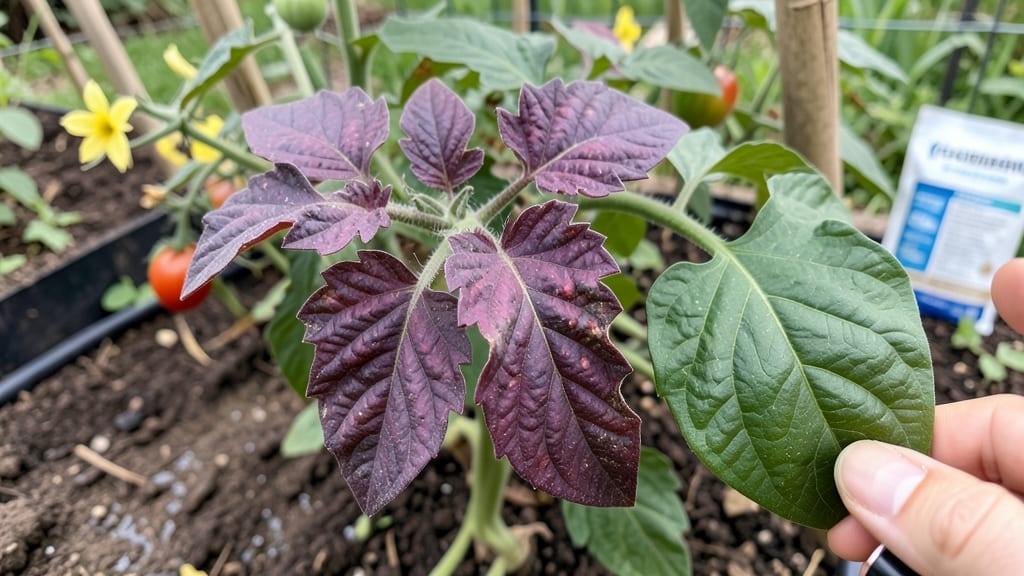
Seeing the tomato purple leaf disorder on your plants isn’t just an eyesore—it’s a warning sign that demands attention. 🌱 I’ve seen this disorder ruin harvests, but the right fix restores those deep greens in just a few weeks.
The purple hue usually means phosphorus deficiency, but it could also signal magnesium issues, overwatering, or even fungal stress.
First, check your soil—purple leaves often mean hungry roots. A simple soil test reveals what’s missing, but you can start with a balanced fertilizer (like 10-10-10) to cover your bases.
If the soil stays soggy, improve drainage immediately—root rot worsens the problem. And don’t ignore the undersides of leaves for hidden pests or fungal spores.
Within 10-14 days of correcting the issue, you’ll see new growth returning to that rich, healthy green. The plants will rebound faster if you also prune any severely affected leaves to redirect energy. This isn’t a permanent fix—it’s about giving your tomatoes the right conditions to thrive again.
For stubborn cases, consider a foliar spray with magnesium sulfate (Epsom salt) or a targeted fungicide if disease is the culprit. And next season, rotate crops and amend your soil with compost to prevent recurrence. Your harvest is worth the effort!
Root Causes of Purple Leaves
When your tomato plants start showing off those unexpected purple hues on their leaves, it’s usually a cry for help—not a fashion statement. Understanding the real triggers behind this issue is the first step to restoring your plants’ lush green vibrancy.
Below, we break down the most common culprits, backed by science, so you can diagnose (and fix) the problem fast.
Purple leaves often signal a lack of key nutrients, particularly when your tomatoes are growing fast or stressed. Here’s what’s missing—and how to spot it:
- Phosphorus Shortage:
Phosphorus is the energy currency of plants, crucial for root growth and flowering. When levels dip, leaves may turn deep purple or reddish, especially along the veins or undersides. This is common in cool soil or when soil pH is off (too acidic or alkaline).
Quick fix: Amend soil with bone meal or a balanced 5-10-10 fertilizer (phosphorus is the middle number). Test your soil pH—aim for 6.0–6.8 for tomatoes.
- Potassium Deficiency:
Potassium acts like a bodyguard for plants, helping them manage stress and water. Without enough, leaves may develop purple or brown edges with yellowing between veins (a classic "scorch" look). This often happens in sandy or leached soils or after heavy rainfall washes away nutrients.
Quick fix: Use a potassium-rich fertilizer (like 0-0-50 or wood ash) or compost. Avoid overwatering, which flushes potassium out.
- Nitrogen Imbalance:
While too little nitrogen causes pale, yellow leaves, an excess of nitrogen relative to phosphorus/potassium can also trigger purple tinges. This is common if you’ve over-fertilized with high-nitrogen sources (like fresh manure or synthetic 30-0-0).
Quick fix: Switch to a balanced fertilizer (e.g., 10-10-10) or add compost to stabilize nutrient ratios.
💡 Pro Tip: Purple leaves on young leaves? Likely a phosphorus issue. On older leaves? Potassium is probably the culprit. Act fast—nutrient deficiencies weaken plants and reduce yields!
Tomatoes are tropical at heart—they hate extremes. When temperatures, light, or moisture stray from their comfort zone, purple leaves can appear as a survival tactic. Here’s how to spot environmental triggers:
- Cold Soil or Air:
Tomatoes thrive in warm soil (60–90°F). If nighttime temps drop below 50°F or soil stays chilly (common in early spring or high-altitude gardens), roots struggle to absorb nutrients. The plant may produce anthocyanins (purple pigments) to protect cell membranes from damage.
Quick fix:
- Use row covers or black plastic mulch to warm soil.
- Plant in raised beds or containers for faster soil heating.
- Avoid planting until soil reaches at least 60°F.
- Too Much or Too Little Sun:
Tomatoes need 6–8 hours of direct sunlight daily. Without enough light, they can’t photosynthesize efficiently, leading to purple stems and leaves as the plant conserves energy. Conversely, scorching afternoon sun (especially in hot climates) can cause stress-induced purpling.
Quick fix:
- Move containers to a sunnier spot or prune nearby shade trees.
- Use shade cloth (30–50%) in extreme heat (above 90°F).
- Ensure proper spacing (18–24" apart) to prevent overcrowding.
- Water Stress (Over or Under):
Tomatoes are sensitive to moisture extremes. Drought stress triggers anthocyanin production to protect leaves, while overwatering (leading to root rot) can also cause purpling as the plant struggles to uptake nutrients.
Quick fix:
- Water deeply 1–2 times per week (1–1.5 inches total), focusing on soil, not leaves.
- Use drip irrigation or soaker hoses to keep roots consistently moist.
- Improve drainage with organic matter (compost, perlite) if soil is clay-heavy.
✨ Remember: Purple leaves from environmental stress often appear uniformly across the plant. If the issue is widespread, focus on whole-plant care (soil temp, light, water) before diving into fertilizers.
While less common, diseases and pests can also cause purple discoloration as a secondary symptom. Here’s how to tell if something sinister is at play:
- Fungal Infections (e.g., Early Blight, Verticillium Wilt):
Some fungal diseases (like Alternaria solani) cause purple-brown spots or streaks on leaves, often paired with yellowing or wilting. These pathogens block nutrient flow, leading to purpling.
Quick fix:
- Remove infected leaves immediately and dispose of them (don’t compost!).
- Apply copper fungicide or neem oil preventatively.
- Improve air circulation with proper spacing and pruning.
- Viral Infections (e.g., Tomato Mosaic Virus):
Viruses like TMV can cause mottled purple or yellow patterns on leaves, along with stunted growth. Spread by aphids or contaminated tools, viruses are often incurable.
Quick fix:
- Isolate infected plants to prevent spread.
- Control aphids with soapy water sprays or ladybugs.
- Disinfect tools with rubbing alcohol between plants.
- Root-Knot Nematodes:
These microscopic worms damage roots, reducing nutrient absorption and causing purple or stunted leaves
Fix Purple Leaves Fast
Now that you know the root causes behind tomato purple leaf disorder, let’s roll up our sleeves and get those plants back to their vibrant, healthy selves! The good news?
Most fixes are simple, cost-effective, and require minimal effort. Below, we’ve mapped out practical solutions for each common cause—plus prevention tips to keep your tomatoes thriving long-term.
If your tomatoes are showing purple hues due to lack of nutrients, it’s time to give them a quick energy boost.
🔥 Low Phosphorus (P) Fix: Phosphorus helps roots grow strong and flowers bloom.
Apply a balanced fertilizer (like 10-10-10) or a phosphorus-rich supplement (bone meal or rock phosphate). - How to apply: - Sprinkle 1-2 tablespoons of bone meal around the base of each plant (but not touching the stem). - Water thoroughly to activate nutrients. - Repeat every 4-6 weeks during the growing season.
🍳 Low Potassium (K)
Fix: Potassium strengthens cell walls and improves disease resistance.
Use a potassium sulfate or wood ash (for organic gardens). - How to apply: - Mix 1 tablespoon of potassium sulfate per gallon of water and water the soil. - Alternatively, sprinkle wood ash lightly around plants (avoid overuse—too much raises soil pH). - Reapply every 3-4 weeks for best results.
👨🍳 General Fertilizer Fix
If you’re unsure which nutrient is missing, go for a slow-release organic fertilizer (like compost or worm castings).
- How to apply:
- Work 2-3 inches of compost into the topsoil before planting.
- Side-dress with aged manure or fish emulsion mid-season for a nutrient kick.
💡 Pro Tip: Always water before fertilizing to prevent root burn!
Purple leaves can also signal overwatering or underwatering. Let’s dial in the perfect moisture balance.
🌡️ Overwatering or Poor Drainage Fix: Tomatoes hate soggy roots!
Improve drainage and adjust your watering routine. - How to fix: - Amend soil with perlite or sand to improve aeration. - Raise plant beds slightly or use containers with drainage holes. - Water deeply but less frequently—aim for 1-2 inches per week (adjust for climate). - Avoid wetting leaves to prevent fungal issues.
🎯 Underwatering or Drought Stress
Fix: If the soil is bone-dry, your tomatoes will show stress.
Keep moisture consistent. - How to fix: - Mulch heavily (straw or shredded leaves) to retain soil moisture. - Water early in the morning to reduce evaporation. - Use drip irrigation for slow, steady hydration.
✨ Prevention Tip: Stick your finger 1 inch into the soil—if it’s dry, it’s time to water!
If purple leaves are paired with spots, wilting, or yellowing, a pathogen might be at play.
🔪 Early Blight or Septoria Leaf Spot
Fix: These fungal diseases thrive in wet conditions. Prune and sanitize to stop the spread.
- How to treat:
- Remove infected leaves immediately and dispose of them (don’t compost).
- Space plants wider (18-24 inches apart) for better airflow.
- Spray with copper fungicide or neem oil every 7-10 days as a preventative.
- Rotate crops next season—don’t plant tomatoes in the same spot.
🍄 Bacterial Wilt or Other Infections
Fix: Unfortunately, bacterial infections are often untreatable, but you can contain them.
- How to manage:
- Pull affected plants and sterilize tools with rubbing alcohol.
- Avoid overhead watering to limit bacterial spread.
- Plant resistant varieties (like ‘Mountain Merit’ or ‘Celebrity’) next time.
💡 Pro Tip: Copper-based sprays work best when applied preventatively—don’t wait for symptoms!
Purple leaves can also signal heat stress or insufficient light.
🔥 Heat Stress (Too Hot)
Fix: Tomatoes thrive in warm but not scorching conditions (60-85°F).
- How to cool them down:
- Provide afternoon shade with a lightweight row cover or shade cloth.
- Mulch with straw to keep roots cool.
- Water deeply in the morning to help regulate temperature.
☀️ Light Stress (Too Little Sun)
Fix: Tomatoes need 6-8 hours of direct sunlight daily.
- How to boost light:
- Move plants to a sunnier spot (or use a reflective mulch like white plastic).
- Prune nearby shade trees/shrubs blocking sunlight.
- Use grow lights (LED or fluorescent) for indoor/container tomatoes.
🎯 Prevention Tip: Monitor weather forecasts—if a heatwave is coming, shade cloth is your best friend!
Once you’ve fixed the issue, lock in those lush green leaves with these long-term strategies:
Prevention Step How to Do It Soil Test Test soil before planting—amend based on results (add lime for acidity, compost for nutrients). Mulch Heavily Use 2-3 inches of organic mulch (straw, grass clippings) to retain moisture and suppress weeds. Rotate Crops Avoid planting tomatoes in the same spot yearly—wait 3 years before replanting. Prune Properly Remove lower leaves to improve airflow and suckers to focus energy on fruit. Monitor Regularly Check plants weekly for early signs of stress, pests, or disease. Final Thought: Purple leaves don’t mean your tomato plants are doomed—they’re just screaming for help! With the right fixes, your plants will bounce back faster than you think. 🚀🍅 Happy growing!
Frequently asked questions
1What's the fastest way to tell if my tomato's purple leaves are from phosphorus deficiency?
Check the youngest leaves—if they show deep purple or reddish veins, it's likely phosphorus. Older leaves turning purple usually means potassium deficiency. Take a soil sample for confirmation, but act quickly: bone meal or a 10-10-10 fertilizer applied around the roots (not touching stems) can show improvement in 7-10 days.
2Can I use Epsom salt for tomato purple leaf disorder?
Yes, but only if magnesium deficiency is the issue. Mix 1 tablespoon of Epsom salt (magnesium sulfate) per gallon of water and spray it on leaves weekly for 2-3 weeks. Purple leaves from magnesium usually appear as interveinal yellowing with purple edges. Test soil first—if phosphorus is the real culprit, Epsom salt won't help and could worsen imbalances.
3Why do my tomato leaves turn purple after heavy rain?
Heavy rain can wash away nutrients or create waterlogged soil, both of which stress plants. The purple color appears as the plant produces anthocyanins (protective pigments) when roots can't absorb nutrients efficiently. Improve drainage immediately by adding perlite or compost, and apply a balanced fertilizer (like 5-5-5) to replenish lost nutrients.
4Is it safe to eat tomatoes with purple leaves?
Yes, the fruit itself is usually safe to eat even if leaves show purple—it's a nutrient deficiency or stress indicator, not a toxin. However, if purple appears with yellowing, wilting, or spots, check for disease first. For peace of mind, harvest tomatoes immediately and focus on fixing the plant's issues to ensure future crops stay healthy.
5How can I prevent purple leaves next season?
Start with a soil test before planting and amend based on results. Use compost-rich soil, mulch heavily, and maintain consistent moisture. Choose disease-resistant varieties, rotate crops yearly, and avoid over-fertilizing with high-nitrogen products. For containers, use a slow-release fertilizer to prevent nutrient spikes.
- How to apply: