
Planting
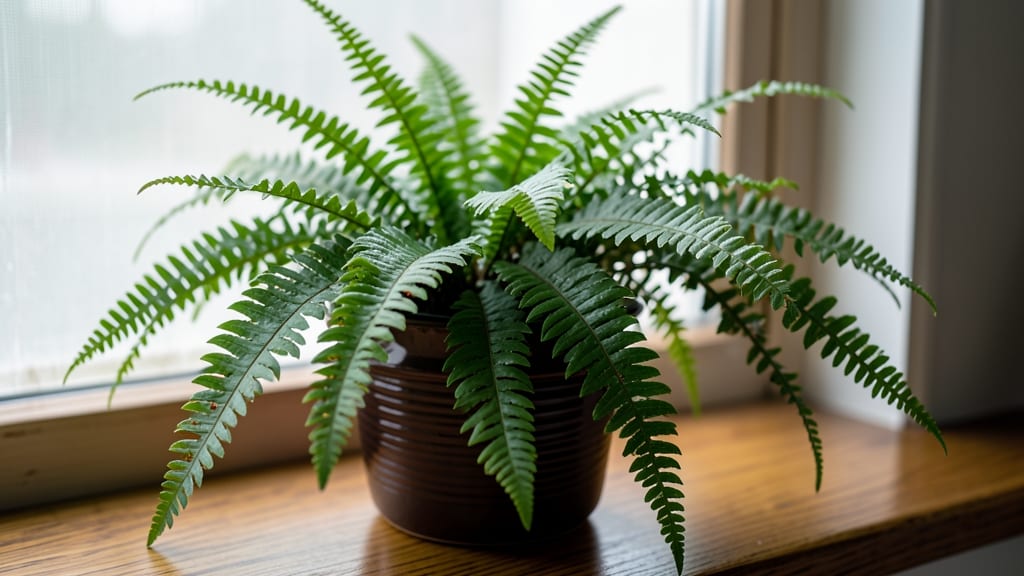
Mastering the identification of this 5-leaf plant can be a game-changer for gardeners and nature lovers alike—because one wrong guess could mean skin irritation or ruined crops. 🌿 I’ve spent years sorting through toxic lookalikes like poison ivy and safe varieties such as cannabis, and the difference often comes down to tiny details: leaf shape, arrangement, and even the stem’s texture.
The biggest mistake? Assuming all five-leaf plants are the same. Poison ivy’s leaves grow in clusters with a smooth edge and a single stem, while cannabis leaves are jagged, fan-shaped, and grow directly from the stem.
A quick rub test (if you’re unsure) can reveal itchy oils—but better yet, learn the visual cues first.
Once you master these distinctions, you’ll spot them instantly: poison ivy’s "leaves of three, let it be," cannabis’ serrated edges, or even the rare but safe five-leafed plants like some fig varieties. The payoff? Confidence in your garden, safer outdoor adventures, and no more second-guessing.
This isn’t just about avoiding rashes—it’s about unlocking the right care for plants you want to grow. Whether you’re a gardener, hiker, or just curious, these tricks will keep you safe and informed. Let’s break it down.
Behind the Leafy Deception
When it comes to identifying plants with five leaflets—like the infamous toxic poison ivy—misidentification often boils down to a mix of natural growth patterns, environmental stress, and human error.
Understanding the root causes (literally and figuratively) of these mix-ups can help you spot the difference before it’s too late. Here’s why confusion happens—and how to avoid it.
Not all plants follow the same rules. Some species, like Virginia creeper or boxelder, naturally produce leaves with five leaflets—but their structure, color, and arrangement differ from toxic lookalikes. Here’s why genetics play a role:
- Natural mutations: Some plants develop extra leaflets due to genetic quirks, mimicking poison ivy’s signature trio. For example, boxelder (a safe tree) often has five leaflets, but its leaves are palmately compound (all leaflets radiate from a single point) rather than the pinnately compound (leaflets arranged along a central stem) pattern of poison ivy.
- Juvenile vs. mature leaves: Young plants may start with fewer leaflets, gradually developing the "five-leaf" look as they age. Poison ivy seedlings might begin with just three leaflets before maturing into the classic trio.
- Hybridization: Crossbreeding between related species (e.g., poison oak and poison ivy) can create hybrid plants with irregular leaf counts. These hybrids may have four, five, or even seven leaflets, blurring the lines.
💡 Pro Tip: Always check the arrangement of leaflets. Poison ivy’s leaflets grow in pairs along a central stem (pinnate), while safe plants like Virginia creeper have leaflets spreading from a single point (palmate).
Plants under stress—whether from drought, disease, or poor soil—can develop abnormal leaf structures. This is especially true for poison ivy, which may produce distorted or extra leaflets when:
| Stressor | Effect on Leaves | How to Spot It |
|---|---|---|
| Drought | Leaves may shrivel or grow additional leaflets to maximize photosynthesis. | Check for dry, crispy edges or smaller-than-usual leaves. |
| Nutrient deficiency (e.g., nitrogen or magnesium) | Leaves may split or develop extra leaflets to compensate. | Look for yellowing between veins (chlorosis) or purple stems. |
| Fungal/bacterial infections | Pathogens can alter leaf growth, mimicking poison ivy’s pattern. | Inspect for spots, mold, or unusual textures. |
| Physical damage (e.g., grazing animals, wind) | Broken leaves may regrow with irregular shapes or extra leaflets. | Search for scars, tears, or uneven growth. |
✨ Key Takeaway: If a plant’s leaves look "off," it’s likely stressed. Poison ivy in distress may still retain its hairless stems and glossy leaflets, while safe plants often have fuzzy stems or rough textures.
Even experienced gardeners can misjudge a plant’s identity. Common mistakes include:
- Ignoring the stem: Poison ivy’s smooth, hairless stems are a dead giveaway. Safe plants like toxicodendron radicans’s non-toxic cousin, toxicodendron succedaneum (Japanese lacquer tree), often have rough or hairy bark.
- Focusing only on leaves: Some safe plants (e.g., five-leaf acerola cherry) have five leaflets but grow in tropical climates with thick, waxy leaves—unlike poison ivy’s thin, delicate foliage.
- Seasonal changes: In fall, poison ivy’s leaves turn red or orange, while Virginia creeper turns deep purple-black. Confusing them in autumn is a classic error!
- Relying on color alone: Young poison ivy leaves start green, but so do many safe plants. Always check for leaf arrangement, stem texture, and growth habit.
🎯 Actionable Fix: Use the "Leaflet Rule of Three"—if a plant has three leaflets with one at the end of a stem, assume it’s toxic until proven otherwise. For five-leaf plants, ask:
- Are the leaflets pinnate (poison ivy) or palmate (safe)?
- Does the stem have hair (safe) or look smooth (toxic)?
- Is the plant a vine (poison ivy) or a tree/shrub (likely safe)?
Some regions have multiple five-leaf plants growing side by side, increasing the risk of mix-ups. For example:
- Eastern U.S.: Poison ivy shares space with Virginia creeper (five leaflets, blue berries) and boxelder (five leaflets, samara fruits).
- Western U.S.: Pacific poison oak (five leaflets, lobed like oak leaves) grows near California buckeye (five leaflets, toxic seeds but safe leaves).
- Tropical areas: Five-leaf acerola cherry (edible fruit) may grow near poison sumac (seven+ leaflets, but still dangerous).
📊 Regional Cheat Sheet:
| Region | Toxic Lookalike | Safe Counterpart | |||||||||||
|---|---|---|---|---|---|---|---|---|---|---|---|---|---|
| Eastern U.S. | Poison ivy (Toxicodendron radicans) | Virginia creeper (Parthenocissus quinquefolia) | |||||||||||
| Western U.S. | Pacific poison oak (Toxicodendron diversilobum) | California buckeye (Aesculus californica) | |||||||||||
| Tropical | Poison sumac (Toxic
Quick Fixes for Common 5-Leaf Plant ConfusionsGot a plant with five leaves and no clue if it’s safe or toxic? Don’t panic—we’ve got you covered. Below are practical, step-by-step solutions to help you identify and manage your plant confidently. Whether it’s a misidentified houseplant, an accidental ingestion scare, or just curiosity, these fixes will keep you (and your loved ones) safe. Not all five-leaf plants are created equal! Start by examining these key features:
Are the leaves lobed, jagged, or smooth-edged? - Size & Color: Compare your plant to images of poison ivy, Virginia creeper, or safe lookalikes like the five-finger plant (Potentilla). 💡 Pro Tip: Use a magnifying glass or your phone’s camera to zoom in on leaf veins and undersides—some toxic plants have white or rust-colored hairs. If your plant matches any of these red flags, take action immediately:
⚠️ Warning: If ingestion or skin contact occurs, call Poison Control (1-800-222-1222 in the U.S.)—even safe plants can cause stomach upset if eaten in large amounts. Want to replace a toxic plant with a non-toxic, five-leaf alternative? Try these:
🔥 Prevention Tips: ✅ Label your plants with tags or a plant identification app (like PlantSnap). ✅ Wear gloves when handling unknown plants. ✅ Teach kids/pets the "Leaves of Three, Let It Be" rule (for poison ivy). ✅ Check for berries—many toxic plants (like Virginia creeper) have them! Once identified, keep your plant thriving with these easy-care tips:
🌡️ Temperature & Humidity:
Before you relax, run through this quick safety quiz:
If you’re still unsure, send a photo to a local nursery or plant forum—most gardeners love helping with ID! 🌱 Frequently asked questions
1
What’s the quickest way to tell if a five-leaf plant is poison ivy?Look for three key clues: smooth, hairless stems, leaflets arranged in pairs along a central stem (pinnate), and glossy green leaves. Poison ivy rarely has true five-leaf clusters—it’s usually three leaflets per stem. If the leaflets radiate from a single point (palmate) or the stem is fuzzy, it’s likely safe.
2
Are there any safe plants that naturally have five leaflets?Yes! The five-finger plant (Potentilla) and Virginia creeper are common safe varieties. Look for fuzzy stems, lobed edges, or blue-black berries (Virginia creeper) to confirm. Even some fig varieties and acerola cherries have five leaflets—just avoid plants with smooth stems and no berries.
3
Can a plant with five leaves be toxic even if it doesn’t look like poison ivy?Some Pacific poison oak varieties have five lobed leaves, and poison sumac (though usually 7+ leaflets) can mimic safe plants in distress. Always check for white sap, reddish stems, or unusual berries. When in doubt, use a plant ID app or consult a local nursery.
4
What should I do if I accidentally touch a five-leaf plant and break out in a rash?Wash the affected area with cold water and soap immediately, then apply calamine lotion or hydrocortisone cream to reduce itching. For severe reactions, see a doctor—oral antihistamines or steroid creams may help. Keep a first-aid kit with these supplies when hiking or gardening.
5
How can I safely remove poison ivy from my yard?Wear long sleeves, gloves, and goggles—urushiol oil (the irritant) can spread through the air. Cut the plant at the base, then bag and dispose of it immediately (don’t burn!). For large patches, use a vinegar-based herbicide (20% acetic acid) or cover the area with black plastic for 4-6 weeks to smother it. |