
Container Gardens
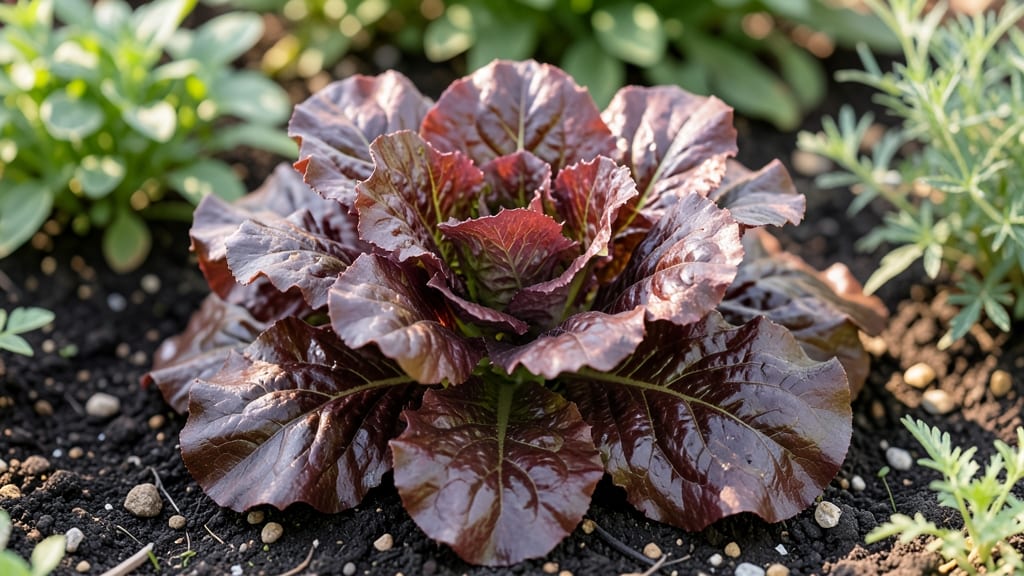
Growing red leaf lettuce in containers gives you crisp, deep burgundy leaves that taste sweeter than store-bought—no garden required. 🌱 I learned the hard way that this variety thrives in cool weather and small spaces, but even my first attempt produced enough for salads all summer.
The secret isn’t complicated: it’s about keeping the soil moist, shielding it from heat, and harvesting leaves before the plant bolts.
You’ll need a 5-7 gallon container with drainage, well-draining potting mix, and a spot that gets 4-6 hours of morning sun (afternoon shade is key in hot climates). Red leaf lettuce grows best from seed sown ¼ inch deep, 12 inches apart, or as transplants spaced 6-8 inches apart.
Water gently at the base—avoid wetting the leaves to prevent disease, and keep the soil consistently moist but never soggy.
Within 3-4 weeks, you’ll see tender leaves ready for harvest. The beauty of red leaf is you can snip outer leaves as needed—the plant keeps producing for 6-8 weeks before bolting.
For extra flavor, pinch off flower stalks early. If pests like aphids or slugs appear, a spray of soapy water or neem oil does the trick without harming the plant.
This lettuce is bolt-resistant compared to other varieties, making it perfect for late summer or early fall planting. Even in small balconies or windowsills, it delivers. Once you master this, try growing other leafy greens like arugula or spinach—your container garden will never be the same.
📚 In This Guide
- What you need
- Instructions
- Tips and common mistakes
- Wrapping up and next steps
What you need
- ● Red Leaf Lettuce Seeds – Choose a heirloom or organic variety (e.g., Red Salad Bowl or Oak Leaf). Quantity: 1 packet (typically 500–1,000 seeds).
- ● Growing Containers – Use 5–6 inch deep pots, hanging baskets, or window boxes with drainage holes. Quantity: 1–2 containers per person (or 3–4 for sharing).
- ● High-Quality Potting Mix – Opt for a well-draining, organic blend (e.g., Miracle-Gro Organic Potting Soil or FoxFarm Ocean Forest). Quantity: 1–2 bags (depending on container size).
- ● Slow-Release Fertilizer – A balanced, organic fertilizer (e.g., Fish emulsion or Alfalfa meal). Quantity: 1–2 tbsp per container.
- ● Watering Can or Spray Bottle – For gentle, even moisture (avoid over-saturating roots).
- ● Gloves – To keep hands clean while handling soil.
- ● Trowel or Small Shovel – For transplanting seedlings.
- ○ Seedling Trays (Optional) – If starting indoors, use biodegradable peat pots or small trays.
- ○ Row Cover or Shade Cloth (Optional) – For protection from pests or intense sun (30–50% shade cloth works well).
- ○ Compost or Worm Castings (Optional) – Boosts soil nutrients naturally.
- ● Sunlight: Partial shade to full sun (4–6 hours of morning sun, especially in hot climates).
- ● Temperature: Ideal range is 45–75°F (7–24°C); avoid frost or extreme heat.
- ● Watering Schedule: Keep soil consistently moist (not soggy) but avoid waterlogging.
- ● Spacing: Thin seedlings to 6–8 inches apart for optimal growth.
Step-by-Step instructions for growing red leaf lettuce in containers
Here's how to cultivate vibrant red leaf lettuce with tender leaves and rich color—perfect for container gardens.
🌱 Step 1: Prepare Containers and High-Quality Soil
Choose containers at least 6 inches deep with drainage holes—red leaf lettuce thrives in shallow roots but needs airflow to prevent rot. I use 8-inch pots for each plant since they produce 4-6 leaves per harvest, and the burgundy foliage looks stunning when spaced properly. Fill the bottom third with coarse perlite or gravel to improve drainage, then add 2-3 inches of premium potting mix—never garden soil, which compacts and suffocates roots.
Press the soil down lightly to eliminate air pockets, then moisten it until it holds together when squeezed but doesn't drip. The ideal texture is like a damp sponge—firm enough to support stems but loose enough for roots to spread. I like to add a slow-release fertilizer (like 5-10-5) mixed into the soil at this stage to give the lettuce a steady nutrient supply without risking burn from over-fertilizing.
🌿 Step 2: Sow Seeds at the Right Depth and Spacing
Sow 3-4 seeds per pot, about ¼ inch deep—this is critical because deeper planting delays germination while shallower sowing risks drying out the seeds before they sprout. Space the seeds 2 inches apart in a loose circle to allow airflow and prevent fungal issues. I use my finger to create small indentations, then drop the seeds in and cover lightly with a sprinkle of additional soil.
Mist the surface with a spray bottle until evenly damp—don't use a watering can, as the force will dislodge seeds. Place the pots in a warm, shaded area (around 65-70°F) until germination, which typically occurs in 7-10 days. Watch for the first tiny green shoots breaking through the soil; this is your signal that the seeds have successfully sprouted and the real work begins.
☀️ Step 3: Provide Gentle Light and Consistent Moisture
Once seedlings emerge, move them to bright, indirect light for the first week to prevent leggy growth. Red leaf lettuce prefers 4-6 hours of morning sun but will bolt (go to seed) if exposed to hot afternoon rays—this is why containers are ideal; you can easily shift them to shade if temperatures rise above 75°F. After a week, gradually introduce 3-4 hours of afternoon sun to harden the leaves for their deep burgundy color.
Water the soil when the top inch feels dry—this usually means every 2-3 days, but adjust based on your climate. I water at the base with a gentle stream to avoid disturbing the soil, and I always use room-temperature water to prevent shocking the roots. Overwatering is the fastest way to turn crisp lettuce into sad, limp leaves, so let the soil dry slightly between waterings. You'll know you're doing it right when the leaves stay plump and upright rather than wilting or yellowing.
✂️ Step 4: Thin and Harvest for Continuous Growth
When seedlings reach 2 inches tall, thin to the strongest 2 plants per pot by snipping the weaker stems at the base with clean scissors. This might seem wasteful, but crowded lettuce competes for nutrients and light, resulting in small, bitter leaves. The thinned plants can be added to salads immediately—they're tender and packed with flavor.
Harvest the outer leaves when they reach 3-4 inches long, cutting just above a set of lower leaves to encourage regrowth. Red leaf lettuce is cut-and-come-again, meaning you'll get 3-4 harvests per plant before the center bolts. Watch for the tightening of the inner leaves or the appearance of a flower stalk—this signals the end of the harvest cycle. If this happens, pull the entire plant and compost it to avoid reseeding in your garden.
🌿 Step 5: Maintain Soil and Extend the Season
After each harvest, top-dress the soil with ½ inch of compost to replenish nutrients and improve texture. This is especially important if your lettuce is producing for more than 6 weeks, as the soil will deplete quickly in containers. I also add a liquid seaweed fertilizer every 2 weeks to boost disease resistance and keep the burgundy color vibrant.
To extend the growing season, protect plants from frost by covering them with frost cloth or moving pots to a sheltered location. Red leaf lettuce is cold-hardy down to 20°F, but it grows best between 40-70°F. If summer heat arrives, provide afternoon shade and increase watering frequency to daily to prevent bolting. With these adjustments, you can enjoy crisp, flavorful red leaf lettuce for 3-4 months in containers.
Tips & tricks for growing vibrant red leaf lettuce in containers
These practical insights will help you cultivate the most stunning burgundy lettuce possible—right from your balcony or windowsill.
Container Selection Matters: While 6-inch depth is the minimum, I've found that 8-inch pots give your red leaf lettuce the room to develop those deep, vibrant leaves we all love. The extra space prevents root competition, which means fewer bitter-tasting leaves. If you're using decorative containers without drainage holes, elevate them on saucers and water sparingly—root rot is the silent killer of container lettuce.
Germination Temperature is Non-Negotiable: Those 65-70°F temperatures in Step 2 aren't just suggestions—they're critical for consistent germination. If your home runs cooler, consider using a seedling heat mat for the first week. I've seen germination rates drop by 40% when seeds sit in temperatures below 60°F. Pro tip: Place your pots on top of the fridge during germination for that perfect warm spot without extra equipment.
Light Management Prevents Bolting: The 4-6 hours of morning sun followed by gradual afternoon sun introduction is key to maintaining that signature burgundy color. When temperatures climb above 75°F, move your containers to partial shade immediately. I've lost multiple batches to bolting because I waited too long to adjust—now I keep a portable shade cloth handy for those unexpectedly hot days. The color difference between properly shaded and overheated lettuce is dramatic.
Harvesting Technique Maximizes Yield: When harvesting those 3-4 inch leaves, always cut just above a set of lower leaves—this is where new growth emerges. I've found that using clean, sharp scissors (not fingers!) prevents tearing and disease transmission. The 3-4 harvests per plant promise holds true if you maintain this technique consistently. For continuous production, I harvest every 7-10 days, which keeps my supply fresh for months.
Pro Tips for Growing Red Leaf Lettuce
- These practical insights will help you cultivate the most stunning burgundy lettuce possible—right from your balcony or windowsill.
- Container Selection Matters: While 6-inch depth is the minimum, I've found that 8-inch pots give your red leaf lettuce the room to develop those deep, vibrant leaves we all love.
- Germination Temperature is Non-Negotiable: Those 65-70°F temperatures in Step 2 aren't just suggestions—they're critical for consistent germination.
Frequently asked questions
Got questions about growing red leaf lettuce? You’re not alone! Here are answers to the most common queries—whether you're a beginner or just looking for quick tips to keep your plants thriving.
How long does it take to grow red leaf lettuce from seed?
Red leaf lettuce typically takes 30 to 50 days to mature from seed, depending on your climate and growing conditions. For baby leaves, you can harvest as early as 4-6 weeks. In cooler weather, it may take longer, so start seeds indoors 4-6 weeks before your last frost date for a head start!
Can I grow red leaf lettuce in hot weather?
Red leaf lettuce prefers cool temperatures (50–65°F), but it can bolt (go to seed) in heat above 75°F. To beat the heat, grow it in partial shade, keep soil moist, and opt for shade cloth if temps rise. Alternatively, try growing it in late summer for a fall harvest or in containers where you can move it to cooler spots.
What’s the best container size for red leaf lettuce?
Aim for containers that are at least 6–12 inches deep and 12+ inches wide per plant (or cluster 3–4 plants in a larger container). Shallow pots may stunt root growth, while deeper containers allow for better moisture retention. Pro tip: Add a 1–2 inch layer of compost to the bottom for extra nutrients!
Why are my red leaf lettuce leaves turning yellow or wilted?
Yellowing leaves often signal overwatering or nutrient deficiency, while wilting can mean underwatering or root stress. Check the soil—it should stay consistently moist but not soggy. If leaves are pale, add a balanced fertilizer (like 5-5-5) or compost. Pests like aphids can also cause wilting; spray with soapy water if you spot them!
Can I grow red leaf lettuce indoors with grow lights?
Red leaf lettuce thrives indoors under 12–14 hours of grow light daily. Use LED grow lights 6–12 inches above the plants and keep them 4–6 inches from the leaves to prevent stretching. A sunny windowsill works too, but supplement with lights for stronger, crispier leaves.
What can I plant after red leaf lettuce in containers?
Red leaf lettuce is a fast grower, so you can often replant the same container with another leafy green (like spinach or kale), radishes, or even herbs (basil, cilantro). Avoid heavy feeders like tomatoes, which compete for nutrients. Pro tip: Rotate crops to prevent soil depletion!
Wrapping up and next steps
Growing red leaf lettuce in containers is a rewarding journey—packed with vibrant color, crisp texture, and minimal space requirements! With the right soil, sunlight, and care, you’ll enjoy a bountiful harvest of nutrient-rich greens straight from your balcony or patio. 🌱
Ready to take the next step? Start by planting your seeds or seedlings this week and watch your container garden transform. Soon, you’ll be savoring homegrown salads with pride—and maybe even sharing your success with neighbors! 🥗✨