
Plants
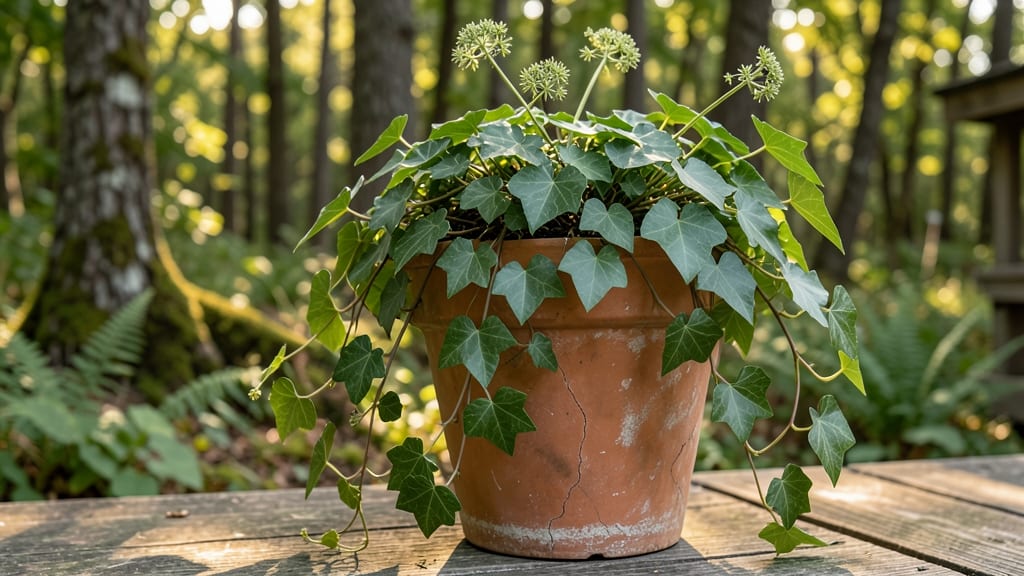
That sneaky 5-leaf vine weed could be poison ivy or Virginia creeper—both notorious for taking over yards and gardens. 🌿 I’ve wrestled with both in my own yard, and the first step is telling them apart before they spread like wildfire.
Poison ivy’s leaves itch like crazy and trigger rashes, while Virginia creeper is harmless but just as aggressive. The real headache starts when you don’t catch it early. One season, I ignored a patch of Virginia creeper until it climbed my fence and smothered my roses.
Now I inspect every vine with 5 leaves—especially in spring when growth explodes. A quick rub with your thumb (if it’s Virginia creeper, it leaves a blue-gray stain) or the classic "leaves of three, let it be" rule helps.
Removing it isn’t just about pulling—you’ve got to dig out those roots or smother them with cardboard and mulch. I’ve tried vinegar sprays (works for poison ivy but burns plants nearby) and manual digging (best for small patches). The key is acting fast before it chokes your garden.
Prevention? Keep your yard mowed, monitor new growth, and teach kids the "leaves of three" rule. Trust me, a few minutes now saves hours of frustration later.
Root Causes of Unwanted Spread
If you’ve spotted five-leaf vine weed (also called Pentagonia pentandra or Hydrocotyle species) creeping into your garden, yard, or even your indoor spaces, you’re not alone. This tenacious plant thrives in specific conditions, and understanding why it takes hold is the first step to reclaiming your space.
Below, we break down the key factors that fuel its rapid growth—and how they work against you.
The five-leaf vine weed is a water-loving plant, and it exploits soggy soil like a pro. Here’s why it thrives in damp conditions:
- High humidity + stagnant water = perfect breeding ground. This weed spreads via stolons (horizontal runners) that root at every node when submerged or overly moist. If your garden has poor drainage, water pools around the plant, encouraging these runners to take hold.
- Root competition is low. In wet soil, native plants often struggle, leaving five-leaf vine weed as the dominant species. It outcompetes slower-growing vegetation by smothering it under its dense mat.
- Dormant seeds germinate easily. Even if you’ve removed visible plants, buried seeds can lie in wait until soil moisture triggers their growth. A single overlooked patch can reseed your entire yard in a season.
Actionable fix: Improve drainage by amending soil with compost or sand, and avoid overwatering. If you have a boggy area, consider replacing it with gravel or a raised bed.
While some weeds thrive in full sun, five-leaf vine weed is a shade-tolerant opportunist. It exploits low-light areas where other plants can’t survive, making it a common nuisance in:
- Underneath trees or shrubs
- Along fences or structures
- Indoor spaces (e.g., bathrooms, kitchens with high humidity)
- Shady corners of gardens or patios
Without competing plants, it spreads unchecked. Its broad leaves also block sunlight from reaching the soil, further suppressing native flora. In shady conditions, it grows slower but becomes harder to eradicate because its runners stay hidden beneath leaf litter.
Actionable fix: Thin out dense foliage to improve airflow and sunlight penetration. If the area is permanently shaded, mulch heavily with wood chips to suppress weed growth.
Five-leaf vine weed isn’t just a garden pest—it’s an invasive species in many regions, meaning it disrupts local plant communities. Here’s how:
- No natural predators. Unlike native weeds, five-leaf vine weed lacks herbivores or pathogens that would normally keep its population in check. This allows it to spread aggressively without ecological resistance.
- Outcompetes native plants. Its rapid growth and dense foliage smother ground covers like clover or moss, reducing biodiversity. This is especially problematic in wetland areas, where it can alter soil chemistry and water flow.
- Human activity spreads it. Gardeners often unknowingly transport fragments via contaminated soil, water, or tools. Even a small piece of root or leaf can regrow into a full plant.
Actionable fix: Replace it with native ground covers (e.g., creeping thyme or sedum) that support local wildlife. If you’re in a high-risk area, check with local extension offices for region-specific eradication programs.
Neglect is the five-leaf vine weed’s best friend. Here’s how laziness (or lack of time) fuels its spread:
- Ignoring small patches. A single 3-inch section left untreated can produce dozens of new plants via stolons in just a few weeks. The longer you wait, the harder it is to remove.
- Using the wrong removal methods. Pulling it by hand often leaves root fragments behind, which regrow. Simply chopping it down without follow-up treatment encourages faster regrowth.
- Reusing contaminated tools or soil. Weed trimmers, shovels, and even potting mix can harbor hidden plant fragments. If you don’t clean them properly, you’re just moving the problem elsewhere.
Actionable fix: Adopt a consistent maintenance routine: inspect high-risk areas weekly, remove weeds before they seed, and sterilize tools with a 10% bleach solution or rubbing alcohol.
Pro tip: 💡 Prevention is easier than cure. Mulching with cardboard or landscape fabric in problem areas can block light and prevent regrowth for months. Just ensure it’s secured tightly to avoid gaps!
Natural Removal & Prevention Guide
Now that you understand why invasive vines like the 5-leaf vine weed (or Partenarium spp.) take over your garden, it’s time to tackle them—without harsh chemicals. Below are targeted solutions based on the root cause of your problem, from manual removal to long-term prevention.
Each method is practical, eco-friendly, and designed to work for different garden types.
If your vine is still young or in an early stage of spread, physical removal is the most effective first step.
🔥 Step 1: Identify & Cut at the Base
- When? Early morning or late afternoon (vines are less active).
- How?
- Wear gloves (some vines have irritating sap).
- Use pruning shears or a sharp knife to sever the vine at ground level.
- Do NOT leave stubs—regrowth will happen if even a small piece remains.
- Bag the clippings and dispose of them in sealed trash (not compost)—seeds can survive!
🍳 Step 2: Dig Out the Roots (Critical!)
- Why? If roots remain, the vine will regrow from the same spot.
- How?
- Use a garden fork or trowel to dig 6–12 inches deep around the base.
- Look for thick, white, fibrous roots—pull them out completely.
- Check soil for hidden rhizomes (underground stems) and remove them.
👨🍳 Step 3: Smother or Solarize the Area
- For stubborn regrowth, smother the spot with:
- Cardboard + mulch (block sunlight for 4–6 weeks).
- Black plastic sheeting (leave for 4–8 weeks in hot sun to kill remaining roots).
- Pro Tip: 💡 Water the area first—moist soil conducts heat better, speeding up the process.
For large infestations or vines growing in cracks in pavement, heat treatment is a powerful non-toxic option.
⏰ Step 1: Boil Water & Apply Directly
- Best for: Young vines or those in small clusters.
- How?
- Boil 2–3 gallons of water.
- Pour directly onto the base of the vine (where it meets the soil).
- Repeat every 3–4 days until the plant wilts and dies.
- ⚠️ Caution: Avoid nearby plants—water can spread heat to desirable foliage.
🔥 Step 2: Use a Propane Torch (For Stubborn Spots)
- Best for: Vines growing in concrete or dense mulch.
- How?
- Heat the base of the vine with a torch for 10–15 seconds.
- The sudden heat kills the cambium layer (growth layer), preventing regrowth.
- Wear protective gear (gloves, long sleeves, goggles).
If manual methods aren’t enough, natural herbicides can help break down the vine’s cellular structure without harming your soil.
🎯 Option 1: Vinegar + Salt + Dish Soap (DIY Spray)
- Recipe:
- 1 gallon white vinegar (20% acetic acid)
- 1 cup coarse salt (for drying effect)
- 1 tbsp dish soap (helps stick to leaves)
- How to Use:
- Spray directly on leaves and stems (avoid desirable plants).
- Reapply every 2–3 days until the vine dies.
- ✨ Pro Tip: Test on a small area first—vinegar can alter soil pH over time.
🌱 Option 2: Corn Gluten Meal (Pre-Emergent Barrier)
- Best for: Preventing regrowth from seeds.
- How?
- Sprinkle 1–2 lbs per 100 sq ft over the area where vines were removed.
- Water lightly to activate.
- Reapply after rain to maintain the barrier.
Once you’ve removed the vine, stop it from coming back with these low-maintenance tactics.
🌿 Mulch Heavily (The Best Defense)
- Use: Wood chips, straw, or pine needles (3–4 inches thick).
- Why? Blocks sunlight, suffocates weeds, and retains moisture for your plants.
- Where? Apply around desirable plants and bare soil areas.
🌱 Plant Competitive Ground Covers
- Best choices:
- Clover (crowds out weeds naturally).
- Creeping thyme (drought-resistant, vine-resistant).
- Ajuga (Bugleweed) (spreads quickly, shades soil).
- How? Plant densely to leave no gaps for weeds to take hold.
🔄 Regular Inspections & Early Action
- Check your garden every 2 weeks for new sprouts.
- Pull weeds when small—they’re easier to remove before they spread.
- 💡 Pro Tip: Keep a small trowel in your gardening bag for quick removals!
- ❌ Don’t compost vine clippings—seeds and roots can survive and reinfest your garden.
- ❌ Avoid tilling—it buries roots deeper, making regrowth worse.
- ❌ Don’t use chemical herbicides near edible plants—they can leach into soil and affect crops.
By combining manual removal, heat treatment, organic sprays, and smart prevention, you’ll eliminate 5-leaf vine weed—naturally and for good. Start today, and your garden will thank you! 🌿✨
Frequently asked questions
How can I tell if my 5-leaf vine is poison ivy or Virginia creeper?
Use the thumb test: Rub a leaf between your fingers. Virginia creeper leaves a blue-gray stain while poison ivy leaves nothing. Also check leaf arrangement: Virginia creeper has 5 leaflets in pairs with a single terminal leaf, while poison ivy follows the "leaves of three, let it be" rule. Pro tip: Poison ivy grows in clusters while Virginia creeper often climbs structures.
Will vinegar really kill 5-leaf vine weed permanently?
Vinegar works best on young, healthy vines but requires consistent reapplication (every 2-3 days). For permanent results, combine with manual root removal or smothering techniques. The 1-gallon vinegar + salt + dish soap mix is most effective when applied directly to leaves and stems during sunny days. Test on a small area first—vinegar can harm nearby plants.
How deep do I need to dig to remove all the roots?
Dig 6-12 inches deep around the vine's base to remove all fibrous roots. Look for white, stringy roots—even small fragments can regrow. Use a garden fork to loosen compacted soil, then pull roots out completely. For stubborn patches, repeat the process 2-3 weeks later to catch any new growth. Remember: The deeper you dig, the less likely it is to return.
Can I use boiling water on vines growing in cracks in my driveway?
Yes, boiling water is excellent for driveway cracks! Pour 2-3 gallons directly onto the base where the vine meets the concrete. The heat kills the plant's growth layer immediately. For extra stubborn vines, repeat every 3-4 days until completely dead. Warning: Avoid nearby plants—the water can spread and damage them.
What's the fastest way to prevent regrowth after removal?
Apply black plastic sheeting or cardboard + mulch immediately after removal to block sunlight. For long-term prevention, plant competitive ground covers like clover or creeping thyme that will outcompete weeds. Water the area before applying mulch—moist soil conducts heat better for solarization. Check the area every 2 weeks for new sprouts and remove them immediately.