
Pruning
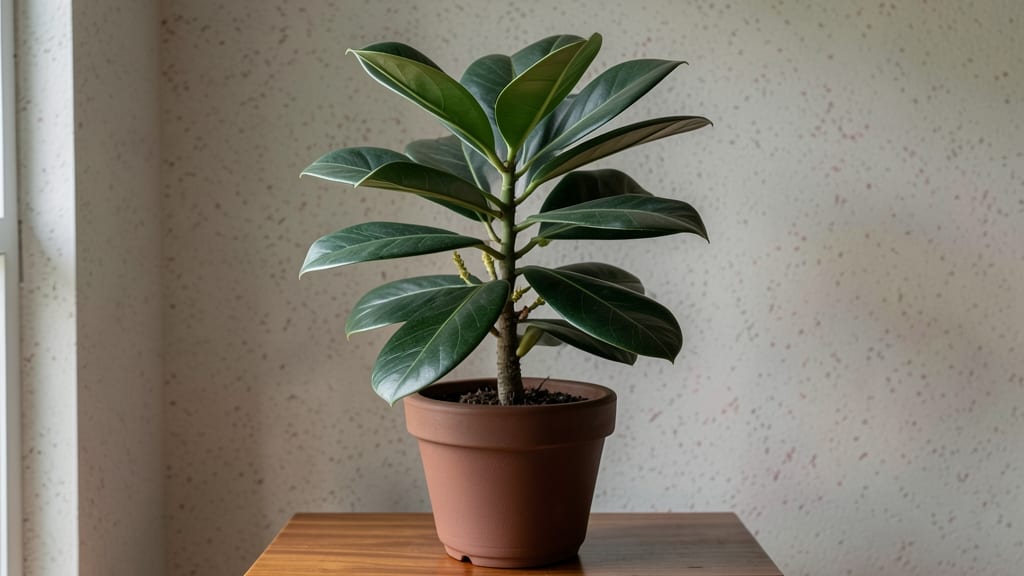
The hardy rubber tree’s leaf is the first clue to its health—and pruning them right keeps that glossy green shine all year. 🌿 I’ve watched these bold plants go from droopy to thriving after just one strategic trim, and the secret isn’t what you think.
It’s not about cutting back willy-nilly; it’s about reading the plant’s signals and giving it the right support to bounce back stronger.
Yellowing leaves? That’s usually overwatering or poor drainage. Brown edges? Too much sun or dry air. And those black spots? Fungal infections love humidity without airflow.
The good news is that with the right tools—a sharp pair of pruners, rubbing alcohol for sterilization, and a clear plan—you can fix these issues before they spread. Most problems disappear within weeks of proper pruning and care.
What you’ll end up with is a plant that looks like it belongs in a conservatory, not just your living room. Leaves stay vibrant and leathery, new growth emerges faster, and pests stay away.
The best part? You’ll spend less time reacting to problems and more time admiring that bold, healthy foliage. It’s all about timing, technique, and a little preventive love.
Works for all Ficus elastica robusta varieties, whether you’ve got one plant or a whole collection. Let’s get those leaves looking their absolute best—without the guesswork. Here’s exactly how to do it right.
📚 In This Guide
- What you need
- Instructions
- Tips and common mistakes
- Wrapping up and next steps
What you need
- ● Sharp pruning shears – Bypass pruners (4-6" blades) for clean cuts on smaller branches.
- ● Pruning saw – For thicker branches (1" or larger). Look for a bow saw or pruning saw with a fine-toothed blade.
- ● Rubbing alcohol (70% or higher) – 4 oz bottle to sterilize tools between cuts and prevent disease.
- ● Garden gloves – A pair of cut-resistant gloves (size medium/large) to protect your hands from sap and thorns.
- ● Disposable pruning bags or bucket – To collect leaves and clippings (1-2 gallon capacity).
- ● Ladder or step stool – If your tree is over 6 feet tall, a sturdy foldable ladder or step stool (rated for 250+ lbs).
- ● Hose or spray bottle – For rinsing tools and cleaning sap off leaves.
- ● Hand pruners with ratcheting mechanism – For easier cutting on stubborn branches.
- ● Sealing wax or pruning paste – Small jar to coat cuts and reduce sap bleeding.
- ● Disinfectant spray – For tools (e.g., 10% bleach solution in a spray bottle).
- ● Compost bin or leaf shredder – To recycle pruned leaves into nutrient-rich compost.
- ● Safety goggles – If working with very large branches or in windy conditions.
Step-by-step instructions for pruning hardy rubber tree leaves
Here's how to keep your rubber tree thriving with simple, effective pruning that boosts leaf health and growth.
🌿 Step 1: Identify and Remove Dead or Yellowing Leaves
Start by examining your rubber tree from top to bottom. Look for leaves that are brown, crispy, or completely yellowed—they're dead and won't recover. Gently twist these leaves between your fingers until they snap off at the stem. You'll feel a slight resistance before they break free cleanly.
Skip the scissors for this step—cutting too close to the stem can damage healthy tissue. If you encounter a stubborn leaf, use clean, sharp pruning shears to make a precise cut just above the leaf node. This prevents unsightly stubs and encourages new growth from the healthy stem below.
✂️ Step 2: Prune for Shape and Airflow
Now focus on shaping the tree. Use your pruning shears to trim back any leggy growth that's stretching toward the light. Aim to create a balanced shape by cutting just above a leaf node where you want new growth to emerge. This ensures the plant doesn't grow unevenly toward the window.
Pay special attention to dense areas where leaves overlap. Thin out some of the inner growth to improve airflow—this prevents fungal issues and helps the remaining leaves get better light exposure. Remember, you're sculpting, not hacking: small, strategic cuts work best for rubber trees.
☀️ Step 3: Encourage Bushier Growth with Strategic Cuts
To promote fuller growth, look for stems that have lost their lower leaves. Cut these back to just above a leaf node about 6-12 inches from the ground. This stimulates new leaf production along the remaining stem, giving your rubber tree that lush, bushy look.
For particularly tall stems, you can make a more dramatic cut—up to 1/3 of the stem length—but only if the stem is at least 1 inch thick**. Thinner stems won't recover as well. After cutting, watch for new leaves to emerge within 4-6 weeks as a sign your pruning worked.
💧 Step 4: Clean Up and Maintain Post-Pruning Care
After pruning, remove all fallen leaves and clippings from the area. This prevents pests and diseases from taking hold in the debris. Wipe down your pruning shears with rubbing alcohol to sterilize them before storing—this keeps your tools ready for next time and prevents cross-contamination between plants.
Give your rubber tree a thorough watering after pruning to help it recover. Water until you see moisture draining from the bottom of the pot, then let the top 1-2 inches of soil dry out before watering again. Place the plant in bright, indirect light for the next few weeks to support new growth.
⏰ Step 5: Schedule Regular Maintenance Pruning
For ongoing health, prune your rubber tree every 3-4 months to maintain its shape and encourage new growth. Focus on removing any new leggy growth or leaves that are growing inward. This keeps the plant compact and prevents it from becoming top-heavy.
In late winter or early spring, give your rubber tree a more thorough pruning to remove any weak growth from the previous year. This is when the plant naturally enters a growth phase, making it the perfect time for more aggressive shaping. You'll see the most dramatic improvement in leaf health and growth after this seasonal pruning.
Tips & tricks for pruning hardy rubber tree leaves
Pruning your rubber tree properly makes all the difference between a struggling plant and one that thrives. Here's what I've learned after years of working with these resilient trees.
Tool Selection: Invest in a good pair of sharp pruning shears—dull tools crush stems instead of making clean cuts. I like bypass pruners for small branches and loppers for thicker stems. Always sterilize your tools with rubbing alcohol before and after use to prevent spreading diseases between cuts.
The Right Cut: In Step 2, when shaping your tree, make cuts just above a leaf node (that little bump where leaves attach). This is where new growth will emerge. Avoid cutting too close to the stem—leave about 1/8 inch above the node to prevent damage. For stubborn branches, use a clean cut at a 45-degree angle to prevent water pooling.
Seasonal Timing: Late winter or early spring is ideal for more aggressive pruning because the tree is entering its active growth phase. During regular maintenance every 3-4 months, focus on removing leggy growth and inward-facing leaves. Never prune more than 1/3 of the plant at once—this can stress the tree and slow down its recovery.
Post-Pruning Care: After you've finished pruning, give your rubber tree a thorough watering to help it recover. Place it in bright, indirect light for the next few weeks to support new growth. I've found that keeping the top 1-2 inches of soil slightly dry after watering helps prevent root rot while still encouraging leaf production.
Pro Tips for Hardy Rubber Tree Leaf
- Pruning your rubber tree properly makes all the difference between a struggling plant and one that thrives. Here's wh...
- Tool Selection: Invest in a good pair of sharp pruning shears—dull tools crush stems instead of making clean cuts. I ...
- The Right Cut: In Step 2, when shaping your tree, make cuts just above a leaf node (that little bump where leaves att...
Frequently asked questions
Got questions about keeping your hardy rubber tree (Ficus elastica) thriving with the perfect pruning touch? We’ve got answers! Here are some of the most common queries from gardeners and plant parents alike.
When is the best time to prune my hardy rubber tree leaves?
Prune your rubber tree in early spring or late summer—this gives it time to recover before winter dormancy or summer heat stress. Avoid heavy pruning in fall or winter, as growth slows down, and the plant may struggle to heal. Pro tip: Light trimming for shape can happen year-round, but major cuts wait for the ideal seasons!
How do I prune rubber tree leaves without damaging the plant?
Use clean, sharp pruning shears (or scissors for small leaves) and make cuts at a 45-degree angle just above a leaf node or bud. Avoid tearing—this can introduce pests or disease. For thick stems, cut in stages to prevent sap bleeding. Pro tip: Wipe tools with rubbing alcohol between cuts to keep them sterile!
Can I propagate new plants from the leaves I prune off?
Yes! Rubber tree leaves can root in water, but success rates are low compared to stem cuttings. For better results, take a 4-6 inch stem cutting with at least one leaf node, dip it in rooting hormone, and place it in moist soil or water. Leaves alone won’t regrow into plants—save those for compost instead!
What should I do if my rubber tree leaves turn yellow or brown after pruning?
Yellowing or browning leaves post-pruning often signal stress from over-trimming or poor aftercare. Check for underwatering (rubber trees love humidity!) and ensure it’s in bright, indirect light. If only a few leaves yellow, it’s normal—focus on keeping the plant hydrated and misting leaves regularly. Pro tip: Avoid fertilizing right after pruning; wait 4-6 weeks!
Are there alternatives to pruning for controlling rubber tree size?
If pruning feels drastic, try growth regulators (like diluted seaweed extract) or slow-release fertilizer to manage size naturally. For indoor plants, rotate the pot occasionally to encourage even growth. Outdoor trees? Thinning canes (removing entire branches) works better than leaf-by-leaf trimming for dense foliage.
Wrapping up and next steps
The hardy rubber tree leaf thrives with the right pruning care, offering year-round lushness and resilience. By mastering the timing, techniques, and tools outlined here, you’ll encourage vibrant growth, prevent disease, and even shape your tree to perfection.
Now that you’re armed with knowledge, roll up your sleeves and give your rubber tree the TLC it deserves!
🌿 Next step: Schedule your first pruning session—spring or early summer is ideal! Observe your tree’s response and adjust as needed. Happy pruning! 🌱