
Planting
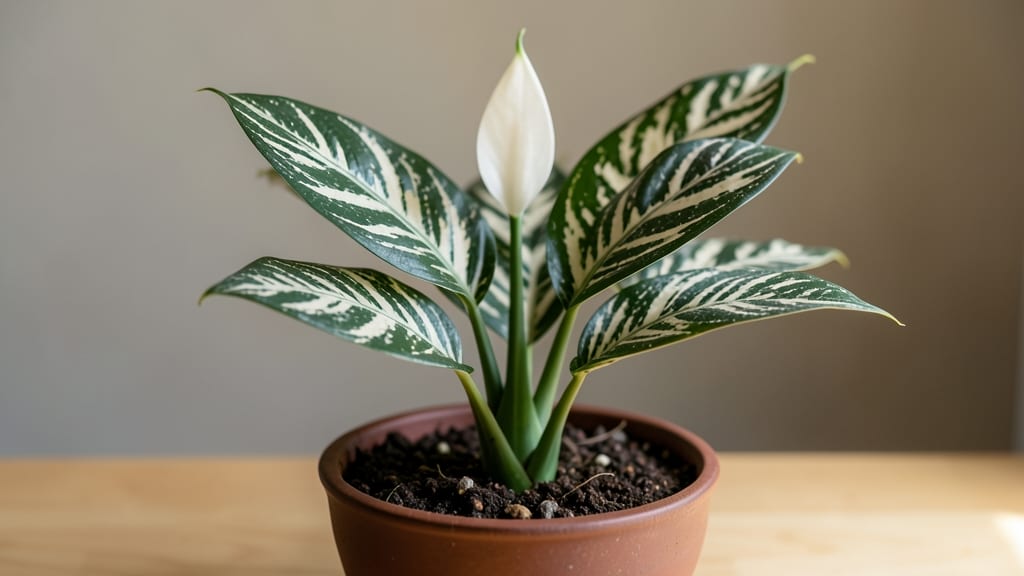
The ice leaf plant grows so fast you’ll swear it’s magic—variegated foliage that thrives in shade and looks stunning in containers. 🌿 I’ve watched mine double in size in just a few months, even when tucked away from direct sunlight.
The secret lies in its love for humidity and well-draining soil, making it perfect for indoor spots or shady patios. This plant isn’t picky about conditions, which is why it’s a favorite for beginners and busy gardeners alike.
A simple mix of potting soil and perlite keeps roots happy, while occasional misting mimics its natural tropical habitat. The striking white-and-green leaves add a fresh, modern touch to any space, whether it’s a hanging basket or a shelf by the window.
With the right care, you’ll see new growth popping up within weeks, not months. The key is keeping it consistently moist but never soggy—overwatering is the fastest way to kill this otherwise low-maintenance plant. Once established, it’s nearly indestructible, even in low-light areas where other plants struggle.
Whether you’re propagating cuttings or pruning for shape, this plant rewards patience with lush, vibrant foliage year-round. Here’s how to keep yours thriving without the guesswork.
📚 In This Guide
- What you need
- Instructions
- Tips and common mistakes
- Wrapping up and next steps
What you need
- ● Ice leaf plant cuttings or young plants: 1–3 (ensure they’re healthy with vibrant green foliage and no signs of pests).
- ● Well-draining potting mix: 2–3 gallons (use a blend of peat moss, perlite, and coconut coir for aeration).
- ● Containers: 1–2 6–8 inch pots (for single plants) or a 10–12 inch hanging basket (for cascading varieties).
- ● Drainage holes (non-negotiable—root rot is a foe!).
- ○ Grow lights (optional but helpful): 1–2 LED full-spectrum bulbs (10,000–15,000 lumens) if natural light is limited.
- ● Misting bottle or spray nozzle: 1 (for humidity-loving ice leaves!).
- ● Pruning shears: 1 pair (sterilized with rubbing alcohol).
- ● Slow-release fertilizer: 1 packet (balanced 10-10-10 or organic options like worm castings).
- ● Peat pellets or hydroponic starter cubes: 3–5 (for propagating cuttings).
- ● Decorative pebbles or moss: Small bag (to top containers for aesthetics and moisture retention).
- ● Plant labels: 3–5 (to track varieties like ‘Superba’ or ‘Marginatus’).
Step-by-step instructions for growing ice leaf plant in containers
Here's the quick method I use to get lush, fast-growing ice leaf plants thriving in shaded spots.
🌱 Step 1: Select the Right Container and Soil Mix
Ice leaf plants love containers with drainage—choose pots that are at least 6 inches deep and have drainage holes. I use terracotta pots because they breathe and help prevent root rot. Fill the bottom with 1-2 inches of perlite or orchid bark to improve drainage.
Use a well-draining potting mix that mimics their natural forest floor habitat. I blend 50% peat moss or coconut coir with 30% perlite and 20% compost for moisture retention without sogginess. This mix stays lightly moist but never waterlogged, which is key for ice leaf plants.
🌿 Step 2: Plant Your Ice Leaf Cuttings or Young Plants
Ice leaf plants grow best from cuttings, but you can also buy young plants. If using cuttings, dip the ends in rooting hormone to encourage faster growth. Plant them 2-3 inches deep in the prepared soil mix, spacing them 4-6 inches apart if planting multiple in one container.
Press the soil gently around the base of the plant to remove air pockets. Water lightly immediately after planting to help settle the soil. You'll know it's right when the top inch of soil feels slightly damp but not wet. Avoid overwatering now—ice leaf plants are sensitive to root rot.
☀️ Step 3: Provide Bright, Indirect Light and Humidity
Ice leaf plants thrive in bright, indirect light—think dappled shade or a north-facing window. Direct sunlight will scorch their delicate leaves, so avoid south or west exposures. If your space is dim, a grow light on a 12-hour cycle will keep them happy.
These plants love humidity, so mist them lightly twice daily or place the container on a tray filled with pebbles and water. The evaporation creates a natural humidity dome. You'll see the fastest growth when the air stays consistently moist—watch for curled leaves if it's too dry.
💧 Step 4: Water and Fertilize for Fast, Healthy Growth
Water when the top inch of soil feels dry to the touch—usually about once a week, but adjust based on your home's humidity. Water thoroughly until it drains from the bottom, then empty the saucer to prevent soggy roots. Ice leaf plants prefer to dry out slightly between waterings.
Feed with a balanced, water-soluble fertilizer diluted to half strength every 4-6 weeks during the growing season. I switch to a low-nitrogen, high-potassium fertilizer in late summer to encourage vibrant foliage. You'll notice faster growth and deeper green leaves when they're getting the right nutrients.
✂️ Step 5: Prune and Maintain for Bushier Growth
Pinch back the tips of new growth when they reach about 4-6 inches to encourage bushier plants. This also helps keep the shape compact and prevents leggy growth. Use clean, sharp scissors to make the cut just above a leaf node.
Remove any yellow or damaged leaves promptly to keep the plant looking its best. Ice leaf plants are fast growers, so they'll benefit from a light trim every 2-3 months. This not only keeps them tidy but also stimulates new growth—you'll see fresh leaves filling in within a few weeks.
Tips & tricks for thriving ice leaf plants in containers
Here's what I've learned after watching these shade-lovers grow from scraggly cuttings to lush, vibrant plants.
Container Choice Matters: While terracotta is my favorite, plastic containers actually retain moisture better for ice leaf plants. If using plastic, add an extra inch of perlite at the bottom to compensate. I've seen faster growth in plastic pots during summer months because they hold humidity better. Just remember to empty saucers immediately after watering to prevent root rot.
Soil Mix Secrets: The 50-30-20 blend works perfectly, but if you're in a particularly dry climate, increase the peat moss or coconut coir to 60% for better moisture retention. I've had great success with a 60-25-15 mix in my Arizona garden. The key is keeping that soil lightly moist but never soggy—ice leaf plants hate wet feet.
Lighting Hacks: For indoor growers, position your plant near an east-facing window first. If you notice leaves stretching toward the light (called etiolation), it's time to rotate the plant weekly or supplement with that 12-hour grow light. I keep mine on a timer for consistency—no guesswork about when to turn it on or off.
Pruning for Speed: The 4-6 inch pinch-back rule works, but here's a pro move: when you see new growth reaching just 3 inches, give it a light trim. This encourages even bushier growth and prevents that leggy look. I do this every 6 weeks instead of waiting for the full 2-3 months—you'll see faster, fuller plants in no time.
Pro Tips for Ice Leaf Plant
- Here's what I've learned after watching these shade-lovers grow from scraggly cuttings to lush, vibrant plants.
- Container Choice Matters: While terracotta is my favorite, plastic containers actually retain moisture better for ice...
- Soil Mix Secrets: The 50-30-20 blend works perfectly, but if you're in a particularly dry climate, increase the peat ...
Frequently asked questions
Got questions about growing and caring for ice leaf plants? You’re not alone! Here are answers to some of the most common queries to help you cultivate this stunning foliage with confidence.
How fast does an ice leaf plant grow?
The ice leaf plant (Solenostemon scutellarioides) is a fast grower, especially when given bright, indirect light and consistent moisture. Under ideal conditions, it can grow 6–12 inches per year, with new leaves emerging regularly. Prune it back occasionally to encourage bushier growth and prevent legginess.
Why are the leaves turning pale or losing their variegation?
Pale or fading variegation is usually a sign of too much direct sunlight, which can "bleach" the leaves. Move your plant to a shadier spot (like a north-facing window or under dappled outdoor shade) and monitor its response. If the issue persists, check for overwatering or nutrient deficiencies, which can also dull the foliage.
How often should I water an ice leaf plant?
Water your ice leaf plant when the top 1–2 inches of soil feel dry. Aim for moderate moisture—never let it sit in soggy soil, as this can cause root rot. In warmer months, you may need to water every 5–7 days, while cooler seasons might extend this to every 10–14 days. Always use well-draining soil to prevent waterlogging.
Can I grow ice leaf plants outdoors in cold climates?
Ice leaf plants are tender perennials and thrive in USDA zones 9–11. In colder climates, treat it as an annual or container plant and bring it indoors before temperatures drop below 40°F (4°C). If you must leave it outside, choose a protected spot (like a greenhouse or patio) and mulch the soil to insulate roots.
What are some low-maintenance alternatives to ice leaf plants?
If you want shade-tolerant, fast-growing foliage with minimal fuss, consider these easy-care alternatives:
- Pothos (Epipremnum aureum) – Thrives in low light and is nearly indestructible.
- Cast iron plant (Aspidistra elatior) – Handles neglect and dim corners beautifully.
- Swedish ivy (Plectranthus verticillatus) – Similar trailing habit with silvery foliage.
- Zebra plant (Aphelandra squarrosa) – Bold variegation with moderate care needs.
Wrapping up and next steps
The ice leaf plant is a fantastic choice for adding lush, shade-loving greenery to your containers—it’s fast-growing, low-maintenance, and thrives where others struggle. Whether you’re a beginner or a seasoned gardener, its adaptability and striking foliage make it a standout must-have for any indoor or shaded outdoor space.
Ready to transform your space? Grab your ice leaf plant, follow the tips above, and watch your containers burst with vibrant life! For even more inspiration, explore container gardening trends or share your progress with the plant-loving community. 🌿✨