
Aphids
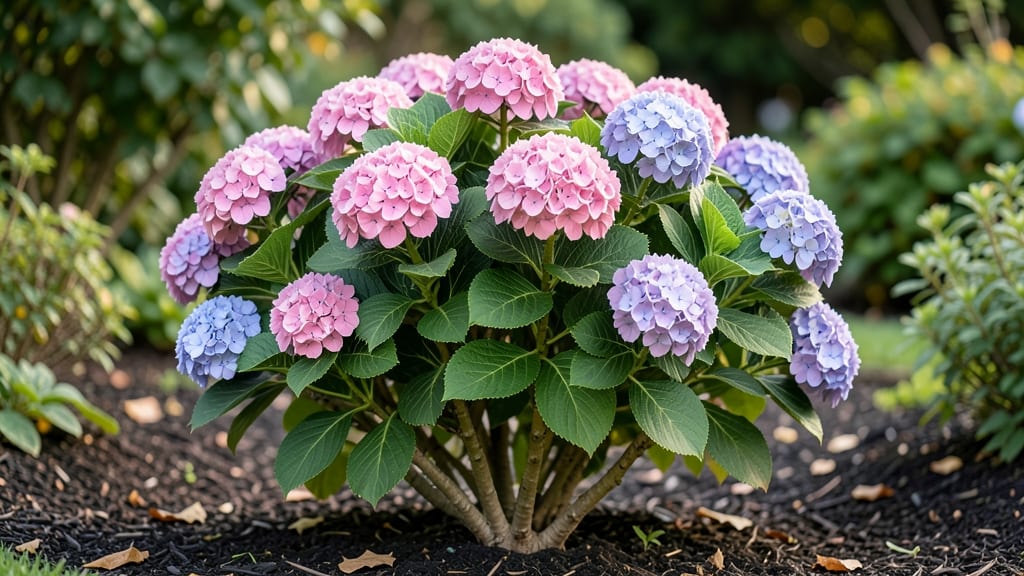
Growing the Endless Summer bigleaf hydrangea means never saying goodbye to those dreamy blooms—even after summer fades. 🌸 I planted mine three years ago, and it’s still throwing out fresh flowers in late fall, while my neighbors’ hydrangeas have long since gone to seed.
The secret isn’t luck; it’s understanding how this variety breaks the rules of traditional hydrangea care.
This hydrangea thrives in partial shade, tolerates average garden soil, and blooms on both old and new wood—meaning you skip the dreaded deadheading entirely. Just prune in late winter to shape it, and it rewards you with vibrant blooms from early summer through frost.
The flowers even change color based on your soil’s pH—blue in acidic soil, pink in alkaline.
You’ll end up with a lush, low-maintenance shrub that becomes the star of your garden. The blooms stay fresh longer, the leaves stay healthy, and you’ll spend less time fussing over it.
Plus, deer and rabbits leave it alone—unlike many other hydrangeas. That’s the magic of Endless Summer: it keeps giving, with almost no effort.
Works in zones 4-9, from city gardens to woodland edges. Here’s how to get those blooms going strong from day one—no green thumb required.
📚 In This Guide
- What you need
- Instructions
- Tips and common mistakes
- Wrapping up and next steps
What you need
- ● Endless Summer Bigleaf Hydrangea Plants: 1-3 mature plants (depending on desired garden size). Choose phlox paniculata-reblooming varieties for best results.
- ● Well-draining soil: Amend with 2-3 parts compost and 1 part perlite or sand per cubic yard of native soil (pH 6.0-6.2 for optimal blooms).
- ● Slow-release fertilizer: 10-10-10 or 12-12-12 (organic options like fish emulsion or composted manure work too). Apply 2 tbsp per plant in early spring and mid-summer.
- ● Mulch: 2-3 inches of pine bark fines or shredded leaves to retain moisture and regulate soil temp.
- ● Watering can or hose with soaker attachment: Ensure deep watering (1-1.5 gallons per plant, 2-3x per week in dry spells).
- ● Pruning shears: Bypass pruners with sharp, clean blades (sterilize with rubbing alcohol between cuts).
- ● Garden gloves: Heavy-duty for protection while handling thorns or soil.
- ● Soil pH test kit: To monitor acidity levels (aim for 5.2-5.5 for blue blooms or 6.0-6.2 for pink).
- ● Aluminum sulfate: 1 lb per 100 sq ft (if adjusting pH downward for blue flowers).
- ● Epsom salt (magnesium sulfate): 1 tbsp per gallon of water (foliar spray monthly for vibrant blooms).
- ● Plant supports: Stakes or cages for taller varieties (6+ feet).
- ● Neem oil or insecticidal soap: For aphid control (spray undersides of leaves weekly if pests appear).
- ● Drip irrigation system: Automates watering for consistent moisture (critical for reblooming!).
Step-by-Step instructions for planting and caring for Endless Summer bigleaf hydrangea
Here's how I've successfully kept my Endless Summer hydrangeas blooming nonstop for years—no deadheading required.
🌱 Step 1: Choose the Perfect Planting Location
This variety thrives in partial shade to full sun, but the key is morning sun and afternoon shade—especially in hotter climates. I plant mine where they get 4-6 hours of direct sun daily, with dappled shade after 10 AM if your summers run hot. The blooms stay vibrant longer when they're not scorched.
Test your spot by observing how sunlight moves across the area. If the ground stays dry and warm by midday, that's a full-sun location. If it stays cool and moist, it's partial shade. Dig a hole twice as wide as the root ball but only as deep. The top of the root ball should sit 1 inch above ground level—this prevents rot and encourages strong root growth.
💧 Step 2: Amend Soil and Plant for Optimal Growth
Endless Summer hydrangeas love acidic, well-draining soil with a pH between 5.0 and 6.0. I mix the native soil with 2-3 inches of organic compost and a handful of peat moss to lower the pH naturally. For heavy clay soil, I add perlite to improve drainage—these plants hate soggy roots.
Remove the plant from its container and loosen any circling roots gently with your fingers. Place it in the hole so the root flare (where roots meet stem) sits at soil level. Backfill with the amended soil, pressing lightly to remove air pockets. Water deeply right after planting to settle the soil and eliminate gaps. You'll know it's right when water drains freely from the bottom of the hole.
☀️ Step 3: Water Consistently and Monitor Soil Moisture
Keep the soil evenly moist but never soggy for the first 4-6 weeks after planting. I water deeply 2-3 times per week, checking the top 2 inches of soil—it should feel damp but not wet. Overwatering causes yellow leaves, while underwatering leads to crispy edges. Mulch with 2-3 inches of shredded bark to retain moisture and suppress weeds.
Once established, these hydrangeas are drought-tolerant but bloom best with consistent moisture. You'll see the difference in flower size and color vibrancy when you maintain steady watering. If the leaves start wilting or curling, that's your cue to water immediately—hydrangeas are thirsty plants that show stress quickly.
✂️ Step 4: Prune Strategically for Year-Round Blooms
Here's the secret to endless blooms: prune in late winter or early spring (before new growth starts) to remove dead or weak stems and shape the plant. Never cut back into old wood—this variety blooms on new growth, so you can prune more aggressively than traditional hydrangeas. I cut stems back to 2-3 buds above the base for a bushier, fuller plant.
Skip the deadheading entirely—this variety's unique genetics produce flowers on both old and new wood, so you never have to remove spent blooms. Instead, focus on removing any stems that look diseased or crossed in the center of the plant. You'll notice new flower clusters forming within 6-8 weeks of proper pruning, signaling it's working.
🌿 Step 5: Feed and Maintain for Continuous Color
Feed with a balanced, acid-forming fertilizer (like 10-10-10 or 20-20-20) in early spring when new growth appears. I apply about 1/2 cup per plant and water it in immediately. For extra acidity, I sprinkle sulfur around the base in late fall—this helps maintain those signature blue or pink blooms depending on your soil pH.
Monitor the plant's health by checking leaf color and flower production. If blooms stay green or fail to open, your soil may need more acid. If leaves yellow between veins, it's a sign of iron deficiency—apply a chelated iron supplement to correct it. With proper care, your Endless Summer hydrangea will reward you with continuous blooms from early summer through fall, often into winter in mild climates.
Tips & tricks for perfect Endless Summer hydrangea care
These game-changing insights will help you maximize those stunning year-round blooms without the usual fuss.
Morning Sun Strategy: When selecting your planting spot in Step 1, prioritize locations where the plant receives morning sunlight first—this is critical for preventing leaf scorch during those intense afternoon hours. I've found that positioning the plant slightly north of a tree or structure creates natural afternoon shade while still allowing the morning sun to energize the foliage. The 4-6 hours of direct sun mentioned in the instructions should be concentrated in the cooler morning period for best results.
Soil pH Precision: In Step 2, don't just amend the soil—test it first! While the instructions suggest a pH between 5.0 and 6.0, I recommend using a simple soil test kit to verify your current levels. If your native soil is already acidic (below 5.0), you might not need the full 2-3 inches of compost and peat moss. For alkaline soils (above 6.0), consider adding more sulfur or pine needles to lower the pH gradually over time—this prevents shocking the plant's roots.
Watering Technique: The 2-3 times per week watering schedule in Step 3 works well, but timing matters more than frequency. I water my hydrangeas in the early morning (before 9 AM) to allow foliage to dry completely before evening. This prevents fungal diseases while maintaining that critical soil moisture. For the first 4-6 weeks, I check soil moisture by pushing my finger 2 inches deep—if it feels dry at that depth, it's time to water deeply until you see water draining from the bottom of the hole.
Pruning Visual Cues: When pruning in Step 4, look for stems that have completely died back to the ground—these are the ones to remove entirely. For stems with some life but weak growth, cut back to 2-3 healthy buds above the base. The key is to create an open center that allows air circulation, which prevents diseases. I prune in late winter when the plant is still dormant but just before buds begin to swell—this timing ensures you're not cutting off potential blooms that might form on old wood.
Pro Tips for Endless Summer Bigleaf Hydrangea
- These game-changing insights will help you maximize those stunning year-round blooms without the usual fuss.
- Morning Sun Strategy: When selecting your planting spot in Step 1, prioritize locations where the plant receives morn...
- Soil pH Precision: In Step 2, don't just amend the soil—test it first! While the instructions suggest a pH between 5....
Frequently asked questions
Why does my Endless Summer hydrangea stop blooming mid-summer?
This variety is bred to rebloom, but stress (like drought, extreme heat, or poor soil) can trigger dormancy. Ensure consistent moisture, mulch the base, and fertilize lightly in early summer. If blooms fade, prune spent stems in early spring to encourage new growth.
Can I plant Endless Summer hydrangeas in fall or winter?
While spring is ideal, you can plant in fall (6–8 weeks before frost) or early winter (in mild climates). Avoid late winter planting—frost can damage tender roots. Amend soil with compost, water deeply, and protect with mulch if temperatures dip below 20°F.
What’s the best alternative if my hydrangea gets aphids?
Aphids love Endless Summer hydrangeas! Blast them off with a strong water spray or use insecticidal soap. For prevention, attract ladybugs (natural predators) with nearby nectar plants like dill or fennel. Avoid chemical sprays—they can harm pollinators.
How much space should I leave between Endless Summer hydrangeas?
Space them 3–5 feet apart for optimal airflow and sunlight. Overcrowding leads to disease (like powdery mildew) and smaller blooms. If planting in containers, use at least a 15-gallon pot per plant for mature roots.
Do I need to winterize Endless Summer hydrangeas in cold climates?
Yes! In zones 5–6, wrap the plant in burlap or use high tunnels to protect from harsh winds. Cut back no more than 1/3 of the stems in late winter (after frost risk passes). Mulch heavily around the base—4–6 inches of shredded bark works best.
Pro Tip: Endless Summer hydrangeas thrive in partial shade (4–6 hours of sun). Too much direct sun? Try a lattice or trellis to filter harsh afternoon rays while keeping blooms lush.
Wrapping up and next steps
The Endless Summer Bigleaf Hydrangea is a game-changer for gardeners craving year-round color with minimal fuss! 🌸 Its self-cleaning blooms and resilience to pests—like aphids—make it the ultimate low-maintenance star.
With the right care (and a little patience for those first few seasons), you’ll enjoy vibrant blooms from spring to frost—no deadheading required!
Ready to transform your garden? Start by choosing the perfect spot—whether it’s dappled shade or partial sun—and give your hydrangea the love it deserves. Watch it thrive, and soon, your neighbors will be asking for your secret! 🌿✨