
Pruning
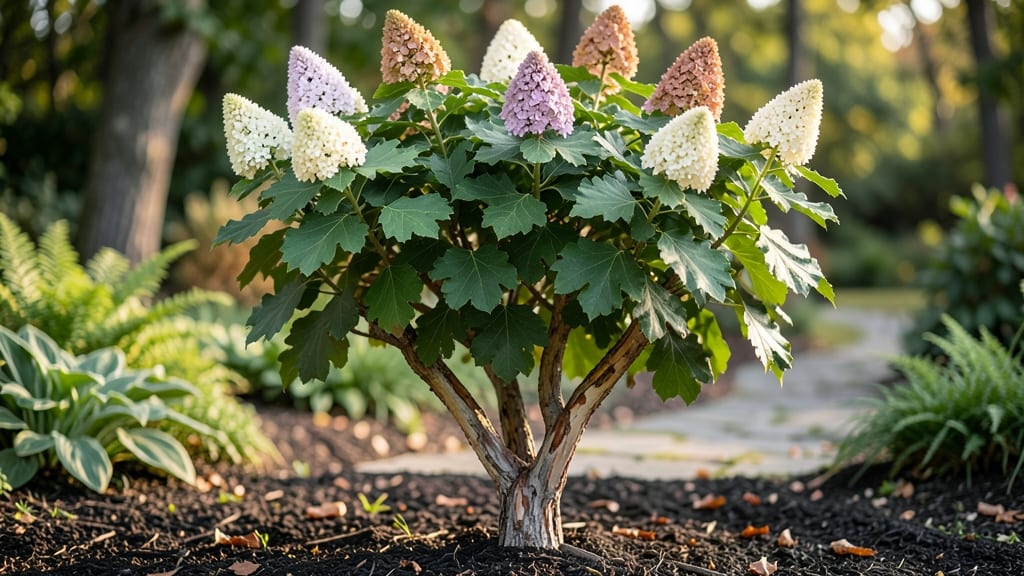
Pruning your oakleaf hydrangea tree reveals its secret weapon: those stunning oak-shaped leaves that stay lush year-round. 🌿 I’ve learned the hard way that cutting at the wrong time turns a showstopper into a sad, leggy shrub—but the right approach keeps it blooming from summer through fall, with fiery foliage that steals the show in autumn.
The key is timing: prune right after flowering (late summer) to preserve next year’s blooms, while removing dead stems in early spring. Oakleaf hydrangeas reward patience—fragrant white flowers in summer, deep burgundy leaves in fall, and even peeling bark in winter for texture.
Varieties like ‘Snow Queen’ or ‘Pee Wee’ adapt to borders or shade gardens beautifully. You’ll end up with a tree that’s easy to shape (no brutal shearing!) and thrives with minimal fuss. The leaves turn velvety in fall, and the stems develop a cinnamon-brown hue that adds winter interest.
Just avoid heavy pruning—these beauties bloom on old wood, so less is more. Perfect for low-maintenance gardens, oakleaf hydrangeas shine in partial shade and well-drained soil. Whether you’re trimming for shape or encouraging blooms, this guide keeps your tree looking effortlessly elegant all season.
📚 In This Guide
- What you need
- Instructions
- Tips and common mistakes
- Wrapping up and next steps
What you need
- ● Pruning shears: Bypass pruners (sharp, clean, and disinfected with rubbing alcohol or bleach solution—1 pair).
- ● Loppers: For thicker branches (1–2 inches in diameter)—1 pair.
- ● Hand saw: Pruning saw with a fine-toothed blade for stubborn branches—1.
- ● Gloves: Heavy-duty gardening gloves (cut-resistant) to protect hands—1 pair.
- ○ Disposable pruning bags: To collect debris (optional but helpful)—2–3 bags.
- ● Hose or bucket: For rinsing tools between cuts (prevents disease spread).
- ● Weather check: Prune on a dry, overcast day (avoid windy or rainy conditions).
- ○ Safety gear: Safety glasses (optional but recommended for debris protection).
- ○ Pruning sealant: (Optional) For large cuts to prevent disease—small tube.
- ● Notebook & pen: To jot down notes on cuts or growth patterns.
- ● Ladder or step stool: If your tree is tall (ensure it’s stable and rated for your weight).
Step-by-step pruning guide for oakleaf hydrangeas
Transform your oakleaf hydrangea into a year-round showstopper with this precise pruning routine.
✂️ Step 1: Prune in Late Winter Before Bud Break
Timing is everything—wait until late winter when the plant is still dormant but just before new growth begins. This is typically February to early March in most climates. You'll know it's time when the buds begin to swell slightly but haven't yet burst open. Oakleaf hydrangeas bloom on both old and new wood, so aggressive early pruning removes next year's flowers.
Grab your sharp pruning shears and make clean cuts just above a bud or lateral branch (never leave stubs). Remove dead, diseased, or crossing branches first—they're the easiest to spot. These branches won't regrow, so eliminate them completely. I always start with the obvious candidates before moving to structural shaping, which prevents over-pruning.
☀️ Step 2: Shape for Airflow and Light Penetration
Step back and assess your hydrangea's natural shape. Oakleaf hydrangeas develop lobed, oak-like leaves, so maintain an open, airy structure. Remove up to ⅓ of the oldest stems at the base to encourage vigorous new growth from the center. These stems are often thicker and less flexible, and removing them prevents the plant from becoming top-heavy.
Focus on thinning out rather than shearing. Cut branches back to a main branch or bud that faces outward. This creates a vase-like shape that allows sunlight to reach the center, where new blooms form. If you see branches growing inward, prune them back to redirect energy outward. The goal is to create a balanced silhouette where every branch has access to light.
🌿 Step 3: Light Summer Pruning for Bloom Control
After the first flush of blooms in late spring or early summer, give your hydrangea a second pruning to encourage a second, often more vibrant bloom cycle. Wait until after the first flowers fade but before the new buds for the second flush set. This is usually June or July, depending on your climate.
Remove spent flower clusters by cutting back to the nearest leaf node or lateral branch. Avoid heavy pruning now—just tidy up. If you notice leggy growth, you can lightly trim the tips of the longest stems to promote bushier growth. Oakleaf hydrangeas respond well to this mid-season trim, but don't overdo it. The plant needs energy to produce those stunning fall foliage colors, so balance bloom control with foliage health.
⏰ Step 4: Fall Cleanup for Winter Resilience
As temperatures drop and leaves begin to yellow and crisp, it's time for a final pruning to prepare the plant for winter. Remove any remaining dead or diseased foliage, but leave the skeleton branches and dormant buds intact. This natural framework protects the plant from harsh winds and retains moisture better than bare stems.
If you live in a cold climate (below Zone 5), consider wrapping the base of the plant with burlap or mulch to insulate the roots. Oakleaf hydrangeas are generally hardy, but young plants or extreme winters benefit from this extra protection. Avoid heavy pruning in fall—this can stimulate new growth that won't harden off before winter. Instead, focus on cleaning up and protecting what's already there.
🌱 Step 5: Post-Pruning Care for Recovery
After pruning, your oakleaf hydrangea will need consistent watering to recover, especially if you removed a significant portion of the canopy. Water deeply once a week, ensuring the soil is moist 6 inches down. Hydrangeas have shallow but expansive root systems, so focus on keeping the topsoil evenly damp rather than soaking occasionally.
Apply a slow-release fertilizer in early spring to replenish nutrients lost during pruning. I use a balanced 10-10-10 formula for general growth, but oakleaf hydrangeas also appreciate a slightly acidic soil (pH 5.5-6.2). If your soil is alkaline, amend it with peat moss or sulfur to encourage vibrant foliage and blue blooms. Monitor the plant closely in the weeks after pruning—healthy new growth should appear within 2-3 weeks.
Tips & tricks for perfect oakleaf hydrangea pruning
These precise techniques will help you transform your oakleaf hydrangea into a thriving, year-round beauty without the guesswork.
Timing is Critical: The late winter pruning window between February and early March is non-negotiable for oakleaf hydrangeas. I've learned this the hard way—pruning too early removes next year's blooms since these hydrangeas flower on both old and new wood. Look for slightly swollen buds that haven't burst open yet; this visual cue is your perfect indicator. If you miss this window, you'll sacrifice some of the plant's natural flowering capacity.
Tool Precision Matters: Invest in a good pair of bypass pruners—they make clean cuts that heal faster than jagged ones. Always cut just above a bud or lateral branch, never leaving stubs. I use a small magnifying glass to identify those tiny buds when making precise cuts. For thicker stems, switch to loppers, but make sure they're sharp enough to cut cleanly without crushing the branch. Dull tools cause unnecessary stress to the plant.
Structural Balance Creates Beauty: When shaping in Step 2, aim to create that classic vase-like silhouette by cutting branches back to outward-facing buds. This isn't just about looks—it's about directing energy where you want it. I always step back every few cuts to check the overall shape. The goal is to maintain that open, airy structure while ensuring sunlight reaches the center. This balance prevents overcrowding and encourages those stunning fall foliage colors we all love.
Seasonal Care Prevents Winter Damage: In colder climates (Zone 5 and below), I've found that wrapping the base with burlap provides just enough insulation to protect young plants. The key is to avoid heavy pruning in fall—this stimulates new growth that won't harden off before winter. Instead, focus on cleaning up dead foliage while preserving that natural framework of branches. This simple protection makes all the difference in harsh winters.
Pro Tips for Oakleaf Hydrangea Tree
- These precise techniques will help you transform your oakleaf hydrangea into a thriving, year-round beauty without th...
- Timing is Critical: The late winter pruning window between February and early March is non-negotiable for oakleaf hyd...
- Tool Precision Matters: Invest in a good pair of bypass pruners—they make clean cuts that heal faster than jagged one...
Frequently asked questions
Got questions about keeping your oakleaf hydrangea thriving?
Here are answers to the most common ones—so you can prune with confidence and enjoy those stunning leaves year-round!
When is the best time to prune my oakleaf hydrangea?
The ideal time to prune is late winter or early spring (before new growth appears). This helps shape the tree while avoiding cutting off next year’s blooms. For light shaping, you can also prune in summer after flowering, but avoid heavy pruning then—it may reduce fall foliage color.
How much can I trim back my oakleaf hydrangea?
For healthy growth, never remove more than 1/3 of the tree’s height in one season. Oakleaf hydrangeas tolerate light pruning well, but aggressive cuts can stress the plant. Focus on removing dead, diseased, or crossing branches first, then shape gently. Pro tip: Use sharp pruners for clean cuts!
Why aren’t my oakleaf hydrangea leaves as vibrant as last year?
Duller leaves often signal over-pruning, poor soil, or lack of sunlight. Ensure your tree gets 6+ hours of sun and check soil moisture—hydrangeas love well-draining, acidic soil. If leaves are pale, a balanced fertilizer in spring can help. Pro tip: Mulch around the base to retain moisture!
Can I grow an oakleaf hydrangea in a container?
Yes! Oakleaf hydrangeas thrive in large containers (15+ gallons) with draining soil and regular watering. Choose a spot with morning sun and afternoon shade to prevent leaf scorch. Repot every 2–3 years and prune lightly to control size. Warning: Container-grown trees may need winter protection in cold climates.
What’s a good alternative if my oakleaf hydrangea isn’t working out?
If you love the look but need a low-maintenance option, try:
- Panicle hydrangea – Drought-tolerant, long-lasting blooms
- Oakleaf viburnum – Similar fall color, fewer pruning needs
- Smokebush (Cotinus) – Bold foliage, thrives in heat
Wrapping up and next steps
The oakleaf hydrangea tree is a stunning addition to any landscape, offering year-round beauty with its vibrant foliage and delicate blooms.
By following the pruning steps outlined—like timing your cuts, shaping with care, and removing dead wood—you’ll keep your tree thriving and full of life. Now’s the perfect time to grab those shears and give your hydrangea the love it deserves!
🌿 Next Steps:
- Mark your calendar for late winter or early spring—ideal pruning season!
- Observe your tree’s growth and adjust pruning as needed for optimal shape and health.
- Share your progress with fellow gardening enthusiasts for inspiration and tips!