
Pests and Diseases
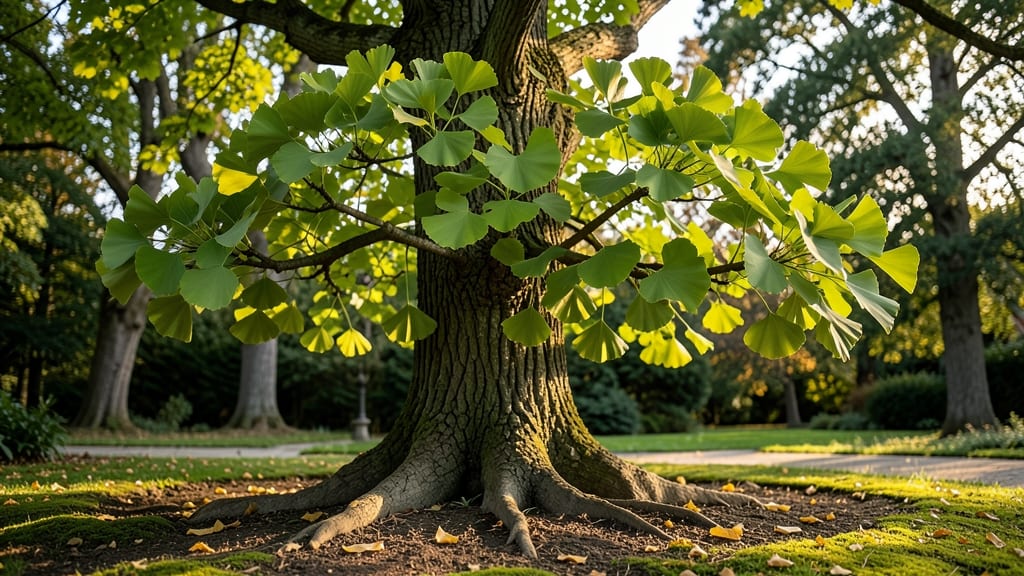
That five-pointed leaf is nature’s secret weapon for a kitchen garden that never quits. 🌿 Whether it’s the velvety Tradescantia trailing over pots or the bold Canna rising like tropical sentinels, these plants deliver flavor and texture year after year—no matter where you live.
The key? Matching their needs to your space, from shade-tolerant spots to sunny borders.
Most people overlook these perennials because they assume they’re high-maintenance, but the truth is simpler: they thrive on neglect once established. Tradescantia (like the popular zebrina) loves humidity and bright indirect light, while Canna demands full sun and moisture—think of them as the easygoing roommates of the herb world.
Both spread effortlessly, meaning fewer purchases and more homegrown bounty.
By summer’s end, you’ll be harvesting tender leaves for salads, roots for stir-fries, and even flowers for garnishes. The best part? These plants bounce back after pruning, so you can shape them into hedges, ground covers, or dramatic vertical accents.
No two varieties grow the same—Canna brings tropical drama, while Tradescantia offers delicate, airy foliage.
Works equally well in containers, garden beds, or as border plants—just adjust water and light to your climate. Here’s how to keep them lush and productive, no matter which five-pointed leaf catches your eye.
Hidden Threats Behind Leaf Distortion
Unusual leaf shapes—like those with five pointed tips—often signal underlying stress in your perennial herbs. Understanding the root causes helps you act fast and save your plants. Below, we break down the most common culprits and why they twist your leaves into unexpected shapes.
Herbs thrive in stable conditions, but sudden temperature shifts—whether from scorching heat or frost bites—can disrupt cell growth. When nights dip too cold or days spike unnaturally, your plant’s metabolic processes stall, leading to malformed leaves as new growth struggles to develop properly.
Why it happens:
- Cold damage: Freezing temps cause ice crystals to form in leaf tissues, rupturing cells and stunting development. The plant may produce smaller, misshapen leaves as it prioritizes survival over perfect structure.
- Heat stress: High daytime temps (above 90°F/32°C) can denature enzymes responsible for cell division. This leads to irregular leaf shapes, often with jagged or underdeveloped points.
- Frost heave: If your herb’s roots freeze and thaw repeatedly, the plant may split or distort as it tries to regrow.
Actionable fix:
- Mulch heavily in winter (3–4 inches of straw or wood chips) to insulate roots.
- Use shade cloth (30–50%) during heatwaves to protect tender herbs like cilantro or dill.
- Choose cold-hardy varieties (e.g., winter savory or winter tarragon) if you’re in a frosty climate.
Tiny invaders like aphids, spider mites, or leaf miners don’t just suck sap—they inject toxins and scrape away developing tissue, forcing your plant to grow abnormal leaves as a defense mechanism. The result? Five-pointed or lobed leaves where smooth edges should be.
Why it happens:
- Aphids & mites: These sap-suckers inject salivary enzymes that alter plant hormones (like auxins), causing stunted, curled, or extra-pointed leaves.
- Leaf miners: Larvae tunnel through leaves, destroying chlorophyll-rich areas and leaving behind irregular, scarred growth.
- Thrips: Their feeding scars trigger cell death, leading to notched or fragmented leaf edges.
Actionable fix:
- Inspect leaves daily (especially undersides) for sticky residue (honeydew), webbing, or tiny bugs.
- Blast off pests with a strong spray of water or neem oil solution (1 tsp neem oil + 1 quart water).
- Introduce predator insects like ladybugs or lacewings to control outbreaks naturally.
Herbs are drought-tolerant, but overwatering or inconsistent moisture can lead to cell swelling or shrinking, resulting in oddly shaped leaves. The key is balanced hydration—not soggy soil, not bone-dry.
Why it happens:
- Overwatering: Root rot cuts off nutrient flow, causing yellowing and distorted growth. Excess water also dilutes soil nutrients, starving the plant.
- Underwatering: Cell dehydration forces leaves to curl or develop extra points to conserve moisture (a survival tactic).
- Inconsistent watering: Alternating drought and deluge confuses the plant, leading to erratic leaf development.
Actionable fix:
- Water deeply but infrequently—aim for 1–1.5 inches per week (adjust for clay/sandy soil).
- Use drip irrigation to deliver consistent moisture at the root zone.
- Amend soil with perlite or sand to improve drainage (especially for herbs like thyme or rosemary).
Herbs need specific micronutrients to grow properly. A deficiency or excess of key elements (like nitrogen, magnesium, or boron) can warp leaf development, leading to extra points or lobes.
Why it happens:
- Nitrogen deficiency: Leaves may turn yellow between veins (chlorosis) and develop small, pointed shapes as the plant struggles to produce chlorophyll.
- Magnesium deficiency: Yellow patches between veins (early sign) progress to cupped or lobed leaves as the plant can’t synthesize chlorophyll properly.
- Boron toxicity/excess: Too much boron disrupts cell wall formation, causing thickened, pointed, or cracked leaves.
Actionable fix:
- Test your soil (a simple DIY kit or lab test) to identify deficiencies.
- Fix nitrogen with compost tea or fish emulsion (avoid synthetic fertilizers, which can burn roots).
- Add dolomitic lime (for magnesium) or Epsom salt (1 tbsp/gallon water, foliar spray) if needed.
- Avoid over-fertilizing—herbs like basil or parsley prefer lean soil and can suffer from excess nutrients.
Pathogens like powdery mildew, bacterial leaf spot, or fungal blights infect leaf tissue, causing irregular growth patterns as the plant fights back. These diseases often distort new leaves before spreading.
Why it happens:
- Powdery mildew: This fungus coats leaves in a white powder, blocking sunlight and forcing the plant to grow small, pointed leaves in shaded areas.
- Bacterial leaf spot: Water-soaked lesions disrupt cell division, leading to jagged or lobed edges as the plant tries to "fill in" damaged areas.
- Root rot (fungal): Rotten roots can’t absorb nutrients, causing stunted, malformed leaves as the plant starves.
Actionable fix:
- Improve airflow by pruning crowded plants and spacing herbs properly.
- Apply copper fungicide (preventative spray) or baking soda mix (1 tsp baking soda + 1 quart water + a drop of soap) for fungal issues.
- Remove infected leaves immediately and sterilize pruners with rubbing alcohol.
- Water at the base (not overhead) to prevent bacterial spread.
Sometimes, five-pointed leaves aren’t a sign of distress—they’re a natural variation! Some herbs mutate or cross-pollinate, producing unexpected leaf shapes that are harmless but intriguing.
Why it happens:
- Chimeric mutations: Rare genetic glitches cause sectors of the plant to grow differently (e.g., a basil leaf with extra lobes).
- Cross-pollination: If you grow multiple herb varieties nearby, their pollen can mix, creating hybrid offspring with unique leaf structures.
- Juvenile phase: Some herbs (like dill) start with deeply lobed leaves that smooth out as they mature.
Actionable fix:
- Save seeds only from stable plants if you want to preserve traits.
- Isolate varieties if you’re breeding herbs to prevent accidental hybridization.
- Enjoy the novelty! Mutations often mean hardier or more flavorful plants—just test a leaf before eating.
Revive Your Five-Pointed Leaves
If your five-pointed leaf plants are struggling with pests, diseases, or environmental stress, don’t toss them out just yet! With the right care, you can nurse them back to health and ensure a thriving year-round harvest.
Below, we’ve mapped out practical solutions tailored to common issues—from quick fixes to long-term prevention. Let’s get those leaves perking up again! 🌿💚
When critters like aphids, spider mites, or slugs attack, act fast to minimize damage.
🔥 Identify the Pest First
- Aphids: Tiny green/black bugs clustered on stems or undersides of leaves.
- Spider Mites: Fine webbing on leaves + speckled yellowing.
- Slugs/Snails: Irregular holes in leaves, slimy trails at dawn/dusk.
🍳 Natural Remedies to Kick Them Out
| Pest | Quick Fix | Prevention Tip |
|---|---|---|
| Aphids | Spray with soapy water (1 tsp mild soap + 1L water). Repeat every 3–4 days. | Introduce ladybugs or lacewings—natural predators! 🐞 |
| Spider Mites | Blast leaves with water (mites hate humidity). Use neem oil spray weekly. | Mulch with straw to retain soil moisture and deter mites. |
| Slugs/Snails | Set out beer traps (bury a cup filled with beer) or handpick at night. | Scatter diatomaceous earth or copper tape around the base. |
💡 Pro Tip: Early morning is the best time to spot slugs—dew makes them sluggish (pun intended) and easier to remove!
Overwatering, poor airflow, or contaminated tools can invite fungal infections like powdery mildew or root rot.
🔪 Treat Fungal Infections - Powdery Mildew: - Fix: Spray with a 1:10 mixture of baking soda and water + a drop of dish soap.
Apply every 7–10 days. - Prevent: Space plants for airflow (3–4 inches apart) and water at the base, not the leaves. 🌬️ - Root Rot: - Fix: Trim affected roots, repot in fresh, well-draining soil, and reduce watering. - Prevent: Use pots with drainage holes and avoid soggy soil—stick your finger in the soil before watering!
✨ Sanitize Your Tools
- Disinfect pruners with rubbing alcohol (70% or higher) between plants to prevent spreading spores.
Yellowing leaves, stunted growth, or wilting can signal nutrient deficiencies, over/under-watering, or light issues.
📊 Diagnose & Fix Common Issues
| Symptom | Cause | Solution |
|---|---|---|
| Yellow Lower Leaves | Overwatering or poor drainage | Let soil dry slightly between waterings. Add perlite to soil. |
| Leggy, Pale Stems | Lack of light or nitrogen | Move to brighter spot or use a balanced fertilizer (5-5-5). |
| Crispy Edges | Underwatering or low humidity | Water deeply and group plants together to raise humidity. |
| Brown Spots | Sunburn or fungal infection | Gradually acclimate to sunlight; trim damaged leaves. |
💡 Pro Tip: Rotate your plants every few weeks to ensure even light exposure—prevents lopsided growth!
Once your plants are back in shape, keep them thriving with these habits:
- 🌿 Prune Regularly: Trim yellow or damaged leaves to redirect energy to new growth.
- 💧 Water Wisely: Early morning is best—avoid evening watering to prevent fungal growth.
- 🌱 Feed Smart: Use compost tea or a slow-release fertilizer every 6–8 weeks.
- 🛡️ Monitor: Check undersides of leaves weekly for early signs of pests or disease.
With these targeted solutions, your five-pointed leaf plants will bounce back stronger than ever. Remember: consistency is key—whether it’s pest control, watering, or soil health. Happy gardening! 🌱🌟
Frequently asked questions about five-pointed leaf plants
Which common plants have true five-pointed leaves?
Plants with classic five-pointed (palmate) leaves include Tradescantia varieties like zebrina, Canna lilies, and Cyclamen. The spiderwort family (Tradescantia) is especially known for this distinctive shape, while Canna often has larger, bold foliage with similar structure. Look for leaves where all five points radiate from a single central stem.
Can I grow five-pointed leaf plants indoors?
Tradescantia thrives indoors with bright, indirect light and moderate humidity. Place it near an east or north-facing window, or use grow lights for 12-14 hours daily. Canna, however, prefers outdoor conditions with full sun and moisture—it won’t survive indoor winters. For both, ensure well-draining soil and occasional misting to mimic their natural environments.
Why are my five-pointed leaves turning yellow?
Yellowing in five-pointed leaves usually signals overwatering or nutrient deficiency. Check soil moisture—it should dry slightly between waterings. For Tradescantia, yellow leaves often mean too much water; for Canna, it could indicate iron or magnesium deficiency. Try fertilizing with Epsom salt (1 tbsp/gallon water) for magnesium or use a balanced liquid fertilizer every 4-6 weeks.
How do I propagate plants with five-pointed leaves?
For Tradescantia, simply snip a healthy stem with 3-4 leaves and place it in water or moist soil—roots appear in 2-3 weeks. Canna spreads via rhizomes: dig up sections with eyes (growth nodes) and replant 2 inches deep in spring. Both methods work best in warm weather (65-75°F/18-24°C) and require bright, indirect light during rooting.
Are five-pointed leaves edible or toxic?
It depends! Canna leaves are non-toxic and can be cooked like spinach (though they’re fibrous). Tradescantia, however, is mildly toxic if ingested—keep it away from pets and children. Always research before consuming unfamiliar plants, and when in doubt, stick to well-known edible varieties like kale or Swiss chard for five-pointed leaf shapes.