
Shrubs
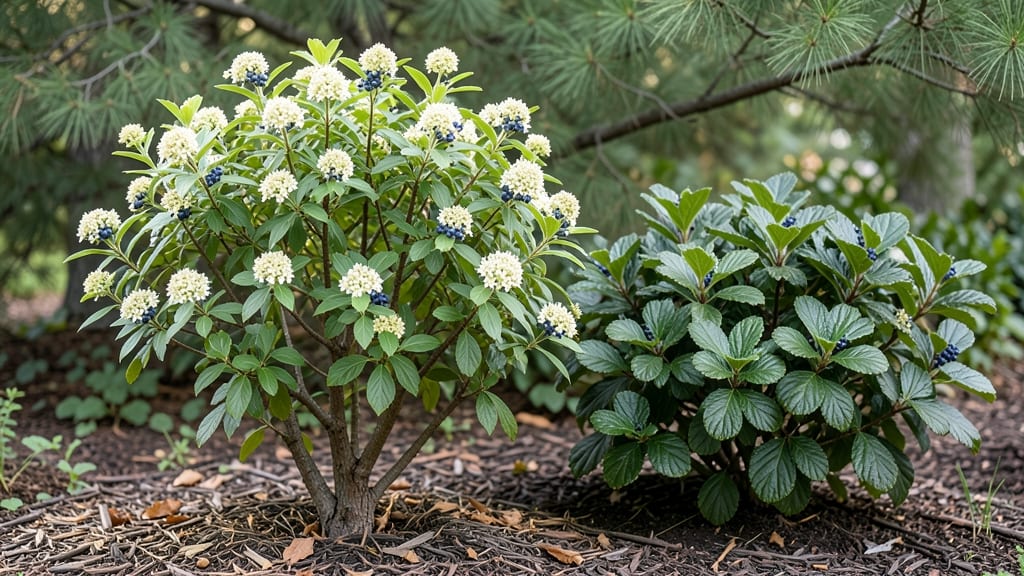
This shade-loving viburnum turns dull corners into lush, four-season displays. 🌿 The Alleghany leatherleaf viburnum thrives where others struggle, offering glossy foliage, fragrant spring blooms, and persistent red berries that birds adore—all while staying compact enough for small spaces. Its secret?
Tolerating poor soil, surviving drought once established, and handling both sun and shade with equal grace. I planted mine under a mature oak where nothing else would grow, and it’s now the star of that shady spot with minimal fuss.
You’ll love how it stays neatly mounded at 6–8 feet tall while delivering year-round interest—spring flowers, summer foliage, fall color, and winter berries. The only real requirement is well-draining soil, and even that’s flexible if you amend with compost. Perfect for hedges, foundation plantings, or woodland gardens.
Let’s get yours growing strong!
📚 In This Guide
- What you need
- Instructions
- Tips and common mistakes
- Wrapping up and next steps
What you need
- ● Alleghany Leatherleaf Viburnum plants: 1–3 mature plants (3–5 ft tall) or 1–2 young nursery-grown plants (1–2 ft tall)
- ● Choose container-grown or bare-root options (container is easier for beginners!)
- ● Planting site: Part to full shade (2–6 hours of dappled light max; tolerates deep shade)
- ● Well-draining, moist but not soggy soil (amend clay soil with compost)
- ● Space: 6–8 ft apart for mature plants (they spread slowly but grow wide)
- ● Tools: Garden trowel or spade
- ● Garden gloves (to protect from thorns!)
- ● Watering can or hose with a gentle spray nozzle
- ● Mulch (2–3 inches of organic mulch like pine straw or shredded bark)
- ● Slow-release acid-loving plant fertilizer (e.g., 10-10-10 or compost tea)
- ● Soil pH test kit (ideal range: 5.0–6.0; amend with sulfur if needed)
- ● Staking (only if planting in windy areas or heavy clay soil)
- ● Pruning shears (for shaping or removing dead wood in early spring)
- ● Decorative rocks or edging (to define plantings and deter weeds)
Step-by-step guide to planting and caring for Allegheny leatherleaf viburnum
This shade-loving shrub delivers stunning foliage, fragrant flowers, and brilliant fall color—here’s how to set it up for success.
🌱 Step 1: Choose the Perfect Planting Location
Allegheny leatherleaf viburnum thrives in partial to full shade, making it ideal for understory plantings or woodland gardens. Select a spot with 4-6 hours of dappled sunlight daily—direct afternoon sun can scorch its delicate leaves. I always test the site by observing how other shade plants perform there first.
Well-draining soil is critical—this shrub hates soggy roots. If your soil feels heavy when squeezed, amend with 2-3 inches of compost mixed into the top 12 inches of soil. The ideal planting spot should also have 6-8 feet of clearance from other shrubs to prevent root competition.
🪴 Step 2: Dig and Prepare the Planting Hole
Dig a hole twice as wide as the root ball but only as deep as the container’s drainage holes. This prevents burying the stem too deeply, which can cause rot. I like to loosen the sides of the hole with a garden fork to encourage root spread into the surrounding soil.
Fill the bottom of the hole with a 3-inch layer of coarse sand or gravel if your soil drains poorly. This creates a natural barrier against waterlogging. Gently remove the plant from its container and inspect the roots—if they’re circling, use your fingers to tease them outward before placing it in the hole.
💧 Step 3: Plant and Water Thoroughly
Position the shrub so the top of the root ball sits level with the surrounding soil line—never deeper. Backfill with the native soil, pressing lightly to eliminate air pockets. I always water the hole first to settle the soil before planting, which helps prevent gaps.
After planting, water deeply until the soil is 2-3 inches damp all the way through. Mulch the base with 2-3 inches of organic mulch (like shredded bark), keeping it 6 inches away from the stem to prevent rot. This mulch layer helps retain moisture and regulates soil temperature.
☀️ Step 4: Provide Seasonal Care for Year-Round Interest
Water once a week during the first growing season, ensuring the soil stays consistently moist but not soggy. After establishment, this drought-tolerant shrub needs water only during prolonged dry spells. I check moisture by sticking my finger 2 inches into the soil—if it feels dry, it’s time to water.
Fertilize lightly in early spring with a balanced, slow-release fertilizer (10-10-10). Avoid heavy feeding—this shrub prefers lean soil. Prune in late winter or early spring to remove dead wood and shape the plant. I never prune more than 25% of the plant in one season to avoid stress.
✂️ Step 5: Monitor for Pests and Seasonal Changes
Watch for spider mites or scale insects, which may appear on stressed plants. A strong spray of water usually dislodges them, but severe infestations require neem oil or insecticidal soap. I inspect the undersides of leaves regularly—they’re prime hiding spots for pests.
In fall, the shrub’s leatherleaf foliage turns deep red, adding winter interest. Remove any dead or diseased branches promptly to keep the plant healthy. With proper care, your Allegheny leatherleaf viburnum will reward you with fragrant spring blooms, summer foliage, and autumn color for decades.
Tips & tricks for perfect Allegheny leatherleaf viburnum planting
Here's what I've learned after years of growing this stunning shade shrub—these details make all the difference between a struggling plant and a thriving landscape star.
Site Selection Secret: That 4-6 hours of dappled sunlight is non-negotiable. I've seen plants in full shade struggle to produce their signature fall color. Test your spot by observing how other shade plants perform there—if they're thriving, it's likely perfect for your viburnum. Also, avoid low spots where water pools after rain, even if they get the right light.
Root Ball Rescue: When removing your viburnum from its container, you'll often find circling roots. This is a common nursery practice, but those roots need to spread outward to establish properly. Take 5 minutes to gently tease them apart with your fingers before planting—it's worth the effort to prevent future root girdling. I use a small hand fork to carefully loosen the outer edges of the root ball.
Mulching Mastery: That 2-3 inches of organic mulch isn't just decoration—it's a moisture regulator and temperature buffer. I always use shredded hardwood bark because it breaks down slowly and improves soil structure over time. The key is keeping it 6 inches away from the stem to prevent rot, while still covering the entire root zone. Replenish it annually as it decomposes.
Watering Wisdom: The 2-3 inches of damp soil check is more important than you might think. I've learned the hard way that soggy soil leads to root rot, while bone-dry soil stresses the plant. Water deeply but infrequently—aim for that 2-inch moisture check during the first growing season, then let established plants go mostly on their own during dry spells. A soaker hose makes this much easier than overhead watering.
Pro Tips for Alleghany Leatherleaf Viburnum
- Here's what I've learned after years of growing this stunning shade shrub—these details make all the difference betwe...
- Site Selection Secret: That 4-6 hours of dappled sunlight is non-negotiable. I've seen plants in full shade struggle ...
- Root Ball Rescue: When removing your viburnum from its container, you'll often find circling roots. This is a common ...
Frequently asked questions
Got questions about the Alleghany leatherleaf viburnum? You’re not alone! This versatile shrub is a favorite for its low-maintenance charm and stunning foliage, but it’s natural to wonder about care, placement, and more. Below, we’ve rounded up the most common questions—and their answers—to help you grow this beauty with confidence.
How fast does Alleghany leatherleaf viburnum grow?
This shrub grows at a moderate pace, typically adding 12–24 inches per year under ideal conditions. With proper spacing (6–8 feet apart) and well-draining soil, it’ll reach its mature height of 6–10 feet in 3–5 years. Patience pays off—its slow growth means fewer pruning needs!
Can Alleghany leatherleaf viburnum survive winter?
This hardy shrub thrives in USDA Zones 4–8 and handles winter beautifully. Its evergreen leaves (in warmer zones) or semi-evergreen (in colder climates) stay intact, offering year-round interest. Just ensure it’s planted in well-draining soil to avoid winter rot.
What’s the best way to prune Alleghany leatherleaf viburnum?
Prune in late winter or early spring to shape the shrub and encourage dense growth. Remove dead, diseased, or crossing branches first, then trim back leggy stems by 1/3 to maintain its rounded form. Avoid heavy pruning—this shrub prefers a natural look!
Are there any common pests or diseases to watch for?
Alleghany leatherleaf viburnum is highly resistant to pests and diseases, but keep an eye out for scale insects or leaf spot in humid climates. Improve airflow by spacing plants properly, and water at the base (not overhead) to prevent fungal issues. A quick hose spray usually clears minor pests!
Can I grow Alleghany leatherleaf viburnum in containers?
While possible, it’s not ideal—this shrub thrives when planted in the ground due to its sprawling root system. If you’re set on containers, choose a large pot (at least 20 gallons) with drainage holes and repot every 2–3 years. Expect slower growth and limited size compared to in-ground planting.
Wrapping up and next steps
Ready to transform your shady garden into a vibrant, low-maintenance oasis? The Alleghany leatherleaf viburnum is your secret weapon—offering year-round beauty, resilience, and effortless charm. Whether you’re a seasoned gardener or just starting, its adaptability and stunning foliage make it a must-have for any landscape. 🌿
Take the next step: visit your local nursery or order online to bring home your own! Plant it this season and enjoy its rewards for years to come—your future self (and your garden) will thank you.