
Shrubs
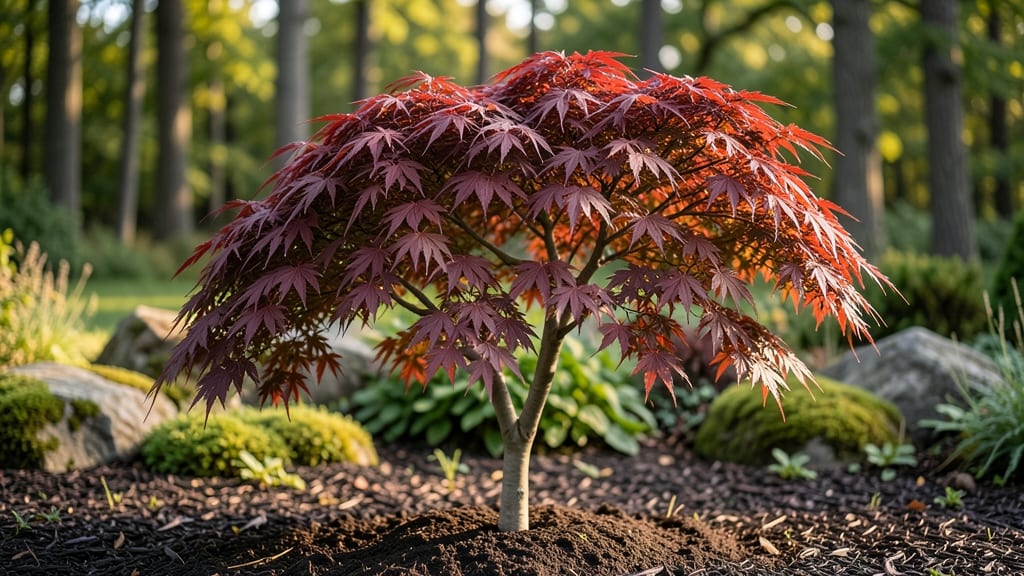
The Red Leaf Acer palmatum is the showstopper of shade gardens—its fiery foliage turns even dull corners into a masterpiece. 🌿 I planted mine under a pine tree where nothing else would grow, and now it's the star of the yard, with leaves that blaze red from spring through fall.
The secret isn't just the shade; it's the right soil, water, and a little pruning know-how to keep those vibrant leaves coming. This Japanese maple thrives where others falter: moist but well-draining soil, partial shade, and protection from harsh winds.
Unlike fussy shrubs, it handles neglect surprisingly well—just don’t let it dry out completely. With the right care, you’ll get 3-4 feet of dramatic height and a spread that casts dappled shade perfect for woodland gardens or as a focal point near patios.
The real magic happens in autumn when the leaves turn crimson and orange, lasting weeks longer than most maples. It’s also deer-resistant (a rare win!) and attracts hummingbirds when in bloom. The only downside? It’s slow-growing—patience pays off with a tree that feels like a living sculpture.
Whether you’re filling a shady corner or adding winter interest, this maple delivers year-round. Here’s how to keep it thriving without the fuss of high-maintenance plants.
📚 In This Guide
- What you need
- Instructions
- Tips and common mistakes
- Wrapping up and next steps
What you need
- ● Red Leaf Acer Palmatum (Japanese Maple): 1-3 mature trees (3–6 ft tall, depending on desired impact)
- ● Container-grown or bare-root saplings (for smaller spaces)
- ● Well-draining soil: 50% native soil + 50% organic matter (compost, leaf mold, or peat moss)
- ● 1 part sand or perlite (if soil is heavy clay)
- ● Mulch: 2–3 inches of wood chips or pine straw (keep 6 inches away from trunk)
- ● Slow-release fertilizer: Balanced 10-10-10 or acid-loving plant formula (spring/fall)
- ● Hand trowel or small spade
- ● Garden fork (for aerating soil)
- ● Pruning shears (sterilized with rubbing alcohol)
- ● Watering can or hose with gentle spray nozzle
- ● Measuring tape (for spacing—15–25 ft apart for mature trees)
- ● Epsom salt (1 tbsp/month in water for magnesium boost)
- ● Tree guards (to protect young trunks from critters)
- ● Shade cloth (if transplanting in hot weather)
- ● Decorative rocks or moss (for a polished, woodland look)
How to plant and care for red Leaf Acer Palmatum
This stunning Japanese maple thrives with the right conditions—here’s how to bring its fiery foliage into your shade garden.
🌱 Step 1: Choose the Perfect Planting Spot
Red Leaf Acer Palmatum loves partial to full shade, with 4-6 hours of dappled sunlight daily. A location protected from harsh afternoon sun prevents leaf scorch while maintaining vibrant colors. I always look for spots under tall trees or on north-facing walls where light filters softly.
Check the soil pH before planting—this variety prefers slightly acidic to neutral soil (pH 6.1-7.5). If your soil is heavy clay, amend it with 2-3 inches of compost mixed into the top 12 inches of soil. The roots will thank you for better drainage and aeration.
🪴 Step 2: Dig the Hole and Plant at the Right Depth
Dig a hole twice as wide as the root ball but no deeper—planting too deep suffocates the roots. Gently remove the tree from its container and loosen any circling roots with your fingers. This prevents girdling as the tree matures.
Place the tree in the hole so the top of the root ball sits level with the surrounding soil. Press the native soil back around the roots, firming lightly to eliminate air pockets. Water deeply to settle the soil and encourage root contact.
☀️ Step 3: Water Deeply and Mulch for Moisture Retention
Water 1-2 gallons around the base immediately after planting to help roots establish. Keep the soil consistently moist but not soggy for the first 4-6 weeks. You’ll know it’s right when the top 2 inches of soil feel damp to the touch.
Spread a 2-3 inch layer of mulch (wood chips or shredded bark) over the root zone, keeping it 3-4 inches away from the trunk. This conserves moisture, regulates soil temperature, and prevents weeds. Replenish mulch annually as it breaks down.
✂️ Step 4: Prune for Shape and Health in Late Winter
Prune before buds swell in late winter or early spring to encourage new growth. Remove any dead, crossing, or weak branches first—this improves airflow and reduces disease risk. Cut just outside the branch collar for clean wounds.
Shape the tree by thinning out crowded branches to open the canopy. Aim for an airy, balanced silhouette that lets light penetrate to lower branches. Avoid heavy pruning—this variety responds best to light, strategic cuts rather than drastic shaping.
🌿 Step 5: Fertilize and Monitor for Pests
Apply a balanced, slow-release fertilizer (10-10-10) in early spring, following label rates. Over-fertilizing causes weak growth and reduces the tree’s natural cold hardiness. Water deeply after applying to help nutrients reach the roots.
Watch for aphids or spider mites, which love tender new growth. Spray infested areas with neem oil or a horticultural oil if you spot sticky residue or webbing. A strong jet of water often dislodges pests from leaves—try this first before reaching for chemicals.
Tips & tricks for perfect red Leaf Acer Palmatum planting
Here's what nobody tells you about getting that showstopping Japanese maple to thrive in your garden.
Lighting Strategy: That 4-6 hours of dappled sunlight is non-negotiable for those fiery red leaves. I've seen people plant them in full shade and end up with dull green foliage—don't make that mistake! Look for spots where sunlight filters through tree canopies rather than hitting directly. Morning sun is ideal, while harsh afternoon rays will scorch those delicate leaves.
Soil Prep Secret: Before planting, I always do a quick soil test to verify that pH range of 6.1-7.5. If your soil tests higher than 7.5, mix in some peat moss or pine needles to lower the pH naturally. For heavy clay soils, blend that 2-3 inches of compost into the top 12 inches—this isn't just about drainage, it's about giving those roots room to breathe and establish properly.
Planting Depth Caution: The top of that root ball needs to sit level with the surrounding soil—no higher, no lower. I've seen people bury the root ball too deep, which suffocates the tree and causes root rot. After planting, press the soil gently around the roots to eliminate air pockets, then water deeply. This helps settle the soil and encourages immediate root contact with the native earth.
Mulching Mastery: That 2-3 inch layer of mulch isn't just decoration—it's a moisture regulator and temperature stabilizer. Keep it 3-4 inches away from the trunk to prevent rot. I use wood chips because they break down slowly and improve soil structure over time. Replenish it annually as it decomposes, but never pile it up against the trunk—this creates the perfect environment for pests and disease.
Pro Tips for Red Leaf Acer Palmatum
- Here's what nobody tells you about getting that showstopping Japanese maple to thrive in your garden.
- Lighting Strategy: That 4-6 hours of dappled sunlight is non-negotiable for those fiery red leaves. I've seen people ...
- Soil Prep Secret: Before planting, I always do a quick soil test to verify that pH range of 6.1-7.5. If your soil tes...
Frequently asked questions
about Red Leaf Acer palmatum—your go-to guide for growing this stunning shade-loving shrub! Whether you're a beginner or a seasoned gardener, these answers will help you nurture vibrant foliage with confidence.How fast does Red Leaf Acer palmatum grow?
This compact tree grows at a moderate pace, typically adding 12–24 inches per year in ideal conditions. With proper care, it reaches 15–25 feet tall (though dwarf varieties stay under 10 feet). Patience pays off—its striking foliage matures beautifully over time!
Can Red Leaf Acer palmatum survive winter?
Yes! This hardy shrub thrives in USDA Zones 5–8 and handles winter well, though young trees may need mulch protection in colder climates. Avoid heavy snow damage by pruning dead branches in early spring—just don’t trim too late, or you’ll miss the fiery fall colors!
Does Red Leaf Acer palmatum need full sun?
Not at all! While it tolerates partial sun, it prefers shade to partial shade (3–6 hours of sunlight daily). Too much sun can bleach its leaves or stress the plant. For deepest reds, plant it under dappled light (like near a tree canopy) or in filtered shade.
What’s the best time to plant Red Leaf Acer palmatum?
Plant in early spring or fall for the best root establishment. Avoid late summer heat, which can stress young plants. Amend the soil with organic matter (like compost) and water deeply after planting. Pro tip: Stake tall varieties if needed to prevent wind damage!
Are there pests or diseases I should watch for?
While generally low-maintenance, watch for aphids, scale, or Japanese beetles—spray with neem oil if infested. Leaf spot (from fungal infections) can occur in humid climates; improve airflow and avoid overhead watering. Prune infected leaves promptly to keep your tree healthy and vibrant!
Wrapping up and next steps
Transforming your shade garden with Red Leaf Acer Palmatum is a rewarding journey that brings year-round beauty and elegance. Its striking foliage, adaptability, and low-maintenance nature make it a standout choice for any outdoor space.
Whether you're a seasoned gardener or just starting, this vibrant shrub is sure to elevate your garden’s drama!
Ready to add a splash of color? Start by selecting the perfect spot—whether it’s a sun-dappled corner or a fully shaded retreat—and watch your garden come alive with the Red Leaf Acer Palmatum’s fiery charm. 🌿✨