
Vegetables
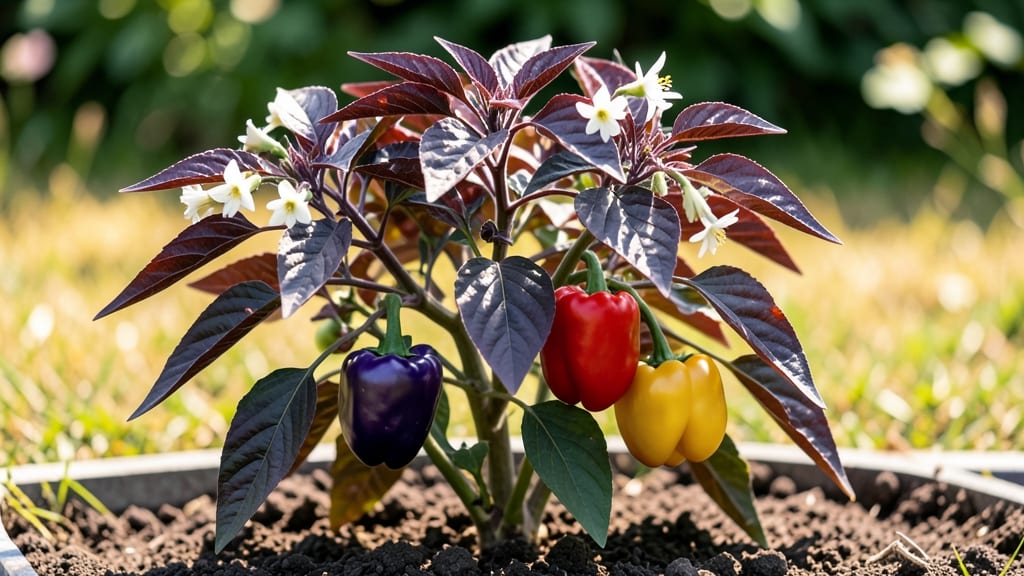
Growing a purple leaf pepper plant turns your patio into a living art piece—those deep purple leaves stay vibrant all season long, even in containers. 🌿 I started with just one plant three years ago, and now my balcony is packed with them. The best part?
They're just as easy to grow as regular peppers, but with foliage that makes every pot look intentional. These plants thrive in 5-gallon containers with well-draining soil, and they love 6+ hours of sunlight daily. Water when the top inch feels dry, but avoid soggy soil—they hate wet feet.
Prune regularly to encourage bushier growth, and you'll get bonus peppers too (they're mild and sweet, perfect for snacking). By summer's end, your purple leaf peppers will be lush and productive, with leaves so striking they'll make neighbors ask what variety you're growing.
The secret is consistent care—light, water, and a little pruning—and you'll have a container garden that's as functional as it is beautiful. Works in any climate zone, from sunny patios to shaded balconies. Here's how to keep those leaves popping all season!
📚 In This Guide
- What you need
- Instructions
- Tips and common mistakes
- Wrapping up and next steps
What you need
- ● Purple leaf pepper plant: 1-2 seedlings or cuttings (ensure they’re disease-free and healthy).
- ● Containers: 1-2 pots (5–7 gallons each) with drainage holes. Use lightweight materials like terracotta or fabric grow bags.
- ● High-quality potting mix: 1 bag (well-draining, organic blend). Avoid garden soil—it compacts too easily!
- ● Slow-release fertilizer: 1 packet (balanced 10-10-10 or organic options like composted manure).
- ● Watering can or hose with a gentle spray nozzle: 1 (to avoid disturbing roots).
- ○ Stakes or small trellis (optional but helpful): 2–4 (if your plant grows tall or needs support).
- ● Pruning shears: 1 pair (for shaping and harvesting).
- ● Gloves: 1 pair (to protect from mild spiciness and thorns).
- ○ Mulch (optional): Straw or shredded leaves (to retain moisture and suppress weeds).
- ○ pH testing kit (optional): 1 (ideal pH: 6.0–7.0 for peppers).
- ● Grow lights (indoor setups): 1–2 (LED full-spectrum, 12+ hours/day).
How to grow and care for a stunning purple leaf pepper plant
This vibrant plant brings drama to containers with its deep purple foliage—here’s how to keep it thriving year after year.
🪴 Step 1: Choose the Right Container and Soil Mix
Select a 5-7 gallon container with drainage holes—purple leaf peppers need room for roots to spread. I use terra cotta pots because they wick away excess moisture, preventing root rot. Fill the bottom with 2 inches of gravel or broken pottery to improve drainage.
Use a well-draining potting mix—I blend 50% premium potting soil, 30% perlite, and 20% compost for nutrients. This mix stays loose enough to prevent soggy roots while holding moisture for the pepper’s tropical roots. Fill the pot to 1 inch below the rim before planting.
☀️ Step 2: Plant and Position for Maximum Sunlight
Dig a hole in the center of the pot, just deep enough to bury the plant’s root ball. Gently remove the pepper from its nursery pot and place it in the hole, ensuring the top of the root ball sits ½ inch below soil level. This prevents water from pooling around the stem.
Purple leaf peppers crave full sun (6-8 hours daily)—place your container in a south-facing spot or under a grow light if indoors. The deep purple leaves will fade to green if light is insufficient. Watch for leggy growth (stems stretching toward light) and adjust the pot’s position if needed.
💧 Step 3: Water Deeply and Maintain Consistent Moisture
Water the plant deeply until water drains from the bottom, then empty the saucer to prevent root rot. Purple leaf peppers dislike soggy soil but need consistent moisture—stick your finger 1 inch into the soil. If it feels dry, water again. Overwatering causes yellowing leaves, while underwatering makes foliage crisp.
Mist the leaves 2-3 times weekly to replicate humidity in their native tropics. I use a spray bottle with room-temperature water in the morning to avoid fungal issues. Avoid wetting the leaves at night—this encourages mildew in warm, humid conditions.
✂️ Step 4: Prune and Fertilize for Bushy Growth
Pinch off the first few flower buds if you want lush foliage over peppers. Purple leaf peppers produce small, decorative peppers, but removing early blooms encourages fuller, bushier growth. Use clean, sharp scissors to trim just above a leaf node—this redirects energy to foliage.
Feed every 4-6 weeks with a balanced liquid fertilizer (10-10-10) diluted to half-strength. I mix it into water and apply during morning watering. Over-fertilizing burns roots, so always water the soil first. Stop fertilizing in late summer to prepare the plant for dormancy.
🌿 Step 5: Overwinter and Encourage Regrowth
As temperatures drop below 50°F, move the container indoors near a south-facing window or under grow lights. Purple leaf peppers can survive mild winters but may drop leaves. Reduce watering to every 10-14 days once growth slows—overwatering stressed plants.
In early spring, trim back any dead or leggy stems with clean pruners. Refresh the top 2 inches of soil with fresh potting mix to revive nutrients. Resume regular watering and fertilizing once new growth appears—you’ll see deep purple shoots within 2-3 weeks as a sign of recovery.
Tips & tricks for growing purple leaf peppers in containers
Here's what nobody tells you about keeping this showstopper thriving—these tricks make all the difference for bold, healthy foliage.
Container Size Matters: While 5-7 gallon pots work, I've found that 7-gallon containers give the roots enough room to establish without becoming root-bound too quickly. If you're using smaller pots, expect more frequent watering and potential stunted growth. The extra space helps maintain that vibrant purple hue year-round.
Lighting Hack: If your outdoor space doesn't get full sun, supplement with a LED grow light for 4-6 hours daily. Position it 6-12 inches above the plant—closer for cooler weather, farther in summer. The purple leaves will fade to green without adequate light, and you'll notice the difference within days of proper lighting.
Soil Refresh Strategy: Every spring, I don't just refresh the top 2 inches of soil—I replace about one-third of the soil mix in the entire pot. This prevents nutrient depletion and compaction. Mix in some fresh perlite to maintain that perfect drainage while adding back compost for nutrients. Your plant will reward you with lush, vibrant growth.
Winter Care Secret: When moving indoors below 50°F, I place a small humidifier nearby to combat dry indoor air. The purple leaves are tropical plants at heart—they'll appreciate the extra moisture. You'll notice less leaf drop and crispiness during the winter months with this simple adjustment.
Pro Tips for Purple Leaf Pepper Plant
- Here's what nobody tells you about keeping this showstopper thriving—these tricks make all the difference for bold, h...
- Container Size Matters: While 5-7 gallon pots work, I've found that 7-gallon containers give the roots enough room to...
- Lighting Hack: If your outdoor space doesn't get full sun, supplement with a LED grow light for 4-6 hours daily. Posi...
Frequently asked questions
Got questions about growing or caring for your purple leaf pepper plant? You’re not alone! Here are answers to the most common queries to help you cultivate vibrant foliage and delicious peppers with ease.
How fast does a purple leaf pepper plant grow?
A purple leaf pepper plant grows at a moderate pace—expect 2–3 inches per week under ideal conditions (full sun, well-draining soil, and regular watering). In containers, growth may be slightly slower, but consistent care ensures a healthy, productive plant by mid-summer. Patience pays off with bold purple leaves and spicy peppers!
When should I harvest purple leaf peppers?
Harvest peppers when they reach your desired size and color—typically 60–90 days after transplanting. For hot peppers, wait until they turn red or fully mature. Use clean scissors to snip stems, leaving a small portion attached. Pro tip: Harvest regularly to encourage more production!
Can I grow purple leaf peppers in small containers?
These peppers thrive in 5-gallon containers or larger with proper drainage. Use a lightweight potting mix and fertilize every 2–3 weeks. Just ensure the pot has supportive stakes or trellises—their vines can get heavy. Bonus: Container-grown peppers ripen faster in warm climates!
What pests commonly attack purple leaf peppers, and how do I prevent them?
Watch for aphids, spider mites, and whiteflies, which love tender pepper leaves. Prevent issues with neem oil sprays or insecticidal soap. Pro tip: Encourage beneficial insects like ladybugs by planting marigolds nearby. Early detection is key—check undersides of leaves weekly!
Are purple leaf peppers spicier than regular peppers?
Not necessarily! The purple foliage is purely decorative, while the peppers’ heat depends on the variety. Some (like ‘Purple Beauty’) are mild and sweet, while others pack a kick. Taste-test early! For milder heat, harvest peppers green; for maximum spice, wait for red.
Wrapping up and next steps
Growing a purple leaf pepper plant is a rewarding way to add vibrant color and flavor to your space—whether you're a seasoned gardener or just starting out! 🌱 With the right care, these striking plants thrive in containers, offering both beauty and bounty.
Now that you know the key steps—from soil prep to harvesting—why not take the plunge and grow your own?
Start small: grab a pot, some seeds, and a sunny spot. Soon, you’ll be enjoying purple-hued peppers and the satisfaction of nurturing a plant that’s as stunning as it is useful. Happy planting! 🌿✨