
Pests and Diseases
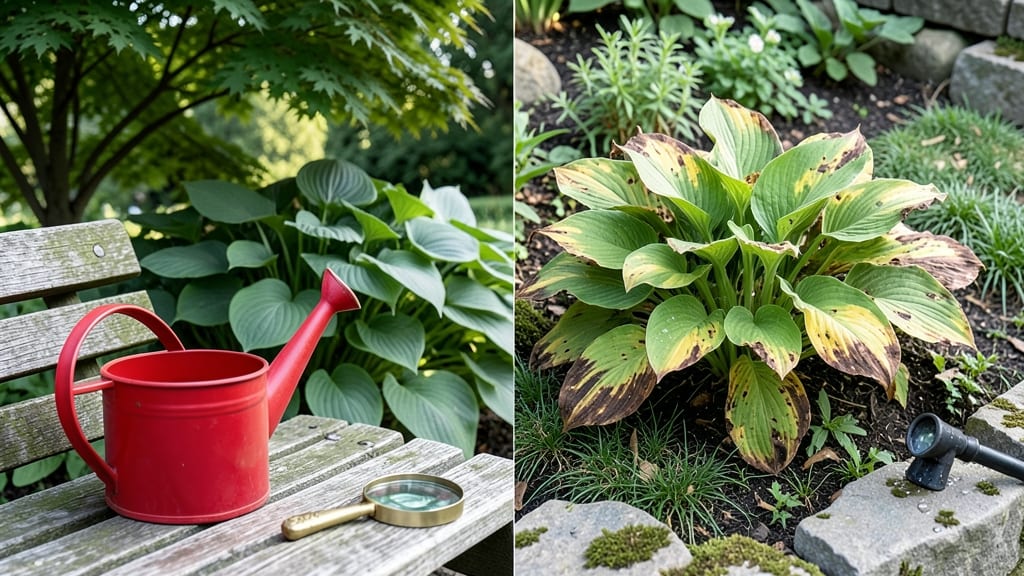
Hosta leaf scorch turns your prized foliage into crispy brown edges faster than you can say "fungal infection." 🌿 I’ve watched this ugly problem spread across my shade garden before, but I’ve also learned how to stop it in its tracks—especially with copper-based treatments that work in minutes.
The culprits? Too much sun, fungal spores, or even a sneaky pest like slugs. You’ll spot it first on the leaf edges, where brown patches spread inward like a slow-motion fire. The good news?
Copper fungicide sprays (like Bordeaux mixture) can halt the spread within 24 hours, and proper watering prevents future stress. By the time you finish treating, your hostas will bounce back with vibrant green leaves instead of crunchy edges.
The key is acting fast—once the scorch moves to the center of the leaf, it’s time to prune those leaves entirely. Works for all hosta varieties, whether you’re battling it in full shade or a partially sunny spot. Let’s get those leaves looking healthy again!
Root Causes Behind Leaf Damage
When your hostas start showing unsightly brown or scorched edges, it’s often a sign that something is disrupting their natural balance. Understanding the why behind these symptoms is the first step toward restoring your plants to their lush, healthy glory.
Let’s break down the most common culprits—each with a distinct scientific explanation—and how they trigger that telltale leaf scorch.
Hostas are shade-loving plants, and when exposed to excessive heat—especially combined with direct sunlight—their leaves can quickly develop brown, crispy edges. This happens because:
- Transpiration imbalance: In hot, dry conditions, hostas lose moisture faster than their roots can absorb water. The edges of the leaves dry out first, leading to marginal necrosis (the scientific term for tissue death along leaf margins).
- UV light damage: While hostas tolerate shade, prolonged exposure to intense sunlight (especially in summer) can cause photoxidative stress, where sunlight triggers the breakdown of chlorophyll and cell membranes.
- Soil moisture deficit: Even well-watered hostas can scorch if the top layer of soil dries out too quickly. This creates a water stress gradient, where roots can’t keep up with leaf demand.
Pro tip: 🌡️ Mulch heavily with organic matter (like shredded bark or compost) to retain soil moisture and shield roots from temperature fluctuations. Water deeply in the early morning to reduce evaporation.
Hostas are particular about hydration—neither drought nor waterlogging sits well with them. Here’s how improper watering leads to leaf scorch:
- Underwatering: When soil dries out, hosta roots struggle to uptake water, causing osmotic stress. The plant prioritizes water to younger leaves, leaving older ones to plasmolyze (when cells shrink from water loss), turning edges brown and brittle.
- Overwatering: While less common, soggy soil restricts oxygen flow to roots (hypoxia), impairing nutrient absorption. This weakens the plant’s defenses, making it susceptible to secondary stress like fungal infections or nutrient deficiencies (e.g., potassium or magnesium), which manifest as scorch-like symptoms.
- Inconsistent watering: Fluctuating moisture levels confuse hostas, leading to oxidative damage in leaf tissues. Think of it like a plant version of dehydration-rehydration stress.
Actionable fix: 💧 Aim for 1–1.5 inches of water per week, delivered consistently. Use a moisture meter to check soil conditions—hostas prefer evenly moist but not waterlogged soil.
Not all leaf scorch is environmental—some is caused by fungal pathogens that thrive in humid or stressed conditions. Two common offenders are:
- Alternaria leaf spot: This fungus (Alternaria alternata) produces dark, scorch-like lesions with concentric rings. It spreads via wind or splashing water, especially in high-humidity environments. The fungus blocks stomata (leaf pores), disrupting gas exchange and causing tissue death.
- Rhizoctonia solani: A soil-borne fungus that attacks hosta roots and crowns, leading to vascular discoloration. As the plant’s nutrient transport system fails, leaves develop brown, scorched edges from the bottom up.
Prevention tip: 🍄 Space hostas for airflow and avoid overhead watering. Remove infected leaves immediately and apply a copper-based fungicide (like copper hydroxide) as a preventive measure.
Leaf scorch can also signal that your hostas aren’t getting the right nutrients. Two key deficiencies often mimic environmental stress:
- Potassium (K) deficiency: Potassium regulates osmotic balance and water movement in plants. Without enough, hostas can’t maintain turgor pressure, leading to marginal burning—especially in older leaves. Symptoms often appear as interveinal chlorosis (yellowing between veins) before browning.
- Magnesium (Mg) deficiency: Magnesium is central to chlorophyll production. When levels drop, leaves develop necrotic patches along edges, starting with yellowing (interveinal chlorosis) before turning brown. This is common in acidic or sandy soils.
Quick test: 📊 Send a soil sample to your local extension office to check pH and nutrient levels. Amend soil with potassium sulfate or Epsom salt (magnesium sulfate) if deficiencies are confirmed.
Each of these causes—whether environmental, biological, or nutritional—disrupts the hosta’s ability to regulate water, nutrients, or cellular integrity. The good news? Once you identify the root issue, targeted fixes (like copper treatments, proper watering, or soil amendments) can reverse the damage in minutes to days.
Quick Fixes for Browning Hostas
If your hostas are sporting crispy, brown edges that look like they’ve been kissed by a summer sunburn, don’t panic—there are fast, effective ways to turn things around. The key is identifying the root cause (whether it’s copper toxicity, environmental stress, or fungal infection) and applying the right remedy.
Below, we break down the most common triggers and the practical solutions to restore your hostas to their lush, green glory.
If your hostas are showing signs of copper-induced scorch (think brown, papery edges with a metallic sheen), the issue is likely over-fertilization with copper-based fungicides or soil amendments. Here’s how to correct it:
💧 Step 1: Leach the Copper from the Soil
- Water deeply (1–2 inches) to help dissolve excess copper and move it beyond the root zone.
- Repeat every 2–3 days for a week to flush it out. Use rainwater or distilled water if possible—tap water can add more minerals.
🌱 Step 2: Amend the Soil
- Mix in organic matter like compost or peat moss to dilute the copper concentration.
- Add a slow-release, balanced fertilizer (10-10-10 or 5-5-5) to avoid further stress. Skip copper-based fungicides for now!
💡 Pro Tip:
Test your soil’s pH—copper becomes more available in acidic soil (pH < 6.0). If your soil is too acidic, add lime (calcium carbonate) to raise the pH to 6.5–7.0, which reduces copper uptake.
Hostas are shade lovers, and when they get too much sun—especially in hot, dry spells—they’ll develop dry, brown edges that look like leaf scorch. Here’s how to protect them:
🌿 Step 1: Provide Afternoon Shade
- If your hostas are in a sunny spot, add shade cloth (30–50% block) or move them to a location with morning sun and afternoon shade.
- Mulch heavily (3–4 inches of organic mulch) to keep roots cool and retain moisture.
💧 Step 2: Hydrate Properly
- Water deeply in the morning (1–1.5 inches per week) to encourage strong root growth.
- Avoid wetting the leaves (which can promote fungal issues)—water at the base instead.
🎯 Prevention Tip:
If you’re dealing with intense summer heat, consider grouping hostas with taller plants (like ferns or astilbes) to create natural shade.
If the brown edges are ragged, wet-looking, or accompanied by black spots, a fungal disease (like Alternaria leaf spot) may be to blame. Here’s how to treat it:
🧴 Step 1: Apply a Fungicide
- Use a copper-free fungicide (like neem oil, potassium bicarbonate, or a biological fungicide such as Serenade).
- Spray early in the morning on a calm day to avoid burning leaves.
🌬️ Step 2: Improve Airflow
- Space plants out to reduce humidity around the foliage.
- Remove and destroy infected leaves immediately to prevent spread.
✨ Pro Tip:
For prevention, water in the early morning so leaves dry quickly. Avoid overhead irrigation, and clean up fallen leaves regularly.
Sometimes, the issue isn’t just one factor but a combination of poor drainage, nutrient deficiencies, or pests. Here’s how to create an optimal growing environment:
💧 Step 1: Check Drainage
- Hostas hate soggy roots. If your soil stays waterlogged, amend with perlite or sand to improve drainage.
- Raise beds slightly if your garden has poor drainage.
🍽️ Step 2: Feed Smart
- Use a balanced, organic fertilizer (like fish emulsion or worm castings) in early spring to encourage healthy growth.
- Avoid high-nitrogen fertilizers in summer—they can make hostas more susceptible to stress.
🐛 Step 3: Watch for Pests
- Slugs and snails love hostas and can cause ragged edges. Set up beer traps or diatomaceous earth as a barrier.
- Aphids or mites can also stress plants—spray with soapy water if you spot them.
With these targeted fixes, your hostas should bounce back in 2–4 weeks. The key is acting fast—whether you’re flushing out copper, adjusting shade, or treating fungus. Once you’ve corrected the issue, focus on prevention to keep those leaves lush and scorch-free for years to come!
Frequently asked questions
Why do hosta leaves turn brown only on the edges first?
Hosta leaf edges dry out first because they have fewer protective cells than the leaf center. This happens when roots can't supply enough water (from drought or poor soil), causing marginal necrosis. Think of it like a plant version of dehydration—edges get crispy while the center stays plump longer.
Can I save my hostas if the brown edges spread to the whole leaf?
If the scorch reaches the leaf center, that leaf is done—it won’t recover. Your best move is to prune it off at the base to redirect energy to healthy growth. Focus on fixing the root cause (water, shade, or fungus) to prevent new leaves from developing the same issue.
How often should I water hostas to prevent leaf scorch?
Aim for 1–1.5 inches of water per week, delivered deeply at the soil level (not leaves). Water in the early morning to reduce evaporation. Mulch with 3–4 inches of organic matter to lock in moisture—this prevents the soil from drying out too quickly, which triggers scorch.
Will copper fungicide make hosta leaf scorch worse?
Yes, if overused! Copper can build up in soil, causing metal toxicity that looks like scorch (brown, papery edges). To fix it, flush the soil with 1–2 inches of water every 2–3 days for a week and avoid copper treatments until the soil tests normal.
Are there hosta varieties more resistant to leaf scorch?
Thicker-leaved varieties like 'Blue Angel' or 'Halcyon' handle stress better than delicate types like 'Francee'. For extra protection, choose hostas with blue or gray hues—they reflect more sunlight and retain moisture longer. Pair them with shade-loving companions like ferns for natural buffering.