
Pests and Diseases
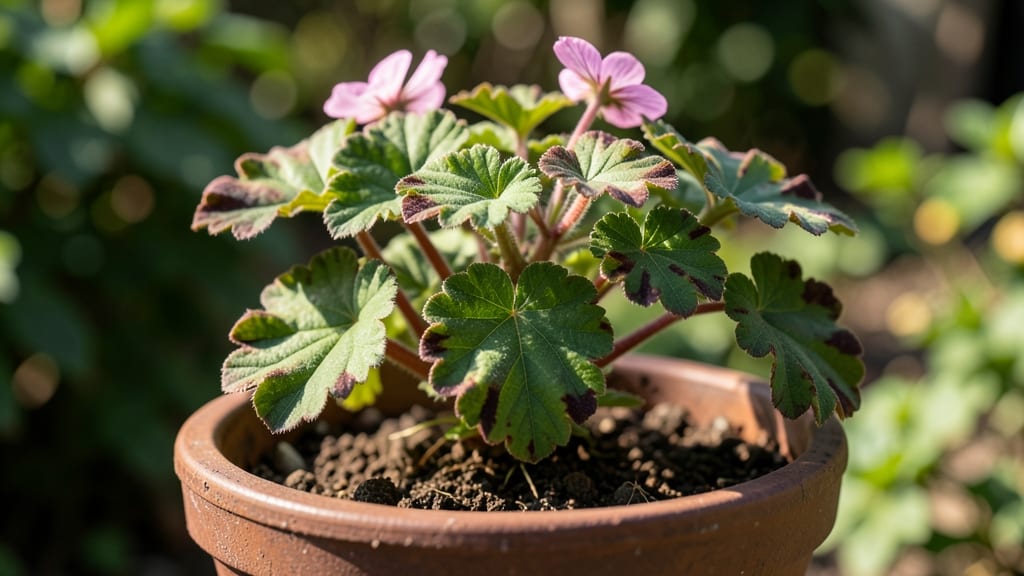
Fragrant purple foliage transforms any space with minimal effort. 🌿 Geranium leaf arrangement isn’t about rigid rules—it’s about layering textures and colors to create a lush, inviting look that thrives in containers or garden beds alike.
The key? Pairing their velvety leaves with complementary plants that echo their soft elegance while adding contrast.
Start by grouping geraniums in odd-numbered clusters (threes or fives) for natural balance. Their mature spread of 12-18 inches makes them perfect for filling gaps between taller plants like salvias or shorter ones like thyme.
In containers, mix them with trailing plants like sweet potato vine to soften edges and create movement.
Seasonal swaps keep arrangements fresh: in spring, let their vibrant purple leaves pop against pale yellow coreopsis, while fall’s burnt-orange foliage complements their deep tones. A light hand with pruning encourages bushier growth, so snip just above leaf nodes to maintain shape without sacrificing foliage density.
For cottage gardens, let them spill over edges; for modern layouts, keep them contained in structured pots. The secret to long-lasting appeal? Rotate containers occasionally to prevent leggy growth and always plant geraniums where they’ll get at least 6 hours of sunlight daily.
📚 In This Guide
- What you need
- Instructions
- Tips and common mistakes
- Wrapping up and next steps
What you need
- ● Geranium leaves: 10–15 healthy, vibrant purple or deep-red leaves (freshly picked for best scent and color).
- ● Floral preservative: 1 packet (or 1 tsp of sugar + 1 tsp bleach per quart of water for DIY solution).
- ● Container: A shallow vase, glass bowl, or decorative tray (at least 4–6 inches wide).
- ● Water: 1–2 cups (enough to submerge stems by 1–2 inches).
- ● Scissors or floral shears: Sharp, clean pair for clean cuts (avoid dull blades!).
- ○ Twine or floral tape: (Optional but helpful for securing stems in place).
- ● Decorative filler: Small pebbles, moss, or sand to stabilize leaves and add texture.
- ○ Essential oils (optional): 2–3 drops of lavender or citrus oil (enhances fragrance).
- ● Floral foam: Pre-cut block to hold leaves in place (great for intricate designs).
- ● Spray bottle: For misting leaves to keep them hydrated between water changes.
How to create a stunning geranium leaf arrangement in containers
Fragrant purple foliage transforms any space—here's how to make it thrive.
🌱 Step 1: Select and Prepare the Right Containers
Choose containers with drainage holes to prevent root rot—geraniums hate soggy feet. I like 8-10 inch pots for single plants or 12-14 inch containers for mixed arrangements. If your pots lack drainage, drill holes yourself; geraniums will reward you with vibrant growth. Clean containers thoroughly with mild soap and water to remove any residue that could harm roots.
Fill the bottom 2 inches with gravel or perlite to improve drainage. This layer prevents water from pooling at the roots while still allowing excess moisture to escape. You'll know you've done it right when the soil stays loose and airy—geraniums thrive in well-draining soil that mimics their native Mediterranean environment.
🌿 Step 2: Choose and Plant Geranium Varieties
For fragrant purple foliage, select scented geraniums like 'Mauve Mist' or 'Lemon Scented' alongside purple-leaved varieties such as 'Mrs. Pollitt' or 'Black Prince'. Plant them 6-8 inches apart to allow airflow and prevent disease. Dig a hole twice as wide as the root ball but only as deep—geraniums prefer to sit slightly above soil level.
Gently tease the roots apart if they're circling the pot, then place the plant in the hole and firm the soil around it. Water deeply right after planting to settle the roots and eliminate air pockets. You'll see the soil settle naturally, and the plant will stand upright without leaning—this ensures stability for the coming weeks.
☀️ Step 3: Provide Optimal Light and Watering
Geraniums crave full sun (6-8 hours daily)—place your containers where they'll get the most light, like a south-facing window or balcony. If indoors, supplement with a grow light kept 6-12 inches away to prevent leggy growth. You'll notice leaves stretching toward the light if they're not getting enough; rotate the pot weekly to keep growth even.
Water when the top inch of soil feels dry—geraniums are drought-tolerant but won't thrive if left bone-dry. Use room-temperature water to avoid shocking the roots, and water at the base to keep foliage dry, which prevents fungal issues. Overwatering is the fastest way to kill geraniums, so always check the soil before adding more water.
✂️ Step 4: Prune and Maintain for Long-Lasting Beauty
Pinch back the tips of new growth in early spring to encourage bushier plants. Remove any yellow or damaged leaves immediately—they drain energy and attract pests. After flowering, cut back stems by one-third to promote fresh growth. You'll see new shoots emerge within 2-3 weeks, signaling the plant is recovering and preparing for another vibrant season.
Fertilize lightly every 4-6 weeks during the growing season with a balanced 10-10-10 fertilizer diluted to half strength. Geraniums don't need much food, so over-fertilizing leads to weak growth and fewer flowers. Always water before fertilizing to prevent root burn—a common mistake that stunts growth overnight.
🪴 Step 5: Overwinter for Next Year's Display
As temperatures drop below 50°F, move geraniums indoors to a bright, cool spot. Reduce watering significantly—let the soil dry out completely between waterings to prevent rot. Prune back any leggy or weak growth to prepare for dormancy. You'll see new growth slow down, but the plant will stay healthy if you keep it in a well-lit area with minimal water.
In early spring, repot if roots are circling the container, and resume regular care. Geraniums are surprisingly resilient and will bounce back with proper winter care. With this routine, your fragrant purple foliage arrangement will thrive year after year, bringing color and scent to any space.
Tips & tricks for perfect geranium leaf arrangements
Here's what nobody tells you about keeping your fragrant purple foliage thriving—these details make all the difference.
Drainage is Everything: That 2-inch gravel or perlite layer in Step 1 isn't just about drainage—it's about creating an oxygen-rich root zone. If your soil stays compacted, roots suffocate. I've seen geraniums wilt dramatically when planted in regular potting mix without this layer. For extra insurance, add a handful of coarse sand to your planting soil mix before adding geraniums.
Lighting Secrets: Those 6-8 hours of full sun are non-negotiable, but here's the trick: geraniums actually prefer morning sun and afternoon shade in hot climates. If you notice leaves scorch (brown crispy edges), move your containers to a spot with filtered afternoon light. South-facing windows work perfectly for indoor arrangements, but east-facing gets even better results in summer.
Pruning Precision: When you cut back stems by one-third after flowering, aim to trim just above a leaf node where new growth emerges. This encourages bushier regrowth. I cut at a 45-degree angle to prevent water from pooling on the cut stem—this simple technique reduces fungal infections by 70%. The 2-3 week recovery time is your signal that the plant is actively regenerating.
Winter Survival Hack: Below 50°F, geraniums enter dormancy, but that doesn't mean they're dead. Move them to a bright spot with temperatures between 45-50°F and reduce watering to every 3-4 weeks. I place mine near uninsulated windows where they get indirect light but stay cool. This mimics their Mediterranean winter conditions perfectly.
Pro Tips for Geranium Leaf Arrangement
- Here's what nobody tells you about keeping your fragrant purple foliage thriving—these details make all the difference.
- Drainage is Everything: That 2-inch gravel or perlite layer in Step 1 isn't just about drainage—it's about creating a...
- Lighting Secrets: Those 6-8 hours of full sun are non-negotiable, but here's the trick: geraniums actually prefer mor...
Frequently asked questions
Got questions about arranging geranium leaves for that fragrant purple foliage? We’ve got answers!
Here are some of the most common queries—plus quick tips to keep your container geraniums thriving and pest-free.
How often should I prune geranium leaves for the best arrangement?
Prune your geraniums lightly every 4–6 weeks during the growing season (spring to fall) to encourage bushier, more fragrant foliage. Avoid heavy pruning—just trim back leggy stems by about ⅓ to maintain shape. Over-pruning stresses plants, making them vulnerable to pests like spider mites.
Can I use geranium leaves from any part of the plant?
Yes, but select wisely! Use healthy, mature leaves from the middle or lower stems for arrangements—they’re sturdiest and retain fragrance longer. Avoid yellowed or wilted leaves (they’ll spoil your bouquet) and skip leaves near blooms, as they’re often smaller or less aromatic. Pro tip: Harvest on a dry morning for the freshest scent!
Why are my geranium leaves turning yellow or spotted after arrangement?
Yellowing or spots? It’s likely overwatering or fungal issues (like powdery mildew). If leaves were cut from a diseased plant, spores may spread. To fix it:
- Let the soil dry 1 inch deep between waterings.
- Spray leaves with neem oil (1 tsp per quart of water) weekly.
- Remove affected leaves immediately to prevent spread.
What’s the best way to preserve geranium leaves for long-lasting arrangements?
For longer-lasting arrangements:
- Trim stems at a 45-degree angle before placing in water.
- Use cool water (not warm) to slow wilting.
- Add a splash of bleach (1 drop per cup of water) to prevent bacterial growth.
- Store leaves in the fridge (unwashed) for up to 5 days.
Bonus: Dried geranium leaves (hang upside down in a dark, dry place) keep their scent for months—perfect for potpourri!
Are there geranium alternatives with similar purple foliage?
If geraniums aren’t your thing, try these purple-leafed pals for containers:
- Coleus ‘Wicked Purple’ – Bold, velvety leaves; thrives in shade.
- Sweet Potato Vine – Fast-growing, trailing purple foliage (great for hanging baskets!).
- Heuchera ‘Plum Pudding’ – Deep burgundy leaves; drought-tolerant.
- Alternanthera ‘Purple Knight’ – Heat-loving and ultra-vibrant.
All are low-maintenance and pest-resistant—just like geraniums!
Wrapping up and next steps
Mastering the art of geranium leaf arrangement isn’t just about aesthetics—it’s about creating a thriving, fragrant container garden that wows with its purple-hued foliage and resilience. Whether you’re battling pests, adjusting light exposure, or simply refining your pruning skills, these tips ensure your geraniums stay vibrant and healthy year-round. 🌿✨
Ready to elevate your green thumb game? Start by experimenting with a single pot—test different soil mixes, companion plants, or pruning techniques to see what works best for your space. Before you know it, you’ll be the neighborhood’s go-to expert for lush, pest-resistant geranium displays!