
Pests
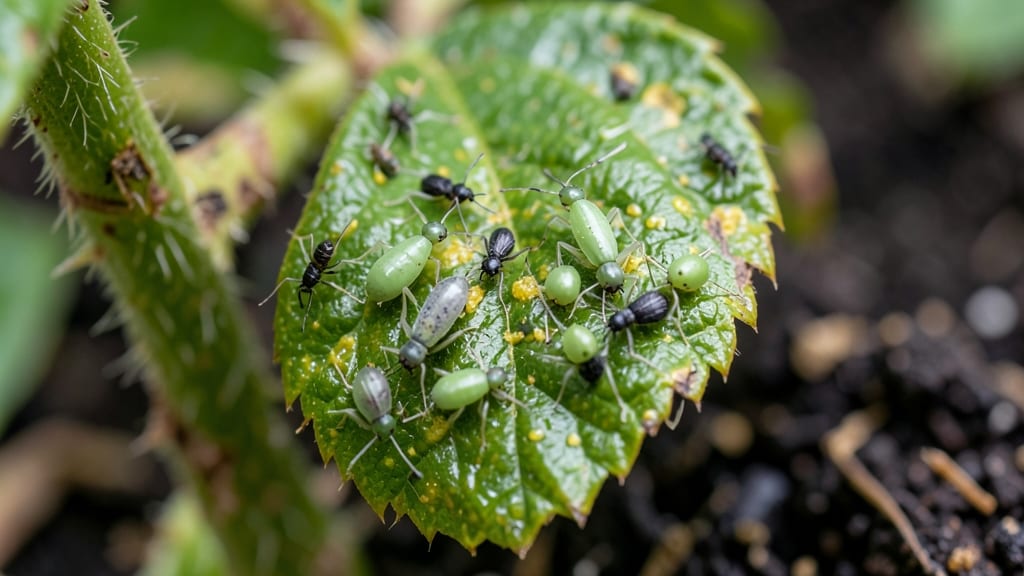
Aphid leaf damage turns vibrant green into sticky, curled messes faster than you can say "pest patrol." 🌱 I've seen entire plants wilt from these tiny sap-suckers, but the good news is that fixing it takes less than 10 minutes—no fancy tools or chemicals required.
The damage starts with tiny white or black bugs clustered on new growth, leaving behind a shiny residue called honeydew. Leaves curl, plants slow down, and before you know it, your thriving garden looks like a sad science experiment.
The key is acting fast before aphids multiply and spread to other plants. With the right spray—soapy water, neem oil, or insecticidal soap—you'll see them vanish within hours. A quick blast from the hose often does the trick too. The secret weapon?
Ladybugs and lacewings—they're nature's pest control and will happily snack on aphids all season long. Prevention is about keeping plants healthy and happy: water consistently, prune regularly, and attract beneficial insects. Once you master these quick fixes, aphids won't stand a chance against your green thumb.
Let's get those leaves looking fresh again!
Root Causes of Aphid Leaf Damage
Aphids may seem like tiny troublemakers, but their destructive habits stem from specific ecological and biological triggers. Understanding these causes can help you address the problem at its source—before your plants suffer further. Let’s break down the key factors that turn these pests into leaf-munching menaces.
Aphids thrive when plants are weak, making them an easy target for feeding. Overcrowding reduces air circulation, creating a humid microclimate that aphids love. Meanwhile, stress from poor soil, drought, or nutrient deficiencies weakens a plant’s defenses, making it harder to fend off pests.
- Why it happens: Healthy plants produce sticky resins (like aphid alarm pheromones) that deter aphids. Stressed plants? Not so much.
- Actionable fix: Thin out overcrowded plants, ensure proper drainage, and fertilize with balanced nutrients (especially nitrogen, phosphorus, and potassium).
Aphids don’t just attack any plant—they prefer soft, tender new growth and sap-rich species. Common favorites include:
- Vegetables: Lettuce, cabbage, broccoli, and beans
- Fruits: Roses, apples, peaches, and strawberries
- Houseplants: Ficus, hibiscus, and poinsettias
Why it happens: Aphids detect plant chemicals (like volatile organic compounds) that signal high sugar content in sap—basically, an all-you-can-eat buffet. 🍽️
Actionable fix:
- Rotate crops to avoid aphid buildup in the soil.
- Choose resistant varieties (e.g., aphid-resistant roses or kale).
- Remove heavily infested plants to prevent spread.
Aphids are part of a delicate ecosystem. When their natural predators (like ladybugs, lacewings, or parasitic wasps) are missing, their populations explode.
Why it happens:
- Pesticide overuse kills beneficial insects faster than aphids.
- Monoculture farming eliminates habitat diversity, reducing predator populations.
- Seasonal shifts (e.g., cold snaps) may temporarily suppress predators, giving aphids a head start.
Actionable fix:
- Encourage biodiversity with companion planting (e.g., marigolds, dill, or yarrow).
- Avoid broad-spectrum pesticides—opt for targeted solutions like neem oil or insecticidal soap.
- Introduce beneficial insects (buy ladybugs or lacewing larvae from garden centers).
Aphids love warm temperatures (60–80°F) and high humidity, which slows down their predators and keeps them hydrated. Rain can also wash away natural enemies, leaving aphids unchecked.
Why it happens:
- Spring and early summer provide ideal breeding conditions.
- Dry, windy conditions may reduce fungal diseases that naturally control aphid populations.
Actionable fix:
- Monitor weather patterns and act fast during aphid-friendly seasons.
- Improve airflow around plants to deter humidity-loving pests.
- Use reflective mulch (like aluminum foil) to confuse aphids and reduce heat stress on plants.
Aphids hitchhike on wind, water, and human tools, spreading rapidly between plants. Even well-meaning gardeners can accidentally introduce them via:
- Contaminated tools (pruners, gloves, or pots).
- Infested nursery plants (always inspect new additions!).
- Traveling on clothing or pets.
Why it happens: Aphids produce winged offspring when food sources are scarce, allowing them to colonize new areas quickly.
Actionable fix:
- Disinfect tools with rubbing alcohol between uses.
- Inspect plants before bringing them home (check undersides of leaves!).
- Quarantine new plants for a few weeks to monitor for pests.
Pro Tip: 🔍 Early detection is key! Regularly check the undersides of leaves, new growth, and flower buds—aphids love these spots. Catching them early means less damage and fewer chemicals needed.
Quick Fixes for Stunted, Sticky Plants
Aphids may be tiny, but their damage can feel overwhelming—especially when your plants look like they’ve been through a sticky sugar rush. 🍯🌿 The good news? You don’t need a PhD in entomology to turn things around.
Below, we’ve mapped out practical, fast-acting solutions based on the root cause of the damage, plus prevention tips to keep aphids from crashing your garden party again.
If your plants are wilting, curling, or sporting splotchy yellow leaves, aphids are likely sucking sap aggressively while injecting toxins. Act now before the damage spreads.
🍳 Spray Down with Soapy Water (Best for Small Infestations)
Why it works: A mild soap solution disrupts aphids’ waxy coating, dehydrating them in minutes. How to do it:
- Mix 1 tsp mild dish soap (like Dawn) + 1 quart warm water in a spray bottle.
- Shake well and spray directly on aphids (undersides of leaves are a hotspot!).
- Reapply every 3–4 days until gone.
Pro tip: 💡 Add a few drops of neem oil (½ tsp) to boost effectiveness—it’s aphid-repellent and safe for most plants.
👨🍳 Introduce Beneficial Insects (Long-Term Defense)
Ladybugs, lacewings, and parasitic wasps love aphids for breakfast.
Buy them online or attract them naturally: - Plant companion flowers like marigolds, dill, or yarrow near your crops. - Release ladybugs in the evening (they’re diurnal and less stressed by heat). - Avoid pesticides—they’ll kill the good guys too!
🥘 DIY Horticultural Oil Spray (For Stubborn Clusters)
If soap isn’t cutting it, horticultural oil smothers aphids without harming plants. Recipe:
- 1 cup water
- 1 tbsp horticultural oil (or refined mineral oil)
- 1 tsp soapy water (as a spreader-sticker)
- Spray evenly on all leaf surfaces, including stems.
Repeat in 5–7 days.
Honeydew isn’t just gross—it fuels sooty mold (black fungus) and lures ants that protect aphids like bodyguards. Break the cycle with these steps:
🔪 Prune and Clean Infested Areas
- Snip off heavily damaged leaves (especially with honeydew) and dispose of them in a sealed bag (not the compost!).
- Wipe leaves with a damp cloth dipped in rubbing alcohol (70% isopropyl)—aphids hate it and it evaporates quickly.
🌡️ Trap Ants to Starve the Aphids
Ants “farm” aphids for honeydew. Disrupt their supply chain with: - Borax bait stations: Mix 1 part borax + 3 parts sugar + water into a paste.
Place near ant trails. (Safe for pets? Keep away from kids/pets.) - Diatomaceous earth (DE): Sprinkle food-grade DE near plant bases. It dehydrates ants and aphids alike.
✨ Rinse with Water (For Light Honeydew)
- Use a hose on a gentle setting to wash off honeydew. Do this early in the day so leaves dry quickly (prevents mold).
Once you’ve kicked them out, lock the door with these habits:
| Do This | Avoid This |
|---|---|
| Inspect new plants 3 days after bringing them home. | Over-fertilizing with nitrogen (aphids adore soft, lush growth). |
| Rotate crops yearly to disrupt aphid life cycles. | Planting stressed or weak plants (aphids target easy meals). |
| Encourage airflow by pruning crowded foliage. | Using broad-spectrum pesticides (they kill natural predators). |
| Plant garlic, chives, or catnip near vulnerable plants. | Ignoring ants—they’re aphid’s #1 enabler! |
Final pro tip: 🌱 Neem oil spray (1 tbsp per quart of water + soap) is your Swiss Army knife—use it weekly as a preventative during growing seasons. Aphids won’t stand a chance!
Frequently asked questions
What do aphid-damaged leaves look like?
Aphid damage often starts with curled or yellowing leaves, especially on new growth. You’ll also see tiny white, green, or black bugs clustered along stems and leaf undersides. Look for sticky residue (honeydew) on leaves or nearby surfaces—this attracts ants and promotes sooty mold.
How quickly can aphids destroy a plant?
Aphids multiply rapidly—some species can double their population in just 3-4 days! Heavy infestations can cause leaves to yellow, wilt, or drop within 1-2 weeks if left untreated. The good news? Early intervention with soapy water or neem oil can stop them before serious damage occurs.
Will aphids kill my plants?
While aphids rarely kill mature, healthy plants outright, they can weaken them severely by draining sap and spreading viruses. Young seedlings and stressed plants are most vulnerable. The real danger comes from secondary issues like sooty mold (from honeydew) or ant protection that lets infestations grow unchecked.
Can I save a plant with severe aphid damage?
Yes! First, prune off heavily damaged leaves and dispose of them in a sealed bag. Then treat the remaining plant with neem oil or insecticidal soap. For stubborn cases, try a horticultural oil spray (repeat every 5-7 days). With proper care, most plants recover fully within 2-3 weeks.
Why do I keep getting aphids even after treating them?
This usually happens because aphids are hitchhiking on new plants, wind, or tools, or because you’re missing their ant protectors. Try these fixes: Quarantine new plants for 3 days, disinfect tools with rubbing alcohol, and trap ants with borax bait. Also check for hidden eggs on stems—some species overwinter there!