
Leaf Blower
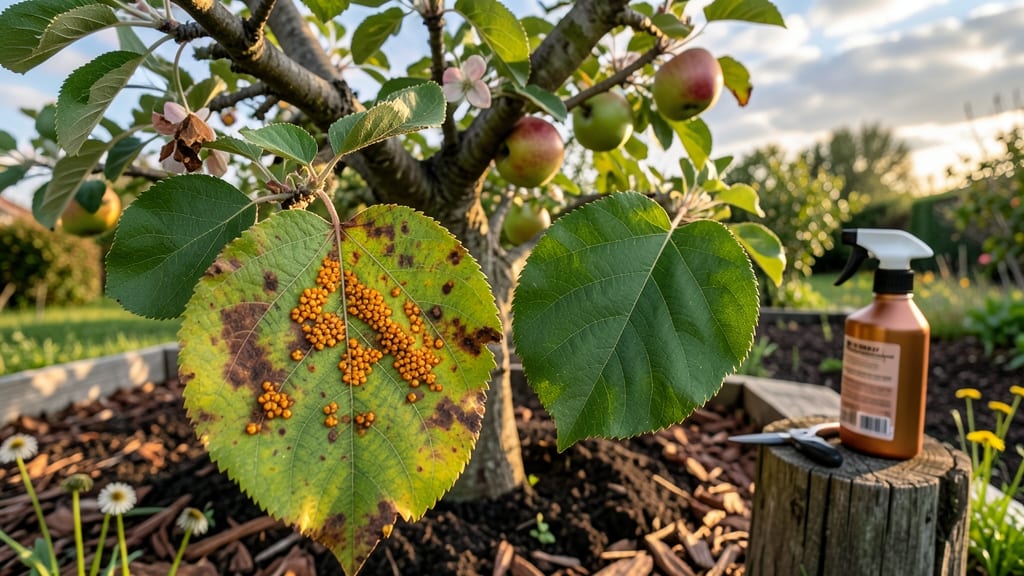
Apple leaf rust turns your orchard into a sickly mess of yellowing leaves and stunted growth. 🌿 I’ve seen it strip entire trees of their foliage by midsummer if you don’t act fast—and the key weapon in your arsenal is your leaf blower, used right.
This isn’t just about cleanup; it’s about breaking the disease cycle before next year’s buds even think about opening.
The rust spores hitch rides on fallen leaves, clinging like tiny vampires until spring. One wrong move—like piling infected debris under the tree—and you’ve just given the fungus a free pass to reinfect.
But here’s the good news: proper sanitation with a leaf blower reduces spore survival by 90%+ when done at the right time. The secret? Timing, technique, and what you do with the debris after you’ve cleared it.
You’ll end up with trees that push out fresh, vibrant green leaves by June instead of struggling with patchy yellow. The right cleanup routine also cuts down on chemical treatments—meaning healthier fruit and fewer headaches for you.
And yes, it works for crabapples too, though they’re tougher to cure once infected.
This method works in home orchards, community gardens, or even a single backyard tree. The tools you need? Just a leaf blower, a tarp, and a sharp eye for rust-colored spots. Let’s get those spores out of your yard for good.
The Hidden Triggers Behind Fungal Foliage Foes
Apple leaf rust isn’t just a random nuisance—it’s the result of a perfect storm of environmental and biological factors. Understanding these causes is the first step to stopping the spread, especially when leaf blowers and yard debris play a role.
Let’s break down the real culprits behind this stubborn fungal infection.
Fungal spores like those causing leaf rust thrive in damp conditions. Here’s why moisture is their secret weapon:
- Spores Need Water: Rust fungi release spores that require free water (like dew, rain, or overhead irrigation) to germinate and infect leaves. Even light morning dew can kickstart the process.
- Humidity’s Role: High humidity (above 75%) keeps spores alive longer on leaves, increasing infection rates. Shady, poorly ventilated orchards are hotspots because humidity lingers there.
- Leaf Blower Impact: While blowers don’t cause rust directly, they can spread spores from infected leaves to healthy ones—especially if used after rain when spores are sticky and airborne.
Actionable Tip: 🌡️ Monitor weather forecasts and avoid working in orchards during prolonged wet periods. If you must use a leaf blower, do so on dry days to minimize spore dispersal.
Healthy trees resist rust better than weakened ones. Stress factors create openings for fungal invasion:
- Poor Airflow: Dense canopies trap moisture and spores. Prune trees to improve circulation—aim for 12–18 inches between branches to reduce humidity pockets.
- Nutrient Deficiencies: Trees low in nitrogen, zinc, or iron are more susceptible. Conduct a soil test and amend with compost or balanced fertilizer (e.g., 10-10-10) in early spring.
- Physical Damage: Wounds from hail, pests (like aphids), or improper pruning create entry points for spores. Always sterilize pruning tools with 70% isopropyl alcohol to prevent cross-contamination.
Pro Tip: ✨ Mulch with wood chips (not fresh grass clippings) to retain moisture for roots but avoid smothering the base of trees—this balances hydration without inviting fungal growth.
Leaf rust spores can survive for months in fallen leaves, mummified fruit, or pruned branches. Here’s how they spread:
- Overwintering Spores: Rust fungi produce overwintering structures (like telia) in infected leaves. When these leaves decompose or are disturbed (e.g., by leaf blowers), spores are released.
- Wind & Equipment Spread: A single leaf blower can launch thousands of spores into the air, inoculating nearby trees. Even shoes or tools can carry spores between orchards.
- Alternate Hosts: Some rust fungi (like Gymnosporangium) require two hosts (e.g., apple trees and juniper bushes). Removing alternate hosts breaks the infection cycle.
Critical Step: 🔥 Clean up fallen leaves and prunings immediately—especially after harvest. Bag and compost them away from the orchard, or burn them (if allowed). Avoid leaving debris piles near trees.
Rust fungi have ideal temperature ranges for spore production and infection:
| Stage | Optimal Temperature | Why It Matters |
|---|---|---|
| Spore Germination | 50–70°F (10–21°C) | Cooler temps slow fungal growth, but spores still activate with moisture. |
| Rapid Infection | 60–80°F (15–27°C) | Perfect for spore release and leaf penetration. This is peak risk season (spring to early summer). |
| Dormancy | Below 40°F (4°C) or above 90°F (32°C) | Extreme temps halt spore activity—but spores can revive with the right conditions. |
Smart Strategy: 🎯 Time leaf cleanup and blower use for dry, hot days (above 85°F) to kill spores on contact. Avoid working during the 60–80°F window when fungi are most aggressive.
By targeting these root causes—especially moisture, stress, and spore sources—you can disrupt the rust fungus’s lifecycle. The next step? Learn how to break the cycle with leaf blower best practices.
How to Treat & Prevent Fungal Spread
Fungal infections like apple leaf rust can turn your orchard—or even a single prized tree—into a battleground. But don’t panic! With the right approach, you can stop the spread, revive affected leaves, and protect future harvests.
Below, we break down solutions by cause, from immediate fixes to long-term prevention—all designed to be practical for gardeners and growers alike.
🔥 Remove & Destroy Infected Leaves
Act fast—delaying removal lets spores multiply. Here’s how to do it safely:
- Prune infected foliage using sterilized shears (wipe with rubbing alcohol between cuts). Focus on yellow-orange pustules or curled, discolored leaves.
- Bag and trash the clippings immediately—do not compost them. Rust spores can survive in soil or compost piles for years.
- Shake out leaves from the tree onto a tarp, then burn them (if local laws allow) or dispose of them in sealed bags.
Pro Tip: 💡 Wear gloves and long sleeves—some fungal spores can irritate skin.
🧴 Apply Fungicidal Sprays (Organic & Chemical Options)
Once you’ve removed the worst of the infection, treat the tree to prevent further damage. Choose based on your preferences:
| Solution | How to Use | Best For |
|---|---|---|
| Neem Oil (Organic) | Mix 1–2 tbsp neem oil + 1 tsp mild soap in 1 gallon of water. Spray thoroughly (top and bottom of leaves) every 7–10 days during wet seasons. | Prevention + mild infections; safe for edible trees. |
| Copper Fungicide | Follow label instructions (typically 1–2 tbsp per gallon). Spray before rain for best adhesion. Reapply after heavy rain. | Severe infections; effective against multiple fungal diseases. |
| Baking Soda Solution | Dissolve 1 tbsp baking soda + 1 tsp oil in 1 gallon of water. Spray leaves evenly on dry, calm days. | Early-stage rust; budget-friendly and non-toxic. |
Pro Tip: 🌡️ Spray in the early morning or evening to reduce leaf burn from sunlight.
🌿 Improve Airflow & Reduce Moisture
Fungal spores love damp, stagnant conditions. Adjust your orchard’s environment to make it less hospitable:
- Thin out branches to allow sunlight and airflow to penetrate the canopy.
- Avoid overhead watering—use drip irrigation or soaker hoses to keep leaves dry.
- Mulch properly with straw or wood chips (keep 2–3 inches away from the trunk to prevent rot).
- Space trees wider if overcrowding is an issue (aim for 15–20 feet between mature apple trees).
🌱 Choose Resistant Apple Varieties
Not all apples are equally susceptible. Opt for rust-resistant cultivars like:
- Liberty
- Enterprise
- Akane
- GoldRush
If you’re stuck with a susceptible variety (e.g., McIntosh, Red Delicious), double down on prevention.
🌡️ Monitor & Act Early
Catching rust before it takes hold saves time and effort. Here’s your seasonal checklist:
- Spring: Inspect leaves weekly after rainy periods. Look for tiny yellow spots—the first sign of rust.
- Summer: Remove fallen leaves immediately (spores spread via wind and water).
- Fall: Rake and remove all leaf litter from under trees. Consider a cleanup leaf blower for large areas.
- Winter: Prune out dead or weak branches to reduce hiding spots for spores.
Pro Tip: ✨ Use a hand lens (10x magnification) to spot early rust pustules—your eyes alone might miss them!
🚫 Break the Spore Cycle
Rust spores can overwinter in old leaves, buds, or even on tools. Disrupt their lifecycle with these steps:
- Sterilize pruners between cuts with rubbing alcohol or a bleach solution (1 part bleach to 9 parts water).
- Clean leaf blowers after use—rust spores can hitch a ride and spread to other trees. Use a fungicide spray on blower parts if needed.
- Avoid mulching with infected leaves or grass clippings.
🌿 Boost Tree Health Naturally
A healthy tree fights off diseases better. Strengthen your apple trees with:
- Balanced fertilization: Test soil and amend with compost or a low-nitrogen, high-potassium fertilizer in late summer.
- Probiotics for soil: Apply beneficial fungi like Trichoderma to outcompete pathogens.
- Companion planting: Surround apple trees with garlic, chives, or thyme—their antifungal properties deter rust.
With these strategies, you’ll minimize rust outbreaks, protect your trees, and keep your orchard thriving. The key? Vigilance + action—don’t wait for the problem to worsen!
Frequently asked questions about apple leaf rust
What do apple leaf rust spots look like in early stages?
Early signs appear as tiny, yellow-orange spots on the upper leaf surface, often with fuzzy pustules on the underside. These spots eventually turn brown and may curl the leaves. In wet conditions, you might see a rust-colored powdery coating—hence the name.
Can apple leaf rust spread to other plants in my garden?
Some rust fungi require two hosts (like apple trees and juniper bushes), but most stay within the Rosaceae family. While it won’t jump to tomatoes or peppers, it can infect crabapples, hawthorns, or other fruit trees. Always clean tools between trees!
How often should I spray fungicides for prevention?
For organic options like neem oil, apply every 7–10 days during wet seasons. Chemical copper fungicides need 2–3 applications per season, timed before rain. Start spraying when buds swell in spring and continue until harvest.
Will pruning help if my tree already has leaf rust?
Yes! Prune to remove infected leaves and branches, but focus on improving airflow. Remove only what’s necessary—over-pruning stresses trees. Sterilize tools between cuts to prevent spreading spores to healthy branches.
Can I still harvest fruit from a tree with leaf rust?
Yes, but monitor fruit closely. While rust primarily affects leaves, severe infections can reduce fruit quality. Harvest promptly and store fruit in cool, dry conditions. Avoid eating leaves or fruit with visible fungal growth.