
Pests and Diseases
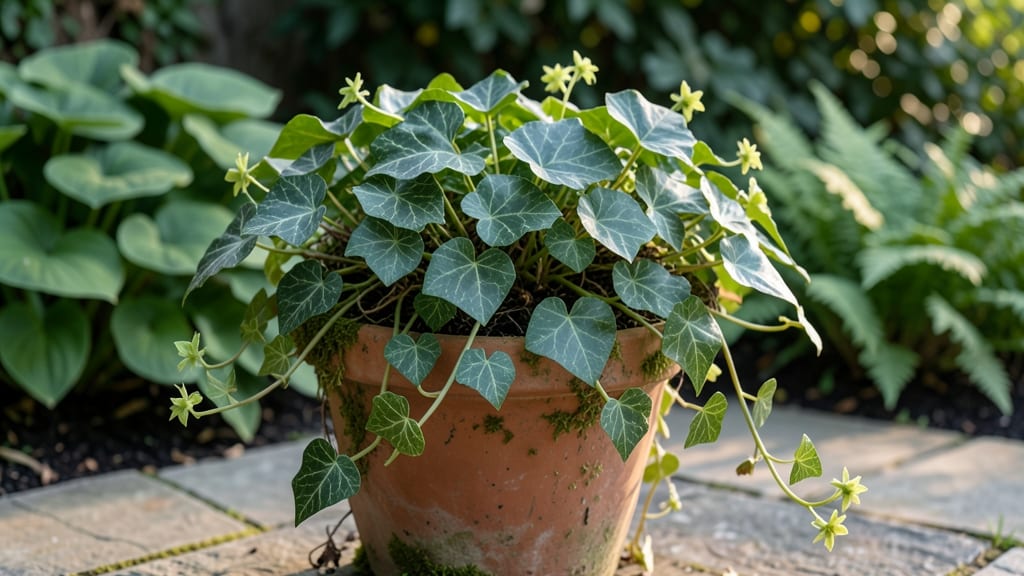
Arabian wax leaf ivy transforms any space with its glossy, deep-green foliage and graceful vines. 🌿 I’ve grown it in both sun-drenched patios and shady corners, and it thrives in both—unlike other ivies that struggle in heat or low light.
The key lies in its adaptable nature and fast growth, making it perfect for vertical gardens, hanging baskets, or even as a ground cover. This variety stands out with its wax-coated leaves that resist pests naturally, plus its ability to climb smooth surfaces without damaging them.
Unlike English ivy, it stays lush year-round in warm climates (zones 7-11) and can even handle indoor conditions if given bright, indirect light. The secret to keeping it vibrant? Well-draining soil and occasional pruning to encourage bushier growth.
You’ll love how quickly it fills gaps—within 6-12 months, a single cutting can become a dense, cascading curtain. The best part? It’s low-maintenance once established, so even busy gardeners can enjoy its beauty without constant upkeep. Just avoid overwatering, and you’re set.
Whether you’re draping it over a trellis, spilling it from a balcony planter, or training it up a wall, this ivy delivers dramatic results with minimal effort. Let’s get it growing!
📚 In This Guide
- What you need
- Instructions
- Tips and common mistakes
- Wrapping up and next steps
What you need
- ● Arabian wax leaf ivy plant: 1 healthy cutting (4–6 inches long) or a mature plant from a nursery.
- ● Well-draining potting mix: 1 bag (5–10 gallons) of a blend like African violet mix or a 50/50 combination of peat moss and perlite.
- ● Container or garden bed: For pots: 1–2 containers (8–12 inches in diameter) with drainage holes.
- ● For outdoors: A shaded or partially sunny spot with loamy, slightly acidic soil (pH 5.0–6.5).
- ● Fertilizer: 1 bottle of balanced liquid fertilizer (10-10-10) or organic compost.
- ● Watering can or hose: With a gentle spray nozzle for hydration.
- ● Pruning shears: 1 pair (sterilized with rubbing alcohol to prevent disease).
- ○ Gloves: 1 pair (optional, for handling thorns or soil).
- ○ Support structure (optional): Trellis, moss pole, or macramé hanger for trailing varieties.
- ● Stakes or coco coir ties for climbing support.
- ● Pest/disease control (preventative): Neem oil (1 bottle) for fungal/bacterial issues.
- ● Insecticidal soap (1 spray bottle) for aphids or spider mites.
Step-by-Step instructions for cultivating Arabian wax leaf ivy
This fast-growing beauty thrives with minimal fuss—here’s how to grow it lush and full.
🌱 Step 1: Select and Prepare the Right Container
Arabian wax leaf ivy loves to trail, so choose a hanging basket or a pot with at least 12 inches of depth for its roots to spread. I use terra cotta pots because they wick away excess moisture—this plant hates soggy roots. Make sure the container has multiple drainage holes to prevent waterlogging.
Fill the pot with well-draining potting mix (avoid garden soil—it compacts too easily). I like to mix in a handful of perlite to improve aeration. Fill the container to 1 inch below the rim and press lightly to settle the soil without compacting it. The mix should feel like a damp sponge—not bone-dry, but not dripping wet either.
☀️ Step 2: Choose the Perfect Light Spot
This ivy thrives in bright, indirect light but tolerates partial shade beautifully. Place your container near a south- or east-facing window for the best growth. If you’re growing it indoors, watch for yellowing leaves—that’s a sign it’s getting too much direct sun. Outdoors, it handles morning sun but may scorch in hot afternoon rays.
Rotate the pot a quarter turn weekly so the plant grows evenly. You’ll notice new growth leaning toward the light—this is normal, but rotating keeps it bushy. If your space is dim, supplement with a grow light for 6-8 hours daily. The leaves should stay deep green and glossy—if they look dull or stretched, it’s time to move it closer to light.
💧 Step 3: Water Wisely for Lush Growth
Water when the top inch of soil feels dry to the touch. Stick your finger in—if it comes out clean, it’s time to water. I water thoroughly until it drains from the bottom, then empty the saucer to avoid root rot. Arabian wax leaf ivy is drought-tolerant once established, so let the soil dry out slightly between waterings.
Mist the leaves every few weeks to keep them looking vibrant. The waxy coating on the leaves helps retain moisture, but a light spray mimics humidity and prevents dust buildup. If the tips start browning, you’re either overwatering or underwatering—check the soil moisture first. The plant should bounce back quickly if you adjust.
✂️ Step 4: Prune and Encourage Trailing Habits
Pinch back the tips of the vines when they reach 6-8 inches long to encourage bushier growth. This is where the magic happens—the plant will branch out and fill in faster. Use clean, sharp scissors to avoid crushing the stems. I prune in early spring to shape the plant and again in late summer to keep it tidy.
If your ivy starts looking leggy, trim back the longest stems by half and place the cuttings in water to propagate. New roots will form in 2-3 weeks, and you’ll have fresh plants to trail elsewhere. The key is to prune regularly—this ivy grows fast, and a little maintenance keeps it looking its best.
🪴 Step 5: Fertilize for Vibrant Foliage
Feed your ivy every 4-6 weeks during the growing season (spring to fall) with a balanced liquid fertilizer (10-10-10 works well). I dilute it to half-strength to avoid burning the roots. Stop fertilizing in winter when growth slows down—overfeeding can harm the plant.
You’ll notice shinier, darker leaves within a few weeks of fertilizing. If the leaves start yellowing between the veins, that’s a sign of over-fertilizing. Flush the soil with water to rinse out excess salts. A happy Arabian wax leaf ivy should have glossy, waxy leaves that trail beautifully—no yellow, no brown, just lush green perfection.
Tips & tricks for perfect Arabian wax leaf ivy
Here's what nobody tells you about keeping this plant thriving with minimal effort.
Container Selection: If you're using a hanging basket, choose one with sturdy, wide openings—this ivy can get surprisingly heavy as it grows. I've found that baskets with built-in saucers prevent soil from spilling onto surfaces below, which is a game-changer for cleanliness. For pots, make sure the drainage holes are large enough to handle the plant's moderate water needs—small holes can cause clogging and lead to root rot.
Light Adaptation: The weekly quarter-turn rotation in Step 2 is crucial, but don't forget to adjust your plant's position seasonally. In summer, move it slightly farther from windows to prevent leaf scorch, while winter brings opportunities to give it more light. I've noticed that plants near west-facing windows often need afternoon shade during peak summer months to maintain their glossy appearance.
Watering Wisdom: The "top inch dry" rule works, but I've learned to trust my finger's moisture sensation more than just visual inspection. Press your finger about 1 inch deep—if the soil feels like a slightly damp sponge rather than dry sand, wait another day. Overwatering is the #1 killer of wax leaf ivy, and this simple check prevents that. The plant's waxy leaves actually help it retain moisture, so it's more forgiving than many houseplants.
Pruning Payoff: When you pinch back those 6-8 inch vines, don't be afraid to be aggressive—this plant responds beautifully to regular pruning. I've found that trimming in early spring gives the plant a strong start for the growing season, while late summer pruning helps it prepare for winter dormancy. The cuttings you take during pruning make excellent propagation material, and you'll have new plants ready in just 2-3 weeks.
Pro Tips for Arabian Wax Leaf Ivy
- Here's what nobody tells you about keeping this plant thriving with minimal effort.
- Container Selection: If you're using a hanging basket, choose one with sturdy, wide openings—this ivy can get surprisingly heavy as it grows.
- Light Adaptation: The weekly quarter-turn rotation in Step 2 is crucial, but don't forget to adjust your plant's position seasonally.
Frequently asked questions
about Arabian Wax Leaf Ivy (Hedera colchica 'Dentata Variegata')—because even the most stunning plants come with questions! Here are the answers to the most common ones.Is Arabian Wax Leaf Ivy toxic to pets?
Yes, unfortunately, this ivy is toxic to cats and dogs if ingested. It contains saponins, which can cause vomiting, drooling, or diarrhea. Keep it out of reach of curious paws or opt for pet-safe alternatives like Philodendron or Parlor Palm.
Can it survive in full sun or only shade?
Arabian Wax Leaf Ivy thrives in partial shade to full shade, but it can tolerate morning sun in cooler climates. Avoid harsh afternoon sun, which can scorch its delicate leaves. If growing outdoors, place it where it gets bright, indirect light for best results.
What pests commonly attack this ivy, and how do I treat them?
Watch for spider mites, mealybugs, or scale insects—especially in dry conditions. Treat infestations with neem oil or insecticidal soap. For severe cases, wipe leaves with a soapy water solution (1 tsp mild soap per quart of water) and repeat weekly.
How often should I prune Arabian Wax Leaf Ivy?
Prune 2-3 times a year to encourage bushier growth and control trailing. Trim leggy stems in spring or early summer, and snip yellowing or damaged leaves anytime. Use clean, sharp scissors to avoid tearing the vines—less is more!
Can I grow this ivy in a hanging basket or as a ground cover?
It’s perfect for hanging baskets (trails beautifully) or as a low-maintenance ground cover in shaded areas. For baskets, ensure drainage holes and use a well-draining mix. For ground cover, plant 12–18 inches apart and mulch to retain moisture.
Is it cold-hardy, or do I need to bring it indoors in winter?
This ivy is tender perennially—it tolerates temps down to 15–20°F (-9 to -7°C) but may suffer damage below that. In colder zones, overwinter it indoors or protect outdoor plants with burlap wraps and mulch. Cut back dead growth in spring.
Wrapping up and next steps
Arabian wax leaf ivy is a versatile, low-maintenance plant that thrives in both sun and shade, making it a fantastic choice for gardens, balconies, and indoor spaces. 🌿 While it’s generally resilient, staying vigilant against pests like spider mites and diseases such as powdery mildew ensures your plant stays lush and healthy.
With the right care—proper pruning, balanced watering, and occasional fertilizing—you’ll enjoy its stunning cascading foliage for years to come!
Ready to give your space a touch of elegant greenery? Start by assessing your plant’s current health, then take action—whether it’s adjusting its environment, treating pests, or simply admiring its natural beauty! 🌟