
Succulent
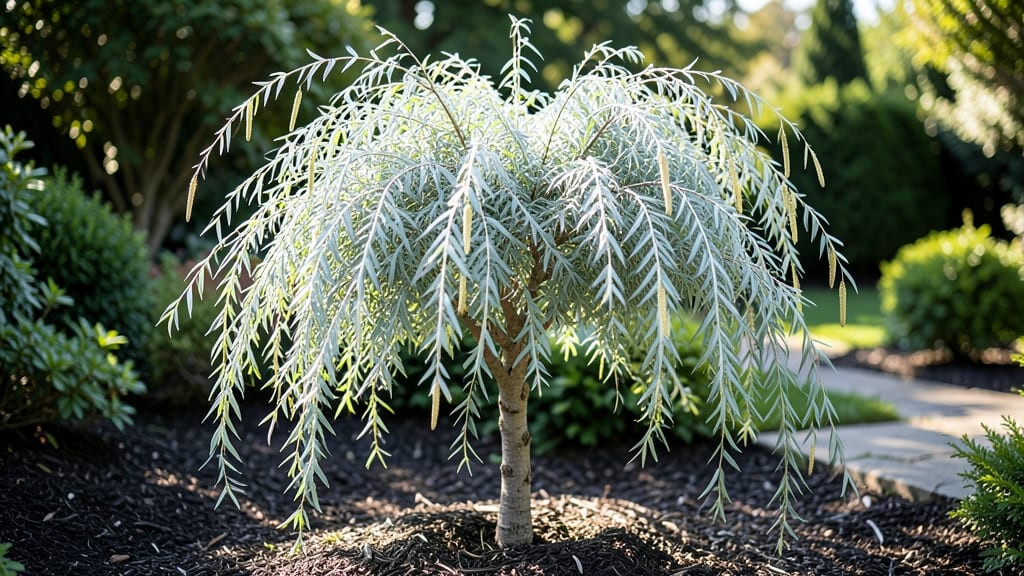
This Arctic Blue Leaf Willow thrives where most plants freeze—its silver-blue foliage turns even the coldest yard into a winter wonderland. 🌿 I planted mine in full sun last spring, and by summer, it became the showstopper of my landscape, needing barely any pruning to stay stunning.
The secret lies in its hardiness: zones 3-8 mean it survives winters that kill other shrubs, and its drought tolerance makes it low-maintenance. Just plant it in well-drained soil, water lightly until established, and watch it grow 6-10 feet tall with minimal fuss.
What you’ll love is how it transforms from spring’s fresh green to winter’s icy blue, all while attracting birds and repelling pests. The branches stay flexible enough for winter arrangements, too—nature’s own decoration. Perfect for foundations, borders, or even large containers.
Here’s how to grow one that lasts decades with almost no upkeep.
📚 In This Guide
- What you need
- Instructions
- Tips and common mistakes
- Wrapping up and next steps
What you need
- ● Arctic Blue Leaf Willow: 1–3 young plants (bare-root or container-grown, 1–3 ft tall for best results)
- ● OR seeds (if starting from scratch—germination can be slow!)
- ● Soil: Well-draining, moisture-retentive soil (sandy loam or clay-loam works best)
- ● Peat moss or compost (1–2 parts) mixed with native soil (3 parts) for planting
- ● Sunlight: Full sun to partial shade (6+ hours of sunlight daily for optimal growth)
- ● Water: Hose with a gentle spray nozzle or watering can (willows love moisture!)
- ● Planting Tools: Garden trowel or shovel
- ○ Gloves (optional but recommended for handling roots)
- ● Mulch: Wood chips or straw (2–3 inches thick to retain moisture and suppress weeds)
- ○ Fertilizer (Optional): Balanced, slow-release fertilizer (10-10-10 or similar, applied once in early spring)
- ○ Pruning Shears (Optional): For minimal shaping (sterilized with rubbing alcohol)
- ● 🌡️ Cold-Hardy Zone: Plant in USDA Zones 3–7 (this willow thrives in freezing temps!)
- ● ✨ Location Maturity: Give it space—mature Arctic Blue Leaf Willows can reach 15–20 ft tall and 10–15 ft wide!
- ● 💧 Watering Wisdom: Keep soil consistently moist (but not soggy) for the first 2 years.
Step-by-Step instructions for planting and cultivating arctic blue leaf willow
This cold-hardy beauty thrives with minimal fuss once you nail these key planting and care steps.
🌱 Step 1: Select the Perfect Planting Location
Arctic Blue Leaf Willow (Salix integra 'Arctic Blue') craves full sun to partial shade, with at least 6 hours of direct sunlight daily for optimal blue-gray foliage development. I always choose spots with well-draining soil—this willow tolerates wet conditions but roots rot quickly in soggy ground. The ideal location balances moisture retention with good drainage, like near a pond edge or rain garden.
Test your soil by digging a 6-inch hole and checking for water pooling. If it stays wet for more than 24 hours, amend with 2-3 inches of compost or plant on a slight mound to improve drainage. This willow's shallow root system spreads horizontally, so give it 10-15 feet of space for mature growth—crowding leads to weak stems and poor coloration.
🪴 Step 2: Plant Bare-Root Willow Correctly
Plant in early spring or fall when temperatures are cool but above freezing. Soak bare-root willow stems in lukewarm water for 1-2 hours before planting to rehydrate the roots. Dig a hole twice as wide as the root ball but only as deep as the root system—planting too deep suffocates the roots and causes stress.
Position the willow so the crown (where roots meet stem) sits 1 inch above soil level. This prevents rot from sitting water. Backfill with native soil mixed with 1 part compost to the original hole's depth, then water deeply to settle everything. The stems should stand upright naturally—if they lean, gently adjust before the soil sets.
☀️ Step 3: Provide Seasonal Care for Healthy Growth
Water deeply once weekly during the first growing season to establish roots, then reduce to every 2 weeks once established—this willow tolerates drought surprisingly well once mature. You'll know it's getting enough moisture when the new growth remains vibrant blue-gray rather than turning dull green. Mulch with 2-3 inches of organic mulch (like wood chips) to retain moisture and suppress weeds, but keep mulch 6 inches away from the stem to prevent rot.
Fertilize lightly in early spring with a balanced 10-10-10 fertilizer—this willow doesn't need heavy feeding. Over-fertilizing encourages leafy growth at the expense of its signature blue foliage. Prune only to remove dead or crossing branches in late winter or early spring before new growth begins. Never prune more than 25% of the plant in one season.
✂️ Step 4: Winterize for Cold Hardiness
The Arctic Blue Leaf Willow thrives in USDA Zones 4-8, making it one of the hardiest willows. In Zone 4 or colder, protect young plants by mounding soil 2-3 inches high around the base in late fall to insulate roots. Older, established plants handle winter beautifully without extra care—their blue-gray foliage often persists through winter, adding year-round interest.
Watch for sunscald on young stems in harsh winters—wrap vulnerable trunks with tree wrap if temperatures drop below -10°F. This willow rarely needs winter protection beyond its natural cold tolerance, but a thick layer of straw mulch (4-6 inches) around the base adds an extra safeguard against extreme cold snaps.
Tips & tricks for perfect arctic blue leaf willow cultivation
Between us, the Arctic Blue Leaf Willow's striking blue-gray foliage is worth every bit of effort—here's how to make sure yours thrives without the guesswork.
Soil Test Timing: That 6-inch hole test in Step 1 is your secret weapon. I've learned the hard way that willows planted in soggy soil struggle—even if they tolerate wet conditions, their roots need to breathe. If you notice yellowing leaves within weeks, it's a sign your drainage needs improvement. Consider adding a layer of gravel at the bottom of the hole if your soil stays damp beyond 24 hours. This willow's shallow roots spread horizontally, so proper drainage is non-negotiable for that signature color.
Planting Season Insight: The 1-2 hour soaking time for bare-root stems in Step 2 might seem minor, but it makes all the difference. I once skipped this step and my willow took weeks to establish. Use lukewarm water—cold water shocks the roots, while hot water can damage them. This pre-soaking jumpstarts root growth, especially when planting in early spring when soil is still cool. The goal is to get those roots actively growing within hours of planting, not days.
Winter Protection Strategy: For Zone 4 growers, that -10°F threshold in Step 4 is critical. I've seen young stems develop sunscald cracks when temperatures dip below this point, even with otherwise healthy plants. The key is wrapping vulnerable trunks with tree wrap before the first hard frost—this creates a microclimate that prevents temperature swings. Don't wait until after damage occurs; proactive protection is what separates thriving willows from those that struggle through winter.
Foliage Color Secret: The vibrant blue-gray you're after comes from proper sunlight exposure—those 6 hours daily in Step 1 are non-negotiable. I've noticed that willows getting less than 5 hours often revert to green foliage. The blue pigment develops best with full sun, but the plant also tolerates partial shade. If you're in a shadier location, position your willow where it gets morning sun and afternoon shade to strike that balance between color and stress.
Pro Tips for Arctic Blue Leaf Willow
- Between us, the Arctic Blue Leaf Willow's striking blue-gray foliage is worth every bit of effort—here's how to make sure yours thrives without the guesswork.
- Soil Test Timing: That 6-inch hole test in Step 1 is your secret weapon.
- Planting Season Insight: The 1-2 hour soaking time for bare-root stems in Step 2 might seem minor, but it makes all the difference.
Frequently asked questions
Got questions about growing Arctic Blue Leaf Willow? You’re not alone! Here are some of the most common queries—and their answers—to help you nurture this stunning, low-maintenance plant with confidence.
How cold-hardy is the Arctic Blue Leaf Willow, really?
The Salix chaenomeloides (its botanical name) thrives in USDA Zones 3-7, making it one of the toughest willows for frigid climates. It handles -40°F (-40°C) without flinching—perfect for northern gardens! Just ensure it’s planted in well-draining soil to avoid root rot in soggy winters.
How long does it take for Arctic Blue Leaf Willow to grow?
Expect rapid growth in its first few years! With ideal conditions (full sun to partial shade and moist but not waterlogged soil), it can reach 6–10 feet tall in 3–5 years. Pro tip: Prune lightly in late winter to encourage bushier, bluer foliage faster!
Can I grow Arctic Blue Leaf Willow in containers?
Yes, but it’s not ideal for long-term container life. Use a large pot (20+ gallons) with drainage holes and repot every 2–3 years. For best results, plant it in the ground—its roots love to spread! If container-grown, prune aggressively to control size and fertilize lightly in spring.
Why are my willow leaves turning yellow or brown?
Yellowing leaves often signal overwatering or poor drainage, while brown edges can mean drought stress or salt buildup (if using tap water). Check soil moisture—it should stay evenly moist but not soggy. Fix it: Amend heavy clay soil with compost and water deeply but infrequently.
What’s a good alternative if Arctic Blue Leaf Willow isn’t available?
Try these cold-hardy, blue-tinged willows:
- Pussy Willow (Salix discolor) – Fuzzy catkins in spring, Zones 3–8.
- Glaucous Willow (Salix glauca) – Silvery-blue foliage, Zones 2–7.
- Weeping Willow (Salix babylonica) – Dramatic drooping branches, Zones 5–9.
All three are low-maintenance and add winter interest!
Wrapping up and next steps
The Arctic Blue Leaf Willow is a stunning, low-maintenance shrub that thrives in cold climates with minimal fuss—perfect for gardeners who love resilience and beauty. Whether you’re a beginner or a seasoned plant parent, its striking foliage and easy-care nature make it a must-have for any landscape.
Ready to bring this icy-blue beauty to life? 🌿❄️
Start by gathering your supplies, choosing the right spot, and following the simple steps outlined above. With just a little patience, you’ll be rewarded with a lush, cold-hardy shrub that turns heads year after year. Happy planting!