
Pests and Diseases
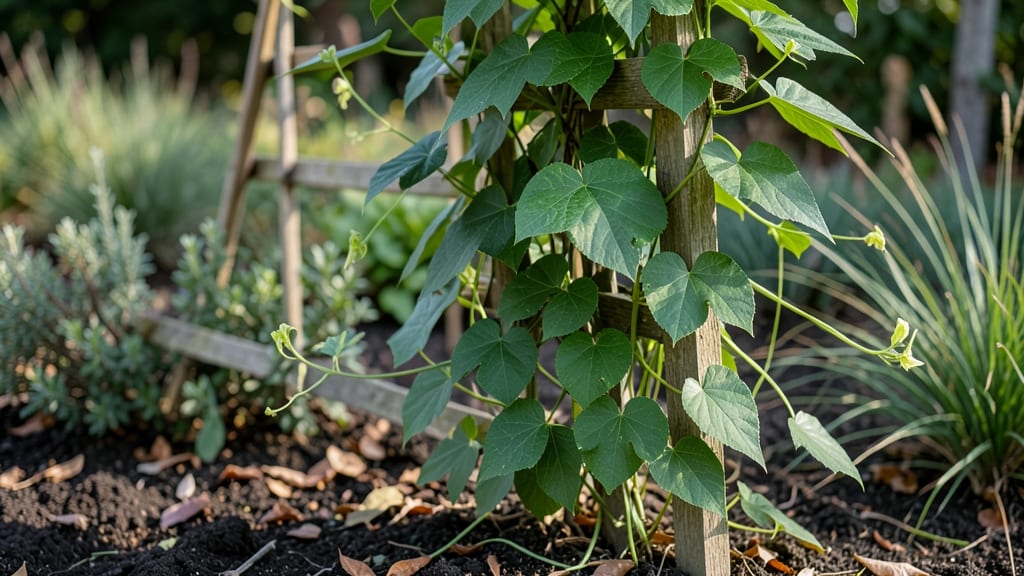
Growing big leaf vines transforms any space into a lush green oasis—indoors or out. 🌿 These cold-hardy plants thrive year-round with minimal fuss, offering both structure and drama to your garden or home decor.
I’ve grown them in everything from sunny patios to shady corners, and the key is matching their needs to your environment.
The secret to success lies in three things: bright, indirect light, well-draining soil, and occasional pruning to encourage bushier growth. Most big leaf vines—like Monstera deliciosa or Philodendron bipinnatifidum—love humidity but adapt well to average home conditions.
Start with a sturdy pot or trellis, and you’ll see those signature leaves unfurling in just a few months.
By the end of the season, you’ll have a thriving vine with glossy, heart-shaped leaves that add texture and height to any space. Pruning isn’t just for shaping—it also boosts airflow, reducing pests and diseases that plague slower-growing varieties.
Even beginners can master this with a few simple tools and a little patience.
Whether you’re growing Monstera for its dramatic foliage or Philodendron for its adaptability, these vines deliver year-round interest with minimal maintenance. The best part? They’re just as happy in a cozy corner as they are climbing a trellis in your backyard. Let’s get those roots growing!
📚 In This Guide
- What you need
- Instructions
- Tips and common mistakes
- Wrapping up and next steps
What you need
- ● Big Leaf Vine Plants: 3–5 healthy Clematis armandii or Clematis montana plants (cold-hardy varieties, zones 4–9)
- ● Container-grown or bare-root (check for pests/diseases before purchasing!)
- ● Soil & Amendments: Well-draining potting mix (for containers) or garden soil amended with compost (50% organic matter)
- ● Slow-release balanced fertilizer (10-10-10 or 5-10-10, 1–2 lbs per plant)
- ● Perlite or sand (for containers, to improve aeration)
- ● Planting Supplies: Garden trowel or transplant spade
- ● Pruning shears (sterilized with rubbing alcohol)
- ● Mulch (2–3 inches of shredded bark or wood chips)
- ● Support Structures: Trellis, arbor, or sturdy fence (6–10 ft tall, depending on variety)
- ● Soft plant ties or garden twine (non-metallic, to avoid vine damage)
- ● Pest/Disease Prevention: Neem oil spray (for fungal issues like powdery mildew)
- ● Copper fungicide (preventative treatment in humid climates)
- ● Container Growers: Large pots (15+ gallons per vine, with drainage holes)
- ● Self-watering system or moisture meter
- ● Winter Care: Burlap or frost cloth (for young vines in zones 4–5)
- ● Insulating mulch (straw or leaves for ground cover)
How to grow big leaf vines for year-round garden structure
Cold-hardy vines like clematis and Virginia creeper deliver lush foliage that thrives through all seasons.
🌱 Step 1: Select the Right Vine Variety for Your Climate
Big leaf vines like clematis and Virginia creeper offer both beauty and durability. For USDA zones 3-7, clematis varieties such as 'Jackmanii' or 'Niobe' provide sturdy growth with large, textured leaves that persist through winter. In zones 4-9, Virginia creeper (Parthenocissus quinquefolia) delivers vibrant fall color and cold resilience. I always check the mature height—some varieties reach 20-30 feet, while others stay compact at 6-10 feet—to match my space.
Here's the thing—avoid tropical vines like bougainvillea if you live in colder zones. They won't survive winter. Instead, focus on native or hybridized cold-hardy species that naturally resist frost damage. You'll see the difference in their leaf structure: big leaf vines have thick, waxy foliage that sheds snow easily, while tender vines wilt under freezing temps.
☀️ Step 2: Choose a Support Structure and Plant Location
Big leaf vines need strong support—think trellises, arbors, or sturdy fences. For clematis, I install a 5-foot-tall trellis with horizontal wires spaced 12 inches apart to guide vertical growth. Virginia creeper can climb smooth bark trees or chain-link fences using its tendrils. The key is positioning: plant near south- or west-facing walls to maximize winter sun exposure, which prevents leaf scorch in spring.
Dig a hole twice as wide as the root ball but only as deep—planting too deep suffocates roots. Mix the excavated soil with compost (about 1 part compost to 3 parts soil) to improve drainage. Big leaf vines hate soggy roots, so if your soil drains poorly, amend it with sand or perlite. You'll know you've done it right when the soil around the roots looks dark, crumbly, and moist but not wet.
💧 Step 3: Water Deeply and Mulch for Winter Protection
After planting, water deeply—about 1-2 gallons per plant—to settle the soil. Big leaf vines establish roots slowly, so keep the soil evenly moist for the first 4-6 weeks. You'll see new growth within 2-3 weeks if conditions are right. Once established, they tolerate drought better, but young plants need consistent moisture to avoid stress.
In fall, apply a 3-inch layer of mulch (like shredded bark or straw) around the base. This insulates roots during winter and prevents heaving (when soil freezes and expands, pushing roots out). For extra cold protection in zones 3-5, wrap the base of young plants with burlap or use a cloche in early spring to shield tender new shoots from late frosts.
✂️ Step 4: Prune Strategically for Seasonal Health
Big leaf vines need two pruning sessions: late winter (before buds swell) and early summer (after flowering). For clematis, cut back dead or weak stems to healthy buds—this encourages bushier growth. Virginia creeper doesn’t need pruning unless it’s overgrown; then, trim back 1/3 of the oldest stems to rejuvenate the plant. You'll notice new growth emerging from the base within 2-3 weeks of pruning.
Real talk: Never prune in fall. Dormant vines won’t regrow before winter, and you risk exposing tender stems to frost damage. Instead, wait until late winter when the plant is fully dormant but before spring sap flow begins. Prune on a dry, mild day to reduce stress on the plant.
🌿 Step 5: Fertilize and Monitor for Pests
Feed big leaf vines in early spring with a balanced fertilizer (10-10-10) at half strength. Over-fertilizing leads to weak stems and excessive foliage, which can snap under snow or wind. I also add bone meal (about 1/2 cup per plant) in early spring to boost root growth. You'll see stronger, darker green leaves by mid-summer if the fertilizer is working.
Watch for aphids or spider mites, which love tender new growth. Spray infested areas with neem oil or insecticidal soap—these are organic and effective without harming beneficial insects. If leaves start yellowing or curling, check the undersides for pests. Big leaf vines are generally pest-resistant, but stress (from drought or poor soil) makes them vulnerable.
Tips & tricks for thriving big leaf vines
Here's what nobody tells you about keeping these cold-hardy plants looking their best all year.
Variety Selection Insight: When choosing between clematis and Virginia creeper, consider your space and sunlight. Clematis varieties like 'Jackmanii' thrive in full sun and need strong support for their 20-30 foot reach, while Virginia creeper's 6-10 foot varieties work beautifully in partial shade. I've found that clematis performs best when planted 6-12 inches away from walls to prevent moisture buildup that can cause rot.
Support System Strategy: For the 5-foot trellis recommended in Step 2, I suggest using galvanized metal or cedar wood that won't rot. Install the trellis before planting to avoid damaging roots later. The 12-inch spacing between horizontal wires is perfect for training clematis vines - it gives them enough support without restricting growth. For Virginia creeper, consider adding small hooks along fences to help direct its tendrils upward.
Watering Wisdom: The 1-2 gallons of deep watering after planting is crucial, but don't let that be your only watering session. I've learned that big leaf vines actually prefer slightly drier conditions once established. After the initial 4-6 weeks of consistent moisture, let the soil dry out between waterings. You'll know you're doing it right when you see new growth appearing within 2-3 weeks - this is your plant's way of telling you it's happy with the moisture balance.
Pruning Precision: When pruning clematis in late winter, look for the first pair of healthy buds from the base as your cutting point. This encourages strong new growth from the bottom up. For Virginia creeper, if you're dealing with an overgrown plant, trim back one-third of the oldest stems in early summer - you'll notice new growth emerging from the base within 2-3 weeks, giving you a fresh, rejuvenated plant.
Pro Tips for Big Leaf Vines
- Here's what nobody tells you about keeping these cold-hardy plants looking their best all year.
- Variety Selection Insight: When choosing between clematis and Virginia creeper, consider your space and sunlight.
- Support System Strategy: For the 5-foot trellis recommended in Step 2, I suggest using galvanized metal or cedar wood that won't rot.
Frequently asked questions
Got questions about growing big leaf vines? You’re not alone—these cold-hardy plants are stunning but come with unique care needs. Below, we’ve answered the most common questions to help you thrive with your vines!
How cold-hardy are big leaf vines, really?
Most big leaf vines, like Clematis or Actinidia (kiwi vines), survive down to -20°F to -30°F (-29°C to -34°C) with proper winter prep. Young plants or tender varieties may need extra mulch or frost cloth. Always check your specific variety’s USDA zone rating!
When is the best time to prune big leaf vines?
Timing depends on the type! For spring-blooming vines (like Clematis montana), prune right after flowering. For summer-bloomers (e.g., Clematis viticella), wait until late winter or early spring before new growth starts. Never prune in fall—it encourages tender growth that won’t survive winter.
What pests or diseases should I watch for?
Big leaf vines
are tough, but keep an eye out for:
- Aphids (sap-sucking insects) – Spray with soapy water or introduce ladybugs.
- Powdery mildew (white fungal coating) – Improve airflow and use fungicide if needed.
- Spider mites (tiny webs) – Hose vines down and increase humidity.
Can I grow big leaf vines in containers?
Vines like Clematis thrive in 10–15 gallon pots with well-draining soil. Use a trellis or obelisk for support, and repot every 2–3 years. In winter, move containers to a protected spot (like a garage) or wrap them in burlap for insulation.
How do I winterize big leaf vines for extreme cold?
Follow these steps for zone 4–5 growers:
- Late fall: Cut back dead or weak stems (leave 2–3 feet for hardy types).
- Before frost: Mulch the base with 6–8 inches of straw or leaves.
- Snowy climates: Gently bend vines to the ground and cover with burlap or frost cloth.
Wrapping up and next steps
Big leaf vines like Clematis, Hydrangea, and Wisteria are game-changers for year-round structure and beauty—even in cold climates! 🌿 With the right materials, preparation, and pest/disease awareness, you’re well on your way to thriving vines that wow. Don’t stop here! Pick your favorite variety, grab your gloves, and start planting—your garden’s next masterpiece is waiting.
Next steps:
- 🌱 Choose your vine: Decide between Clematis (fast growers), Hydrangea (bold blooms), or Wisteria (fragrant climbers).
- 📅 Plan your timeline: Spring or early fall is ideal for planting—check your zone!
- 🛡️ Prep your defense: Stock up on neem oil or copper fungicide for pests/diseases.