
Pests and Diseases
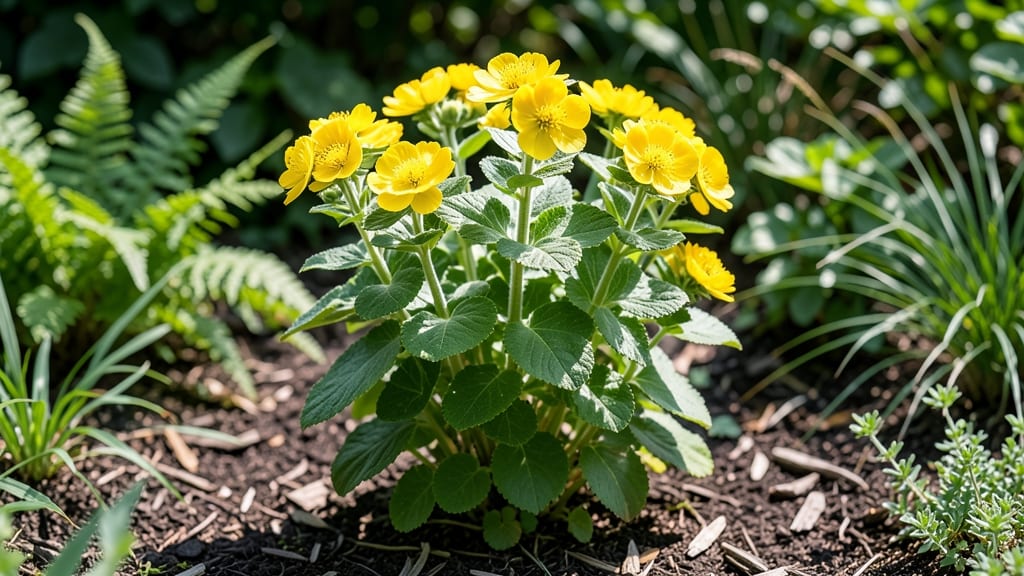
Growing Asian sour leaf means year-round greens that pests avoid—and I’ve perfected the method after years of trial and error. 🌿 This fast-growing, heat-tolerant plant thrives even when other crops struggle, giving you fresh leaves for salads or stir-fries within 6-8 weeks of planting.
The secret lies in its partial shade tolerance and moist but well-drained soil—not the heavy, rich mix that kills most greens. I start with cuttings from a trusted plant (faster than seeds) and keep them in 50-80°F temperatures, which mimics their native tropical climate.
Overwatering is the #1 killer, so I water only when the top inch of soil feels dry.
You’ll harvest bold, tangy leaves that stay crisp longer than store-bought greens, and the plants keep producing for months. The pests-defying reputation comes from their strong scent—aphids and cabbage worms avoid them like the plague. Plus, they’re drought-resistant once established, making them perfect for containers or garden edges.
Whether you’re growing for the kitchen or just love resilient plants, this method works in zones 8-11 (with winter protection in cooler areas). The first harvest is the sweetest—imagine fresh, homegrown greens whenever you want them.
📚 In This Guide
- What you need
- Instructions
- Tips and common mistakes
- Wrapping up and next steps
What you need
- ● Seeds or seedlings: 10–20 seeds (or 3–5 young plants) – Choose organic, non-GMO seeds for best results.
- ● Potting mix: 5–10 gallons – Use a well-draining, organic-rich soil blend (e.g., 60% garden soil, 30% compost, 10% perlite).
- ● Containers or garden bed: Containers: 5–10-gallon pots with drainage holes (for indoor/balcony growing).
- ● Garden bed: 3–4 ft wide, 6+ inches deep (for in-ground planting).
- ● Watering can or hose: With a gentle spray nozzle for even moisture.
- ○ Fertilizer (optional but recommended): Balanced organic fertilizer (e.g., 10-10-10) or compost tea for a nutrient boost.
- ● Fish emulsion (1 tbsp per gallon of water) for a quick foliar feed.
- ● Hand trowel or small shovel – For transplanting seedlings.
- ○ Gloves (optional) – To protect hands from soil and sap.
- ● Pruning shears – For harvesting leaves and shaping plants.
- ● Mulch (e.g., straw or wood chips) – To retain moisture and suppress weeds (2–3 inches thick).
- ● Pest control (preventative): Neem oil spray (1 tsp per quart of water) – For aphid or spider mite deterrence.
- ● Companion plants (e.g., marigolds or basil) – To naturally repel pests.
- ● Sunlight access: 4–6 hours of partial shade (ideal for hot climates) or morning sun.
- ○ pH test kit (optional) – Aim for a soil pH of 6.0–7.0 for optimal growth.
Step-by-step guide to growing Asian sour leaf for pest-resistant harvests
Here's the foolproof method I use to grow this hardy green—resilient against pests and ready for harvest in just 6 weeks.
🌱 Step 1: Prepare the Soil and Plant Seeds
Asian sour leaf thrives in loose, well-draining soil with a pH between 6.0 and 7.0. Mix 2 parts potting mix with 1 part compost to create a nutrient-rich foundation. Fill your containers or garden bed to within ½ inch of the rim, leaving space for watering.
Scatter seeds ¼ inch deep, spacing them 1 inch apart in rows 12 inches apart. I like to use a small rake to create shallow furrows—this ensures even depth and prevents overcrowding. Water gently with a spray bottle until the soil surface looks uniformly damp but not soggy. The seeds need consistent moisture to germinate, so I cover the tray with a clear plastic lid or plastic wrap to retain humidity.
☀️ Step 2: Provide Optimal Light and Temperature
Place your seedlings in a location with bright, indirect light for the first week. Once the first true leaves appear (about 7-10 days), move them to full sun for 6-8 hours daily. Asian sour leaf handles heat well but can bolt in temperatures above 85°F, so a partial shade cloth is helpful during peak summer afternoons.
Keep the soil temperature between 65-75°F for best germination and growth. If your garden runs cooler, a seedling heat mat set to 70°F can speed up the process. Watch for leggy growth—a sign of insufficient light—and adjust the position of your plants or supplement with a grow light if needed.
💧 Step 3: Water and Fertilize for Strong Growth
Water the plants when the top inch of soil feels dry to the touch. Overwatering is the biggest mistake—it leads to root rot and weak stems. I water at the base in the morning to allow foliage to dry quickly, reducing the risk of fungal diseases. Asian sour leaf is drought-tolerant once established, but consistent moisture during the first 4 weeks ensures robust growth.
After the first set of true leaves appears, feed the plants with a balanced liquid fertilizer (10-10-10) diluted to half strength. Apply every 2-3 weeks during the growing season. You’ll notice stronger, darker green leaves within a week of fertilizing—that’s your cue everything is on track.
✂️ Step 4: Thin and Harvest for Continuous Production
When seedlings reach 3-4 inches tall, thin them to 6 inches apart to improve airflow and reduce competition. Use clean scissors to snip excess plants at soil level—this prevents disturbing the roots of remaining seedlings. Thin seedlings make excellent microgreens and can be added to salads immediately.
Begin harvesting the outer leaves when the plants reach 6-8 inches tall. Use a sharp knife to cut just above a leaf node, encouraging new growth. Regular harvesting stimulates bushier plants and prevents bolting. In ideal conditions, you can harvest every 2-3 weeks for a steady supply of flavorful greens.
🪴 Step 5: Overwinter and Extend the Harvest Season
Asian sour leaf is cold-hardy down to 20°F, but it grows best in temperatures above 40°F. To extend the harvest, mulch the base of the plants with 2-3 inches of straw in late fall. This insulates the roots and protects against frost. In colder climates, grow the greens in containers and move them to a sheltered location or indoors near a sunny window.
With proper care, your plants will continue producing well into winter. Here’s the thing—Asian sour leaf is one of the most resilient greens I’ve grown. Even if you forget to water for a few days, it bounces back quickly. That resilience is why it’s a staple in my garden year-round.
Tips & tricks for growing resilient Asian sour leaf
These battle-tested strategies will help you cultivate hardy Asian sour leaf that thrives against pests and delivers year-round harvests.
Soil Preparation: Don't skip the compost! The 2:1 ratio of potting mix to compost creates the perfect balance of aeration and nutrients. I've found that adding a handful of perlite to the mix improves drainage even further, which is crucial for preventing root rot. The soil should crumble easily when squeezed—if it sticks together, add more potting mix.
Light Transition Strategy: That first week in bright indirect light is non-negotiable. I've seen seedlings bolt prematurely when rushed to full sun too soon. Look for the first true leaves (the second set after the initial seed leaves) before making the move to full sun. These leaves will be more robust and better equipped to handle direct sunlight.
Temperature Management: The 65-75°F soil temperature range is your sweet spot for germination. If your space runs cooler, consider using a seedling heat mat set to 70°F—it can cut your germination time by nearly half. For heatwaves above 85°F, I recommend providing afternoon shade with a lightweight shade cloth. This prevents bolting while still allowing plenty of light for photosynthesis.
Harvesting Technique: When harvesting, always cut just above a leaf node. This encourages new growth from that node while preserving the plant's structure. I've noticed that plants harvested this way continue producing for months longer than those cut randomly. For continuous harvests, focus on the outer leaves first—they're more mature and won't stunt the plant's growth.
Pro Tips for Asian Sour Leaf
- These battle-tested strategies will help you cultivate hardy Asian sour leaf that thrives against pests and delivers year-round harvests.
- Soil Preparation: Don't skip the compost!
- Light Transition Strategy: That first week in bright indirect light is non-negotiable.
Frequently asked questions
How do I tell if my Asian sour leaf is healthy?
Healthy Asian sour leaf has glossy, deep-green leaves with no yellowing, spots, or holes. The stems should be firm and upright, not mushy or wilted. If you spot chewed edges or sticky residue, pests like aphids or slugs may be the culprits—act fast with neem oil or diatomaceous earth!
When is the best time to harvest Asian sour leaf?
Harvest young leaves (6–12 inches tall) for the tenderest, most flavorful texture—ideal for stir-fries or soups. Mature leaves (18+ inches) are tougher but great for cooking. Never harvest more than 1/3 of the plant at once to avoid stressing it. Early morning is best for crispness!
Can I grow Asian sour leaf in containers? What size pot do I need?
Yes! Use a minimum 12-inch-wide pot with drainage holes to prevent root rot. The plant’s rhizomes (underground stems) need room to spread, so opt for 18+ inches deep if possible. Place in partial shade (especially in hot climates) and keep soil consistently moist but not soggy.
What pests commonly attack Asian sour leaf, and how do I stop them?
Watch for slugs, snails, aphids, and spider mites. For slugs/snails, set up beer traps or use iron phosphate bait. Aphids? Spray with soapy water or introduce ladybugs. Spider mites? Increase humidity and wipe leaves with neem oil. Prevention tip: Mulch with crushed eggshells to deter pests naturally!
Why are my Asian sour leaf’s leaves turning yellow?
Yellowing leaves usually signal overwatering, nutrient deficiency, or fungal issues. Check soil moisture—Asian sour leaf prefers well-draining soil. If the yellowing starts at the edges, it’s likely chlorosis (iron deficiency)—amend soil with compost or chelated iron. Brown spots? Fungal disease may be present; remove affected leaves and improve airflow.
Wrapping up and next steps
Growing Asian sour leaf isn’t just about adding a tangy, nutrient-packed green to your garden—it’s about outsmarting pests and enjoying a year-round harvest with minimal fuss. 🌱 With the right soil, spacing, and pest-prevention tricks (like neem oil or companion planting), you’ll have a thriving, resilient crop that keeps bugs at bay.
Whether you’re a beginner or a seasoned gardener, this recipe for success is simple, rewarding, and delicious!
Ready to level up your garden game? Start small—try a few plants in containers or a dedicated bed—and watch your pest-defying greens flourish. Then, share your harvest with friends or experiment with new recipes! 🍽️ Happy growing!