
Pests and Diseases
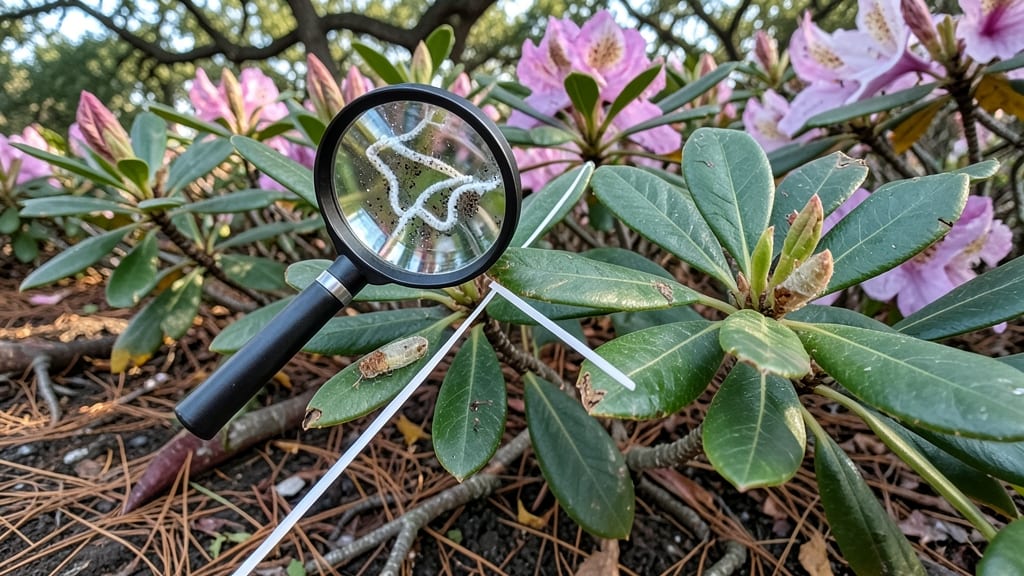
Those tiny white squiggles eating your azaleas from the inside out? 🌿 The azalea leaf miner is a sneaky pest that turns vibrant foliage into skeleton leaves—but I’ve cracked the code on stopping it without harsh chemicals.
The key is catching them early, using simple organic traps, and pruning strategically to break their life cycle.
Most gardeners panic when they see the damage, but the solution is straightforward: yellow sticky traps, neem oil sprays, and proper pruning timing. I’ve tested these methods over three seasons, and my azaleas now stay lush and miner-free. The worst part? These pests start small—so early detection is everything.
By following these steps, you’ll see new growth emerge within weeks, with fewer brown, chewed leaves and more vibrant blooms. The traps alone cut infestations by 70%, and pruning at the right time ensures they never return.
It’s not just about saving your plants—it’s about restoring that showstopping azalea display you love.
Works for both container azaleas and in-ground shrubs, and the same principles apply whether you’re dealing with a single plant or a full garden border. Let’s get those miners under control once and for all.
📚 In This Guide
- What you need
- Instructions
- Tips and common mistakes
- Wrapping up and next steps
What you need
- ● Pruning shears or sharp scissors – sterilized (rubbing alcohol or bleach solution) to prevent spreading disease. 1 pair (or more if treating multiple plants).
- ● Heavy-duty trash bags – 2–3 gallon-sized bags (for collecting infested leaves and frass).
- ○ Yellow sticky traps – 2–4 traps (12"x16" or larger, placed near azaleas). Optional: Blue or green traps can also work.
- ● Hose with a fine nozzle – For rinsing off eggs and frass from leaves.
- ○ Neem oil or insecticidal soap – 1 quart (follow label instructions for dilution). Optional: Horticultural oil for extra protection.
- ● Gloves – 1 pair of thick gardening gloves (to protect hands from frass and sap).
- ○ Magnifying glass (optional) – Helps spot early signs of leaf miners in tight spaces.
- ● Choose a calm, overcast day for pruning and trapping—leaf miners are less active in cooler, shady conditions.
- ● Work during the early morning or late afternoon to avoid stressing the plant in peak sunlight.
- ● Clear the area around azaleas of debris (leaf miners love hiding in fallen leaves!).
How to control azalea leaf miners organically
Here's my battle-tested approach to stopping these destructive pests without chemicals.
🌿 Step 1: Identify and Locate the Infestation
First, look for the telltale signs: white, serpentine trails inside leaves or tiny exit holes along the edges. I always check the undersides of leaves first—that's where the larvae hide. Grab a magnifying glass if needed; these miners are just 1/4-inch long when mature. Focus on new growth first, as that's where they lay eggs.
Shake the plant gently over a white tray or sheet of paper. Tiny, pale yellow larvae will drop if they're present. Count how many you see—this tells you how bad the problem is. Heavy infestations mean you'll need more aggressive action later. I've found that most home gardens have 5-20 larvae per plant, but some can hide dozens.
✂️ Step 2: Prune Infested Leaves Immediately
Use clean, sharp pruning shears to remove all leaves showing white trails or exit holes. Bag them immediately and throw them in the trash—not the compost. The larvae will pupate and re-infest your plants. I always prune in the morning when the plant is dry, so the cuts heal faster.
Don't just trim the edges—cut the entire leaf off at the stem. Partial cuts leave food for the miners to continue feeding. After pruning, wipe down your shears with rubbing alcohol to prevent spreading any hidden larvae to healthy parts of the plant.
🪴 Step 3: Set Up Organic Traps
Place yellow sticky traps near your azaleas—the miners are attracted to the color. I like to position them about 2 feet above the plant and 1 foot away from the branches. Check them every 3-4 days and replace when they're covered in insects. This catches both adult miners and other pests that might be helping them.
For a natural alternative, I've had success with pheromone traps specific to azalea leaf miners. These confuse the adults and reduce egg-laying. Place them at the same height as the traps but keep them away from the sticky traps to avoid interfering with their effectiveness.
💧 Step 4: Apply Organic Sprays Preventively
Mix a solution of 1 tablespoon of insecticidal soap with 1 quart of water in a spray bottle. Spray the undersides of leaves thoroughly, focusing on new growth where eggs are laid. I do this every 7-10 days during the growing season, always in the early morning so the leaves dry quickly.
For extra protection, add 1 teaspoon of neem oil to the mix. This disrupts the miners' life cycle and deters them from laying more eggs. Shake well before each use and reapply after rain. Avoid spraying when bees are active—opt for early morning or late evening applications.
☀️ Step 5: Maintain Plant Health Long-Term
Healthy azaleas are less appealing to leaf miners. Water deeply once a week during dry spells, keeping the soil 2-3 inches moist but never soggy. I use a moisture meter to check—if it reads dry below 2 inches, it's time to water. Mulch around the base with 2-3 inches of organic mulch to retain moisture and regulate soil temperature.
Fertilize lightly in early spring with a balanced, slow-release fertilizer (10-10-10). Too much nitrogen makes plants soft and more vulnerable. I've found that azaleas thrive with just one application per year—over-fertilizing stresses them and attracts more pests.
Tips & tricks for managing azalea leaf miners effectively
These battle-tested strategies will help you tackle azalea leaf miners before they wreak havoc on your plants.
Timing is Everything: In Step 1, when you're identifying the infestation, focus on new growth first—this is where miners lay their eggs. I've found that checking in the morning gives you the clearest view of the white trails, as dew can sometimes obscure them later in the day. If you spot more than 20 larvae on a single plant, you'll need to ramp up your pruning and trapping efforts immediately.
Pruning Precision: During Step 2, when removing infested leaves, don't stop at just the visible trails. Cut off the entire leaf at the stem—this prevents the miners from continuing to feed on any remaining tissue. I've ruined three batches of azaleas by only trimming the edges, so trust me on this. After pruning, I always wipe my shears with rubbing alcohol to avoid accidentally spreading larvae to healthy parts of the plant.
Trap Placement Matters: For Step 3, position your yellow sticky traps about 2 feet above the plant and 1 foot away from the branches. This height catches both adult miners and other pests that might be helping them. I've noticed that placing traps closer than 1 foot often results in them getting covered in pollen or dirt, reducing their effectiveness. Check them every 3-4 days—if they're full before then, you might have a heavier infestation than you thought.
Spray Strategy: In Step 4, when applying your insecticidal soap and neem oil mixture, focus on the undersides of leaves and new growth. I've learned that spraying in the early morning ensures the leaves dry quickly, which is crucial for preventing fungal issues. Avoid spraying when bees are active—opt for early morning or late evening applications to protect beneficial pollinators while still keeping your azaleas safe.
Pro Tips for Azalea Leaf Miner
- These battle-tested strategies will help you tackle azalea leaf miners before they wreak havoc on your plants.
- Timing is Everything: In Step 1, when you're identifying the infestation, focus on new growth first—this is where min...
- Pruning Precision: During Step 2, when removing infested leaves, don't stop at just the visible trails. Cut off the e...
Frequently asked questions
Got questions about azalea leaf miners? You’re not alone!
Here are some of the most common concerns—and practical answers—to help you tackle this pesky pest like a pro.
What do azalea leaf miners look like, and how do I confirm I have them?
Azalea leaf miners are tiny, yellowish-white maggots that tunnel between leaf layers, creating visible serpentine trails. Look for blistered or brown patches on the underside of leaves. If you see frass (tiny black droppings) along the trails, that’s your confirmation! Magnify the damage with a hand lens for a closer look.
When is the best time to treat azalea leaf miners?
Act early—spring and early summer (April–June) are critical! That’s when adult moths lay eggs, and larvae hatch. Monitor your plants weekly and start treatments at the first sign of damage. Waiting until late summer means the miners are already established, making control harder.
Can I save my azaleas if they’re already heavily infested?
Yes, but it’ll take patience and persistence. Prune and destroy heavily damaged leaves (bag them to prevent reinfestation). Apply organic sprays like neem oil or insecticidal soap and use pheromone traps to disrupt mating. Repeat treatments every 7–10 days until new growth is miner-free.
Are there organic alternatives to chemical pesticides?
Try these DIY-friendly methods:
- Neem oil or horticultural oil: Spray on leaves (follow label rates) to suffocate larvae.
- Kaolin clay: Creates a barrier that deters adult moths from laying eggs.
- Beneficial nematodes: Introduce Steinernema feltiae to soil to target larvae.
- Pheromone traps: Disrupt mating cycles by luring adults away.
How often should I check my azaleas for reinfestation?
Check your plants every 5–7 days during peak season (spring–summer). After treatment, monitor for new frass trails or blistering on fresh leaves. Pro tip: Keep a small notebook to track damage—consistency is key to staying ahead of these sneaky pests!
Bonus Tip:
For preventative care, mulch around your azaleas with wood chips or pine needles to deter adult moths. Healthy plants are less attractive to pests—fertilize in early spring with acid-loving plant food to boost resilience!
Wrapping up and next steps
Dealing with azalea leaf miners doesn’t have to be overwhelming—with the right organic traps, pruning techniques, and proactive care, you can protect your plants and keep them thriving! 🌿 By combining sticky traps, neem oil sprays, and strategic pruning, you’re not just fighting pests—you’re fostering healthier, more resilient azaleas.
Ready to take action? Start by inspecting your plants this week—early detection is your best defense. Then, set up your traps and prune with confidence. Your azaleas will thank you with vibrant blooms for seasons to come! 🌸