
Shrubs
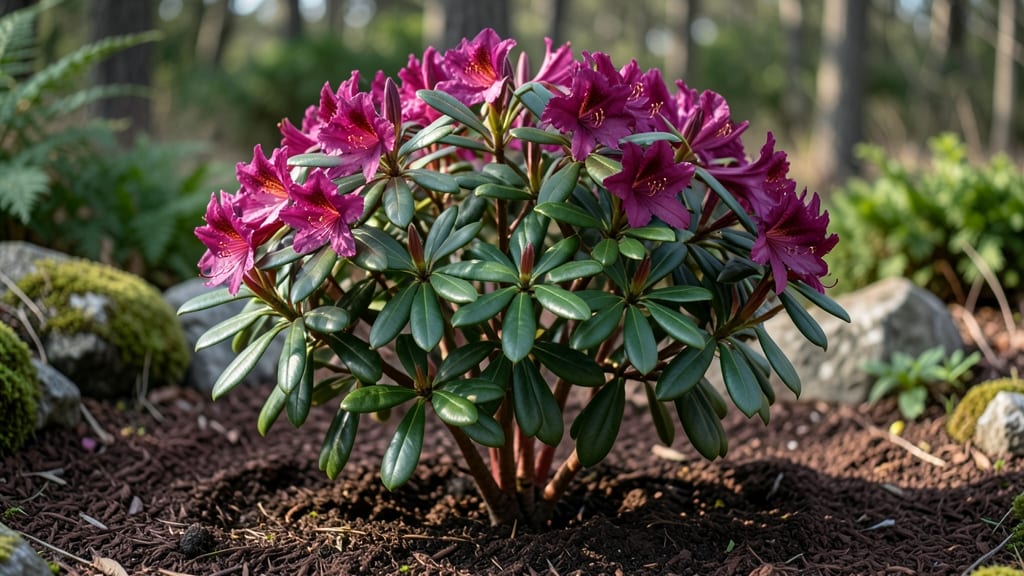
Broadleaf evergreen shrubs are the unsung heroes of garden design—year-round structure that never fades or goes dormant. 🌿 I remember my first winter garden tour: while everything else slept, these shrubs stood tall, their deep greens providing a stunning backdrop for snow-dusted branches and holiday lights.
They’re the foundation of a garden that looks intentional in every season, from spring blooms to autumn’s fiery foliage. They work as privacy screens, focal points, or layered backdrops—boxwoods for crisp edges, rhododendrons for bold foliage, or inkberry hollies for dense, low-maintenance coverage.
Size matters: a 6-foot leucothoe behind a patio creates instant drama, while a 2-foot dwarf gardenia adds delicate texture near entryways. Pair them with spring bulbs or fall asters for layered color that keeps the show going all year.
What you’ll end up with is a garden that feels alive in every season—no barren winter months, no boring summer backdrops. The key is matching shrubs to your space: sun-loving camellias near south-facing walls, shade-tolerant pieris under trees, and moisture-lovers like rhododendrons near rain gardens.
Their evergreen foliage also softens hard lines, making pathways and driveways feel more inviting. Works for any yard style—formal, cottage, or modern—because these shrubs adapt to your vision. Let’s pick the perfect ones for your space!
📚 In This Guide
- What you need
- Instructions
- Tips and common mistakes
- Wrapping up and next steps
What you need
- ● Broadleaf evergreen shrubs: Choose 2–5 healthy nursery-grown plants (e.g., Ilex, Rhododendron, or Camellia), depending on your space.
- ● High-quality potting soil or native soil mix: 5–10 gallons (adjust based on hole size). Opt for well-draining, acidic soil (pH 4.5–6.0) for most evergreens.
- ● Organic mulch (pine bark or wood chips): 2–3 bags (2–3 cubic feet each) to retain moisture and regulate soil temperature.
- ● Slow-release fertilizer: 1–2 bags (e.g., 10-10-10 or acid-loving plant fertilizer) for initial feeding.
- ● Garden gloves: 1 pair (to protect hands from thorns or rough bark).
- ● Shovel or spade: 1 medium-sized (for digging planting holes).
- ● Garden trowel: 1 small (for adjusting roots and backfilling soil).
- ● Watering can or hose with adjustable nozzle: 1 (for gentle watering post-planting).
- ● Measuring tape or ruler: 1 (to ensure proper spacing—typically 3–6 feet apart, depending on shrub maturity).
- ● Soil pH test kit: To verify acidity levels before planting.
- ● Epsom salt (magnesium sulfate): 1–2 pounds (for nutrient-deficient soils).
- ● Pruning shears: 1 pair (for shaping or removing dead branches post-planting).
- ● Plant stakes or labels: 5–10 (to mark varieties and support young shrubs).
- ● Drip irrigation system: (For large plantings to ensure consistent moisture.)
How to select, plant, and maintain broad leaf evergreen shrubs
Here's the straightforward approach I use to establish evergreens that deliver year-round structure and vibrant seasonal color.
🌱 Step 1: Choose the Right Species for Your Climate
Broad leaf evergreens thrive best when matched to your USDA hardiness zone. For example, Camellia or Rhododendron excel in zones 7-9, while Holly handles zones 5-11. I always check the mature height and spread—6-12 feet is ideal for most landscapes, but dwarf varieties like Dwarf Gardenia stay under 3 feet.
Look for plants with dense foliage and a natural, balanced shape. Avoid leggy specimens or those with brown edges, which signal stress. The best time to buy is in early spring when new growth begins, ensuring you select healthy stock with vibrant green leaves and no signs of pests.
🪴 Step 2: Prepare the Planting Site for Optimal Growth
Most broad leaf evergreens prefer partial shade to full sun, depending on the species. For example, Rhododendrons need morning sun and afternoon shade, while Boxwoods tolerate full sun in cooler climates. Test your site’s moisture—evergreens hate soggy roots, so amend heavy clay soil with 2-3 inches of compost or peat moss to improve drainage.
Dig a hole twice as wide and just as deep as the root ball. Loosen the edges of the root ball gently with your hands before placing the shrub in the hole. This encourages roots to spread outward rather than circling, which restricts growth. Fill the hole halfway with soil, then water deeply to settle it before adding the rest.
☀️ Step 3: Plant and Mulch for Long-Term Health
Position the shrub so the top of the root ball sits 1 inch above ground level. This prevents water from pooling around the stem, which can cause rot. Backfill the hole with soil, pressing lightly to remove air pockets but avoiding compaction. Water again until the soil is evenly moist to 6 inches deep.
Spread 2-3 inches of organic mulch (like pine bark or shredded leaves) around the base, keeping it 3 inches away from the trunk. Mulch retains moisture, regulates soil temperature, and suppresses weeds. Replenish mulch annually—it breaks down faster than you’d expect, especially in hot climates.
💧 Step 4: Water and Fertilize for Seasonal Color Drama
Water newly planted shrubs deeply 2-3 times per week for the first 6-8 weeks, then taper to once weekly once established. Evergreens signal thirst when leaves curl or turn dull gray-green. In containers, check soil moisture daily—potted shrubs dry out faster and need more frequent watering.
Fertilize in early spring with an acid-loving plant fertilizer (like a 10-10-10 or rhododendron blend) to support vibrant foliage and seasonal blooms. Avoid high-nitrogen fertilizers—they promote leafy growth at the expense of flowers. I also top-dress with compost annually in late fall to improve soil structure over time.
✂️ Step 5: Prune for Shape and Seasonal Renewal
Prune broad leaf evergreens in late winter or early spring before new growth begins. Remove dead, diseased, or crossing branches first, then shape the shrub by cutting back to just above a leaf bud. Avoid heavy pruning—evergreens respond poorly to drastic cuts, which can expose bare stems and reduce winter hardiness.
For flowering varieties like Camellia, prune immediately after blooming to encourage next year’s flowers. Use sharp, clean pruners to make cuts at a 45-degree angle, about ¼ inch above the bud. Disinfect pruners with rubbing alcohol between cuts to prevent spreading disease.
Tips & tricks for perfect broad leaf evergreen shrubs
These insider tricks will help you transform your landscape into a lush, evergreen oasis that thrives year after year.
Selection Intelligence: When choosing your broad leaf evergreen, pay close attention to the underside of leaves. Healthy evergreens should have a silvery or light green underside—this indicates good moisture retention. I’ve learned the hard way that glossy, dark green undersides often signal stress or poor health, which can lead to transplant shock. Also, check the bark: smooth, tight bark is a sign of youthful vigor, while cracked or peeling bark suggests an older plant that may struggle to establish.
Root Ball Liberation: In Step 2, when loosening the root ball, don’t just poke at the edges—gently work your fingers all the way around the perimeter to break up any circling roots. I use a small garden fork to carefully tease apart compacted roots if they’re particularly tight. This step is crucial because circling roots can strangle your shrub’s growth potential, leaving you with stunted plants that never reach their full mature size.
Mulch Mastery: That 2-3 inches of mulch in Step 3 isn’t just decorative—it’s a moisture and temperature regulator. I’ve found that pine bark mulch works best because it breaks down slowly while improving soil acidity, which many broad leaf evergreens prefer. The key is to keep it 3 inches away from the trunk to prevent rot. Pro tip: Refresh your mulch every spring before new growth begins—don’t wait until you notice it’s thinning out, as this can lead to weed competition and moisture loss.
Pruning Precision: When pruning in Step 5, always cut at a 45-degree angle just above a leaf bud. This angle helps water run off the cut, preventing rot. I use a small marker to identify buds before making cuts—this ensures you’re always cutting in the right direction. For flowering varieties, resist the urge to prune too aggressively after blooming. Remember, you’re shaping next year’s flowers, not just today’s shape.
Pro Tips for Broad Leaf Evergreen Shrub
- These insider tricks will help you transform your landscape into a lush, evergreen oasis that thrives year after year.
- Selection Intelligence: When choosing your broad leaf evergreen, pay close attention to the underside of leaves. Heal...
- Root Ball Liberation: In Step 2, when loosening the root ball, don’t just poke at the edges—gently work your fingers ...
Frequently asked questions
Got questions about broadleaf evergreen shrubs? You’re not alone! These plants are stunning but can be tricky to care for. Here are some of the most common questions—and answers—to help you succeed.
What’s the best time to plant a broadleaf evergreen shrub?
Plant in early spring or fall for best results. Avoid extreme heat or frost, which can stress young roots. If planting in summer, choose a cloudy day and water deeply afterward to reduce transplant shock. Pro tip: Amend the soil with compost to give your shrub a nutrient boost!
How much sunlight do broadleaf evergreens need?
Most thrive in partial shade to full sun, but needs vary by species. Check your plant’s tag—some like holly or boxwood prefer dappled light, while camellias or pieris tolerate morning sun. Overly harsh afternoon sun can scorch leaves, so monitor for browning edges.
Why are my broadleaf evergreen shrub’s leaves turning brown or yellow?
Brown/yellow leaves often signal overwatering, underwatering, or nutrient deficiencies. Check soil moisture (it should be damp but not soggy) and adjust watering. Yellowing can also mean iron deficiency—try a chelated iron supplement. Troubleshoot: Inspect for pests (like spider mites) or fungal spots too!
Can I prune broadleaf evergreens year-round?
Nope! Prune in late winter or early spring (before new growth starts) to avoid damaging tender stems. Avoid heavy pruning in fall—it can stress the plant before winter. For shaping, use clean, sharp shears and remove no more than 1/3 of the foliage at once. Pro tip: Deadhead spent flowers in spring to encourage bushier growth!
What are some low-maintenance broadleaf evergreen shrub alternatives?
If you want easy-care options, try:
- Dwarf boxwood – Tolerates pruning and thrives in shade.
- Inkberry holly – Drought-tolerant and pest-resistant.
- Leucothoe (fetterbush) – Handles wet soil and adds winter interest.
- Abelia – Blooms spring to fall with minimal fuss.
Wrapping up and next steps
Broadleaf evergreen shrubs are the unsung heroes of your landscape—offering year-round structure, vibrant color, and low-maintenance beauty that keeps your garden thriving in every season. Whether you’re drawn to their glossy foliage, seasonal blooms, or wildlife-friendly traits, these shrubs deliver effortless elegance with minimal fuss. 🌿
Ready to transform your outdoor space? Start by choosing the perfect variety for your climate and design goals, then explore planting tips or browse expert-recommended species to get growing! Your garden’s next star is just a few clicks (or shovel taps) away.