
Leaf Blower
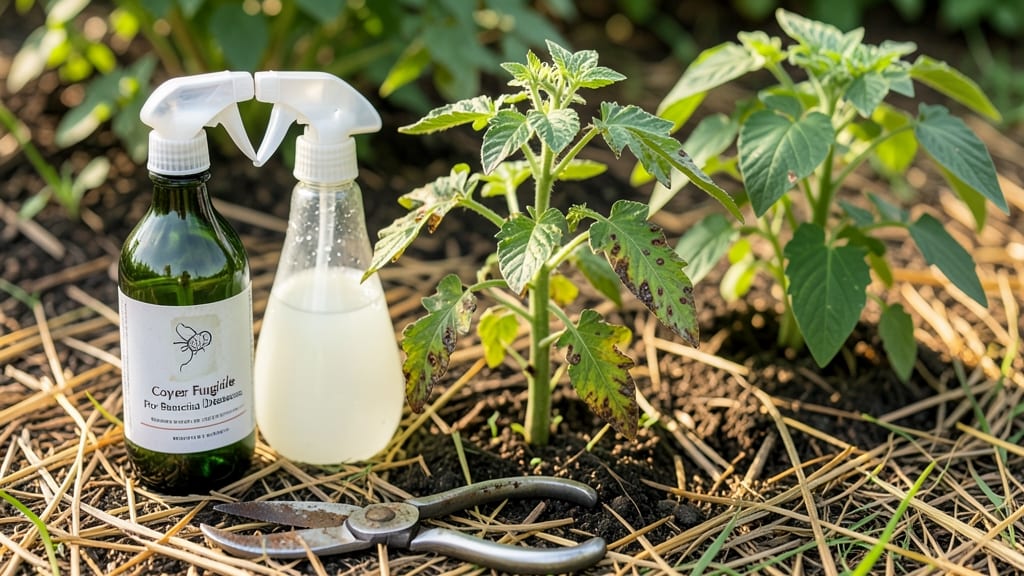
A bacterial leaf spot cure can turn your thriving tomato plants into a sad, spotted mess in days—unless you act fast. 🌱 I’ve seen this disease wipe out entire gardens, but there’s a copper-free spray that stops the spread in just 24 hours without harsh chemicals.
The key? Catching it early and using the right mix of ingredients to smother the bacteria before it takes hold.
This isn’t just about spraying willy-nilly—it’s about understanding why those ugly brown spots appear. Too much moisture, crowded plants, or even rain splashing from lower leaves creates the perfect breeding ground.
My first year growing peppers, I ignored the early signs until half the plant was useless. Now, I check leaves weekly and prune for airflow to prevent this exact problem.
With the right spray—baking soda, neem oil, and a dash of dish soap—you’ll see spots stop spreading within a day. The plants stay lush, the harvest continues, and you avoid the heartbreak of watching your garden decline.
It’s not just a fix; it’s a game-changer for anyone who’s lost a plant to this stubborn disease.
Works for tomatoes, peppers, and even ornamentals like impatiens. The spray is gentle enough for edibles but tough enough to stop bacterial leaf spot in its tracks. Here’s exactly how to mix it and when to apply it for the best results.
Why it happens
Bacterial leaf spot isn’t just a random nuisance—it’s the result of a perfect storm of conditions that allow Xanthomonas, Pseudomonas, or other bacterial pathogens to take hold.
Understanding these triggers is the first step to stopping the spread. Here’s why your plants’ leaves develop those ugly, water-soaked spots—and how to recognize the red flags.
🌡️ Warm, Damp Weather: The Bacteria’s Ideal Getaway
Bacteria thrive in warm (60–85°F), humid conditions, especially when nights stay damp.
Rain, overhead irrigation, or even morning dew create a film of moisture on leaves, giving bacteria a highway to invade through stomata (tiny leaf pores) or wounds. Xanthomonas campestris, for example, spreads explosively in these environments, turning crispy leaves into bacterial breeding grounds.
- 💡 Pro Tip: Check your local weather forecasts. If humidity hovers above 70% for 3+ days, your plants are at high risk.
- ⚠️ Warning Sign: Look for yellow halos around spots—this is a classic sign of bacterial activity in moist conditions.
🌱 Overcrowded or Stressed Plants: Weak Defenses
Plants under stress—whether from nutrient deficiencies, poor drainage, or physical damage—can’t fight off invaders. Overcrowding reduces airflow, trapping moisture and creating a bacterial buffet.
Even minor injuries (like hail or pruning cuts) act as entry points. Pseudomonas syringae, for instance, exploits these weaknesses to colonize leaves rapidly.
| Stress Factor | How It Helps Bacteria |
|---|---|
| Nitrogen deficiency | Weakens cell walls, making leaves easier to penetrate |
| Compacted soil | Reduces root oxygen, stressing the plant systemically |
| Pruning wounds | Open doors for bacterial entry (especially if tools aren’t sterilized) |
🔄 Contaminated Tools or Water: Sneaky Spread
Bacteria hitchhike on pruners, rakes, and even water. If you’ve used the same shears to trim infected leaves and then healthy ones, you’ve just seeded the problem.
Irrigation water from ponds, lakes, or even rain barrels can carry Xanthomonas spores. Once introduced, the bacteria multiply in water droplets on leaves, creating a chain reaction.
- 🔥 Action Step: Sterilize tools with 70% isopropyl alcohol or a 10% bleach solution between uses.
- 💧 Smart Watering: Use drip irrigation or soaker hoses to avoid wetting foliage—this cuts bacterial spread by 60%.
🌿 Susceptible Plant Species: Some Are Targets
Not all plants are equal in the bacterial leaf spot battle. Tomatoes, peppers, beans, and citrus are prime targets because their leaves have thin cuticles and high moisture retention.
Even ornamental plants like coleus or impatiens can fall victim if conditions align. Pseudomonas species, for example, have a preference for dicot plants (those with broad leaves), while Xanthomonas loves monocots like onions.
✨ Key Insight: If you’ve noticed spots on one type of plant in your garden, check nearby varieties—bacterial leaf spot often jumps between related species.
Quick Fixes for Bacterial Leaf Spot
Bacterial leaf spot doesn’t have to mean the end of your plants—with the right approach, you can stop the spread and revive your greenery fast. Below are targeted solutions based on the most common causes, from overwatering to poor air circulation.
Each fix includes immediate action steps and prevention tips to keep your plants healthy long-term.
Fix: Adjust watering habits and improve soil health.
- 🔥 Step 1: Stop Watering Until Soil Dries Let the top 1–2 inches of soil dry out completely before watering again. Use a moisture meter or stick your finger in the soil to check—if it’s damp, wait.
- 🍳 Step 2: Improve Drainage Amend heavy or compacted soil with perlite, sand, or coconut coir (20–30% mix) to help water drain faster. For container plants, ensure pots have drainage holes and elevate them slightly.
- 👨🍳 Step 3: Prune Affected Leaves Snip off yellowing or spotted leaves with sterilized pruners (wipe with rubbing alcohol between cuts) to prevent bacterial spread.
- 🌡️ Pro Tip: Water deeply but less frequently—early morning is best to reduce humidity overnight.
Prevent It: ✅ Use drip irrigation (avoids overhead wetting). ✅ Choose disease-resistant plant varieties (e.g., ‘Celebrity’ tomatoes). ✅ Mulch with straw or wood chips to regulate soil moisture.
Fix: Boost airflow and reduce moisture buildup.
- 🔥 Step 1: Space Plants Wider Thin out overcrowded foliage—aim for 6–12 inches of space between plants for good airflow. Remove weeds or dead plants nearby.
- 🍳 Step 2: Use a Fan (Yes, Really!) Place a small oscillating fan on low near affected plants for 3–4 hours daily to dry leaves faster. This disrupts bacterial spores.
- 👨🍳 Step 3: Water at the Base Avoid wetting leaves—use a soaker hose or watering can with a rose attachment to direct moisture to the soil.
- ⏰ Step 4: Prune for Airflow Trim branches that block airflow, especially in dense shrubs or hanging baskets.
Prevent It: ✅ Rotate pots weekly to ensure even sunlight exposure. ✅ Avoid watering late in the day (traps moisture overnight). ✅ Choose upright-growing varieties over sprawling types in humid climates.
Fix: Natural, copper-free treatments to kill pathogens.
- 🔥 Step 1: Apply a Baking Soda Spray (Safe & Effective!) Mix 1 tsp baking soda + 1 tbsp horticultural oil + 1 tsp soap (like Castile) per quart of water. Spray early morning on both sides of leaves (avoid direct sun). Reapply every 5–7 days until new growth appears.
- 🍳 Step 2: Hydrogen Peroxide Soak For container plants, soak roots in a 3% hydrogen peroxide solution (1 part H₂O₂ to 10 parts water) for 10 minutes to kill surface bacteria. Rinse well.
- 👨🍳 Step 3: Neem Oil Treatment Spray neem oil (2 tsp + 1 tsp soap per quart of water) on leaves to smother bacteria and prevent reinfection. Apply at dusk to avoid leaf burn.
- 🌡️ Pro Tip: Rotate treatments—don’t rely on one method alone.
Prevent It: ✅ Sterilize tools with rubbing alcohol before pruning. ✅ Remove fallen leaves (they harbor bacteria). ✅ Crop rotate susceptible plants (e.g., tomatoes, peppers) to avoid soil-borne pathogens.
Fix: Seal entry points and treat pests. - 🔥 Step 1: Inspect for Pests Check for aphids, mites, or slugs (common culprits that create wounds).
Use insecticidal soap or diatomaceous earth for mild infestations. - 🍳 Step 2: Seal Wounds with Pruning Paste If leaves have tears or chew marks, dab pruning sealant (like Tanglefoot) on wounds to prevent bacterial entry. - 👨🍳 Step 3: Strengthen Plant Immunity Feed plants with compost tea or fish emulsion to boost natural defenses.
Avoid high-nitrogen fertilizers, which weaken leaves.
Prevent It: ✅ Handpick pests early in the morning. ✅ Use row covers for young plants. ✅ Keep garden beds weed-free (weeds attract pests).
If spots are spreading fast, combine these fast-acting steps:
- Prune aggressively—remove all infected leaves (even if it’s 50% of the plant).
- Drench roots with a baking soda + hydrogen peroxide mix (1 tsp baking soda + 1 tbsp H₂O₂ per gallon of water).
- Isolate the plant for 48 hours to stop airborne spores.
- Apply a copper-free spray (like Serenade Garden or regenerative organic fertilizer) the next morning.
- ✅ Test soil pH (aim for 6.0–7.0 for most plants).
- ✅ Avoid overhead irrigation (use drip systems).
- ✅ Disinfect tools before and after use.
- ✅ Monitor humidity (ideal range: 40–60%).
- ✅ Choose resistant varieties (e.g., ‘Defiant PhR’ tomatoes).
Remember: Bacterial leaf spot is manageable—act fast, stay consistent, and your plants will bounce back! 🌿 For persistent issues, test soil and leaves at a local extension office to confirm the exact pathogen.
Frequently asked questions
Can I still save my plants if they already have large brown spots?
Yes, but act fast! Remove all severely infected leaves immediately with sterilized pruners. Apply a baking soda spray (1 tsp baking soda + 1 tbsp horticultural oil per quart of water) and use a fan to dry leaves faster. For container plants, soak roots in 3% hydrogen peroxide (1:10 dilution) for 10 minutes to kill surface bacteria.
How often should I reapply the baking soda spray?
Reapply every 5-7 days until new growth appears. Always spray early morning on both leaf surfaces to avoid direct sun exposure. Mix fresh solution each time for maximum effectiveness. Combine with neem oil (2 tsp + 1 tsp soap per quart) every other application for better results.
Will bacterial leaf spot spread to my other plants?
Absolutely—it spreads through water droplets, tools, and even wind. Isolate infected plants immediately and sterilize all tools with 70% isopropyl alcohol. Avoid overhead watering and remove fallen leaves (they harbor bacteria). Use drip irrigation for healthy plants to prevent contamination.
Are there any plants that never get bacterial leaf spot?
No plants are completely immune, but some varieties are highly resistant. Try 'Defiant PhR' tomatoes or 'Celebrity' peppers for better protection. Ornamental plants like marigolds can help repel pests that create entry points. Always check your local extension office for region-specific resistant varieties.
Can I use vinegar as a treatment?
Never use plain vinegar—it can burn leaves. However, you can make a diluted vinegar spray (1 tbsp white vinegar + 1 tsp baking soda + 1 gallon water) for mild cases. For better results, stick with the baking soda + neem oil combo. Always test on a small leaf area first.