
Leaf Blower
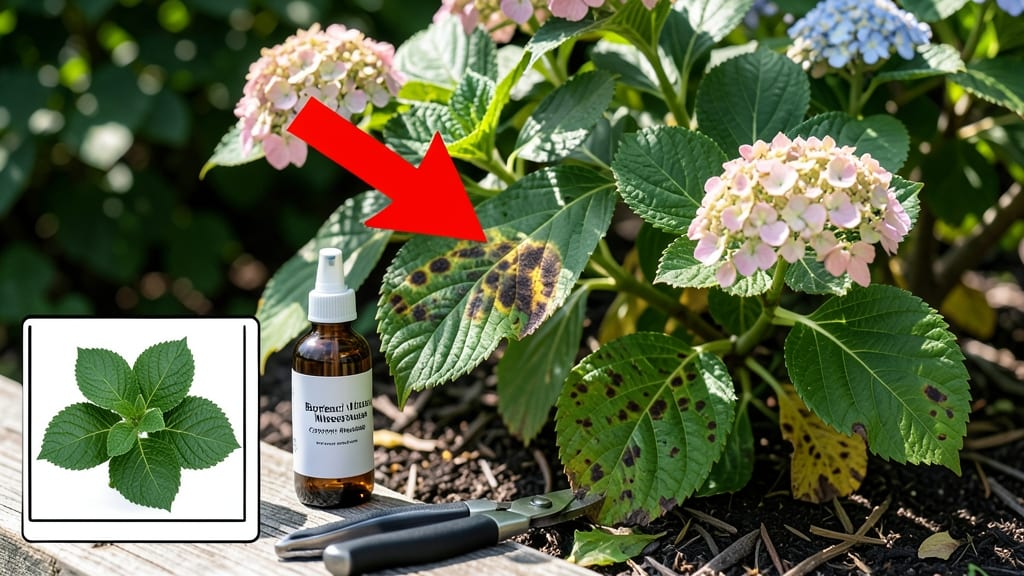
Your hydrangeas might be hiding a silent killer—bacterial leaf spot. 🌿 I’ve seen this disease turn lush, vibrant blooms into sad, spotted skeletons, but there’s hope. The key is acting fast with the right steps before the bacteria spreads.
This problem thrives in warm, wet conditions, so proper spacing and airflow are your first line of defense. I learned the hard way that crowded plants stay sick longer. Once you spot those telltale brown spots with yellow halos, prune infected leaves immediately—don’t let them fall onto the soil.
With copper-based sprays and a strict sanitation routine, you can revive your hydrangeas in just a few weeks. The secret? Consistency. I’ve nursed back plants that looked hopeless by sticking to this three-step plan every morning and evening.
Works for both in-ground and container hydrangeas, and the same principles apply to other shrubs too. Let’s get those blooms back to their stunning best before summer’s over.
Root Causes Of Leaf Spots
Bacterial leaf spot on hydrangeas isn’t just a random bad luck scenario—it’s the result of specific conditions that create the perfect storm for Xanthomonas campestris pv. hydrangeae (the bacteria behind this disease).
Understanding these triggers is the first step to stopping the spread and saving your plants. Let’s break down the science behind why your hydrangeas are getting these unsightly spots.
The bacteria thrives in wet conditions, and overhead irrigation or splashing water from rain are its favorite delivery methods. Here’s how it works:
- Water droplets act like tiny syringes, carrying bacteria from infected leaves to healthy ones. Even a light mist can spread the disease across your garden.
- Humidity above 70% (common in summer or shaded areas) creates a damp environment where bacteria multiply rapidly on leaf surfaces.
- Poor air circulation (like dense plantings or thick foliage) traps moisture, giving the bacteria a cozy home to colonize.
Actionable insight: If your hydrangeas are in a low-lying area or under trees, they’re at higher risk. Check your watering habits—drip irrigation or soaker hoses keep leaves dry.
Hydrangeas under stress are like open doors for bacteria. Common stressors include:
- Nutrient deficiencies, especially nitrogen or potassium, weaken cell walls, making them easier targets.
- Physical damage from hail, pests (like slugs or Japanese beetles), or rough pruning creates entry points for bacteria.
- Environmental shocks, such as sudden temperature swings or drought followed by heavy watering, disrupt the plant’s natural defenses.
Pro tip: Healthy hydrangeas fight off infections better. Test your soil and fertilize with a balanced formula (like 10-10-10) in early spring to boost resilience. Learn how to prune correctly to avoid unnecessary wounds.
Bacterial leaf spot loves warmth (70–85°F) combined with high humidity. Here’s why:
| Temperature Range | Bacterial Activity | Risk Level |
|---|---|---|
| Below 60°F | Slow growth, minimal spread | Low |
| 60–70°F | Moderate multiplication; spores germinate | Medium |
| 70–85°F | Optimal conditions: Bacteria doubles in hours; lesions expand rapidly | High |
| Above 85°F | Bacteria may slow due to heat stress, but humidity keeps risk elevated | Medium-High (if humid) |
Key takeaway: If your region has hot, humid summers, bacterial leaf spot is likely a recurring threat. Watch for symptoms early—spots can appear within 3–5 days of infection in these conditions.
Bacteria are highly contagious and can hitchhike on:
- Pruners or shears used on infected plants, then moved to healthy ones.
- Garden gloves or hands that touch diseased leaves and later handle other plants.
- Wind or rain carrying bacterial cells from nearby infected hydrangeas (or even other plants like begonias or impatiens, which can host the same bacteria).
- Compost or mulch made from diseased plant debris.
💡 Prevention hack: Disinfect tools between uses with a 10% bleach solution (1 part bleach to 9 parts water) or 70% rubbing alcohol. Remove infected leaves immediately—don’t compost them!
Now that you know why bacterial leaf spot strikes, the next step is how to stop it in its tracks. The good news? With the right approach, you can revive your hydrangeas and keep them spot-free for years.
How to Fix It Fast
If your hydrangeas are battling bacterial leaf spot, don’t panic—this disease is treatable, and with the right steps, your plants can bounce back stronger than ever. The key is acting quickly and targeting the root causes: fungal spores, poor air circulation, and wet foliage.
Below, we break down the fixes by cause, so you can tackle the problem head-on with confidence.
Bacterial leaf spots spread like wildfire when left unchecked. Start by pruning infected leaves immediately—don’t wait! Use clean, sharp pruners (disinfect them with rubbing alcohol between cuts) to avoid spreading bacteria further.
- 🍳 How to do it: Snip off leaves with dark, water-soaked spots or holes. Dispose of them in the trash (not your compost bin—this disease thrives there!).
- 👨🍳 Pro tip: Remove all lower leaves near the soil, as they’re the most vulnerable to splashing water.
- ⏰ Timing: Do this in the morning so the plant has time to dry out during the day.
Bacterial leaf spot loves humidity and stagnant air. Boost your hydrangeas’ defenses by giving them room to breathe.
- 🔪 Thin out crowded plants: Space hydrangeas at least 3–4 feet apart to allow airflow. If they’re in pots, consider upgrading to larger containers.
- 🌡️ Water wisely: Water at the base of the plant (not overhead) in the early morning so leaves dry by evening. Avoid late-day watering—this keeps foliage damp overnight, inviting bacteria.
- ✨ Mulch correctly: Use 2–3 inches of organic mulch (like shredded bark) to keep soil moist but not soggy. Never let mulch touch the stems.
For stubborn cases, copper fungicides (like copper sulfate or copper hydroxide) are the gold standard for bacterial leaf spot. They create a protective barrier and disrupt bacterial growth.
- 📊 When to apply:
Timing Action Early spring Preventative spray before new growth appears. At first signs of spots Spray thoroughly, covering both tops and undersides of leaves. Every 7–10 days Reapply during wet or humid conditions. - 💪 DIY alternative: Mix 1 tsp baking soda + 1 quart water + a few drops of dish soap (as a spreader-sticker). Spray leaves lightly—this won’t kill bacteria but can help in mild cases.
- 🎯 Safety note: Wear gloves and avoid spraying on windy days to protect beneficial insects.
Prevention is your best defense. Once your hydrangeas recover, keep them healthy to fend off future outbreaks.
- 🥗 Fertilize smartly: Use a balanced, slow-release fertilizer (like 10-10-10) in early spring. Avoid over-fertilizing with nitrogen—it promotes lush, disease-prone growth.
- 🍎 Prune properly: Remove dead or weak stems in late winter/early spring. Sterilize pruners between cuts to prevent spreading bacteria.
- 🌡️ Monitor humidity: If your area is prone to high humidity, consider a small fan on low speed near the plants to improve airflow.
- 🔥 Rotate treatments: If you use fungicides often, alternate between copper-based and neem oil (a natural antibacterial option) to avoid resistance.
With these steps, your hydrangeas should show signs of recovery within 2–4 weeks. Stay vigilant, and soon you’ll be back to admiring those stunning blooms—without the unsightly spots!
Frequently asked questions about bacterial leaf spot in hydrangeas
Can I still save my hydrangeas if the spots are already large and spreading?
Yes, but act fast! Remove all infected leaves immediately and apply a copper fungicide (like copper hydroxide) every 7-10 days for 3 weeks. For severe cases, prune back stems to healthy growth—this helps the plant redirect energy to recovery. The key is stopping the spread while supporting new growth.
Will my hydrangeas bloom this year if they have bacterial leaf spot?
Many infected hydrangeas still produce blooms, though spots may mar the foliage. Focus on treating the disease first—healthy leaves support better flowering. If spots are severe on old wood bloomers (like 'Endless Summer'), prioritize new growth for next year's flowers. Prune strategically to balance aesthetics and plant health.
Is bacterial leaf spot contagious to other plants in my garden?
Yes, the bacteria can spread to nearby plants like begonias, impatiens, or other hydrangeas through water splashes or tools. Always disinfect pruners with 70% rubbing alcohol between plants, and avoid overhead watering. Remove infected debris immediately—don't compost it! The bacteria can survive in soil for months.
How do I know if my hydrangea has bacterial leaf spot vs. another disease?
Bacterial leaf spot has distinct signs: small, water-soaked brown spots with yellow halos that expand and develop holes. Unlike fungal spots (which often have white/purple centers), bacterial spots are greasy to the touch and spread rapidly in warm, wet weather. Check leaf undersides too—bacteria often hides there first.
Can I use hydrogen peroxide to treat bacterial leaf spot?
Not effectively. While 3% hydrogen peroxide can disinfect tools or clean wounds, it won't kill established bacterial infections. For hydrangeas, stick to copper-based sprays or neem oil (mixed with dish soap) for mild cases. The peroxide solution (1 tsp per quart of water) is better for sterilizing pruners between cuts.