
Pruning
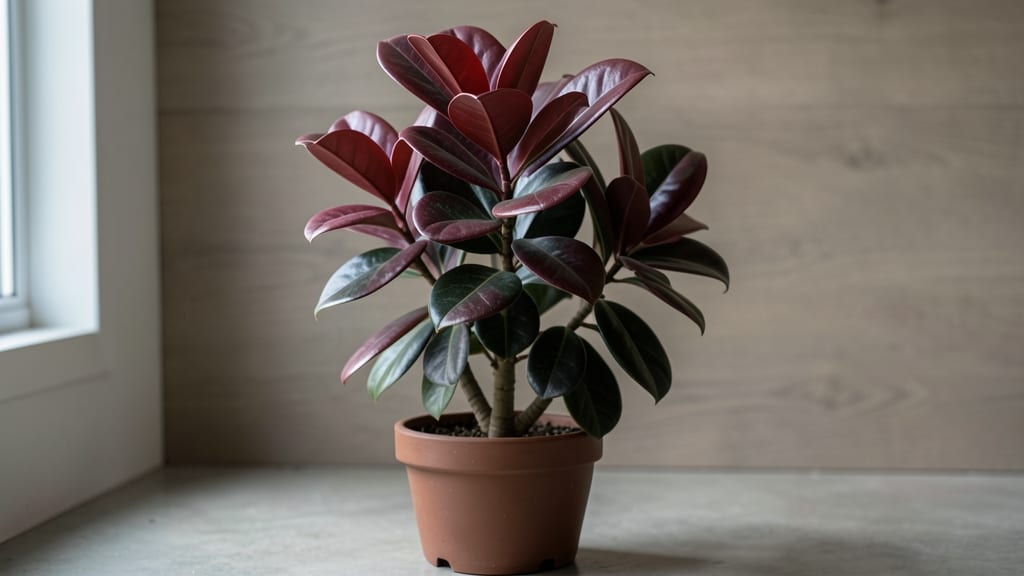
That rubber tree leaf tells a story—one that’s easy to misread. 🌿 That glossy green foliage can turn yellow, crispy, or spotted if you’re overwatering, underwatering, or battling pests, but pruning the right way can turn things around fast.
I’ve revived more rubber trees than I can count by cutting back dead growth and encouraging fresh, vibrant leaves.
The key is working with the plant, not against it. Start by removing any yellow or brown leaves—those are energy drains. Then, trim leggy stems back to a leaf node to promote bushier growth.
Just avoid cutting into the thick, milky sap unless you’re ready for a sticky mess (trust me, it’s worse than it sounds).
Within weeks, you’ll see new leaves unfurling, darker and healthier than before. The plant will look fuller, grow faster, and bounce back from whatever stress it was under. It’s like giving your rubber tree a fresh start—no expensive treatments, just smart pruning.
Works for both small potted plants and tall floor-standing trees. The same principles apply whether you’re dealing with a single leaf issue or a full-scale leaf crisis. Here’s how to do it right the first time.
📚 In This Guide
- What you need
- Instructions
- Tips and common mistakes
- Wrapping up and next steps
What you need
- ● Sharp pruning shears: Bypass pruners (for clean cuts on stems up to ½ inch thick). Pro tip: Sterilize with rubbing alcohol to prevent disease! 💡
- ● Cleaning supplies: Rubbing alcohol (70% isopropyl) or hydrogen peroxide (3%)
- ● Paper towels or lint-free cloths
- ● Disposable gloves: Nitrile gloves (to protect from sap and sharp edges).
- ○ Pruning saw (optional): For thicker stems (over ½ inch). A bow saw or pruning saw with a fine-tooth blade works best.
- ○ Rooting hormone: (Optional) For propagating cuttings—great if you want to grow new plants! ✨
- ● Small pots with drainage: 4–6 inch pots (if propagating). Use well-draining soil mix (e.g., 50% perlite + 50% potting soil).
- ○ Sealant (e.g., pruning wax): To coat cuts and prevent sap oozing (optional but handy for large cuts).
- ● Trash bag or bucket: For collecting pruned leaves/stems (compost or dispose of—rubber tree leaves can be toxic to pets if ingested!).
- ● Timing: Prune in spring or early summer (avoid winter—it’s the tree’s dormant phase!).
- ● Lighting: Ensure your workspace is bright but shaded (rubber trees dislike direct sun during handling).
- ● Knowledge: Familiarize yourself with your rubber tree’s growth habits—look for yellowing leaves, leggy growth, or overcrowded branches as clues for where to trim!
Step-by-Step instructions for pruning your rubber tree leaf
Revitalize your rubber plant's growth with these simple, stress-free pruning techniques.
🌿 Step 1: Assess the Tree for Pruning Needs
Start by examining your rubber tree leaf from all sides. Look for brown, yellow, or damaged leaves that need removal—these are your first targets. Healthy rubber trees have glossy, deep green leaves with no brown spots or curled edges. I always prune in early spring when new growth begins, but you can do light maintenance anytime.
Check the stems too. If you see leggy growth where branches stretch too far between leaves, those areas need pruning to encourage bushier growth. The key is to remove no more than one-third of the plant's foliage at a time—this prevents shock and keeps your rubber tree thriving.
✂️ Step 2: Gather Tools and Prepare the Workspace
Use sterilized pruning shears or sharp scissors to make clean cuts—never tear leaves or stems by hand. Wipe the blades with rubbing alcohol before and after pruning to prevent spreading disease. Lay down a drop cloth or newspaper to catch fallen leaves and debris, making cleanup easier.
Work in a well-lit area where you can see the plant clearly. Rubber trees are sensitive to drafts, so avoid pruning near open windows or doors. If you're doing heavy pruning, water the plant 24 hours beforehand—this ensures the tree has enough moisture to recover quickly.
🌱 Step 3: Prune Damaged or Unwanted Leaves
Begin by removing any brown, yellow, or diseased leaves at their base where they meet the stem. Cut just above a leaf node (the small bump where leaves grow) to encourage new growth from that spot. If a branch is completely dead or leafless, prune it back to a healthy node or bud.
For leggy growth, trim back to the nearest leaf node where the stem is still sturdy. You’ll notice new leaves sprouting from these nodes within 4-6 weeks—that’s your sign the pruning worked. Avoid cutting into the main trunk unless it’s absolutely necessary, as rubber trees heal slowly from deep wounds.
☀️ Step 4: Encourage Bushier Growth with Strategic Cuts
To promote a fuller shape, prune the topmost leaves of the tallest branches. This redirects energy to lower branches, making your rubber tree bushier over time. Cut just above a leaf node, and angle the cut slightly downward to prevent water from pooling on the wound.
If your rubber tree has become too tall, you can prune the top 1-2 inches to control height. Place the cuttings in water to root if you want to propagate new plants—rubber trees root easily this way. After pruning, move the plant to a bright, indirect light spot to help it recover faster.
💧 Step 5: Care for Your Rubber Tree After Pruning
Water your rubber tree lightly for the first 3-5 days after pruning—this prevents stress while allowing wounds to heal. Avoid fertilizing for 2 weeks unless the plant looks weak, as new growth needs time to establish. Keep the plant in warmth (65-75°F) and away from cold drafts during recovery.
Watch for new leaves emerging from the nodes you pruned—this is your rubber tree’s way of telling you it’s happy and healthy. If you see yellowing leaves after pruning, it’s usually just the plant adjusting. But if the yellowing spreads or leaves drop excessively, reduce watering slightly and check for pests.
Tips & tricks for pruning your rubber tree leaf
Here's what nobody tells you about keeping your rubber tree thriving after pruning—these are the details that make all the difference.
Timing Secret: Early spring is ideal for pruning because your rubber tree is entering its active growth phase, but you can do light maintenance anytime. The key is to avoid pruning during extreme heat or cold—stick to temperatures between 65-75°F for optimal healing. I've learned the hard way that pruning in winter stress can actually harm the plant.
Tool Technique: Sterilizing your pruning shears with rubbing alcohol isn't just about clean cuts—it's about preventing fungal infections that can spread through your plant. I keep a small bottle of alcohol handy specifically for this purpose. For tougher stems, use sharp scissors rather than tearing by hand, which can damage the plant's vascular system and slow recovery.
Recovery Strategy: That 24-hour pre-watering before heavy pruning is crucial for keeping your rubber tree hydrated during the stress of cutting. After pruning, the 3-5 day light watering schedule prevents root stress while allowing wounds to callus over. I've seen plants recover beautifully when following this exact routine, but skipping the pre-watering can lead to wilting within days.
Visual Cues: When pruning leggy growth in Step 3, look for the leaf nodes—the small bumps where leaves attach. These are growth points where new leaves will emerge. If you're unsure where to cut, imagine drawing a line just above the node at a slight downward angle. This simple technique prevents water pooling and encourages stronger new growth within those 4-6 weeks.
Pro Tips for Rubber Tree Leaf
- Here's what nobody tells you about keeping your rubber tree thriving after pruning—these are the details that make al...
- Timing Secret: Early spring is ideal for pruning because your rubber tree is entering its active growth phase, but yo...
- Tool Technique: Sterilizing your pruning shears with rubbing alcohol isn't just about clean cuts—it's about preventin...
Frequently asked questions
Got questions about pruning rubber tree leaves? You’re not alone!
Here are some of the most common concerns—plus quick, actionable answers to keep your plant thriving.
When is the best time to prune rubber tree leaves?
The ideal time to prune your rubber tree is in early spring (before new growth starts) or late summer. Avoid heavy pruning in winter, as the plant is dormant. Light trimming to remove dead or yellowing leaves can happen year-round, but major reshaping waits for the growing season. Pro tip: Prune on a dry, sunny day to reduce stress on the plant.
How do I know if I’m over-pruning my rubber tree?
Over-pruning shows up as stunted growth, leggy stems, or yellowing leaves after trimming. If you’ve removed more than 1/3 of the foliage at once, the plant may struggle to recover. Stick to selective pruning—focus on dead branches, overgrowth, or shaping—rather than drastic cuts. Signs of recovery: New leaves within 4–6 weeks.
Can I use rubber tree leaves for anything besides pruning?
While rubber tree (Ficus elastica) leaves aren’t edible, they’re great for compost (chop finely first) or as natural mulch. Some gardeners also use them to line plant pots for drainage. Warning: The sap can irritate skin—wear gloves when handling! For a creative twist, dry leaves for DIY potpourri or pressed art.
What should I do if my rubber tree leaves turn yellow after pruning?
Yellowing leaves post-pruning usually mean overwatering or root shock. First, check the soil—it should be slightly dry 1–2 inches down. Reduce watering and place the plant in bright, indirect light. If the issue persists, repot in fresh, well-draining soil. Bonus: A light fertilizer (like 10-10-10) can help revive growth.
Do I need special tools to prune rubber tree leaves?
Not necessarily! You can use clean, sharp scissors or pruning shears for small branches. For thicker stems, sterilized bypass pruners work best. Disinfect tools with rubbing alcohol between cuts to prevent disease. Avoid tearing leaves—cut at a 45-degree angle just above a leaf node for cleaner regrowth.
Still stumped? Drop your rubber tree pruning questions in the comments—we’re happy to help!
Wrapping up and next steps
Pruning your rubber tree with rubber tree leaves is a rewarding way to keep it thriving and vibrant! By following the right techniques—like timing, tool selection, and proper cuts—you’ll encourage lush growth, prevent disease, and even propagate new plants. 🌿
Ready to take action? Start by observing your tree’s health and scheduling your first pruning session this season. With patience and care, your rubber tree will flourish for years to come!