
Leaf Blower
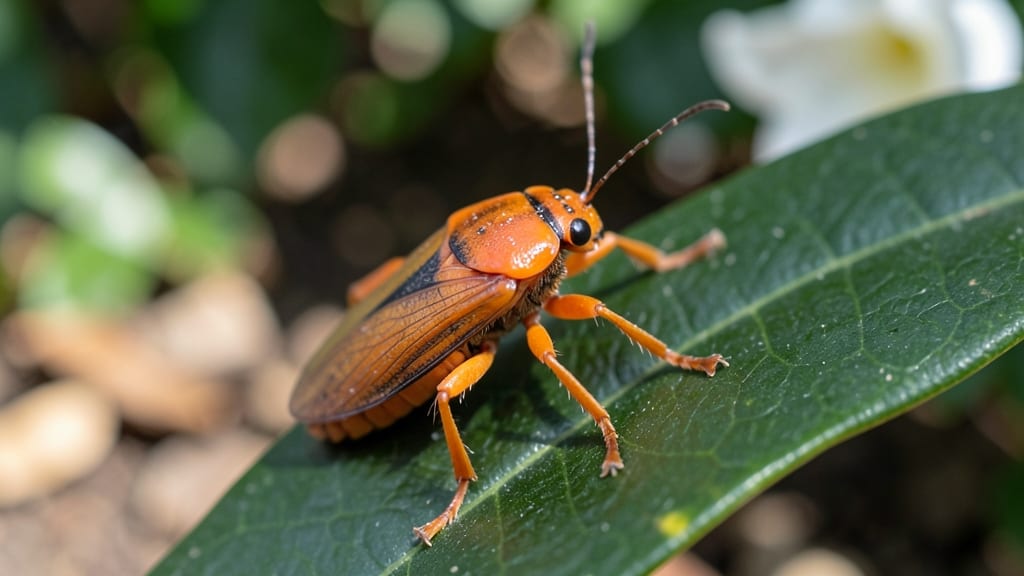
The orange leaf-footed bug might look cute with its orange legs, but it’s a voracious predator of aphids and mealybugs—turning your garden into its all-you-can-eat buffet. 🌿 I’ve watched these tiny hunters devour entire colonies of pests in a single day, but they can also multiply fast if left unchecked.
The key is knowing when they’re helping and when they’re overstaying their welcome.
These bugs thrive on over 200 plant species, from tomatoes and peppers to roses and citrus. You’ll spot them clustered on undersides of leaves, leaving behind chewed aphids and sticky honeydew trails.
The damage? Usually minimal—unless they’re so numerous they start munching on your plants too. That’s when you need to act.
Natural control starts with encouraging their predators (ladybugs, lacewings) and removing heavily infested leaves. For stubborn outbreaks, neem oil or insecticidal soap works wonders without harming beneficial bugs. The goal isn’t to wipe them out—just keep their population in check so your garden stays balanced.
Prevention is simple: healthy plants attract fewer pests, and regular inspections catch problems early. Once you learn their habits, these orange-legged helpers become your secret weapon against garden nuisances. Let’s get your garden back in harmony!
Root Causes Of Infestations
Understanding why these pests invade your garden or home is the first step to effectively managing them. The orange leaf-footed bug (and its related prey like aphids and mealybugs) doesn’t just appear out of nowhere—it’s drawn by specific conditions that create the perfect storm for survival and reproduction.
Let’s break down the key factors that turn your plants into a buffet for these critters.
Plants under stress—whether from drought, poor soil, or overcrowding—emit chemical signals that attract pests. The orange leaf-footed bug thrives in environments where plants are already weakened, as their defenses are compromised. Here’s why:
- Nutrient Deficiencies: When plants lack essential nutrients (like nitrogen or potassium), they produce softer, more vulnerable leaves—ideal for sap-sucking bugs. - Water Stress: Drought-stressed plants can’t produce enough sap to deter pests, making them easier targets.
On the flip side, overwatered plants create damp conditions that mealybugs and aphids adore. - Physical Damage: Broken branches, torn leaves, or wounds from pruning create entry points for bugs to insert their mouthparts and feed.
Actionable Fix: 🌱 Prune regularly to improve airflow, test soil pH (aim for 6.0–7.0 for most plants), and water deeply but infrequently to avoid stress signals.
These pests love warm, humid conditions—think late spring to early fall in temperate climates. But they also need protection from predators and harsh weather. Here’s how your environment might be inviting them in:
- Microclimates: Greenhouses, patios, or dense foliage create humid pockets where bugs thrive without natural predators (like ladybugs or lacewings).
- Mild Winters: In regions with short winters, bugs can survive year-round, leading to exponential growth in spring.
- Windbreaks: Tall hedges or fences can block beneficial predators while trapping pests near their host plants.
Actionable Fix: 🌡️ Use row covers in early spring to block adult bugs before they lay eggs, and prune dense foliage to reduce hiding spots.
The orange leaf-footed bug isn’t just a nuisance—it’s a predator that feeds on aphids, mealybugs, and even other soft-bodied insects. If these pests are already in your garden, you’ve got a double problem:
- Aphid & Mealybug Outbreaks: These sap-suckers secrete honeydew, which attracts ants (who "farm" them) and creates a sticky mess that encourages fungal growth—perfect conditions for leaf-footed bugs.
- Lack Of Natural Predators: If your garden lacks ladybugs, parasitic wasps, or birds, aphid populations explode, indirectly boosting leaf-footed bug numbers.
- Monoculture Planting: Large patches of single plant species (like roses or citrus) provide easy buffet-style feeding for bugs.
Actionable Fix: 🐞 Introduce beneficial insects (like lacewings or nematodes) and plant diverse flowers to attract predator species.
Sometimes, we accidentally invite them in. Here’s how:
- Firewood & Mulch: Stacked firewood or thick mulch layers create hidden breeding grounds for bugs to overwinter.
- Potted Plants: Indoor plants near windows or doors can accidentally bring in hitchhiking bugs from nurseries or outdoor areas.
- Weakened Immunity: Over-fertilizing with high-nitrogen products can make plants too soft, attracting pests like a neon sign.
Actionable Fix: 🚫 Inspect new plants before bringing them indoors, store firewood away from structures, and avoid over-fertilizing—stick to a balanced 10-10-10 or organic compost.
These bugs have specific life stages that align with plant growth:
- Spring Emergence: Adults wake from hibernation and lay eggs on new growth—timing your treatments before buds swell can prevent infestations.
- Summer Reproduction: Warmth triggers rapid reproduction, with nymphs maturing in weeks, not months.
- Fall Migration: As temperatures drop, bugs seek shelter in leaf litter, bark, or structures—making late-season cleanups critical.
Actionable Fix: ⏰ Monitor plants weekly in spring and remove egg masses (tiny orange clusters on undersides of leaves) with a soft brush or soapy water.
The orange leaf-footed bug and its prey don’t just appear—they’re drawn by a mix of environmental factors, plant health, and human habits. By addressing stress, shelter, and seasonal cycles, you can disrupt their life cycle before they become a full-blown infestation. 🚀
Practical Ways to Eliminate Sap-Sucking Pests
Now that you understand why those pesky orange leaf-footed bugs (and their aphid/mealybug allies) invade your plants, let’s tackle them head-on with effective, easy-to-follow solutions. Whether you’re dealing with a small infestation or a full-blown garden takeover, these methods will help you regain control—without resorting to harsh chemicals.
The sooner you spot these pests, the easier they are to eliminate. Check your plants weekly—especially the undersides of leaves, new growth, and flower buds—where bugs love to hide.
If you see: - Sticky residue (honeydew) on leaves - Wilting or curled leaves - Tiny orange, black, or white bugs scurrying away
💡 Pro Tip: Use a hand lens or magnifying glass to inspect plants thoroughly. Early action prevents a full-blown outbreak!
If you prefer non-toxic solutions, these DIY methods work wonders:
🌿 Soap Spray (Best for Small Infestations)
How it works: A mild soap solution disrupts the bugs’ protective wax layer, dehydrating them.
What you’ll need:
- 1 tbsp mild liquid soap (like Castile soap)
- 1 quart water
- Spray bottle
Steps:
- Mix the soap and water in the spray bottle.
- Shake well before each use (soap separates easily).
- Spray directly on bugs and infested areas—focus on undersides of leaves.
- Reapply every 5–7 days until pests are gone.
⚠️ Warning: Avoid spraying directly on flowers if bees are present (soap can harm them).
🍋 Neem Oil (Kills Eggs & Adults)
How it works: Neem oil smothers bugs, disrupts their life cycle, and deters future infestations.
What you’ll need:
- 1 tbsp neem oil
- 1 tsp honey or dish soap (as an emulsifier)
- 1 quart water
Steps:
- Mix neem oil, soap, and water in a spray bottle.
- Shake well and spray evenly on plants (including stems).
- Apply in the evening (neem oil breaks down in sunlight).
- Reapply every 7–10 days for 3–4 weeks.
💡 Pro Tip: Neem oil also prevents fungal growth, so it’s a two-in-one solution!
🌸 Companion Planting (Long-Term Prevention)
Some plants repel leaf-footed bugs naturally. Plant these near your vulnerable crops:
- Marigolds (deter aphids)
- Basil & Mint (confuse pests with their scent)
- Garlic & Onions (natural insect repellent)
🎯 Best for: Preventing future infestations in your garden.
If the infestation is severe, targeted pesticides can help. Here are the most effective options:
🔪 Pyrethrin-Based Sprays (Fast-Kill)
How it works: Derived from chrysanthemums, pyrethrin paralyzes and kills bugs on contact.
Best products:
- PyGanic (organic, OMRI-listed)
- Bonide Pyrethrin Garden Spray
How to use:
- Spray in the evening (reduces harm to bees).
- Cover the entire plant, including stems and leaf undersides.
- Reapply after rain (pyrethrin washes off quickly).
⏰ Timeframe: Kills bugs within hours, but may need 2–3 applications.
🛡️ Systemic Insecticides (For Stubborn Cases)
How it works: Absorbed by the plant, these poison the bug’s food source when they feed.
Best options:
- Imidacloprid (e.g., Merit, Bayer Advanced) – Works for 2–3 months.
- Dinotefuran (e.g., Safari, Ortho BugClear) – Less harmful to bees.
How to use:
- Mix with water and apply soil drench (follow label instructions).
- Water plants after application to help absorption.
- Avoid spraying on flowers if bees are active.
⚠️ Caution: Use only as a last resort—systemics can harm beneficial insects.
For small, manageable infestations, manual removal works surprisingly well:
🧼 Water Blasting (For Heavy Infestations)
- Fill a spray bottle or hose with strong water pressure.
- Blast off bugs from leaves (works best on smooth-leaved plants like citrus).
- Repeat every 2–3 days until gone.
✨ Bonus: This also washes away honeydew, preventing sooty mold.
🕷️ Beneficial Predators (Eco-Friendly Help)
Introduce natural enemies of leaf-footed bugs:
- Ladybugs (devour aphids)
- Lacewings (eat both bugs and eggs)
- Parasitic wasps (target mealybugs)
Where to get them:
- Online suppliers (e.g., Arbico Organics, Gardeners.com)
- Local garden centers (ask for "beneficial insect releases")
💡 Pro Tip: Release predators at dusk when they’re most active.
An ounce of prevention is worth a pound of cure! Follow these long-term strategies to minimize future infestations:
✅ 🌱 Healthy Plants = Strong Defense
- Prune regularly to improve airflow (bugs love crowded, damp foliage).
- Fertilize properly—over-fertilizing attracts pests.
- Remove dead leaves & debris where bugs hide.
✅ 🕸️ Disrupt Their Habitat
- Use reflective mulch (aluminum foil or silver plastic) to confuse bugs.
- Install yellow sticky traps to catch flying adults.
✅ 🌿 Rotate Your Defense
- Alternate natural sprays (soap, neem, insecticidal soap) to prevent resistance.
- Monitor weekly—catch new bugs before they multiply.
✅ 🚫 Quarantine New Plants
- Inspect all purchases for hitchhiking pests.
- Isolate new plants for 2 weeks before introducing them to your garden.
Final Thought: Combining early detection, natural remedies, and prevention gives you the best shot at keeping your plants pest-free without harming the environment. Start today—your garden will thank you! 🌿💚
Frequently asked questions
Are orange leaf-footed bugs harmful to my plants?
While they primarily feed on aphids and mealybugs, large populations can damage plants by chewing leaves and stems. The real concern is their sticky honeydew waste, which attracts ants and promotes sooty mold. Focus on keeping their numbers balanced rather than eliminating them completely.
How can I tell if I have leaf-footed bugs vs. other orange garden pests?
Leaf-footed bugs have distinctive orange legs and a flattened body shape, while their prey (aphids) are tiny and clustered. Look for chewed aphid carcasses near the bugs - this is their calling card! Compare with photos of similar pests like stink bugs or assassin bugs for confirmation.
Will neem oil work on leaf-footed bug eggs?
Yes! Neem oil is excellent for eggs and nymphs. Apply it directly to leaf undersides where eggs cluster (they look like tiny orange clusters). Reapply every 7-10 days for 3-4 weeks to break their life cycle. The oil disrupts their development at all stages.
Can I use insecticidal soap on edible plants?
but with caution. Use only food-safe insecticidal soap (like Safer® brand) and spray only the affected areas. Avoid spraying when bees are active, and rinse produce thoroughly before eating. The soap breaks down quickly and leaves no residue when used correctly.
What should I do if bugs appear indoors?
Start by sealing cracks and gaps where they enter. For immediate removal, use a shop vac with hose attachment to suck them up (they can't fly well). Place sticky traps near windows and doors. If they're on houseplants, isolate the plant and treat with neem oil spray.