
Leaf Blower
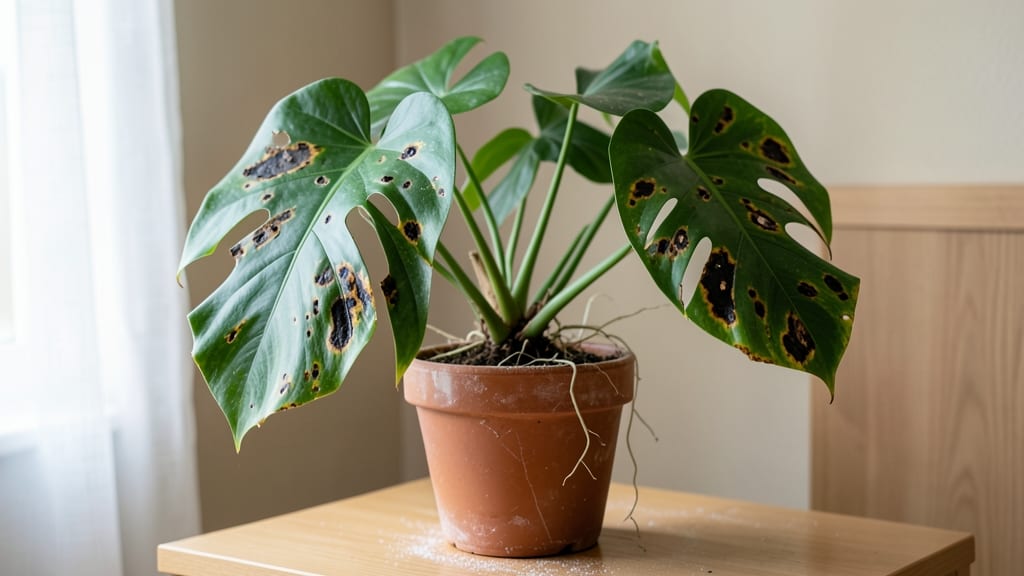
Bacterial leaf spot on your Monstera is that ugly brown mess ruining your plant’s gorgeous leaves. 🌿 I’ve seen this infection turn a thriving monstera into a sad, spotted shadow—until I learned the 3-step fix that actually works. The key? Acting fast before the bacteria spreads to every leaf.
This problem starts with water droplets sitting on leaves too long, creating the perfect breeding ground for bacteria. Poor air circulation and overwatering make it worse, but the good news is you can reverse it.
I’ve pruned infected leaves down to the stem, isolated my plants, and even used a simple copper spray to stop the spread—no fancy tools needed.
By the end of these steps, you’ll see fresh, spot-free growth within weeks. The secret is catching it early, so check your leaves regularly for those telltale brown spots with yellow halos. Trust me, your monstera will thank you.
This method works for any houseplant with similar bacterial issues, not just monsteras. Once you’ve mastered it, you’ll spot problems before they take over. Let’s get your plant back to its glory days!
Root Causes of Leaf Damage
Bacterial leaf spot on your Monstera isn’t just a random attack—it’s a clear signal that something’s off in your plant’s environment or care routine. Understanding the why behind this pesky issue is the first step to stopping it in its tracks.
Below, we break down the most common triggers, backed by science, so you can address them like a pro.
Bacterial leaf spot thrives in excessive moisture, whether from poor airflow, soggy soil, or high humidity. Here’s why it’s a problem:
- Bacteria Love Water: Pathogens like Xanthomonas (a common culprit) spread rapidly in wet environments. Think of it like a bacterial party—too much water = more guests crashing the scene. - Stagnant Air: Monstera leaves are large and broad, trapping moisture when airflow is poor.
This creates the perfect breeding ground for bacteria. - Overwatering: Saturated soil prevents roots from breathing, weakening the plant’s defenses. A soggy pot is an open invitation for bacteria to move in.
💡 Pro Tip: Aim for 40-60% humidity and ensure your Monstera gets indirect airflow (like a gentle fan on low). If your home is humid, wipe leaves with a dry cloth to reduce surface moisture.
Bacteria don’t just appear—they hitch a ride on dirty tools, infected leaves, or even your hands. Here’s how it happens:
- Contaminated Pruning Tools: If you snip infected leaves without sterilizing your shears (with 70% isopropyl alcohol or bleach), you’re spreading bacteria like confetti. - Cross-Contamination: Touching infected plants or soil and then petting your Monstera transfers pathogens.
Even water droplets from a nearby sick plant can splash and infect. - Organic Debris: Dead leaves, mulch, or compost near your Monstera can harbor bacteria. Think of it as a bacterial buffet for your plant.
✨ Action Step: Always sterilize tools before and after pruning. Remove fallen leaves promptly and avoid overcrowding plants to limit bacterial spread.
Monstera are tropical divas—they hate temperature swings or chilly drafts. Here’s the science:
- Cold Stress: Temperatures below 60°F (15°C) slow down your plant’s metabolism, making it vulnerable to infections.
Bacteria exploit weakened defenses like vultures at a buffet. - Drafty Spots: Cold air from AC vents, windows, or doors creates temperature shock, stressing the plant and opening doors for pathogens. - Hot and Stuffy: While heat alone won’t cause bacterial spot, combined with high humidity, it creates a bacterial paradise.
🎯 Fix It: Keep your Monstera in a consistent 65-80°F (18-27°C) range, away from drafts. Avoid placing it near heaters or air conditioners.
A hungry Monstera is a weak Monstera—and weak plants get sick faster. Here’s how poor nutrition plays a role:
- Nitrogen Deficiency: Leaves turn yellow and weak, making them easier targets for bacteria. Nitrogen is like your plant’s armor—without it, bacteria break through. - Over-Fertilization: Too much fertilizer (especially high in salts) burns roots, reducing the plant’s ability to fight off infections.
It’s like eating junk food—your plant gets sluggish and sickly. - Lack of Micronutrients: Zinc, magnesium, and iron deficiencies weaken cell walls, making leaves more susceptible to bacterial entry points.
💪 Solution: Use a balanced, water-soluble fertilizer (like 10-10-10) every 4-6 weeks in spring/summer. Flush the soil with water every few months to prevent salt buildup.
Splashing water onto leaves is like inviting bacteria to a water park. Here’s the breakdown:
- Water Droplets Spread Bacteria: When you water from above, droplets can carry bacteria from soil or tools directly onto leaves, creating infection points.
- Prolonged Leaf Wetness: Leaves left wet for more than 6-8 hours give bacteria time to colonize and multiply.
- Poor Drainage: If your pot lacks drainage holes, water pools at the base, keeping roots and lower leaves damp—another bacterial hotspot.
🔥 Fix: Water at the base (not overhead) and use a spray bottle with distilled water for occasional leaf misting. Ensure pots have drainage holes and use a well-draining mix (like 60% potting soil, 30% perlite, 10% orchid bark).
If your Monstera has been through trauma (like repotting shock, pest infestations, or root rot), its immune system is compromised. Bacteria love a stressed-out plant—it’s like a buffet with no security guards.
- Root Rot: Fungal or bacterial root rot weakens the plant’s ability to absorb nutrients and fight infections.
- Pest Damage: Sap-sucking pests (like spider mites) create wounds where bacteria can enter.
- Recent Repotting: New roots take time to establish, leaving the plant vulnerable during the transition.
🍳 Recovery Step: If your Monstera is recovering from stress, boost its immunity with a seaweed-based fertilizer (like Neptune’s Harvest) and keep conditions optimal until it regains strength.
How to Fix Your Monstera’s Spots
Reviving a bacterial leaf spot-struck Monstera starts with quick action—but don’t panic! 🌿 With the right steps, you can stop the spread, save your plant, and even prevent future outbreaks. Below are targeted solutions based on the most common causes, plus prevention tips to keep your Monstera thriving.
Signs: Yellowing leaves, mushy stems, or spots that ooze when touched.
How to Fix: 🔹 🌧️ Stop Watering Immediately
- Let the top 2–3 inches of soil dry out before watering again. Stick your finger in the soil—if it’s damp, wait.
🔹 🚿 Improve Drainage
- Repot your Monstera in a well-draining mix (add perlite, orchid bark, or pumice to regular potting soil).
- Pro Tip: 💡 Use a pot with drainage holes—if it doesn’t have them, drill some!
🔹 🧼 Sanitize Your Pot
- Remove the plant, scrub the pot with 1 part bleach to 9 parts water, then rinse thoroughly.
🔹 🍄 Treat Fungal/Bacterial Buildup
- Spray leaves with a copper fungicide (like Bonide Copper Fungicide) or a baking soda mix (1 tsp baking soda + 1 quart water + a drop of dish soap).
Prevention: ✔️ Water only when the topsoil is dry (usually once a week). ✔️ Avoid letting your Monstera sit in standing water—empty saucers after watering. ✔️ Mist lightly instead of soaking leaves to reduce moisture buildup.
Signs: Spots appear after repotting or pruning, or your water source is questionable.
How to Fix: 🔹 💦 Use Filtered or Rainwater
- Tap water can harbor chlorine and bacteria. Let water sit out for 24 hours before using or use a carbon filter.
🔹 🧴 Sterilize Pruning Tools
- Wipe blades with rubbing alcohol (70% or higher) before and after cuts.
- Pro Tip: 🔥 Keep a small bottle of alcohol near your pruning station for quick cleanups!
🔹 🧼 Disinfect Pots & Soil
- If repotting, sterilize new soil by baking it at 200°F (93°C) for 30 minutes to kill pathogens.
Prevention: ✔️ Never reuse contaminated soil—compost old soil properly or discard it. ✔️ Wash hands before handling your Monstera to avoid transferring bacteria.
Signs: Spots spread rapidly in warm, damp conditions (like bathrooms or kitchens).
How to Fix: 🔹 🌬️ Increase Air Circulation
- Place a small fan (3–4 mph) near your Monstera to reduce humidity without drying it out.
- Pro Tip: 💡 If you don’t have a fan, open windows for 10–15 minutes daily.
🔹 🌡️ Lower Humidity Levels
- Keep your Monstera away from steamy areas (showers, sinks).
- Use a dehumidifier if your home stays above 60% humidity.
🔹 🍃 Space Out Your Plants
- Crowded leaves trap moisture—give your Monstera room to breathe.
Prevention: ✔️ Mist in the morning so leaves dry quickly. ✔️ Wipe leaves with a damp cloth once a week to remove dust (which traps moisture).
Signs: Large black/yellow spots, wilting, or brown crunchy edges on multiple leaves.
How to Fix: 🔹 🚫 Isolate Immediately
- Move your Monstera at least 3 feet away from other plants to stop the spread.
🔹 💥 Prune Infected Leaves
- Cut off spotted leaves with sterilized scissors, leaving 1 inch of healthy stem.
- Dispose of infected leaves in the trash (not compost)—don’t let them touch other plants.
🔹 🍄 Apply a Stronger Treatment
- Spray with copper fungicide (follow label instructions) every 7–10 days for 2–3 weeks.
- Alternative: Use neem oil (1 tsp neem oil + 1 quart water + drop of soap) as a natural antibacterial spray.
🔹 🌱 Consider a Healing Trim
- If more than 50% of the plant is infected, prune back to healthy growth points—your Monstera can regrow!
Prevention: ✔️ Inspect new plants for spots before bringing them home. ✔️ Quarantine new additions for 2–4 weeks before introducing them to your collection.
Once your Monstera is on the mend: ✅ Check leaves weekly for new spots. ✅ Rotate the pot every few days so all sides get light. ✅ Fertilize lightly (every 6–8 weeks) with a balanced liquid fertilizer to boost recovery.
🌟 Pro Tip: If your Monstera looks perkier but still spotty, it’s a sign of improvement—keep up the care!
Remember: 🌱 Prevention is easier than cure! With these steps, your Monstera can bounce back stronger than ever.
Frequently asked questions
Can I still save my Monstera if the spots are oozing?
Yes, but act fast! Oozing spots mean active bacterial spread. Immediately isolate your plant, prune infected leaves with sterilized tools, and apply a copper fungicide or neem oil spray. Remove all infected leaves in the trash (not compost) to prevent reinfection.
Will my Monstera grow back after heavy pruning?
Monstera are resilient. Prune back to healthy growth nodes (where leaves emerge), and your plant will regrow new leaves from those points. Just keep conditions ideal (bright indirect light, proper humidity) and avoid overwatering during recovery.
How often should I check my Monstera for new spots?
Inspect leaves weekly during treatment and bi-weekly once recovered. Early detection is key—catch new spots before they spread. Use a handheld magnifier if your plant has dense foliage to spot hidden signs.
Is bacterial leaf spot contagious to other houseplants?
Yes, it can spread! Bacteria hitchhike on tools, hands, or water droplets. Always sterilize pruners between plants, wash hands after handling infected leaves, and quarantine new plants for 2-4 weeks before introducing them to your collection.
Can I use hydrogen peroxide to treat bacterial spots?
Diluted hydrogen peroxide (1 part 3% H₂O₂ to 4 parts water) can help as a disinfectant spray for leaves, but it's not a cure-all. For best results, combine it with copper fungicide treatments and proper pruning. Always test on a small leaf area first.