
Leaf Blower
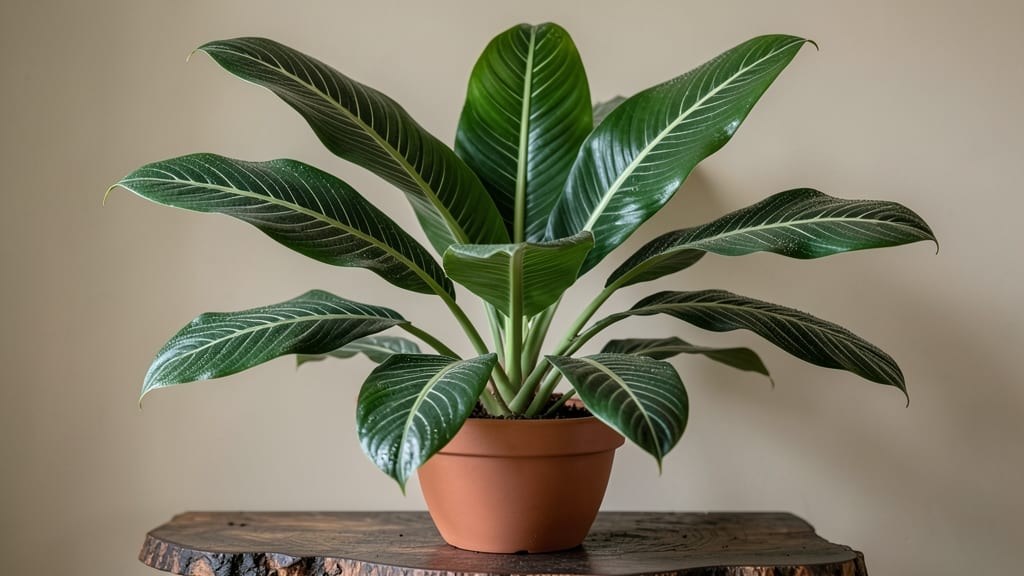
Growing a banana leaf palm means bringing tropical drama to your yard—even when frost threatens. ✨ These towering beauties thrive in zones 8-11 but can handle surprisingly chilly winters with the right prep, making them the perfect statement plant for warm climates and adventurous gardeners.
The secret to their success? Rich, well-draining soil, bright indirect light, and deep waterings that mimic their native rainforest home. Unlike fussy tropicals, they’re forgiving—just avoid soggy roots and they’ll reward you with spectacular 6-foot leaves that last all season.
Even in containers, they grow fast, adding instant height and texture to any space.
📚 In This Guide
- What you need
- Instructions
- Tips and common mistakes
- Wrapping up and next steps
What you need
- ● Banana leaf palm plant: 1 healthy sapling (look for Brahea dulcis or Brahea armata—both are frost-tolerant varieties).
- ● Well-draining soil: 1 bag (50 lbs) of cactus/succulent mix or amend garden soil with perlite/coarse sand (1 part perlite to 3 parts soil).
- ○ Container (optional for indoor/urban growing): 1 large pot (18"+ diameter) with drainage holes, or
- ● 1 raised bed (if planting multiple palms).
- ● Organic fertilizer: 1 lb of balanced slow-release fertilizer (10-10-10 or 8-3-9) or composted manure.
- ● Garden tools: 1 trowel or shovel for planting.
- ● 1 pair of pruning shears (sterilized).
- ● 1 watering can or hose with a gentle spray nozzle.
- ○ Mulch (optional but recommended): 2–3 inches of wood chips or pine straw to retain moisture.
- ● Sunlight access: Full sun (6+ hours daily) or bright indirect light (for indoor growing).
- ● Cold-hardiness prep (if in frost-prone zones): 1 frost cloth or burlap (for young plants).
- ● 1 layer of straw mulch (for outdoor overwintering).
Step-by-step instructions for cultivating banana leaf palm indoors
Here's how to grow this striking tropical plant with confidence—even in cooler climates.
🪴 Step 1: Select the Perfect Pot and Soil Mix
Choose a 12-16 inch diameter pot with drainage holes—banana leaf palms hate soggy roots. I opt for unglazed terra cotta because it breathes and helps regulate moisture. Fill the bottom third with orchid bark mix for aeration, then add a high-quality palm mix (or blend equal parts peat moss, perlite, and coarse sand) for the remaining space.
Tap the pot gently to settle the soil without compacting it. The mix should feel light and fluffy—like a damp sponge. Avoid garden soil; it compacts easily and suffocates delicate roots. This layered approach mimics their natural habitat's loose, well-draining conditions.
☀️ Step 2: Position for Bright, Indirect Light
Banana leaf palms crave bright, filtered light—think 6-8 hours of indirect sunlight daily. A south- or east-facing window works best, but avoid harsh afternoon sun that can scorch the fronds. If natural light is limited, supplement with a full-spectrum LED grow light positioned 12-18 inches above the plant for 12-14 hours daily.
Watch for yellowing leaves—this signals too much direct sun. Conversely, dark green fronds with sparse growth mean more light is needed. Rotate the pot quarter-turn weekly to ensure even growth and prevent lopsided development.
💧 Step 3: Master the Watering Routine
Water when the top 2-3 inches of soil feel dry to the touch. Stick your finger in—if it’s dry at that depth, it’s time to water. Pour 1-2 gallons (depending on pot size) of lukewarm water slowly until it drains freely from the bottom. Empty the saucer afterward to prevent root rot—banana leaf palms despise wet feet.
In winter, reduce watering to every 7-10 days as growth slows. Overwatering is the #1 killer—yellowing leaf tips or mushy stems are red flags. I use a moisture meter for precision, but even without one, lift the pot: if it feels light, it’s thirsty.
✂️ Step 4: Prune and Fertilize for Health
Remove yellow or brown fronds at the base with sterilized pruners, cutting cleanly just above the next growth node. This encourages new leaves and prevents disease. I also trim any dead or damaged leaves mid-stem to maintain the plant’s elegant shape. Wear gloves—sap can irritate skin.
Feed monthly in spring/summer with a balanced liquid fertilizer (10-10-10 or 20-20-20) diluted to half-strength. In fall/winter, cut back to every 8-12 weeks. Flush the soil quarterly with plain water to prevent salt buildup from fertilizers. Healthy palms have bright green, upright fronds with no brown edges.
🌿 Step 5: Monitor for Pests and Humidity Needs
Check undersides of leaves weekly for spider mites or mealybugs—common pests that thrive in dry air. Wipe leaves with a neem oil solution (1 tsp neem oil + 1 quart water) if you spot webbing or cottony clusters. Increase humidity to 50-60% by grouping plants or using a pebble tray with water beneath the pot.
Mist leaves daily in dry climates, but avoid soggy conditions. Brown leaf tips often signal low humidity or fluoride buildup from tap water. If using tap water, let it sit 24 hours before watering to reduce chemical exposure. A happy banana leaf palm stays vibrant and lush with minimal fuss.
Tips & tricks for cultivating a thriving banana leaf palm
These insider secrets will help you nurture a banana leaf palm that thrives indoors, even in less-than-tropical conditions.
Pot Selection Wisdom: While the instructions recommend a 12-16 inch pot, I've found that 18-inch pots give roots more room to establish without overcrowding—especially for mature plants. The key is ensuring the pot has drainage holes and is 25-30% larger in diameter than the plant's current root ball. Terra cotta remains my top choice because it naturally wicks away excess moisture, but if you prefer plastic, opt for one with multiple drainage holes to compensate for its moisture-retentive nature.
Light Positioning Strategy: The 6-8 hours of indirect light requirement can be tricky in north-facing windows. If your space lacks natural light, consider a south-facing window with sheer curtains—this diffuses light while still providing the brightness these palms crave. For grow lights, I've had success with 15-watt LED clips placed 12 inches above the plant for the 12-14 hour daily requirement. These use less energy than full-spectrum bulbs while still delivering excellent results. Rotate your plant quarter-turn every 5 days instead of weekly to prevent any potential light bias from developing.
Watering Precision: The finger-test method for watering works well, but I've developed a more precise approach: use a wooden skewer inserted 2-3 inches deep into the soil. If it comes out dry, it's time to water. For the 1-2 gallon watering amount, I measure using a 1-gallon watering can—this gives me consistent results regardless of pot size. In winter, I reduce to every 10-14 days depending on indoor humidity levels, which I monitor with a hygrometer placed near the plant.
Fertilizer Timing: The monthly spring/summer feeding schedule works perfectly, but I've found that early spring (March) and late summer (August) feedings give the plant an extra boost during its natural growth phases. When flushing the soil quarterly, I use distilled water instead of tap to prevent mineral buildup, which can occur even with diluted fertilizers. For the neem oil solution, I double the strength to 2 tsp neem oil per quart of water for stubborn pest infestations, applying it every 7 days until the pests disappear.
Pro Tips for Banana Leaf Palm
- These insider secrets will help you nurture a banana leaf palm that thrives indoors, even in less-than-tropical conditions.
- Pot Selection Wisdom: While the instructions recommend a 12-16 inch pot, I've found that 18-inch pots give roots more room to establish without overcrowding—especially for mature plants.
- Light Positioning Strategy: The 6-8 hours of indirect light requirement can be tricky in north-facing windows.
Frequently asked questions
Got questions about growing banana leaf palms? You’re not alone! Here are some of the most common inquiries—plus straightforward answers to help you nurture this tropical beauty with confidence.
How fast does a banana leaf palm grow?
A healthy Musa basjoo (banana leaf palm) can grow 3–6 feet per year under ideal conditions—think warm climates, rich soil, and plenty of water. In cooler zones, growth slows but doesn’t stop; expect slower but steady progress. Pro tip: Prune dead fronds to redirect energy to new growth and keep it lush!
Can banana leaf palms survive light frost?
While they’re tolerant of brief cold snaps (down to 20°F), prolonged frost or freezing temps can damage foliage. If your area dips below 15°F, mulch the base and wrap the trunk in burlap for protection. Warning: Avoid planting in microclimates where frost lingers—these palms thrive in USDA Zones 7–11.
What’s the best alternative if I can’t grow a banana leaf palm?
If your climate is too harsh, consider these low-maintenance, frost-tolerant alternatives:
- Dwarf Date Palm (Phoenix roebelenii) – Hardy to 15°F, compact, and great for containers.
- Needle Palm (Rhapidophyllum hystrix) – Thrives in shade and survives 0°F!
- Windmill Palm (Trachycarpus fortunei) – Cold-hardy to 5°F and drought-resistant.
Why are my banana leaf palm’s leaves turning yellow?
Yellowing leaves usually signal overwatering, nutrient deficiency, or fungal issues. Check the soil—it should be moist but not soggy. If roots smell foul, you may have root rot ( fix it fast by improving drainage!). For yellow edges, fertilize with a palm-specific blend (rich in magnesium and potassium).
Do banana leaf palms produce edible bananas?
Nope! While they look like banana trees, Musa basjoo is ornamental only—its fruit is small, seedy, and inedible. The real deal for bananas is Musa acuminata or Musa balbisiana, which need tropical climates. Fun fact: These palms are prized for their sturdy, decorative leaves, often used in cooking (like wrapping food for steaming!).
Wrapping up and next steps
The banana leaf palm isn’t just a stunning tropical accent—it’s a resilient, low-maintenance plant that thrives with minimal fuss. Whether you’re a seasoned gardener or a beginner, its adaptability and frost tolerance make it a fantastic choice for adding lush, exotic beauty to your space.
Ready to bring home a piece of the tropics? Start by checking your local nursery or reputable online plant seller today! 🌿✨
Pro Tip: If you’re unsure about your climate, opt for a Musa basjoo hybrid—they’re the hardiest banana leaf palms and perfect for cooler regions!