
Shrubs
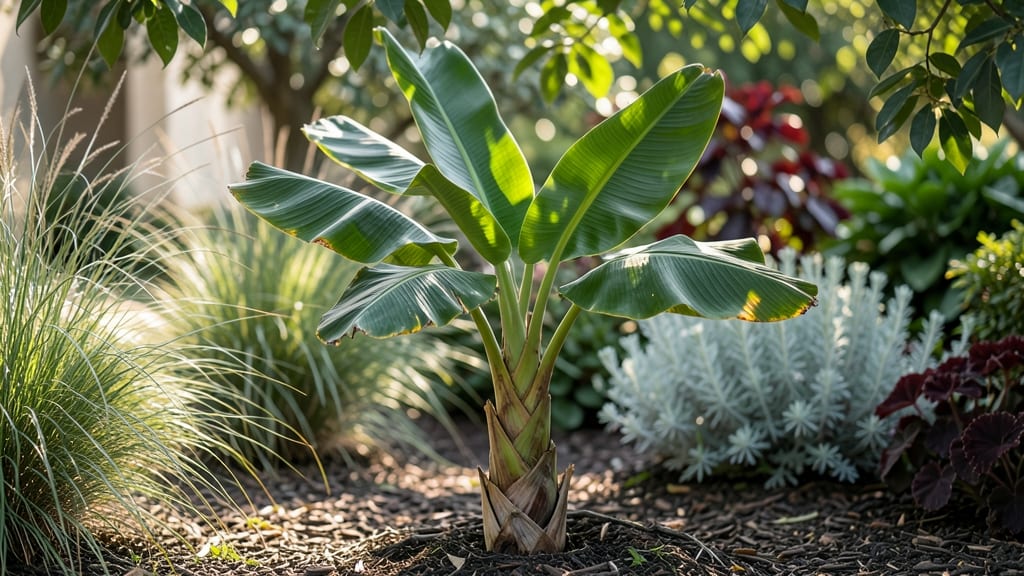
Tiny banana leaf small plants that fit your patio or window box? 🌱 These dwarf banana varieties prove you don’t need a tropical climate or acres of land to grow them—just the right compact species and a few simple care tricks.
I’ve grown these in containers for years, and they’ve become my go-to for adding exotic texture without the giant leaves or tropical drama.
The secret starts with choosing the right variety: Musa ‘Dwarf Cavendish’ or Musa ‘Ice Cream’ stay under 5 feet tall, while Ensete ventricosum (false banana) grows even smaller with its striking purple stems.
They thrive in USDA zones 9-11, but even in cooler areas, you can overwinter them indoors near a sunny window. With the right well-draining potting mix and bright indirect light, these plants reward you with glossy leaves and occasional edible (though small) fruit.
They’re surprisingly low-maintenance once established—just watch for overwatering, which causes those dreaded yellow leaves. Perfect for small spaces, urban balconies, or even as striking houseplants. Let’s get you growing these tropical beauties without the tropical headaches!
📚 In This Guide
- What you need
- Instructions
- Tips and common mistakes
- Wrapping up and next steps
What you need
- ● Compact banana leaf shrub varieties: Musa basjoo 'Dwarf Banana' (3–5 ft tall, cold-hardy)
- ● Musa acuminata 'Dwarf Cavendish' (4–6 ft tall, ornamental)
- ● Strelitzia nicolai 'Dwarf Bird of Paradise' (alternative, banana-leaf-like, 6–8 ft)
- ● Container (if potted): 1–2 large pots (18–24" diameter) with drainage holes (terracotta or fabric pots recommended).
- ● Well-draining soil mix: 50% potting soil + 30% perlite/pumice + 20% compost (or pre-mixed tropical mix).
- ● Slow-release fertilizer: 1–2 cups of balanced (10-10-10) or organic fertilizer (e.g., worm castings).
- ● Gloves (gardening or work gloves to protect hands).
- ● Trowel or small shovel (for planting).
- ● Watering can or hose with nozzle (gentle watering preferred).
- ○ Mulch (optional but helpful): 1–2 inches of pine bark or coconut coir to retain moisture.
- ● Sunlight access: At least 4–6 hours of bright, indirect light daily (morning sun ideal).
- ○ Humidity boost (optional): Peat moss or a humidity tray for indoor setups.
How to select and care for compact banana leaf shrubs
Here's how I choose and maintain small banana leaf varieties that thrive in tight spaces.
🌱 Step 1: Identify Suitable Compact Varieties
Look for dwarf banana species like Musa basjoo 'Small Wonder' or Musa acuminata 'Dwarf Cavendish', which stay under 5 feet tall and 3 feet wide. These grow at 1/3 the rate of standard bananas while producing edible (though smaller) fruit. Check nursery tags for "miniature" or "compact" labels—these indicate controlled growth habits.
I always verify the mature size before buying because even "small" varieties can outgrow containers if not pruned. Ask for plants labeled "container-friendly" if shopping online. Avoid hybrid varieties unless they're specifically marketed as dwarf—many grow aggressively even when young.
☀️ Step 2: Position for Maximum Sunlight and Shelter
Banana leaf shrubs need 6-8 hours of direct sun daily for optimal growth, but they're tropical plants that can't tolerate frost. In USDA zones 8-11, plant them in sheltered spots where afternoon shade protects from intense heat. In colder zones, grow them in containers you can move indoors during winter.
I place mine near south-facing walls where they catch morning sun but have afternoon shade from nearby structures. The key is balancing light exposure with protection from harsh winds—banana leaves tear easily. Watch for yellowing leaf tips, which signal either too much sun or insufficient water in hot conditions.
💧 Step 3: Water Deeply and Maintain Consistent Moisture
These plants have shallow but extensive root systems, so water deeply 2-3 times per week during active growth (spring-fall). Let the top 2-3 inches of soil dry between waterings—banana plants wilt dramatically when thirsty but recover quickly once rehydrated. In containers, water until it drains from the bottom holes.
I always water in the early morning to reduce evaporation and fungal risks. Mulch with 2-3 inches of organic mulch (like shredded bark) to retain moisture and regulate soil temperature. Avoid overhead watering—wet leaves encourage fungal diseases that can blacken and drop leaves within days.
✂️ Step 4: Prune for Shape and Encourage Bushier Growth
Prune in early spring before new growth begins. Remove any dead, yellow, or damaged leaves at the base with clean, sharp pruners. Cut back overly long pseudostems (the false stems) by 1/3 to encourage bushier growth. This prevents the plant from becoming top-heavy and improves air circulation.
I also pinch off flower stalks unless you want fruit—banana plants produce heavy fruit that can stress small varieties. If you do harvest, leave 1-2 fingers of the flower stalk attached to allow energy to return to the plant. After pruning, fertilize lightly with a balanced 10-10-10 to support new growth.
🪴 Step 5: Repot or Divide Every 2-3 Years
Container-grown banana leaf shrubs need larger pots every 2-3 years—they outgrow their space faster than most shrubs. Choose pots 2-3 inches larger in diameter with drainage holes. Use a well-draining potting mix blended with 20% perlite to prevent root rot. The ideal mix stays moist but never soggy.
If your plant becomes overcrowded, divide it in early spring by carefully separating the pseudostems at the base. Each division should have 2-3 pseudostems and a portion of the root ball. Replant divisions in fresh soil and water thoroughly. This rejuvenates the plant and gives you additional shrubs for free.
Tips & tricks for perfect compact banana leaf shrubs
Real talk: Even the most carefully chosen dwarf varieties need the right conditions to truly thrive in small spaces. Here's what nobody tells you about keeping these tropical plants happy in tight quarters.
Variety Verification: The mature size labels on nursery tags are often optimistic. I measure the trunk diameter of established plants at local gardens before buying—anything thicker than 2 inches at the base will likely outgrow your container within a year. Look for plants labeled "miniature" or "dwarf" with actual measurements, not just vague descriptions.
Sunlight Strategy: That 6-8 hours of direct sun isn't just about quantity—it's about timing. I've found morning sun with afternoon shade works best in hot climates. If your plants start getting yellow leaf tips by midday, move them to a spot with filtered light or provide temporary shade cloth during peak sun hours (11am-3pm). The key is preventing heat stress while still getting enough light for photosynthesis.
Watering Wisdom: The 2-3 inches of dry soil between waterings is your guide, but don't rely solely on finger tests. I use a moisture meter in containers because banana plants' shallow roots can hide moisture inconsistencies. Water until you see drainage from the bottom holes—this ensures the entire root system gets hydrated. In containers, I water until water runs out the drainage holes twice to prevent salt buildup from mineral deposits.
Pruning Precision: When cutting back pseudostems by 1/3 in Step 4, make clean cuts just above a leaf node using sharp pruners. I've learned the hard way that jagged cuts invite disease. After pruning, I always sterilize my tools with rubbing alcohol to prevent bacterial infections. For container plants, I remove any pseudostems that touch the pot edges—they'll compete for nutrients and stunt growth.
Pro Tips for Banana Leaf Small
- Real talk: Even the most carefully chosen dwarf varieties need the right conditions to truly thrive in small spaces.
- Variety Verification: The mature size labels on nursery tags are often optimistic.
- Sunlight Strategy: That 6-8 hours of direct sun isn't just about quantity—it's about timing.
Frequently asked questions
Got questions about growing compact banana leaf shrubs? You’re not alone!
Here are answers to the most common queries—whether you’re a beginner or a seasoned gardener looking to optimize space and care.
What are the best compact banana leaf shrubs for small gardens?
Look for dwarf varieties like Musa acuminata ‘Dwarf Cavendish’ or Ensete ventricosum (false banana). These stay under 6 feet tall and thrive in containers. For tropical vibes, Heliconia hybrids also work well in warm climates.
How long does it take for a small banana leaf shrub to mature?
Most compact banana shrubs reach maturity in 1–3 years, depending on the variety and growing conditions. Patience is key—consistent warmth, moisture, and sunlight speed up growth. Expect leaf production within 6–12 months if cared for properly.
Can I grow a banana leaf shrub in a pot, and what size container do I need?
Use a container at least 12–18 inches deep with drainage holes. For dwarf varieties, a 15-gallon pot works well. Ensure it’s wide enough to support root spread—banana plants are heavy feeders! Rotate the pot occasionally for even growth.
Why are my banana leaves turning yellow or brown?
Yellowing leaves often signal overwatering or poor drainage, while brown edges can mean underwatering or sunburn. Check soil moisture (keep it consistently damp but not soggy) and adjust sunlight. Nutrient deficiencies (like potassium) may also cause discoloration—fertilize lightly with a banana-friendly blend.
Can I grow a banana leaf shrub indoors?
Yes, but with limitations! Place your shrub near a south-facing window or under grow lights for 12+ hours daily. Humidity is critical—use a pebble tray or humidifier. Expect slower growth indoors; outdoor placement (even in partial shade) yields better results.
How do I propagate a small banana leaf shrub?
Propagate from pups (offshoots) or tissue culture (for rare varieties). Gently separate pups with roots from the mother plant, replant in moist soil, and keep warm. Avoid propagating from seeds—it’s unreliable for true-to-type results. Patience pays off!
Wrapping up and next steps
Banana leaf small shrubs bring a touch of tropical elegance to even the tiniest spaces—whether you're working with containers, balconies, or cozy gardens. These compact varieties prove that big beauty doesn’t require big square footage, offering lush foliage, vibrant blooms, and easy-care charm for every green thumb. 🌿✨
Ready to transform your space? Start by choosing the perfect variety for your climate and style, then plant with confidence—your mini jungle is just a few steps away! 🌱💚