
Container Gardens
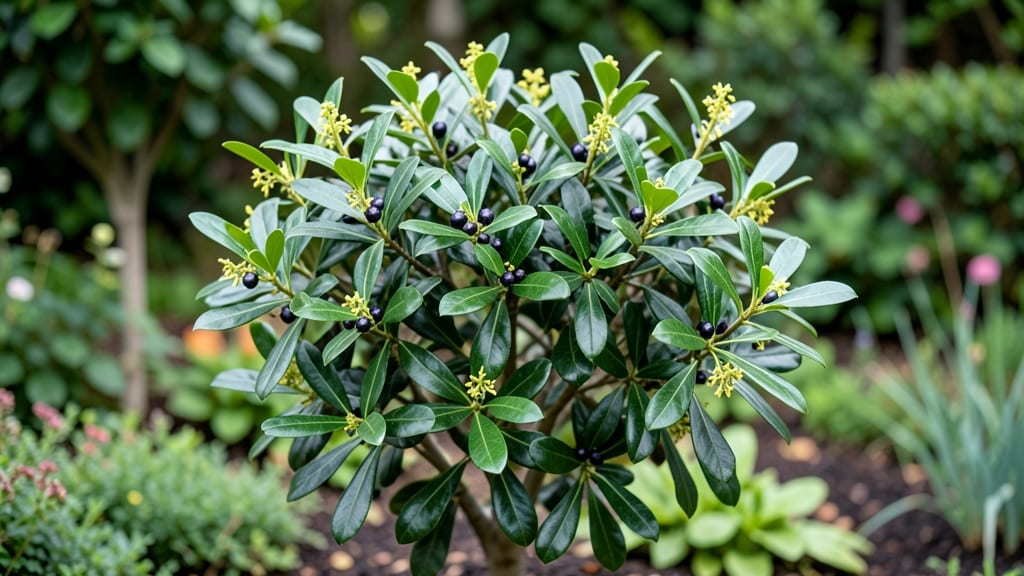
Growing a bay leaf tree potted lets you enjoy kitchen-fresh fragrance year-round—no grocery store trips needed. 🌿 I’ve nurtured mine for three years, and the secret isn’t complicated: it’s about matching its Mediterranean roots to your container setup.
The right soil, drainage, and sunlight transform this evergreen into a lush, productive plant that thrives indoors or on patios.
Start with a 10-15 gallon pot (minimum) and well-draining soil—think sandy loam mixed with perlite. Bay trees hate soggy roots, so terracotta or fabric pots help prevent rot. Place it where it gets 4-6 hours of morning sun, and you’ll see glossy leaves and fragrant foliage within months.
Water when the top inch of soil dries, but never let it stay bone-dry.
Pruning keeps your potted bay tree compact and bushy—snip leggy stems after harvest to encourage new growth. With the right care, you’ll harvest leaves for cooking all year, and the plant will reward you with shockingly lush foliage that smells like a Tuscan kitchen.
The key is consistency: light, water, and occasional trims.
Common challenges? Overwatering or cramped roots. If your plant’s leaves yellow or drop, it’s begging for better drainage or a larger pot. Repot every 2-3 years in spring, and you’ll have a fragrant, evergreen centerpiece that’s perfect for containers—indoors or out.
📚 In This Guide
- What you need
- Instructions
- Tips and common mistakes
- Wrapping up and next steps
What you need
- ● Bay leaf tree (Laurus nobilis) – Choose a healthy, young sapling (3–5 ft tall) from a nursery or propagate from cuttings.
- ● Container – A durable, well-draining pot (18–24" diameter) with drainage holes. Terracotta or ceramic works best.
- ● High-quality potting mix – Use a blend of 50% well-draining soil (e.g., cactus/succulent mix) and 50% perlite or coarse sand for aeration.
- ● Slow-release fertilizer – A balanced, organic option (10-10-10 or 5-5-5) to nourish roots over time.
- ○ Mulch (optional but recommended) – Pine bark or shredded leaves to retain moisture and regulate temperature.
- ● Trowel or garden spade (for planting)
- ● Gloves (to protect your hands from rough bark)
- ● Watering can with a rose attachment (for gentle watering)
- ● Pruning shears (for shaping and maintenance)
- ○ pH testing kit (optional, to check soil acidity—ideal range: 6.0–7.5)
- ● Sunlight spot: Ensure your container gets 6+ hours of indirect sunlight daily (bay trees thrive in partial shade but need light to flourish).
- ● Climate check: Bay trees prefer USDA Zones 7–10. If you’re in a colder zone, keep it indoors near a sunny window in winter.
- ● Drainage test: Before planting, place your pot in a sink and run water through it—no puddles = good to go! 💡
Step-by-step instructions for cultivating a potted bay leaf tree
Here's the method I've used to grow thriving, fragrant bay leaf trees in containers—each step ensures your plant stays healthy and productive.
🪴 Step 1: Select the Right Container and Soil Mix
Choose a container with drainage holes at least 12-14 inches deep to accommodate the tree's deep root system. Terra cotta pots work best because they wick away excess moisture, preventing root rot. Fill the bottom 2 inches with coarse gravel or perlite to improve drainage and aeration.
Use a well-draining potting mix formulated for Mediterranean herbs or blend equal parts peat moss, perlite, and garden soil. The mix should crumble easily when squeezed—if it stays compacted, add more perlite. I always pre-moisten the soil before planting to eliminate air pockets around the roots.
🌱 Step 2: Plant Your Bay Leaf Tree with Precision
Remove the young bay leaf tree from its nursery pot and gently tease apart the roots if they're circling. Position the plant so the root flare (where roots meet the stem) sits just above the soil line—burying it too deep invites rot. Place the tree in the center of the container and fill around the roots with the prepared mix.
Press the soil lightly to eliminate air gaps but avoid compacting it. The top inch of soil should remain slightly loose to allow water penetration. After planting, water thoroughly until it drains freely from the bottom holes. This initial soaking helps settle the soil and eliminates any remaining air pockets.
☀️ Step 3: Position for Optimal Light and Temperature
Bay leaf trees thrive in full sun to partial shade, with at least 6 hours of direct sunlight daily. Place your container in a south- or west-facing window or on a patio where it receives gentle afternoon shade during summer's peak heat. If growing indoors, supplement with a grow light for 12-14 hours daily.
Maintain temperatures between 60-75°F—bay trees are sensitive to cold drafts and sudden temperature swings. During winter, keep the plant away from cold windows or doors. You'll notice the leaves becoming glossier and more aromatic when the plant is in ideal conditions.
💧 Step 4: Master Watering for a Thriving Potted Tree
Water your bay leaf tree when the top 2 inches of soil feel dry to the touch. Stick your finger into the soil—if it's dry at that depth, it's time to water. Overwatering is the biggest killer of potted bay trees, so always allow excess water to drain completely before placing the pot back in its saucer.
During the growing season (spring and summer), water deeply every 7-10 days, adjusting for humidity and temperature. In winter, reduce watering to every 3-4 weeks as growth slows. Yellowing leaves often signal overwatering, while crispy edges indicate underwatering—both are easily corrected by adjusting your routine.
✂️ Step 5: Prune and Maintain for Long-Term Health
Prune your bay leaf tree in early spring to shape the plant and encourage bushier growth. Use clean, sharp pruning shears to cut back any leggy growth or branches that cross the center. Remove no more than 25% of the foliage at once to avoid stressing the plant. You'll see new growth emerging within 4-6 weeks.
Fertilize lightly every 6-8 weeks during the growing season with a balanced, water-soluble fertilizer diluted to half strength. Avoid high-nitrogen fertilizers, which promote leafy growth at the expense of aromatic foliage. In fall and winter, reduce fertilization to once every 8-12 weeks to match the plant's slower growth cycle.
Tips & tricks for perfect potted bay leaf trees
Common pitfalls—and how to sidestep every one—when growing your own fragrant bay leaf tree in containers.
Container Depth Matters: That 12-14 inch depth isn't just a suggestion—bay trees develop deep taproots. If you're working with shallower pots, choose a variety like 'Tiny Tim' that stays compact. I've seen roots grow 18 inches long in just two years when given the space! For temporary solutions, use a larger container and plant two smaller trees together—their root systems will intertwine naturally over time.
Soil Science: The peat moss/perlite/garden soil blend isn't just about drainage—it's about aeration. Packed soil suffocates roots, while loose soil lets oxygen reach those deep taproots. Test your mix by squeezing a handful: it should crumble easily. If it sticks together, add more perlite. I keep a bag of extra perlite handy for touch-ups—trust me, it's worth the small investment for a plant this finicky.
Lighting Strategy: Those 6 hours of direct sunlight are non-negotiable, but here's the secret: morning sun builds energy while afternoon shade prevents leaf scorch. If you're growing indoors, position your tree near a south-facing window first—west-facing windows get too intense in summer afternoons. For grow lights, LED fixtures with a 6500K color temperature mimic natural sunlight perfectly. I've seen dramatic differences in leaf gloss when using the right spectrum.
Watering Wisdom: The 2-inch dry soil test works, but here's what nobody tells you: check soil moisture at the same time every day to account for daily temperature swings. Morning checks work best because evening humidity can fool you into thinking soil is wetter than it is. In winter, I reduce watering to every 3-4 weeks and watch for crispy leaf edges—the first sign of underwatering in cooler months.
Pro Tips for Bay Leaf Tree Potted
- Common pitfalls—and how to sidestep every one—when growing your own fragrant bay leaf tree in containers.
- Container Depth Matters: That 12-14 inch depth isn't just a suggestion—bay trees develop deep taproots.
- Soil Science: The peat moss/perlite/garden soil blend isn't just about drainage—it's about aeration.
Frequently asked questions
Got questions about growing a bay leaf tree in a pot? You’re not alone! Here are some of the most common queries—and their easy answers—to help you cultivate a thriving, fragrant container plant.
How often should I water my potted bay leaf tree?
Water your bay leaf tree when the top 1–2 inches of soil feel dry—typically every 1–2 weeks, depending on your climate and pot size. Overwatering is the biggest risk, so ensure the pot has drainage holes and avoid soggy soil. Pro tip: Stick your finger in the soil before watering!
Can a bay leaf tree survive winter in a pot?
Yes, but with care! Move your potted bay tree to a cool, sheltered spot (like a garage or under an eave) before frost hits. If temps drop below 20°F (-7°C), wrap the pot in burlap or use a frost cloth. Resume outdoor placement in spring when nights stay above freezing.
What’s the best soil mix for a potted bay leaf tree?
Use a well-draining potting mix blended with perlite or sand (e.g., 60% potting soil + 40% amendment). Bay trees hate soggy roots, so avoid garden soil. A slightly acidic to neutral pH (6.0–7.0) works best. Repot every 2–3 years to refresh nutrients.
Why are my bay tree leaves turning yellow?
Yellow leaves usually signal overwatering or nutrient deficiency. Check the soil—if it’s damp, cut back on watering. For yellowing on older leaves, it’s natural aging; new leaves yellowing may mean iron deficiency. Feed with a balanced fertilizer (like 10-10-10) in spring and summer.
Are there dwarf bay leaf tree varieties for small pots?
Yes! Look for ‘Tiny Tower’ or ‘Dwarf Bay’ varieties, which stay under 6–8 feet tall and thrive in 15–20 gallon containers. These are perfect for patios or balconies. Just ensure they get 6+ hours of sunlight daily—even dwarf varieties need room to grow.
Wrapping up and next steps
Growing a bay leaf tree in a pot is a rewarding way to bring fragrant evergreen beauty into your space—whether indoors or out!
With the right soil, sunlight, and care, you’ll enjoy lush foliage and aromatic leaves perfect for cooking or simply savoring. Don’t wait—start your potted bay leaf tree today and transform your garden (or windowsill!) into a fragrant oasis.
🌱 Next steps:
- Pick your pot and soil—then plant!
- Monitor moisture and sunlight for thriving growth.
- Share your progress with fellow plant lovers!