
Diseases
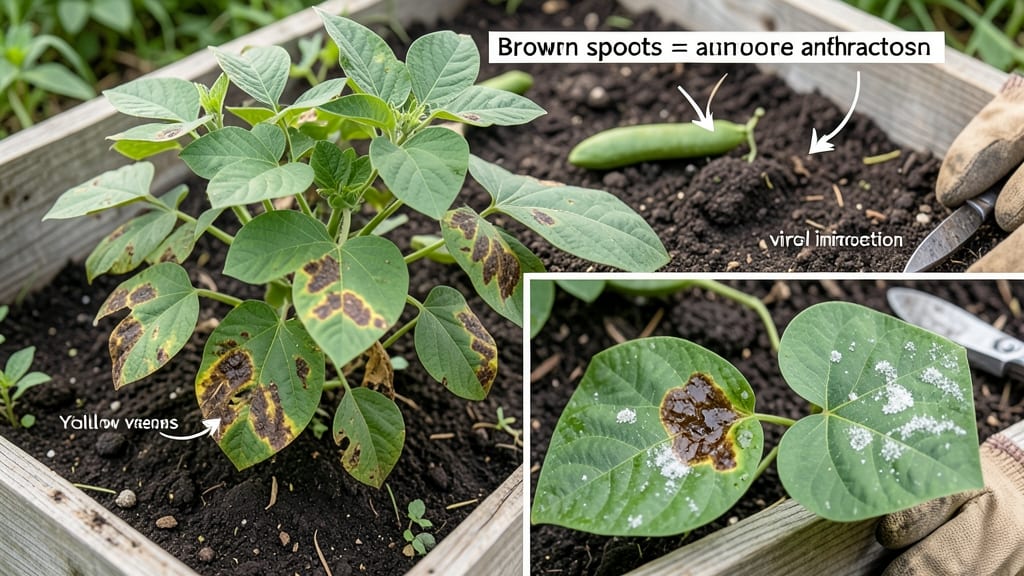
Your beans' leaves are turning yellow and spotted—this is your fast-track guide to saving them. ⚠️ Bean leaf diseases like rust, anthracnose, and bacterial blight can cripple your harvest if you wait too long, but with the right moves, you can stop them in their tracks before they spread.
First, identify the problem—check for powdery spots, dark lesions, or water-soaked patches. Most diseases thrive in humid, crowded conditions, so thin your plants and improve airflow immediately.
For organic control, spray a copper fungicide or neem oil mix every 7-10 days once symptoms appear, and always water at the base to keep leaves dry.
📚 In This Guide
- What you need
- Instructions
- Tips and common mistakes
- Wrapping up and next steps
What you need
- ● Handheld magnifying glass (5x–10x magnification) – for spotting tiny symptoms up close.
- ● Pruning shears or scissors (sterilized with 70% isopropyl alcohol) – to trim infected leaves safely.
- ● Spray bottle (16 oz) – for applying fungicides or homemade remedies.
- ● Disposable gloves (nitrile or latex) – to protect your hands from spores and chemicals.
- ● Digital camera or smartphone – to document symptoms for later reference or expert advice.
- ● Labeling tags or markers – to track diseased plants and treatments.
- ● Fungicide (copper-based or neem oil-based) – for treating fungal diseases like rust or powdery mildew.
- ● Baking soda solution (1 tsp baking soda + 1 quart water + a drop of dish soap) – a natural antifungal spray.
- ● Hydrogen peroxide (3%) – for disinfecting tools and treating bacterial spots.
- ● Compost or mulch – to improve soil health and reduce disease spread.
- ● pH test kit – to check soil acidity, which can influence disease susceptibility.
- ● Plant disease identification guidebook or app – for quick symptom lookups.
- ● Fan or dehumidifier – to reduce humidity around plants and prevent fungal growth.
- ● Organic insecticide – if pests (like aphids) are contributing to disease spread.
Instructions for diagnosing and treating bean leaf diseases
Here’s how to identify common diseases and act before they spread.
🌿 Step 1: Inspect Leaves for Early Warning Signs
Start by examining the top and bottom of leaves—early symptoms often appear on the undersides first. Look for yellowing patches, dark spots, or powdery coatings. Anthracnose shows as small, sunken lesions with concentric rings, while rust appears as orange pustules on leaf undersides. I always check the youngest leaves first—they’re most vulnerable.
Use a hand lens (if available) to spot tiny fungal spores or bacterial ooze. If you see white, cottony growth, it’s likely powdery mildew. The key is acting within 24-48 hours of noticing symptoms—this is when treatments work best. Don’t wait until leaves crisp or drop, or you’ll lose the plant.
💧 Step 2: Confirm the Disease and Isolate Infected Plants
Compare symptoms to known diseases using a plant disease ID guide (many free resources exist online). For bacterial blight, you’ll see water-soaked spots that turn brown, while fungal infections like downy mildew produce purple-gray mold on leaf undersides. Once confirmed, remove infected leaves immediately—don’t compost them; bag and discard.
Isolate the plant at least 10 feet away from healthy beans to prevent spores from spreading. If your garden is small, move the entire plant to a shaded area under a tarp. I’ve lost entire rows because I ignored this step—don’t make my mistake. After removal, sterilize pruners with a 10% bleach solution (1 part bleach to 9 parts water) to kill lingering pathogens.
✂️ Step 3: Apply Targeted Treatments Based on Diagnosis
For bacterial diseases (like halo blight), use a copper-based fungicide (follow label rates) and remove all plant debris. Fungal issues respond best to baking soda spray (1 tsp baking soda + 1 quart water + a drop of dish soap) or neem oil (2 tbsp per gallon of water). Spray early morning or evening to avoid leaf burn from sunlight. Reapply every 5-7 days until new growth appears.
If powdery mildew is present, reduce humidity around plants by spacing them 12-18 inches apart and improving airflow. Avoid overhead watering—water at soil level instead. For severe cases, a sulfur-based fungicide works, but apply only when leaves are dry. Always rotate treatments to prevent resistance—don’t rely on one product long-term.
☀️ Step 4: Adjust Growing Conditions to Prevent Recurrence
Most bean diseases thrive in hot, humid conditions. After treatment, prune for airflow—remove crowded stems and lower leaves that touch the soil. I also rotate crops annually—never plant beans in the same spot two years in a row. If your garden stays damp, consider raised beds or drip irrigation to keep foliage dry.
Boost plant health with a balanced fertilizer (10-10-10) every 3-4 weeks—healthy plants resist diseases better. If your soil is poor, mix in 1-2 inches of compost before planting next season. The goal is to strengthen plants so they outgrow pathogens, not just treat symptoms repeatedly.
Tips & tricks for diagnosing bean leaf diseases fast
Here's what nobody tells you about catching diseases before they ruin your harvest.
Timing Secret: Those critical 24-48 hours after spotting symptoms are your best window for saving the plant. I've seen powdery mildew spread across an entire row in just 48 hours when I hesitated—don't make that mistake. Keep a small notebook by your garden to log symptoms and dates. This helps track patterns like which diseases appear after heavy rains or when you last fertilized.
Diagnostic Tool: A hand lens isn't just for scientists—it's your secret weapon for early detection. I keep mine in my gardening apron pocket. Look for the tiny details: fungal spores appear as fuzzy growths, bacterial ooze looks like clear droplets, and rust spores are actually bright orange puffs. These microscopic clues help you identify the exact pathogen, so you can treat it properly instead of guessing.
Treatment Rotation Strategy: When you see instructions to "rotate treatments," this means alternating between copper-based fungicides, baking soda spray, and neem oil every 5-7 days. I keep a simple chart in my garden journal to track which treatments I've used and when. This prevents pathogens from building resistance—something that happens faster than you might think with single-product treatments.
Prevention Mindset: The real game-changer isn't treating diseases after they appear—it's creating conditions where they can't take hold. I've found that raising beds and using drip irrigation completely eliminated powdery mildew in my second planting season. The key is reducing humidity around the leaves while keeping roots consistently moist. This one change saved me from losing plants to mildew every summer.
Pro Tips for Bean Leaf Diseases
- Here's what nobody tells you about catching diseases before they ruin your harvest.
- Timing Secret: Those critical 24-48 hours after spotting symptoms are your best window for saving the plant.
- Diagnostic Tool: A hand lens isn't just for scientists—it's your secret weapon for early detection.
Frequently asked questions
Got questions about bean leaf diseases?
You’re not alone! Here are some of the most common concerns—and quick answers to help you protect your plants.
What are the most common signs of bean leaf diseases?
Watch for yellow or brown spots (like halos or irregular patches), crinkled or distorted leaves, or black/brown streaks on stems. Fungal diseases (e.g., anthracnose, rust) often start as small spots, while bacterial issues may cause water-soaked lesions. Act fast—remove affected leaves immediately to prevent spread!
When is the best time to treat bean leaf diseases?
Start at the first sign of symptoms—don’t wait for widespread damage! Early intervention (like pruning infected leaves or applying copper fungicide) is key. Pro tip: Treat before rain or high humidity if possible, as moisture fuels fungal growth. Monitor plants weekly during peak growing seasons (spring/summer).
What’s the best natural remedy for bean leaf diseases?
Try a baking soda spray (1 tsp baking soda + 1 quart water + a drop of dish soap) for fungal issues like powdery mildew. For bacterial spots, copper fungicide (organic options like Copper Soap) works well. Prevent recurrence by improving airflow (prune plants) and avoiding overhead watering.
Can I still harvest beans if the leaves have diseases?
Yes, but only if the pods are healthy! Diseases like bacterial blight or anthracnose can contaminate pods if severe. Discard any discolored or mushy beans. Focus on leaf treatment to protect future harvests. Fun fact: Healthy leaves = sweeter beans! Prioritize prevention to keep your crop safe.
How do I prevent bean leaf diseases next season?
Start with disease-resistant varieties (check seed packets!). Rotate crops yearly, sanitize tools with bleach, and remove plant debris after harvest. Boost soil health with compost—strong plants fight diseases better! Avoid overwatering (water at soil level, not leaves) to reduce fungal risks.
Wrapping up and next steps
Identifying and treating bean leaf diseases early can make all the difference in saving your crop! From anthracnose to powdery mildew, understanding the signs and acting fast with the right tools keeps your plants thriving. You’ve got this! 🌱
Ready to take action? Start by inspecting your plants weekly and applying preventive measures—like proper spacing and fungicides—before issues arise. Your green thumb is stronger than you think! 💪
- Next step: Pick one tip from this guide and try it on your next planting session.
- Bonus: Share your success (or challenges) with fellow gardeners—community support helps!