
Diseases
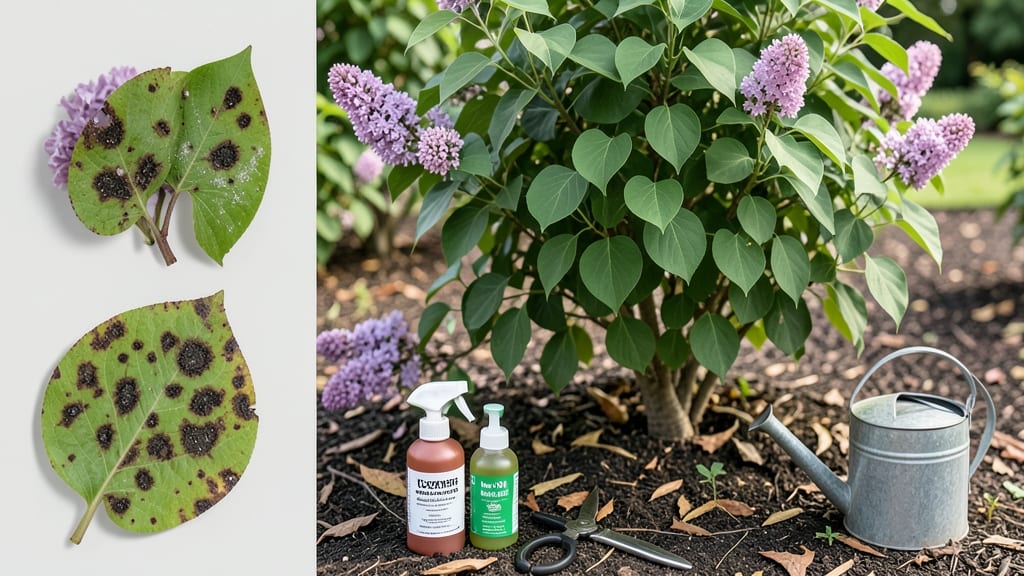
When your lilacs' leaves turn into splotchy, crunchy messes from leaf blight diseases, you're dealing with a fungal infection that turns vibrant foliage into a sad, brown spectacle. 🌿 I've battled this exact problem with my 20-year-old lilac bushes, and I'll show you how to stop it in its tracks before it spreads to next year's blooms.
The culprit thrives in wet, humid conditions, so proper spacing and airflow are your first line of defense. I learned the hard way that overcrowded lilacs invite fungal spores to party.
Once you spot those telltale dark spots with yellow halos, act fast—prune infected leaves 1 inch below the damage and dispose of them in the trash (not compost).
Three simple steps—cleanup, fungicide, and prevention—can bring your lilacs back to life. Within weeks, you'll see fresh green leaves pushing through, and those signature purple blooms will return stronger than ever. The key is consistency: treat early, monitor regularly, and adjust your watering habits.
This works for both garden lilacs and container plants, and the same principles apply whether you're dealing with common lilac blight or the more aggressive botrytis variety. Let's get those bushes thriving again—no more sad, spotty leaves in sight.
Root Causes Of Lilac Leaf Blight
Lilac leaf blight—caused primarily by fungal pathogens like Septoria spp., Botrytis cinerea, or Cercospora—isn’t just random bad luck. It thrives because of specific environmental and cultural conditions that create the perfect storm for fungal growth.
Understanding these triggers is the first step to prevention and treatment. Below, we break down the why behind this frustrating disease, so you can tackle it head-on.
Fungi love water—it’s their highway for spreading and reproducing. When lilacs sit in soggy soil or get drenched by frequent rain, their leaves stay damp for long periods, creating ideal conditions for fungal spores to germinate.
- Overwatering: Lilacs prefer well-drained soil but can’t handle soggy roots. If your soil stays waterlogged (especially in clay-heavy or compacted areas), fungal spores latch onto leaves and multiply. - Poor Air Circulation: Dense foliage or overcrowded lilac bushes trap moisture, preventing leaves from drying out.
This stagnant, humid microclimate is a fungal buffet. - Rainfall Timing: Heavy rains during lilac’s active growth phase (spring to early summer) wash spores onto leaves, allowing them to infect new tissue.
Actionable Fix: Improve drainage by amending soil with compost or sand, space out plants for airflow, and water at the base (not overhead) to keep leaves dry.
Lilac leaf blight doesn’t just appear out of nowhere—it’s often a latent pathogen waiting for the right moment to strike. Fungal spores can linger in soil, mulch, or even on old plant debris from previous seasons.
- Surviving Debris: Infected leaves, stems, or pruned material left in the garden act as a spore reservoir.
When conditions are right (warmth + moisture), these spores launch into the air and infect healthy lilacs. - Wind & Splash Spread: Spores hitch rides on wind or rain splashes, landing on fresh leaves and starting new infections.
This is why blight often spreads rapidly in dense shrubbery. - Old Infections Resurface: If your lilac had blight last year, spores may still be hiding in the soil or mulch, ready to reinfect this season.
Actionable Fix: Clean up fallen leaves and prunings in autumn, sterilize pruning tools, and avoid mulching too close to the stem (keep 2–3 inches away).
Fungi are cold-blooded (literally)—they need warmth to wake up and humidity to thrive. Lilac leaf blight peaks when temperatures hover between 60–80°F (15–27°C) with high humidity or frequent dew.
- Ideal Fungal Weather: Prolonged periods of 70–80% humidity (common in summer mornings or after rain) give fungi the moisture they need to grow and spread. - Slow-Drying Leaves: If nights are cool and days are warm, leaves may stay damp longer, delaying drying and extending the fungal feast. - Stress From Heat: Heatwaves can weaken lilacs, making them more susceptible to infection.
Stressed plants have fewer defenses against fungal invaders.
Actionable Fix: Monitor weather forecasts and water in the early morning to let leaves dry before evening humidity sets in. Use shade cloth in extreme heat to reduce stress.
A lilac that’s malnourished or struggling from other issues is like an open invitation for fungi. Weak plants can’t fight off infections as effectively.
- Nitrogen Deficiency: Lilacs need balanced nutrition.
Too little nitrogen (or too much) weakens leaves, making them easier targets for fungi. - Compacted Soil: Poor root health from compacted or nutrient-poor soil stresses the plant, reducing its ability to resist disease. - Over-Fertilization: Excessive fertilizer (especially high in nitrogen) can promote lush but weak growth, which is more prone to fungal attacks.
Actionable Fix: Test your soil and amend with a balanced fertilizer (10-10-10 or similar) in early spring. Avoid heavy nitrogen in late summer when lilacs are entering dormancy.
Lilac blight isn’t just a solo act—it’s often a team effort from neighboring plants or past infections.
- Cross-Contamination: If nearby shrubs (like roses, hydrangeas, or other lilacs) have fungal diseases, spores can jump to your lilac via wind, tools, or even gardeners’ hands.
- Reinfection Risk: Spores from old infections can survive in soil for years, waiting for the next susceptible host.
- Pruning Mistakes: Using the same shears on infected and healthy plants spreads spores like wildfire.
Actionable Fix: Quarantine newly infected plants, sterilize tools with 70% isopropyl alcohol or bleach water (1 part bleach to 9 parts water), and avoid working with wet foliage.
Many gardeners wait until blight is full-blown before acting. By then, spores have already spread, and treatment becomes harder.
- Missed Spots: Early symptoms (tiny dark spots with yellow halos) are often dismissed as "just stress" or "normal aging."
- Delayed Pruning: Leaving infected leaves on the plant gives fungi more time to reproduce and spread.
- No Fungicide Prep: Skipping preventive fungicides in high-risk seasons (spring/summer) lets fungi gain a foothold.
Actionable Fix: Inspect lilacs weekly during growing season. Remove and destroy spotted leaves immediately, and apply a copper-based fungicide as a preventive spray every 2–3 weeks if conditions are favorable for blight.
Fixing Fungal Spots Fast
Now that you know the root causes behind lilac leaf blight—whether it’s powdery mildew’s ghostly white coating, anthracnose’s sunken black lesions, or septoria’s speckled chaos—it’s time to roll up your sleeves and fight back. The good news?
Most fungal spots on lilacs respond well to a mix of cultural fixes, targeted treatments, and smart prevention. Below, we’ll break down the best solutions for each culprit, plus pro tips to keep your lilacs thriving.
Cause: Erysiphe or Sphaerotheca fungi thrive in humid, shady conditions, leaving a fuzzy white film on leaves. Fix It:
- 🍳 Prune & Clean: Remove heavily infected leaves and stems (sterilize pruners with rubbing alcohol). Dispose of debris in the trash—not the compost!
- 👨🍳 Spray with Baking Soda: Mix 1 tsp baking soda + 1 tbsp horticultural oil + 1 gallon water in a spray bottle. Apply to both leaf surfaces every 7–10 days until symptoms fade.
- 🌿 Improve Airflow: Thin out dense branches and avoid overhead watering. Space plants 3–4 feet apart for better circulation.
- ✨ Fungicide Boost: For stubborn cases, use a neem oil spray (1% solution) or a copper-based fungicide (like Bonide Copper Fungicide).
💡 Prevention Pro Tip: Train lilacs to grow in full sun (6+ hours/day)—powdery mildew hates UV rays! If shade is unavoidable, water early in the day to let foliage dry quickly.
Cause: Gloeosporium fungi create dark, sunken spots with yellow halos, often appearing after wet springs. Fix It:
- 🔪 Sterilize Tools: Clean pruners between cuts with bleach solution (1 part bleach to 9 parts water) to prevent spreading spores.
- 🥘 Fungicide First Line: Apply a chlorothalonil-based fungicide (like Daconil) or myclobutanil (Immunox) at the first sign of spots. Reapply every 10–14 days.
- 🌡️ Water Wisely: Avoid wetting leaves—use drip irrigation or water at the base. Early morning is best.
- 🗑️ Remove Debris: Rake up fallen leaves and destroy them (don’t mulch them back into the soil).
💡 Prevention Pro Tip: Plant lilacs in well-draining soil and avoid planting them where anthracnose has struck before. Resistant varieties like ‘Dwarf Korean’* or ‘Miss Kim’ are tougher targets.
Cause: Septoria fungi create tiny, dark specks with gray centers, often in wet, crowded conditions. Fix It:
- 🔪 Prune Aggressively: Cut out infected leaves immediately and sterilize tools. Bag debris for trash pickup.
- 👨🍳 Copper Spray: Use a copper fungicide (like Copper Soap) every 2 weeks until new growth is spot-free. Copper disrupts fungal spores without harming beneficial insects.
- 🌿 Thin Out Plants: Overcrowding traps moisture. Space lilacs 3–5 feet apart and remove suckers from the base.
- 🌡️ Adjust Watering: Water deeply but infrequently—1 inch per week max. Use a rain gauge to track.
💡 Prevention Pro Tip: Mulch properly: Use 2–3 inches of wood chips (not leaves) to keep soil moist but not soggy. Keep mulch away* from the stem to prevent rot.
No matter the culprit, these universal fixes speed up healing:
- 🌿 Boost Plant Health:
- Fertilize with a balanced, slow-release fertilizer (10-10-10) in early spring to strengthen lilacs.
- Avoid high-nitrogen fertilizers—they encourage soft, fungal-loving growth.
- 🌡️ Monitor Moisture:
- Morning watering (before 10 AM) prevents overnight dampness.
- Use a soil moisture meter to check—lilacs hate "wet feet."
- 🔄 Rotate Fungicides:
- If one treatment stops working, switch to a different active ingredient (e.g., from neem oil to copper to sulfur).
- 🌿 Plant Companions:
- Interplant lilacs with garlic, chives, or marigolds—their antifungal properties deter spores.
✨ Final Victory Tip: For next year’s prevention, prune lilacs in late winter (before buds swell) to remove old wood where fungi hide. And remember: Healthy lilacs = fewer fungal spots! 🌿💪
Frequently asked questions
What do lilac leaf blight spots actually look like?
Leaf blight on lilacs typically appears as dark brown or black spots with yellow halos around them. In advanced cases, the spots may merge into larger patches, and leaves can turn crispy or drop prematurely. For Septoria blight, you'll see tiny specks with gray centers, while Botrytis often creates larger, irregular brown areas with a fuzzy texture.
Can I still use my lilac flowers if the leaves have blight?
Yes, but with caution! The flowers themselves aren't usually infected, but the fungal spores can contaminate them. If you're harvesting for arrangements, pick blooms before they fully open to minimize contact with spores. Avoid using infected leaves in compost or flower arrangements, as spores can spread.
How often should I spray fungicide on my lilacs?
For prevention, apply fungicide every 2-3 weeks during high-risk seasons (spring to early summer). If you're treating an active infection, follow the product's instructions—typically every 7-14 days until symptoms disappear. Rotate between different fungicides (copper, neem oil, sulfur) to prevent resistance.
Will pruning my lilac help stop the spread of blight?
Prune infected leaves 1 inch below the damage using sterilized tools. Remove all infected material and dispose of it in the trash (not compost). Thin out dense branches to improve airflow. The best time to prune for blight prevention is in late winter before new growth begins.
Are there any lilac varieties that resist leaf blight?
Some varieties show better resistance than others. Consider planting 'Miss Kim' (compact, disease-resistant) or 'Dwarf Korean' lilacs. French hybrids like 'Mme Lemoine' also tend to handle blight better. While no variety is completely immune, these choices give you a head start against fungal infections.